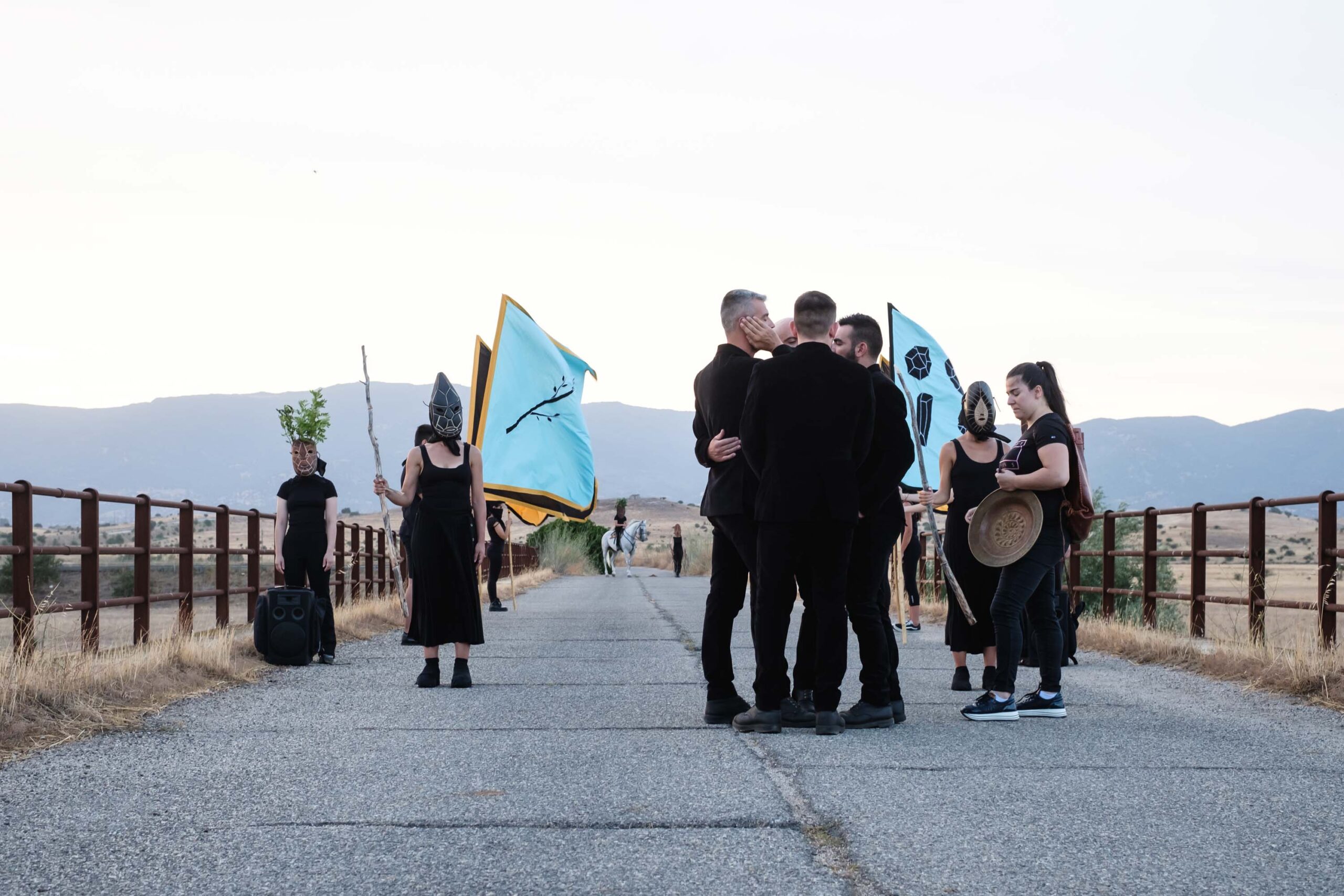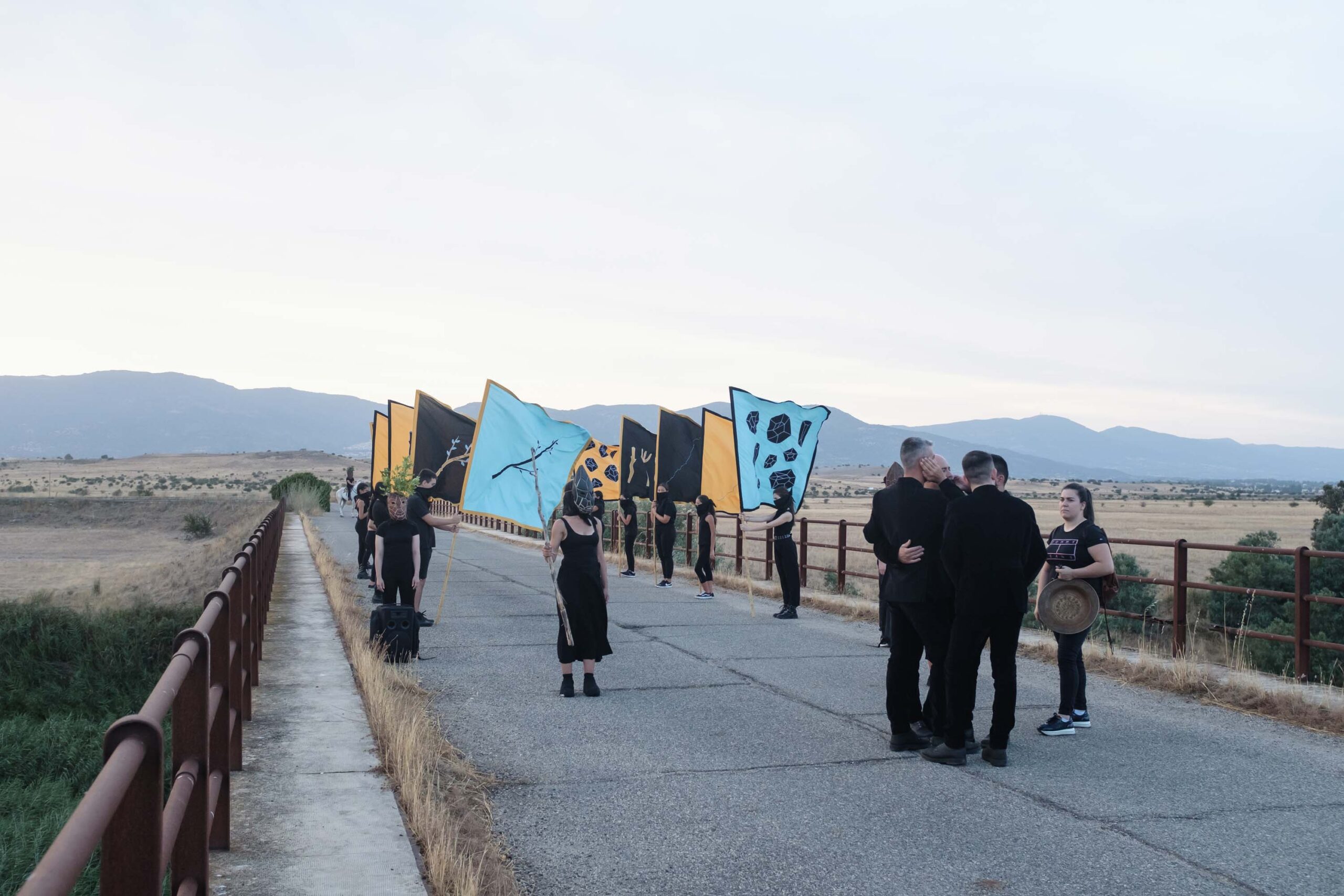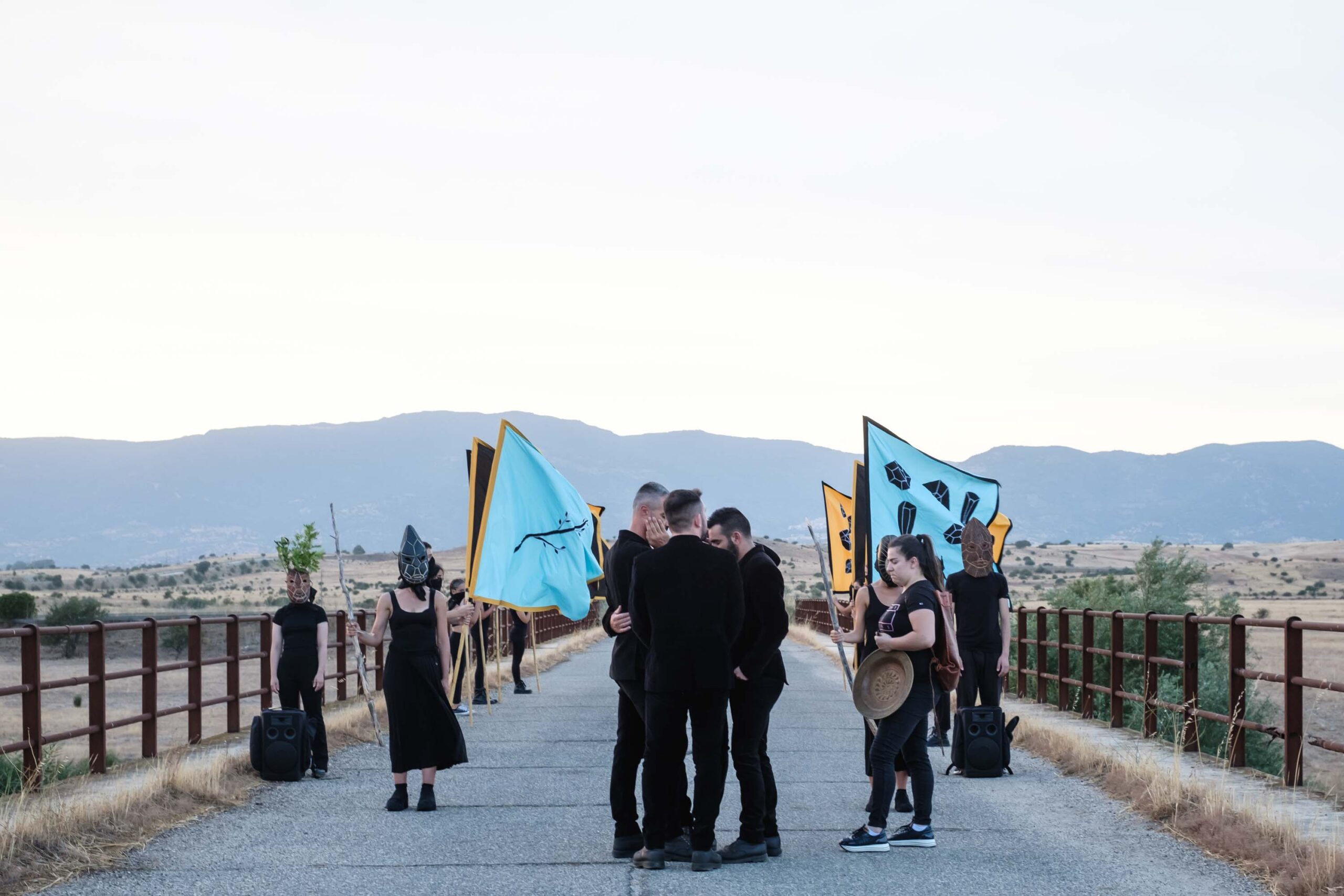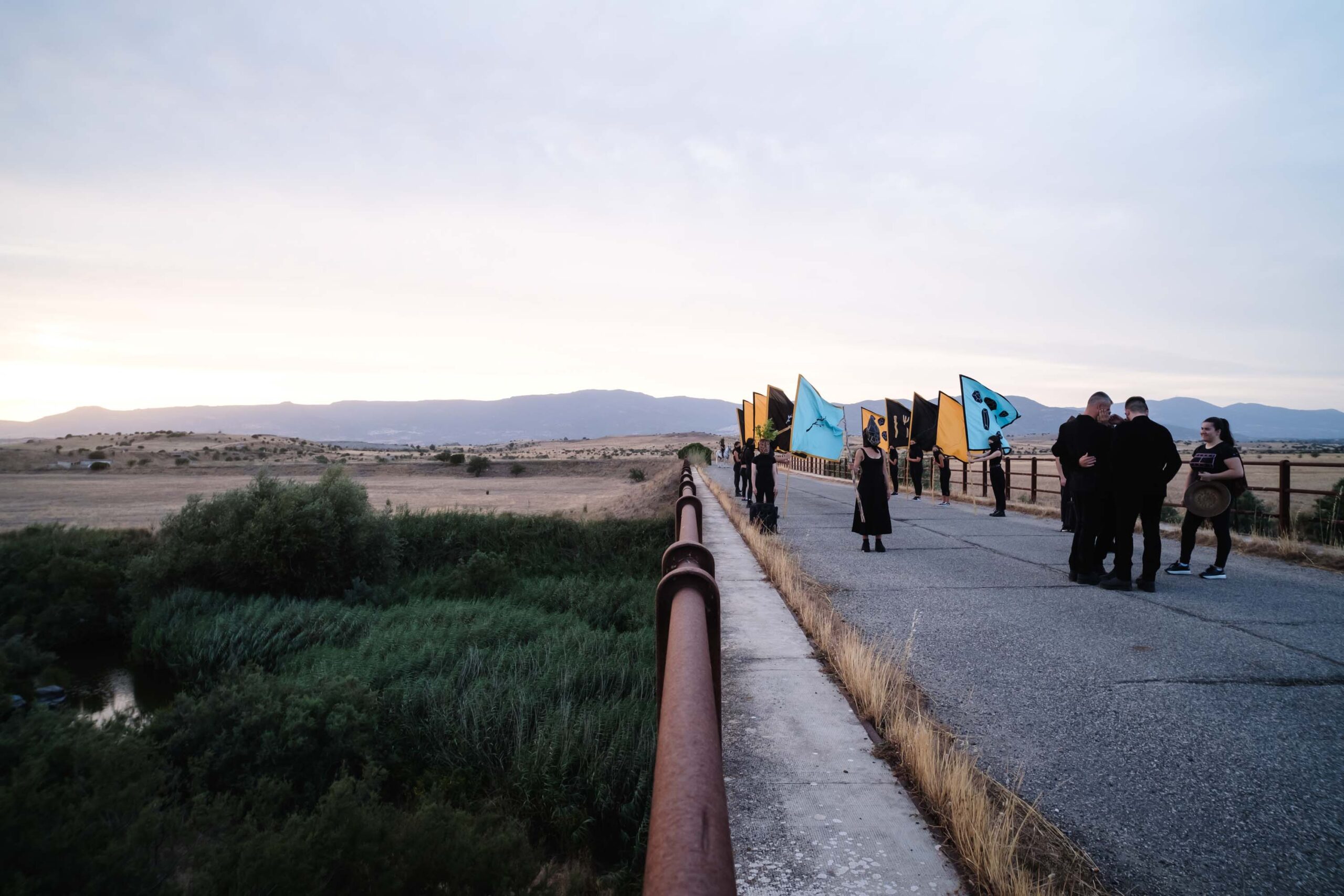
PARADE FOR THE RIVER TIRSO – RITUAL FOR THE ECOLOGICAL TRANSFORMATION
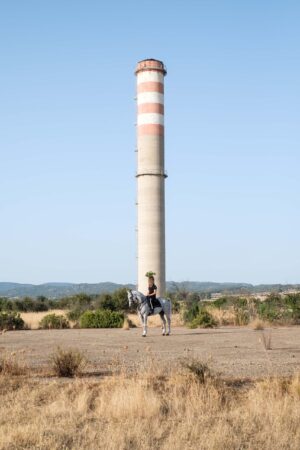
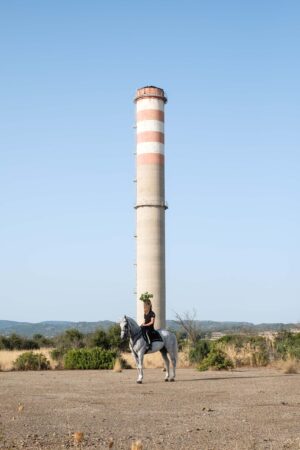
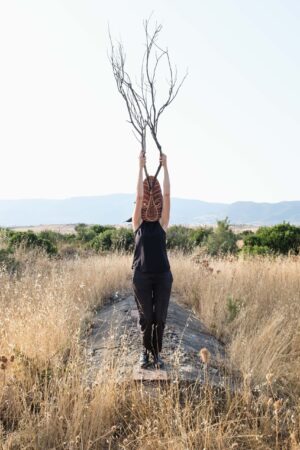
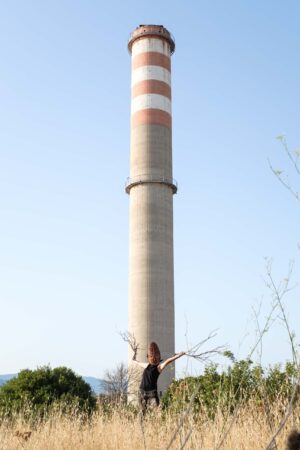
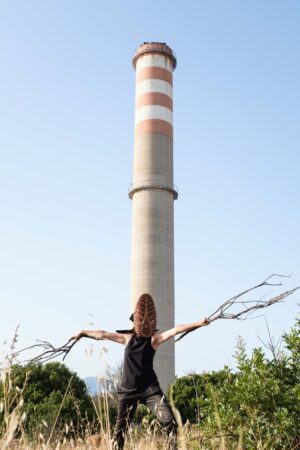
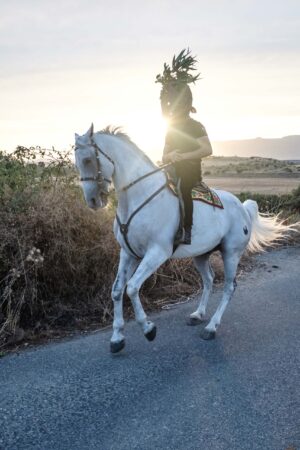



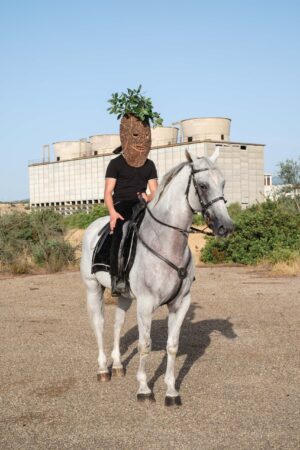
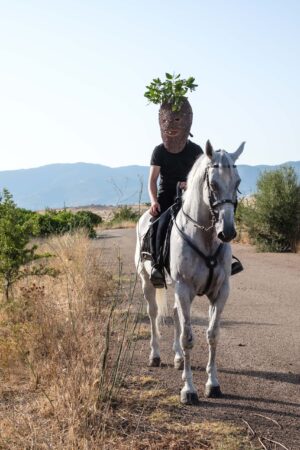
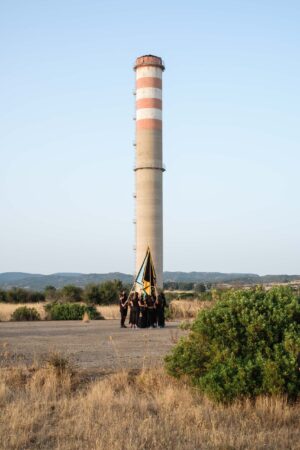
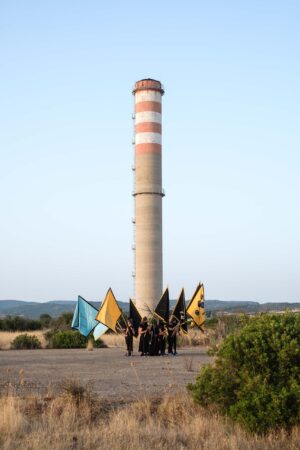
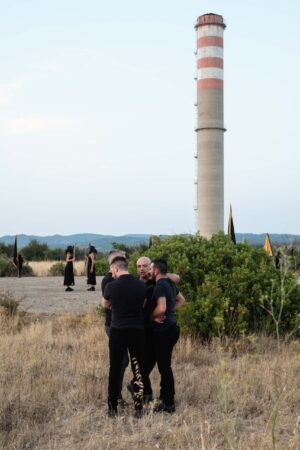
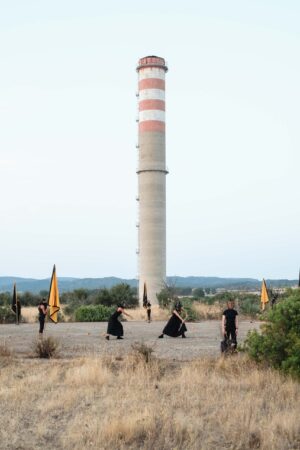
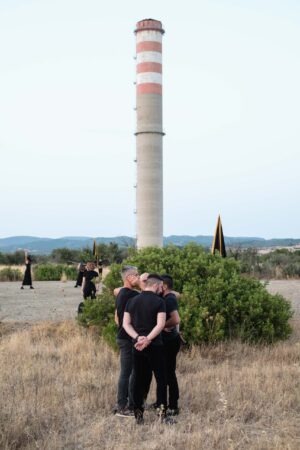
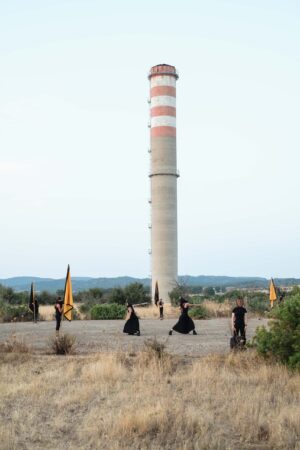
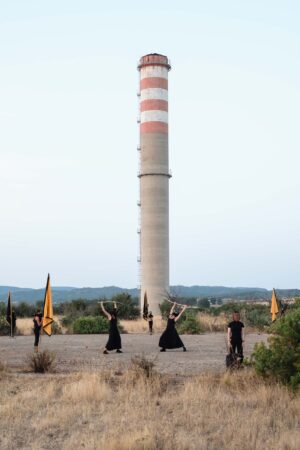

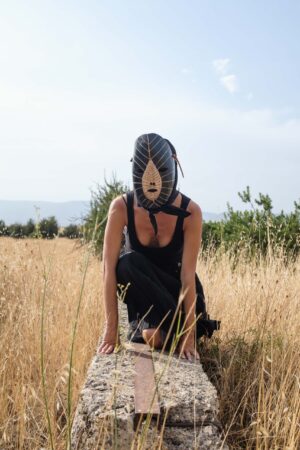
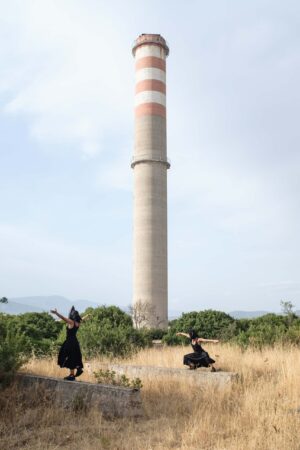
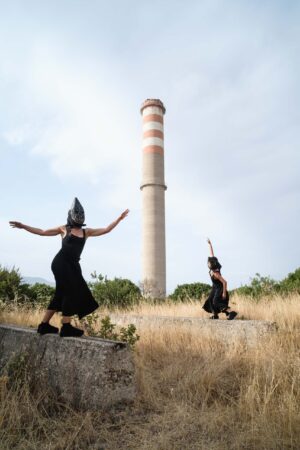
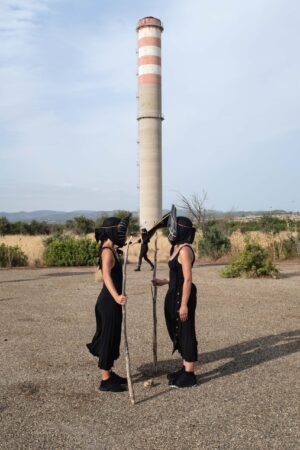
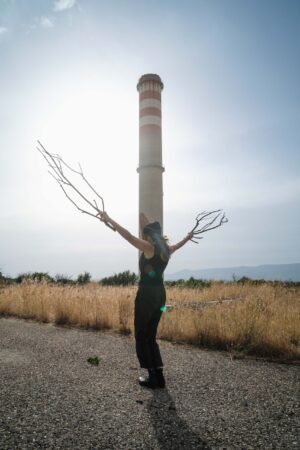
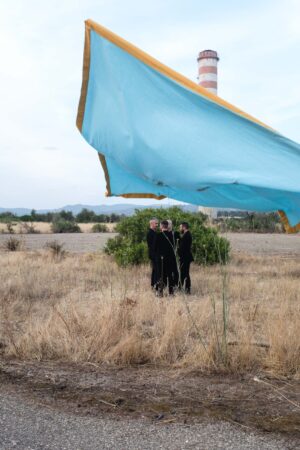
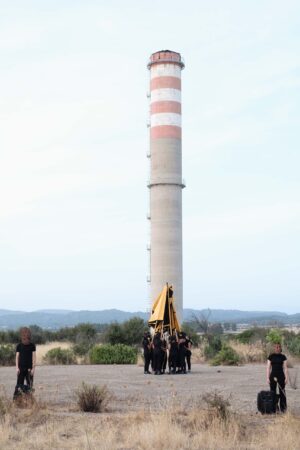
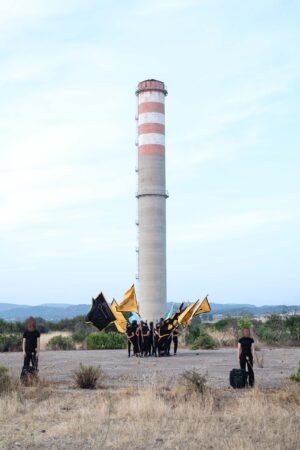
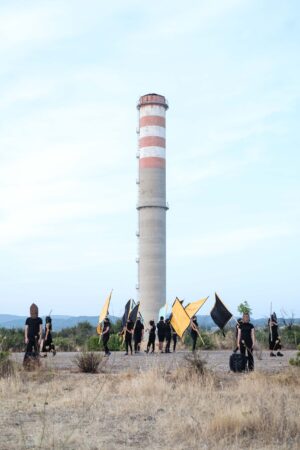
Parata Per il Tirso - Parade for the River Tirso.
Ritual for an Ecological Transformation

Directed by Andrea Conte ( Andreco Studio) and Climate Art Project
Project curated by : Maria Paola Zedda
Production: Abitare Connessioni Festival. Sardarch and Sardegna Teatro

Music: Tenore Santa Maria de Otzana - S'affuente di Ottana.
Photos: Andrea Mignona
Dettaglio
PARADE FOR THE RIVER TIRSO – RITUAL FOR THE ECOLOGICAL TRANSFORMATION
Anno
2021
Location
Ex Enichem Industry - Ottana, Barbagia, Sardegna
River Tirso, Ottana, Barbagia, Sardegna
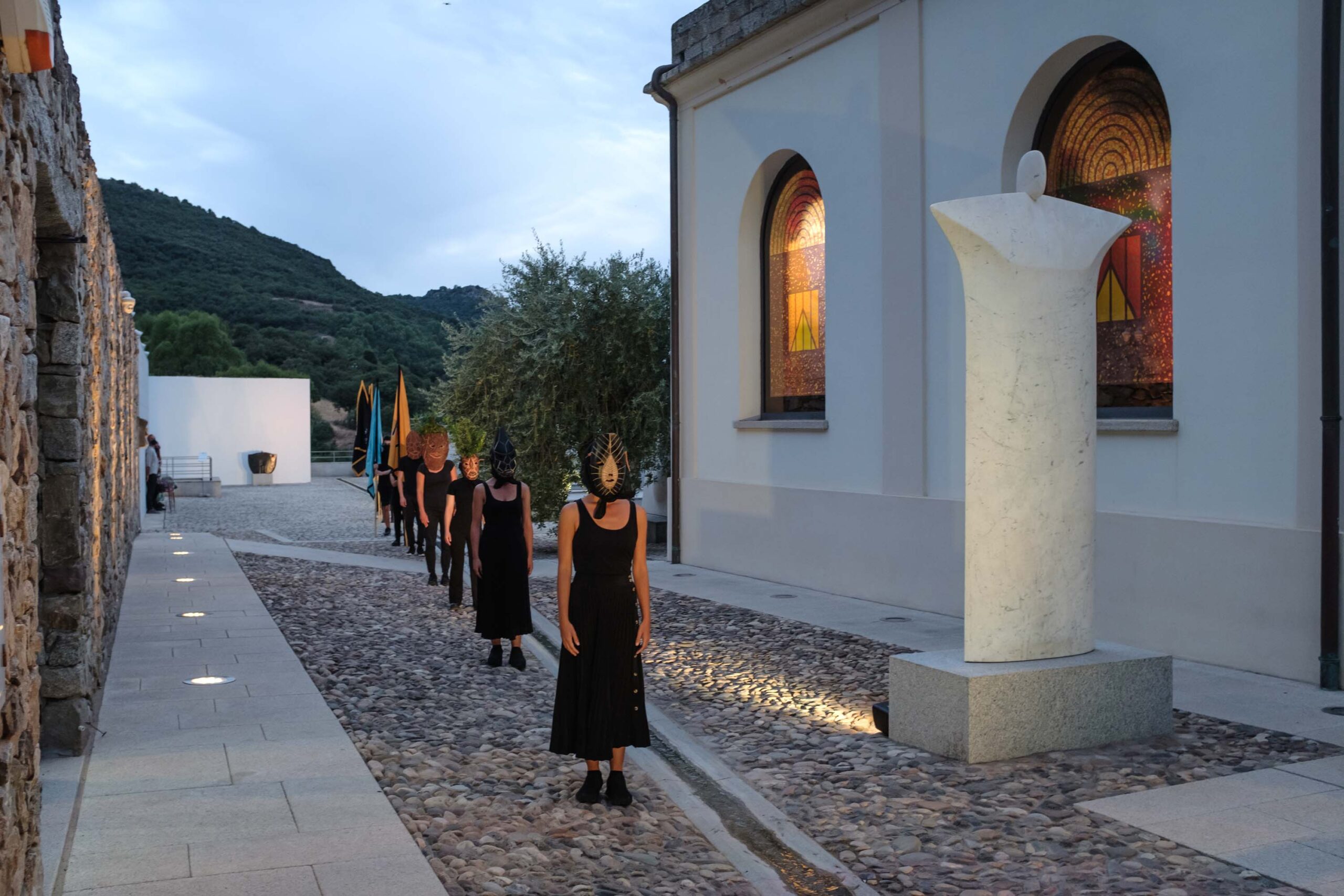
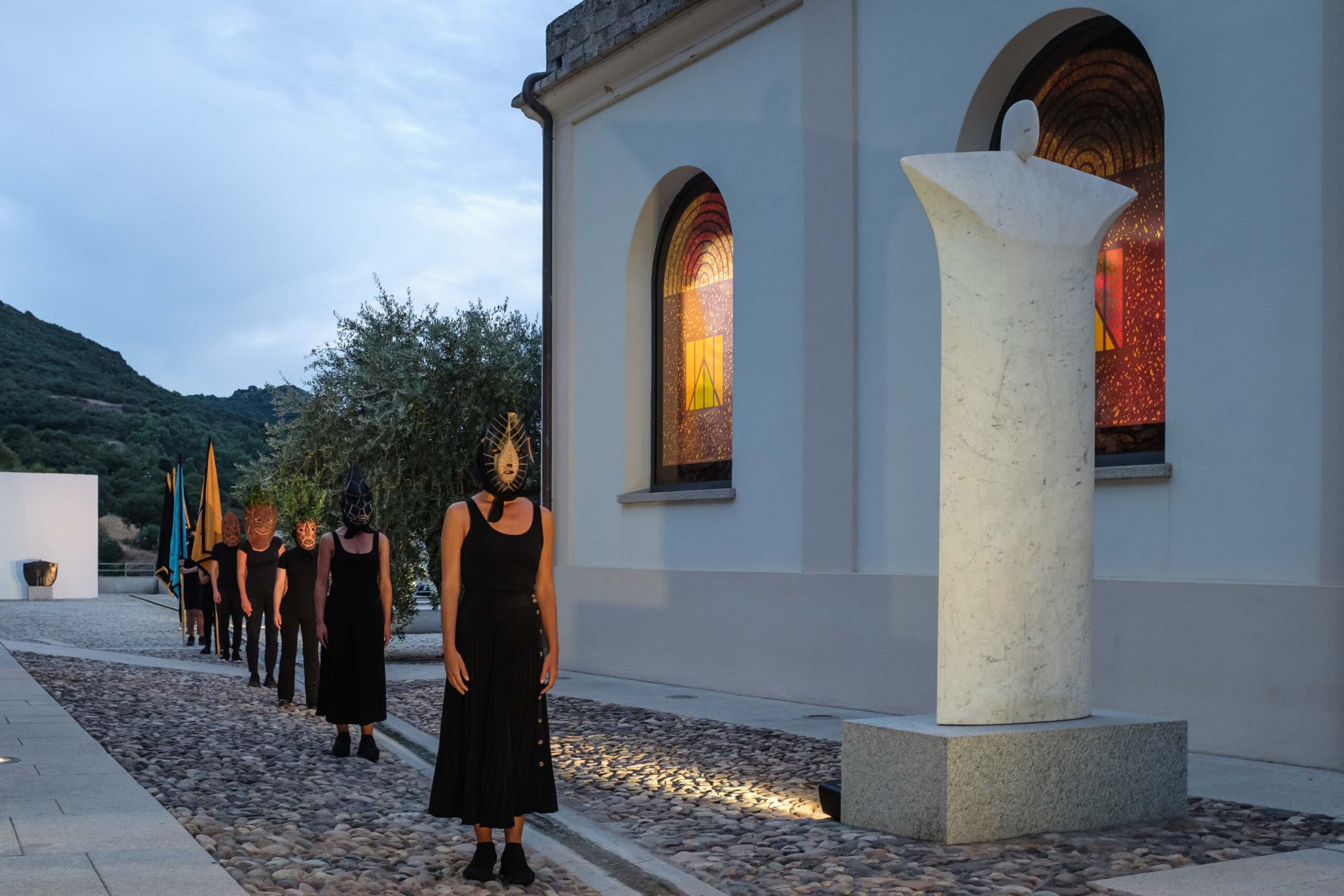
Museum Nivola, Orani, Barbagia, Sardegna
PARADE FOR THE RIVER TIRSO – RITUAL FOR THE ECOLOGICAL TRANSFORMATION
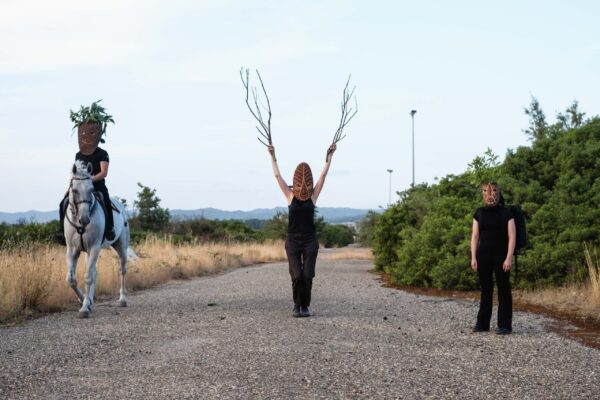
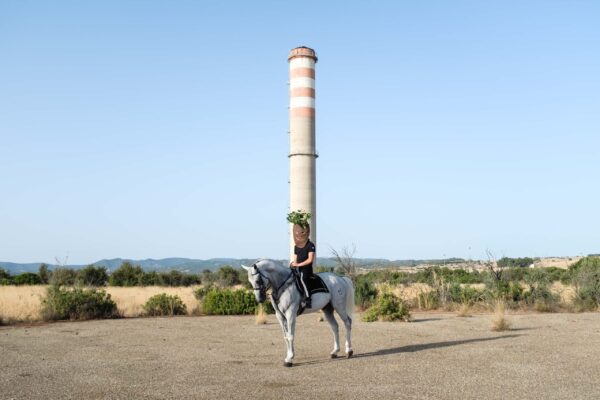
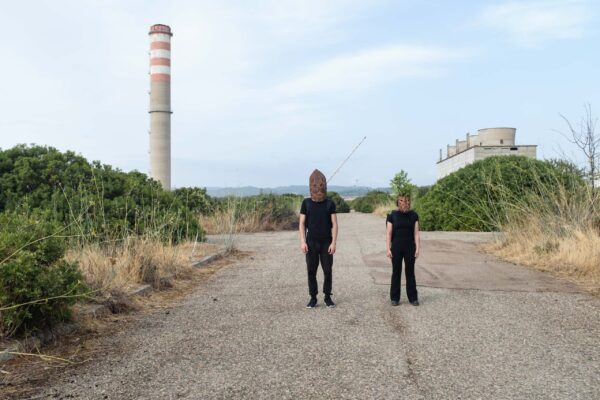
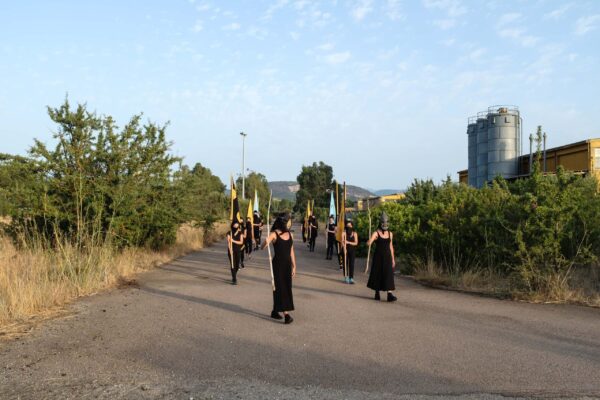
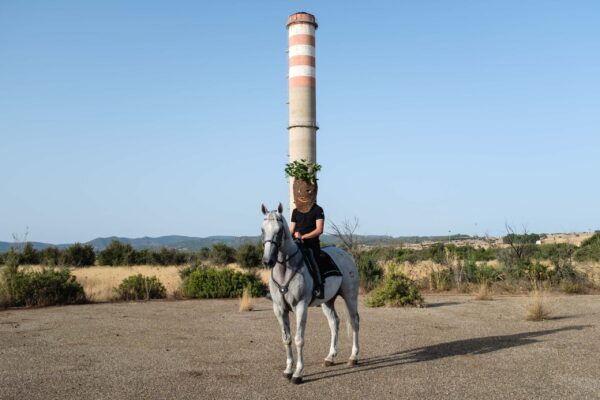

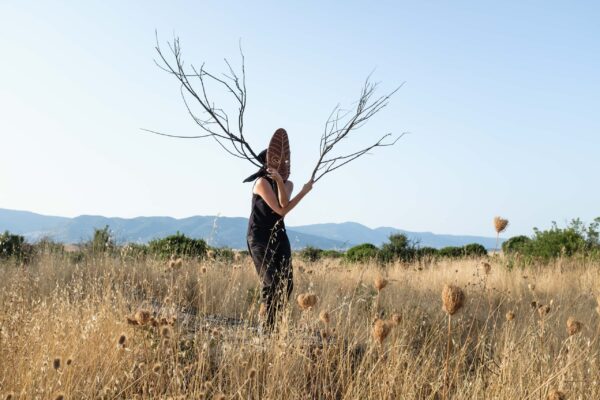
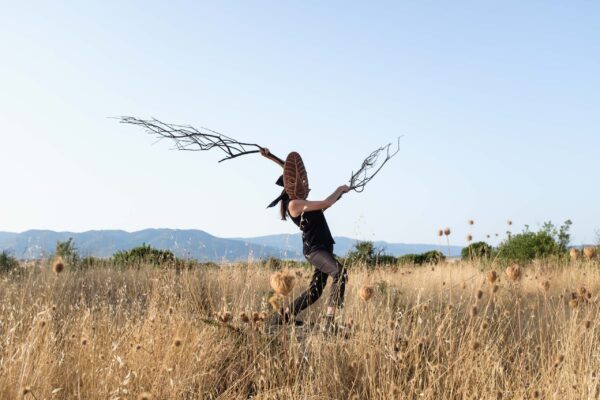
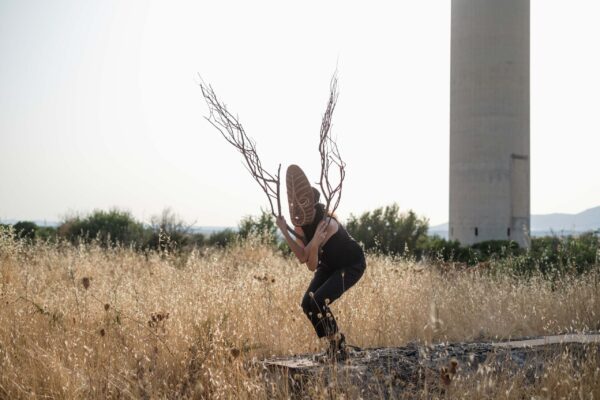
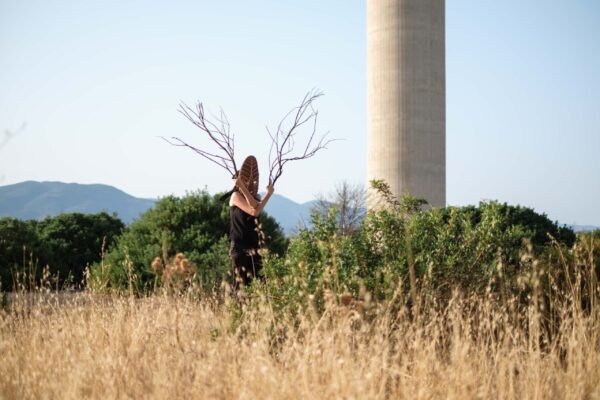
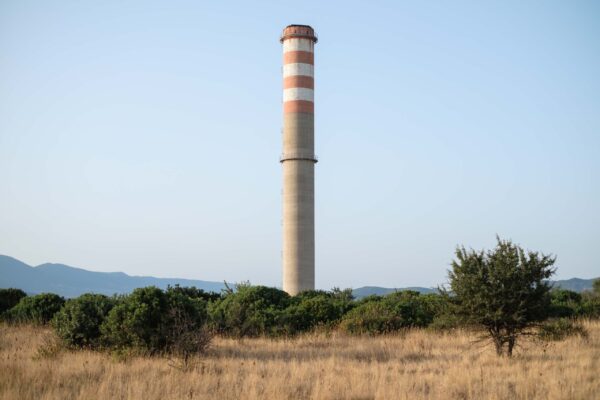
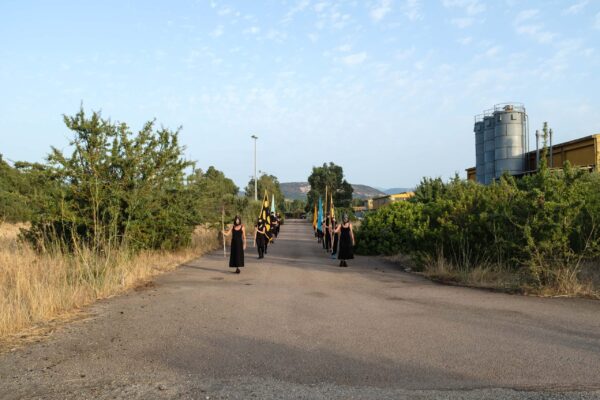
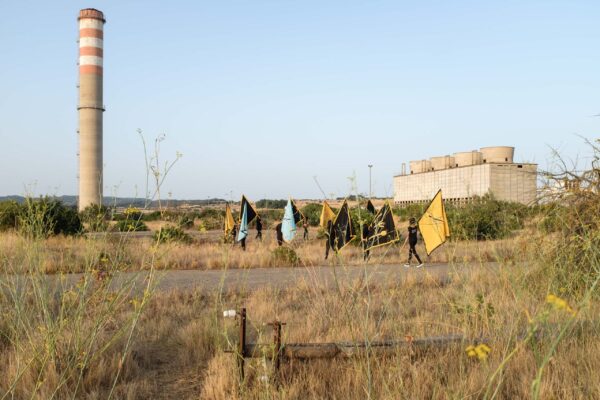


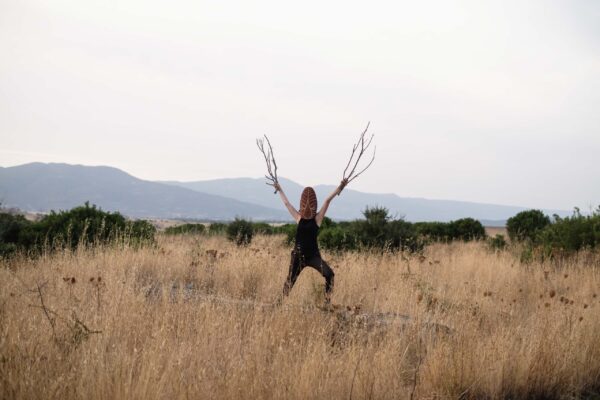
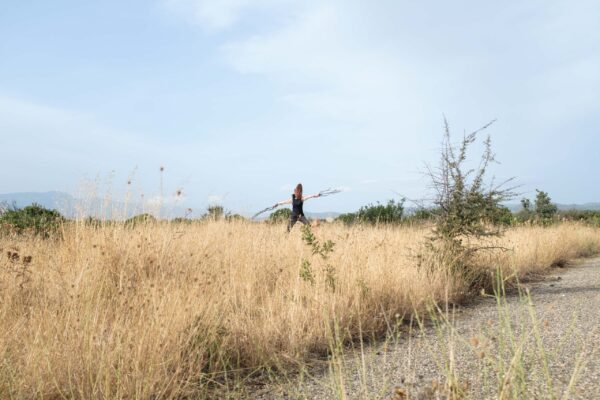
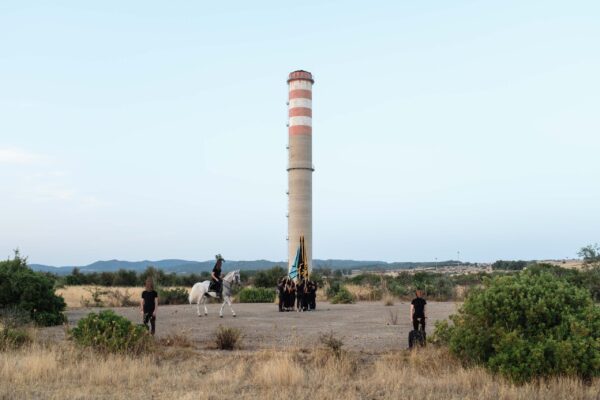
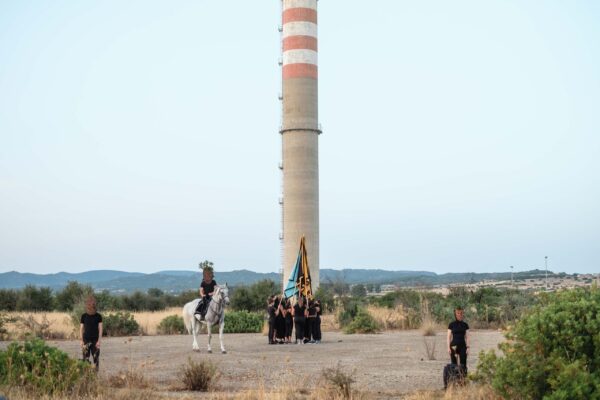
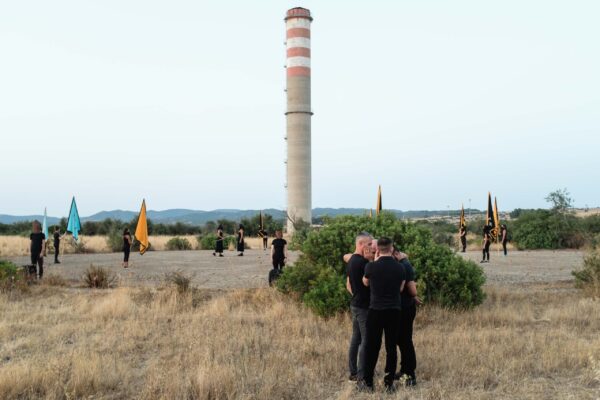
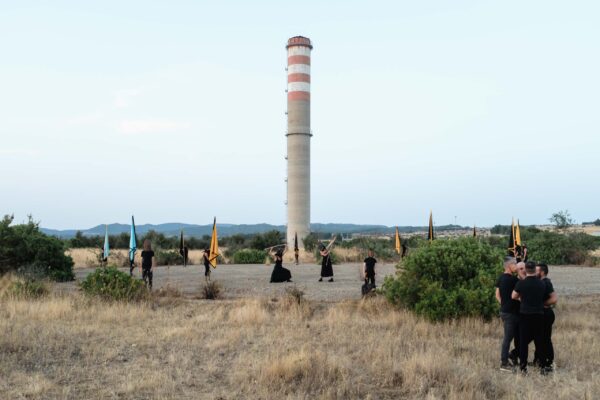
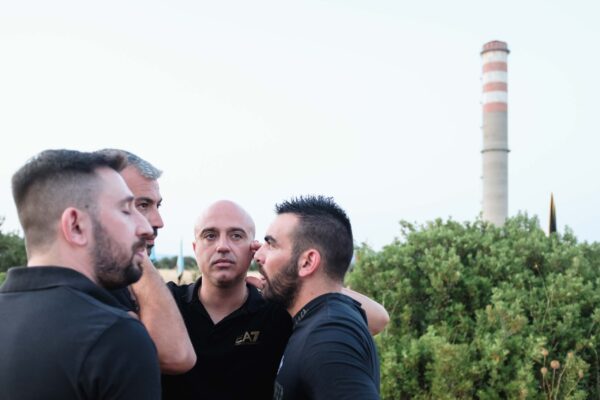
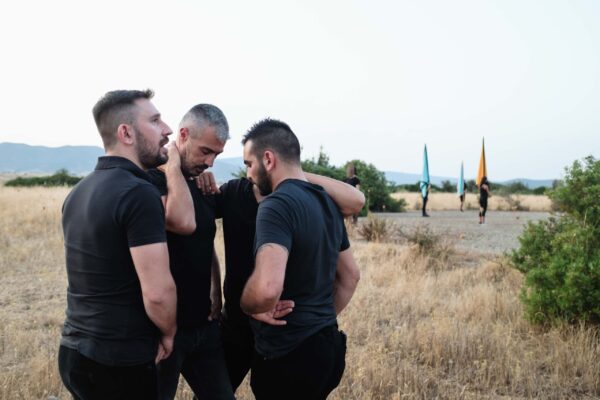
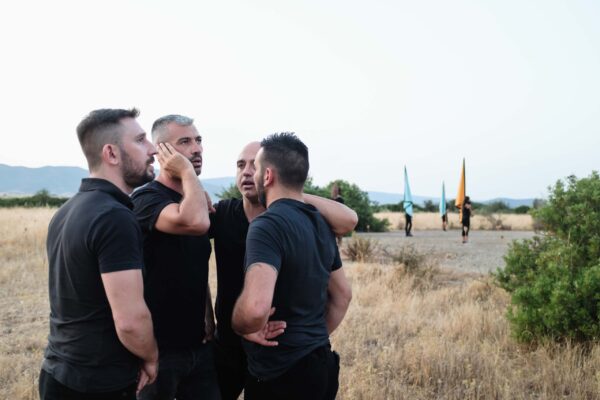
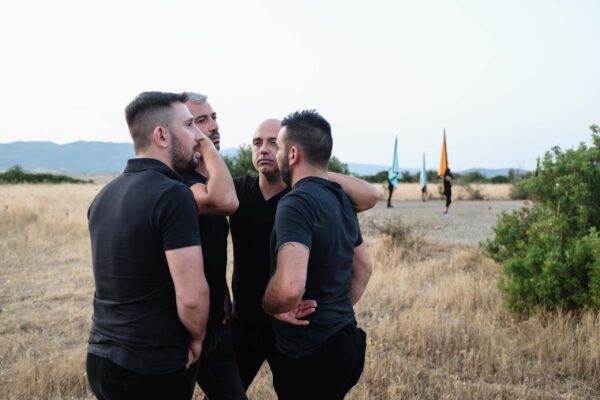

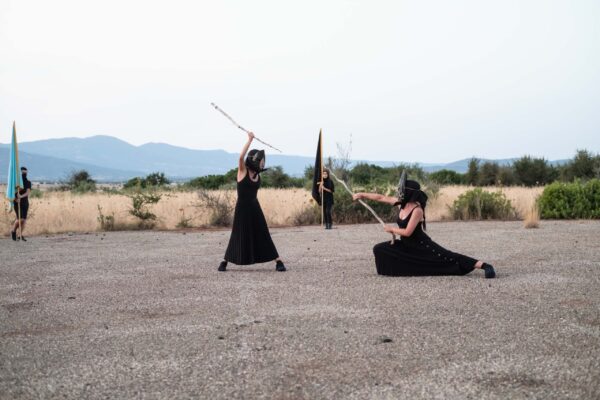
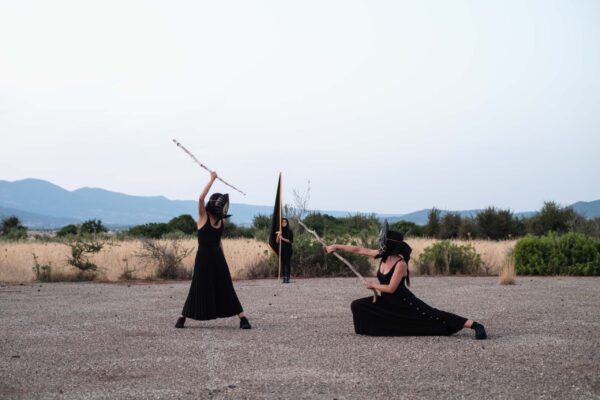
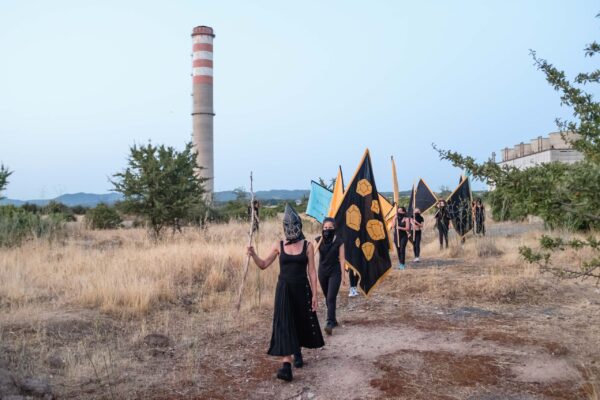
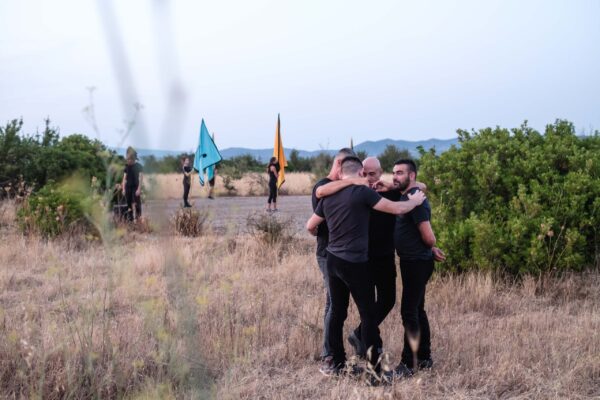
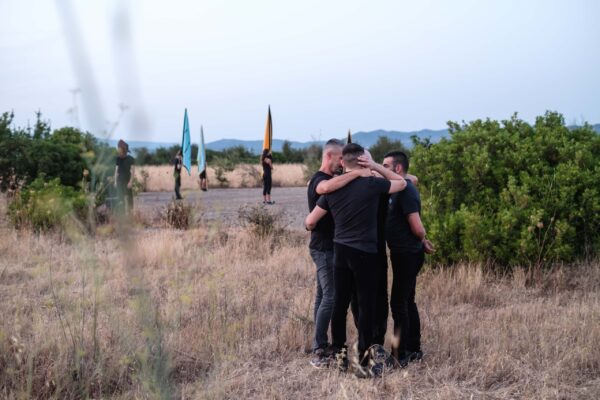
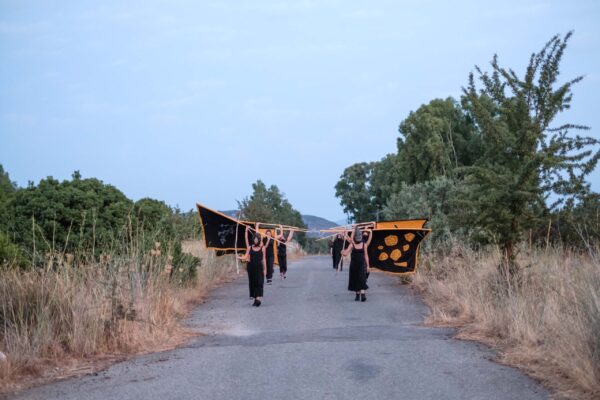
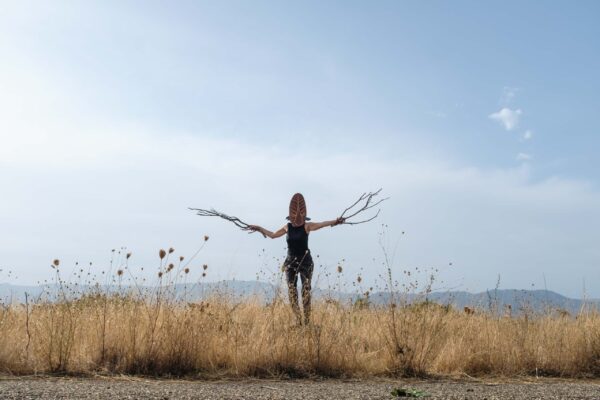
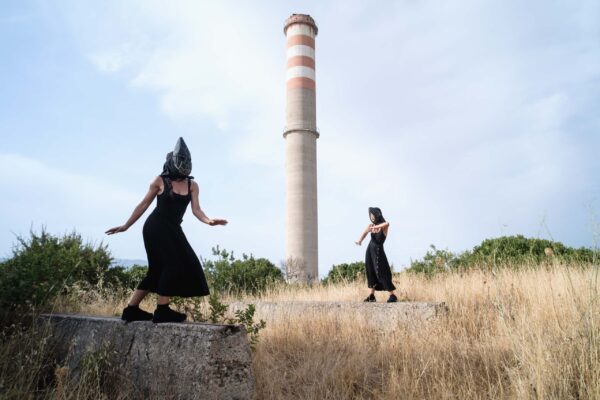
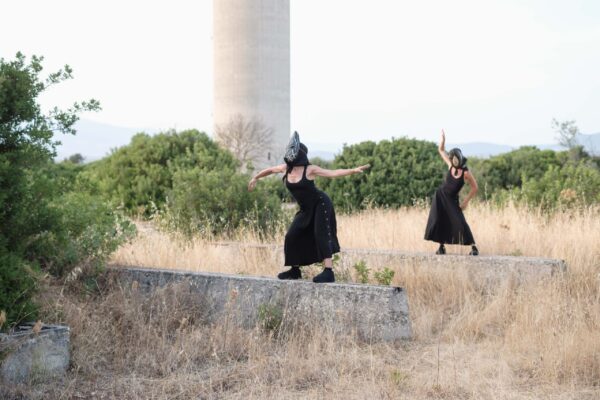
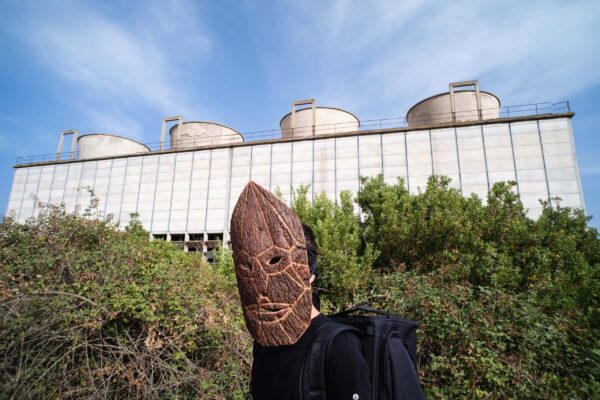

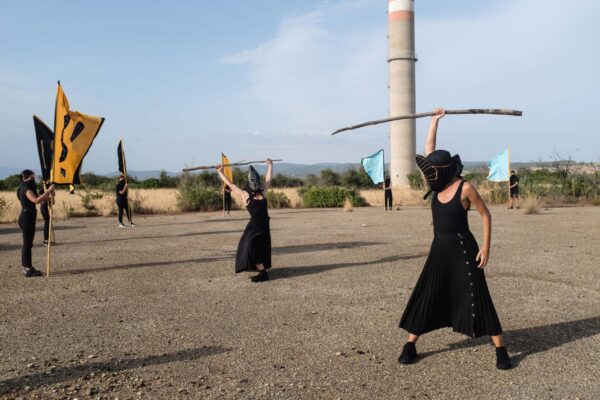
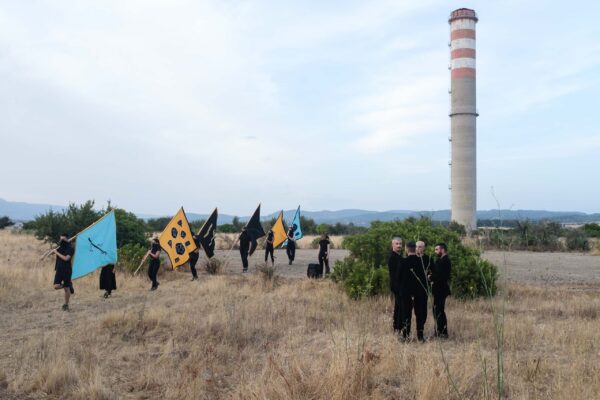
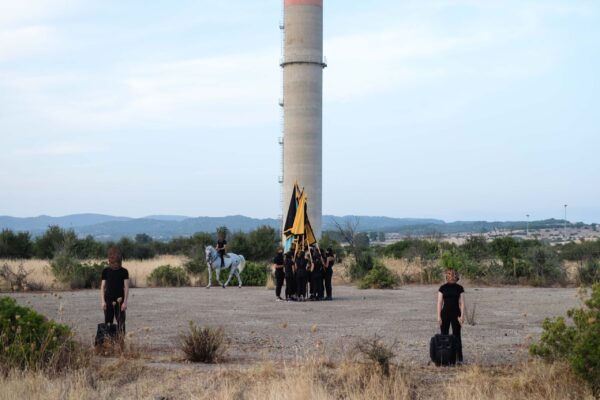
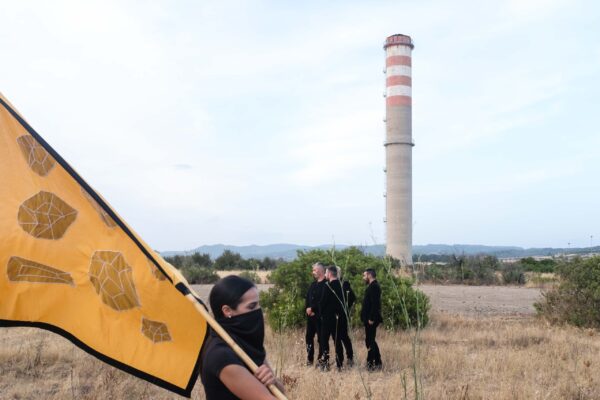
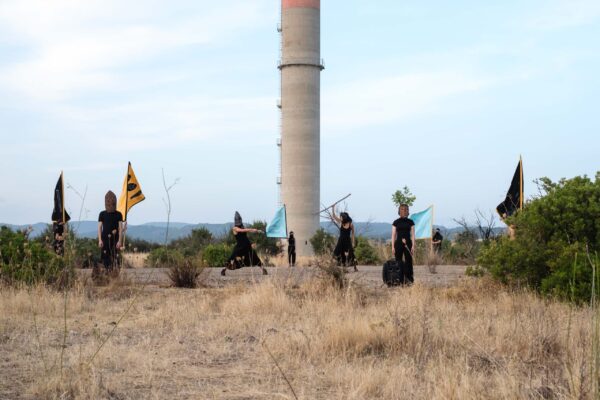
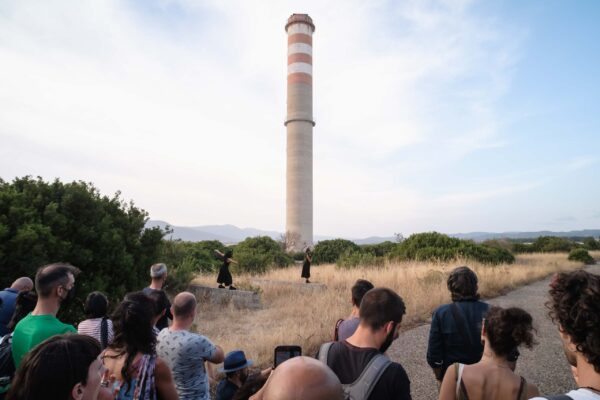
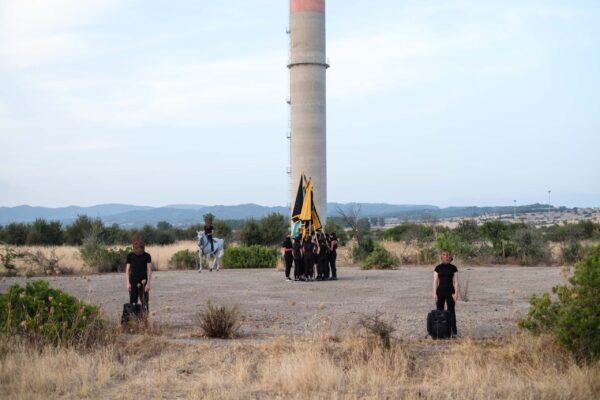
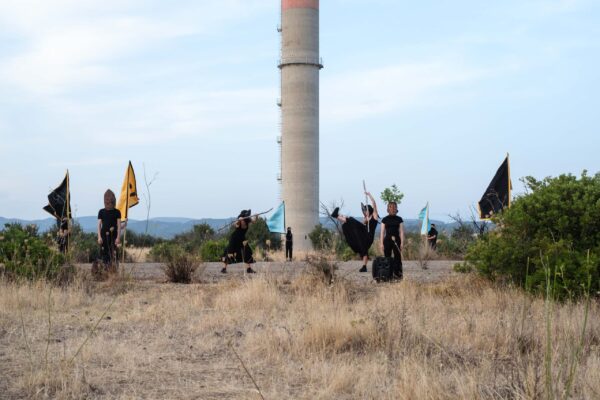

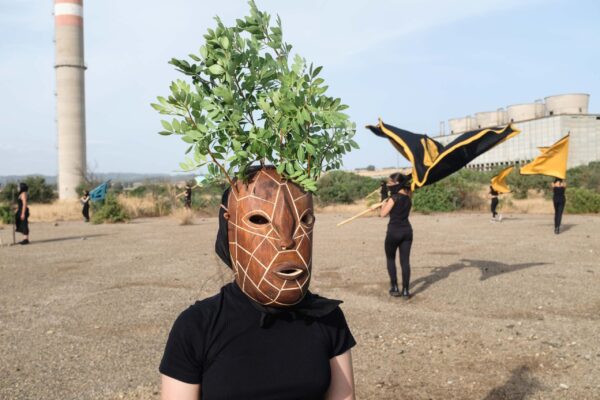
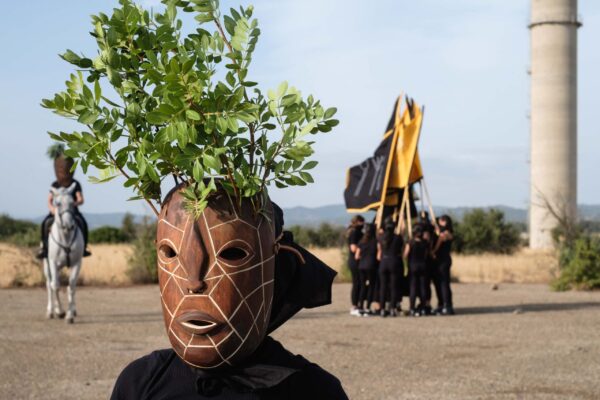
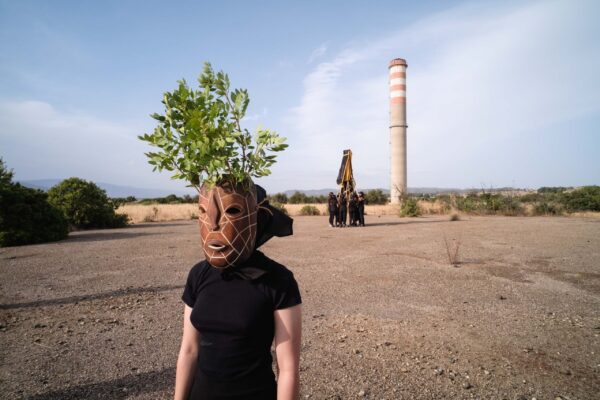
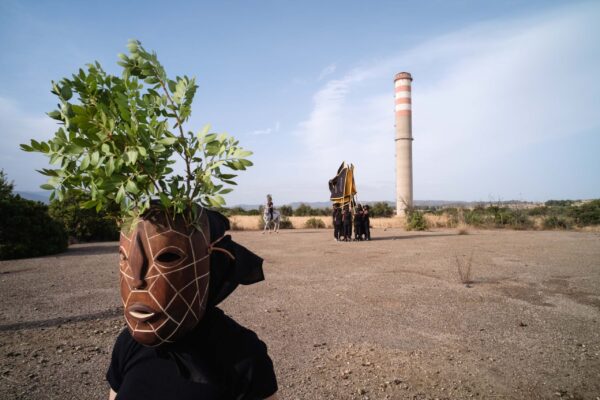
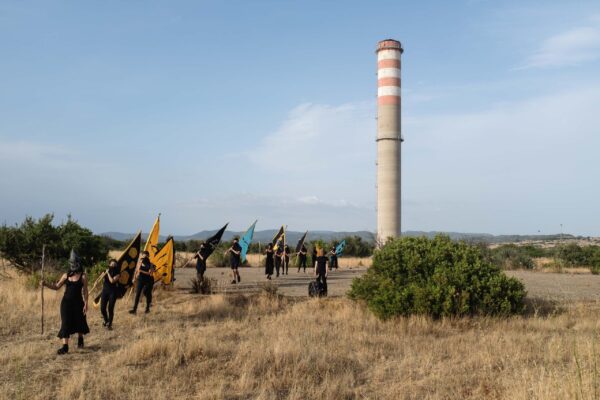
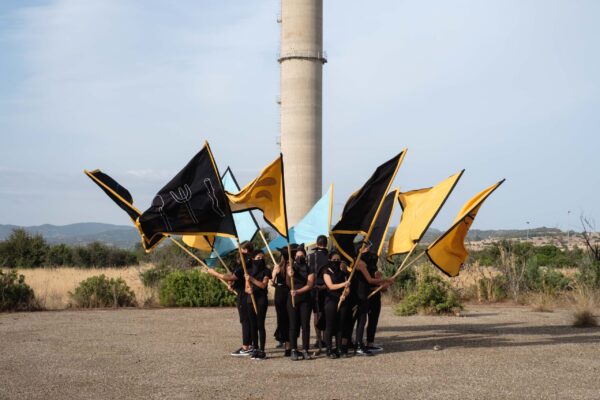
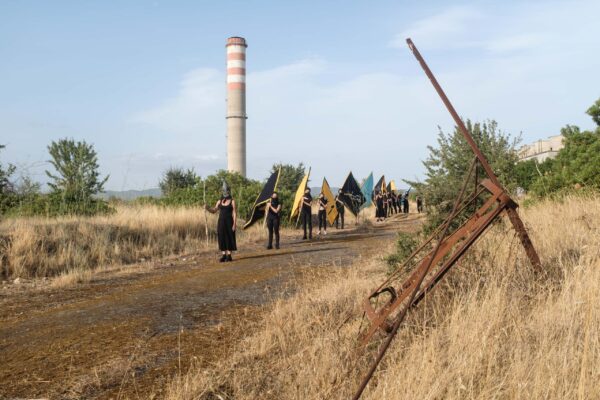
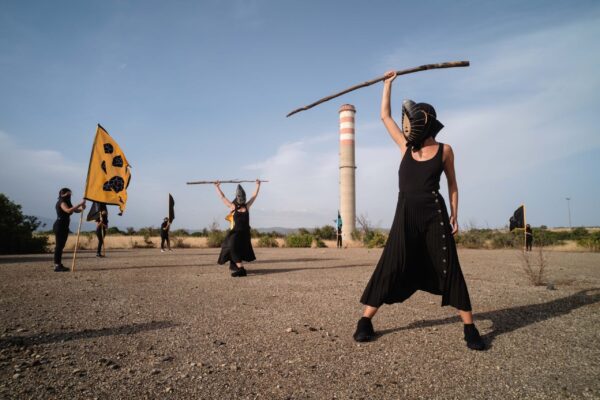
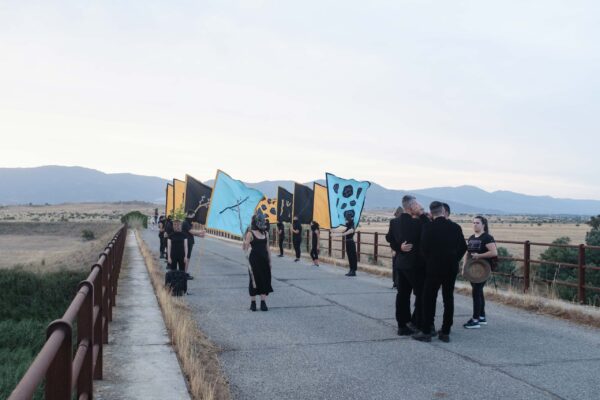
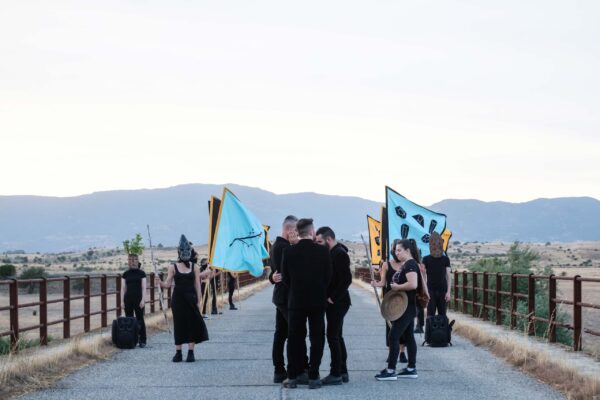
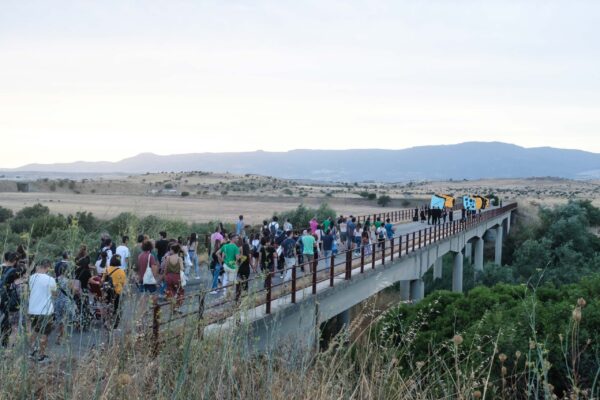
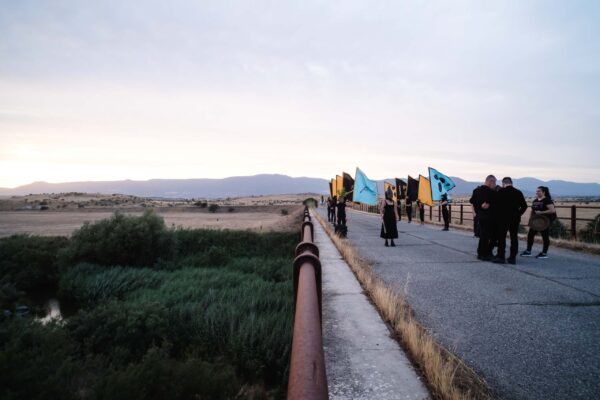
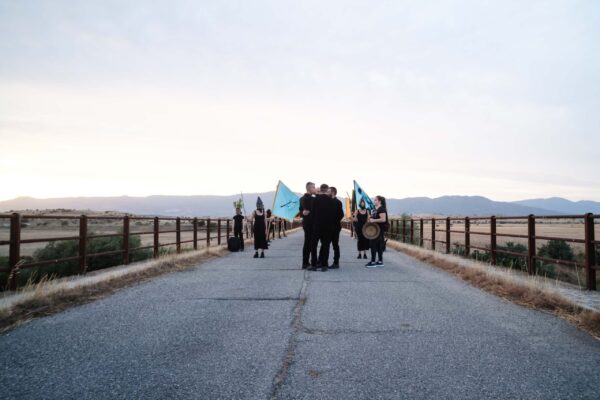
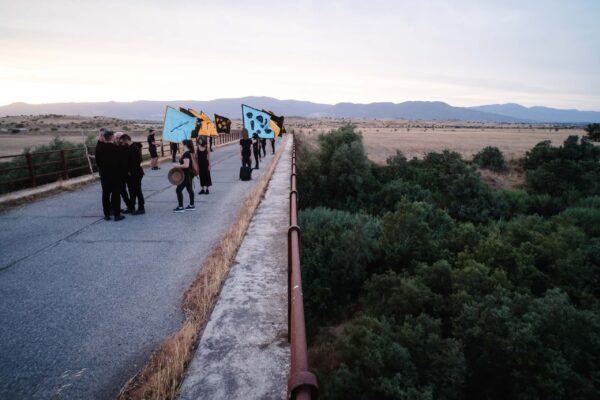
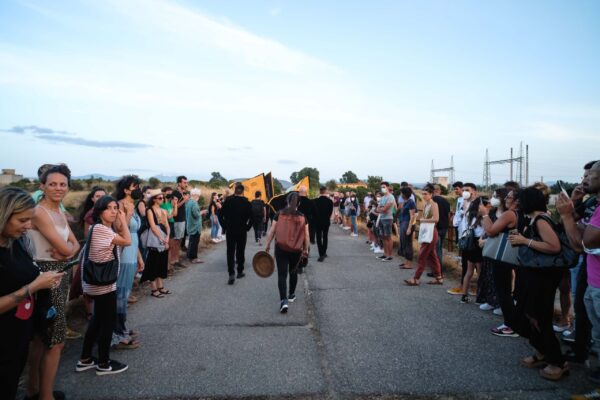
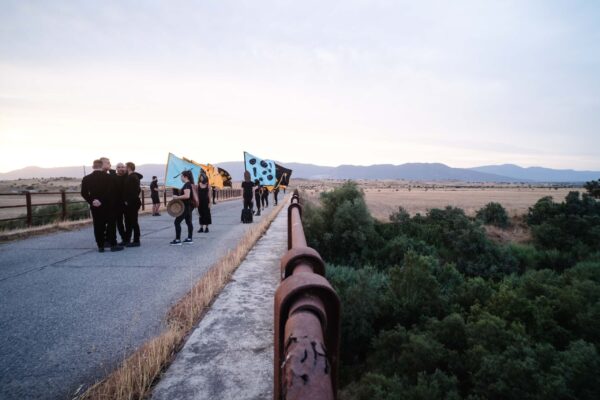
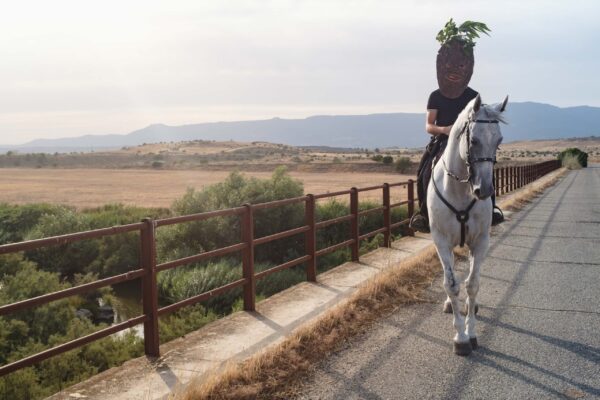

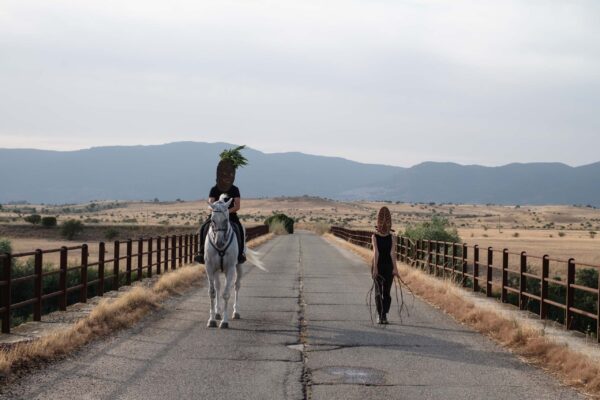
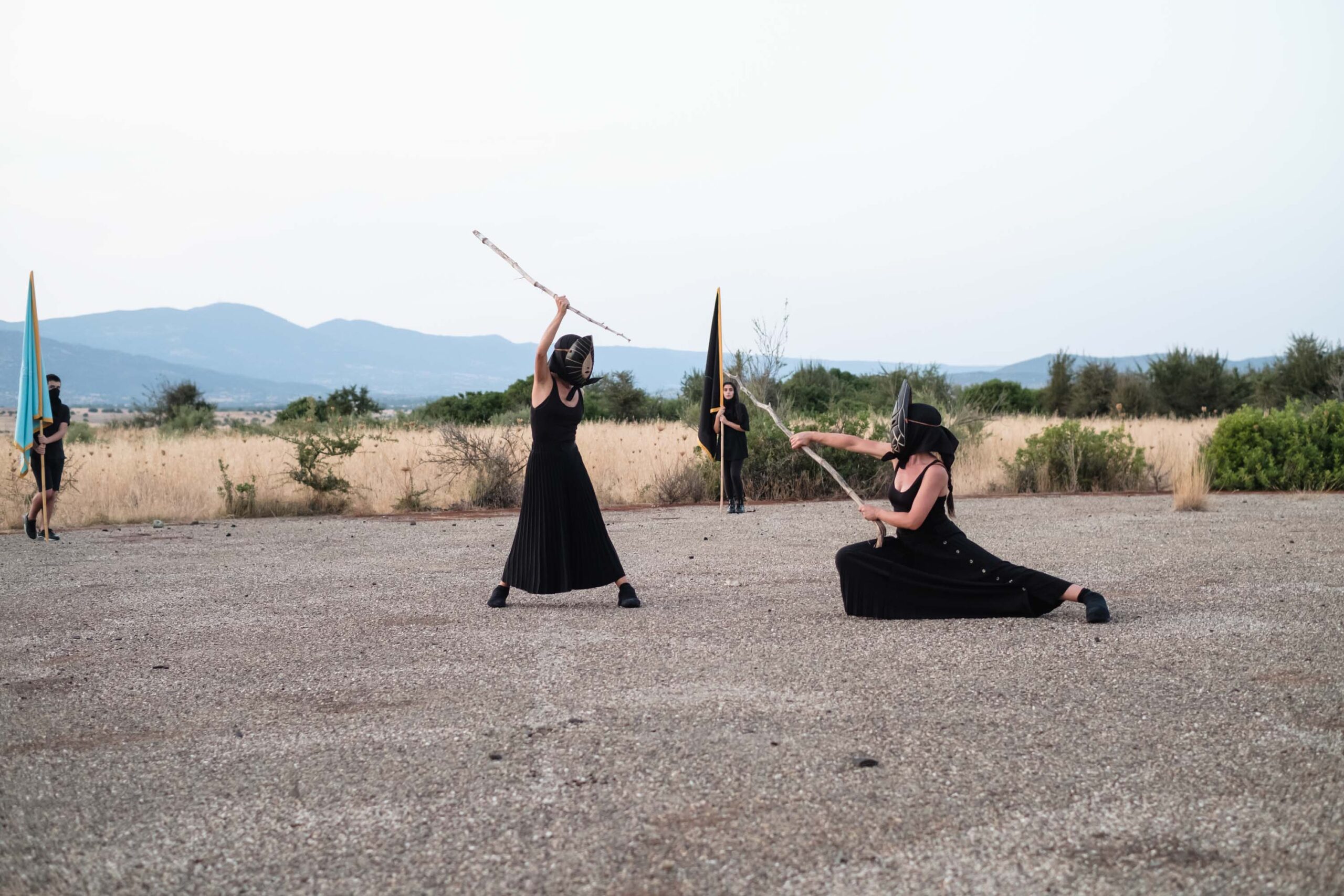
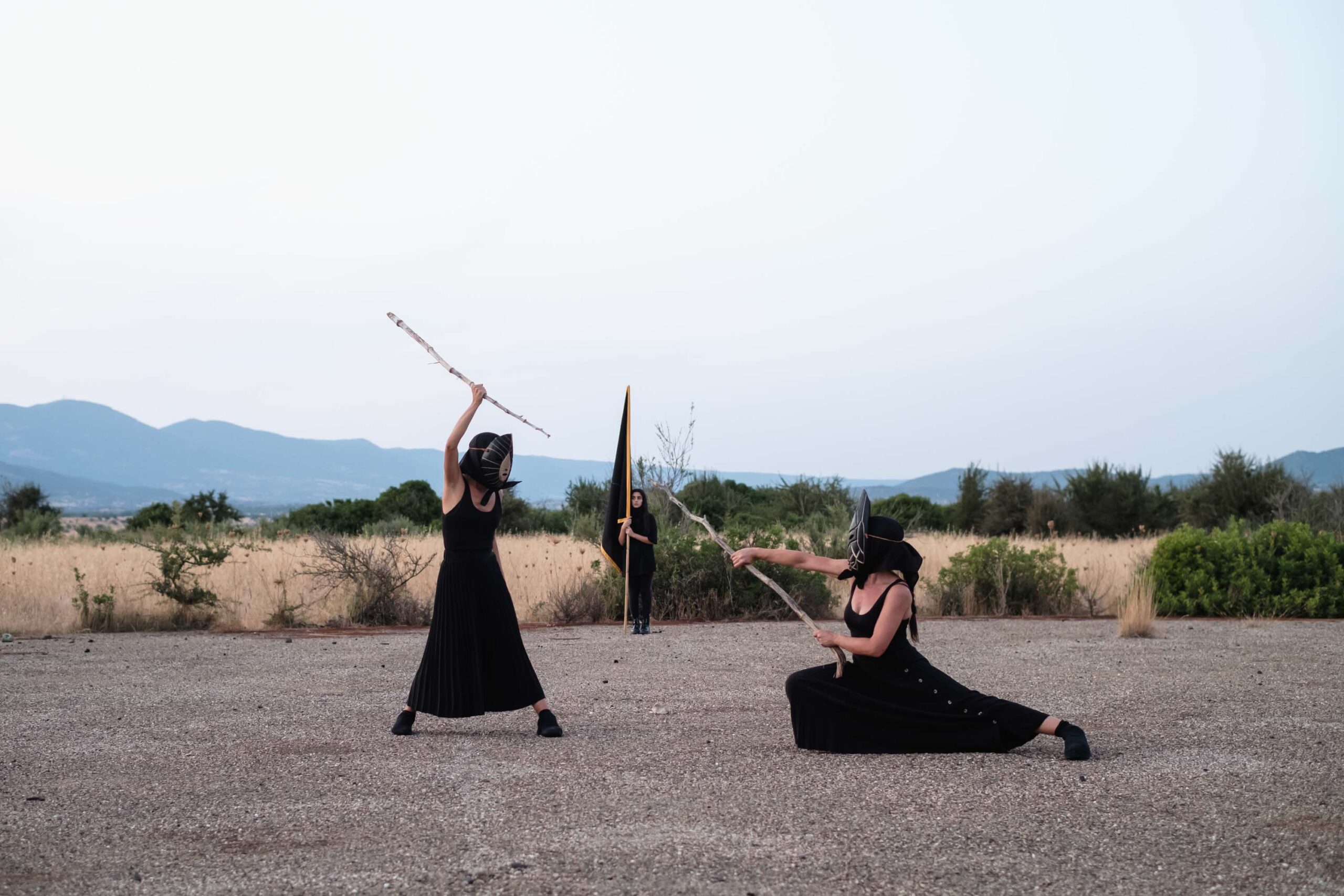
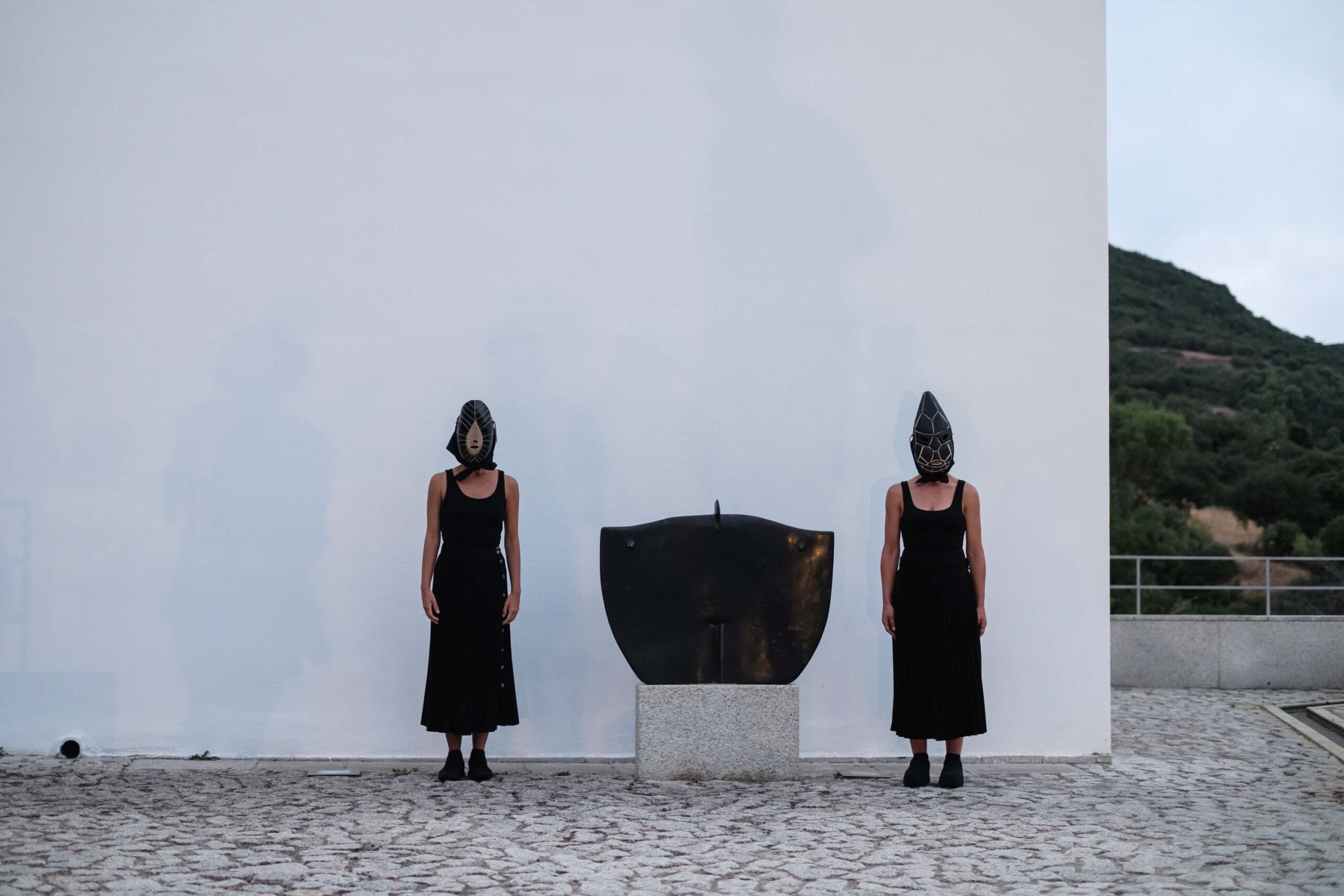
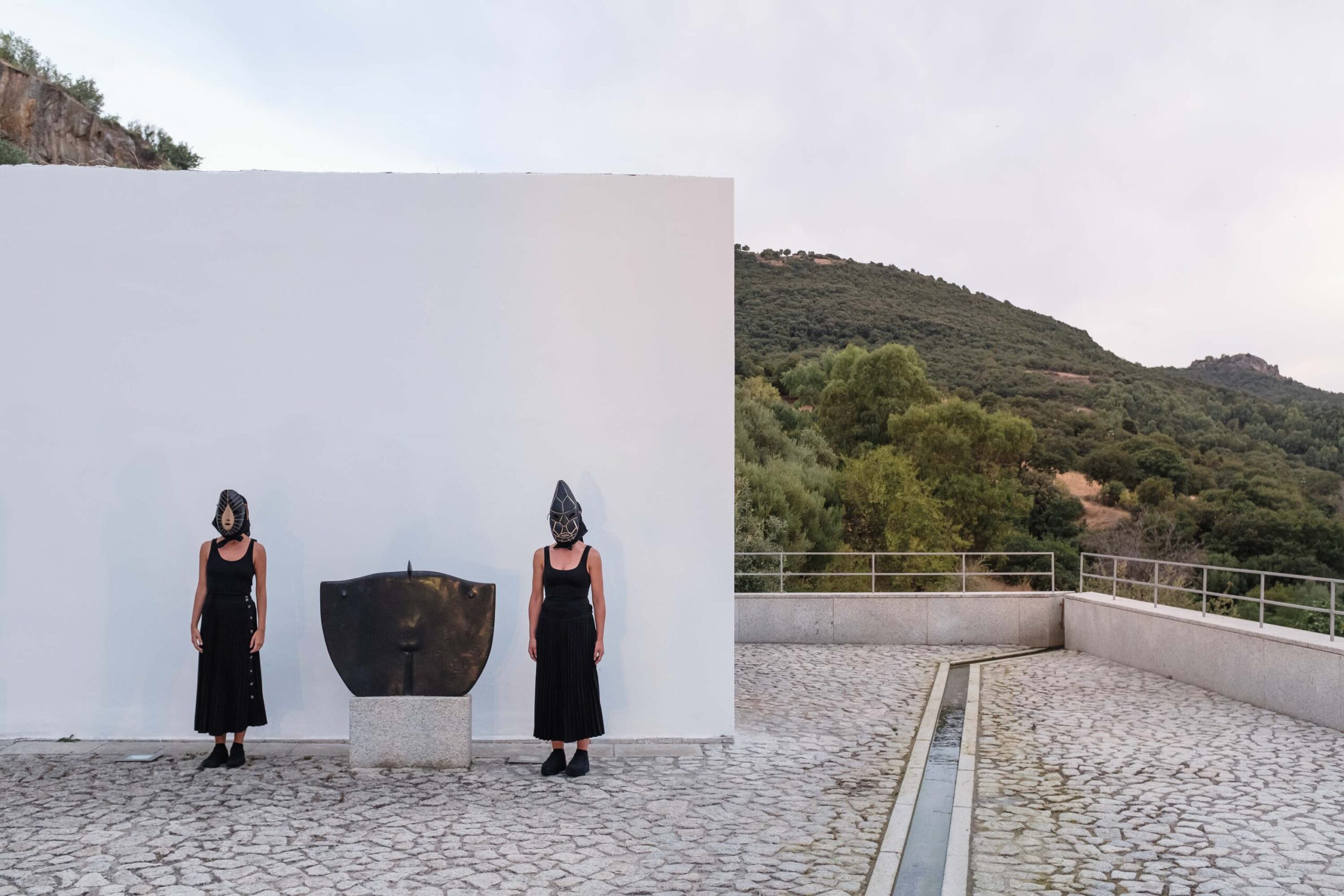
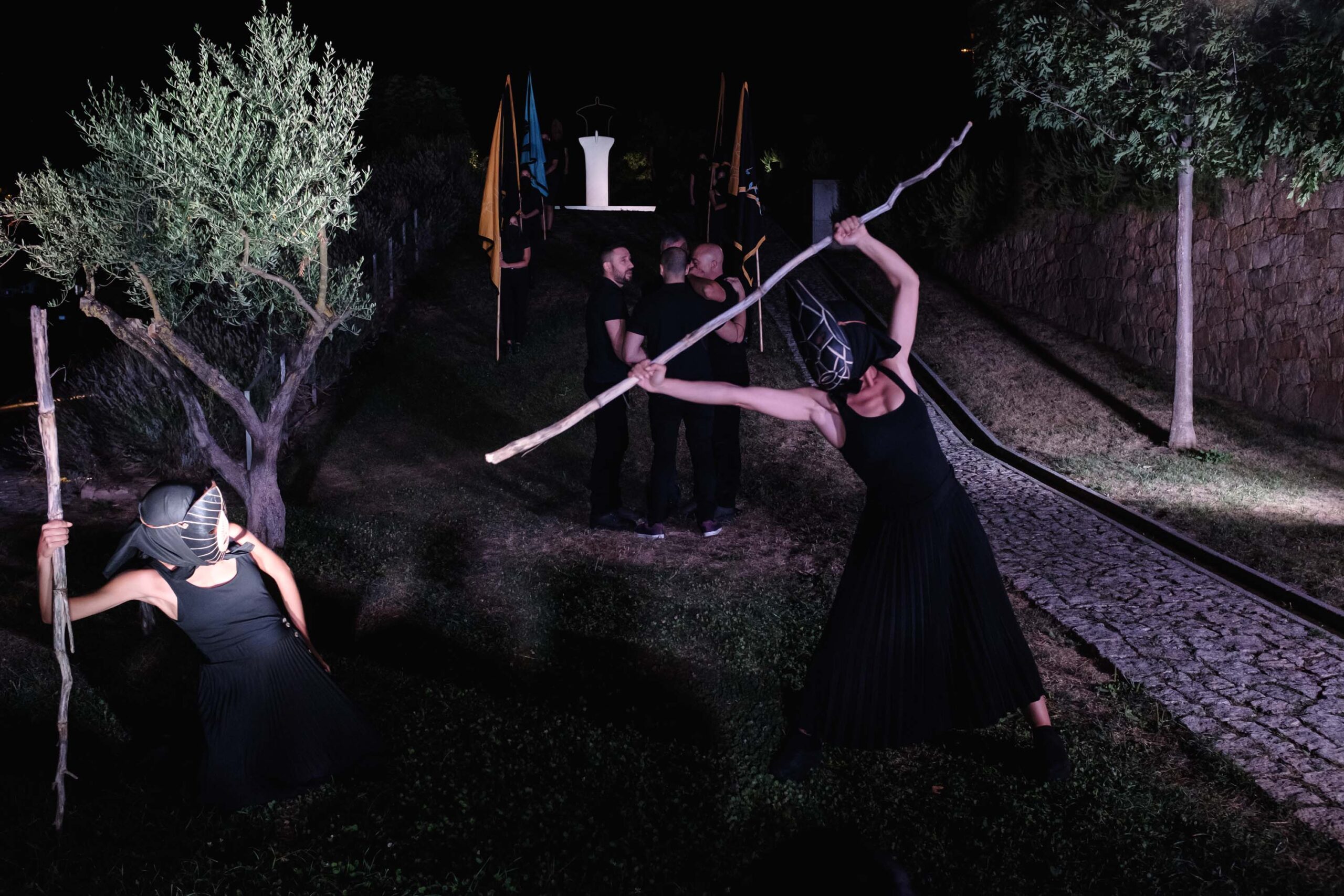
FIGHT AT MUSEO NIVOLA

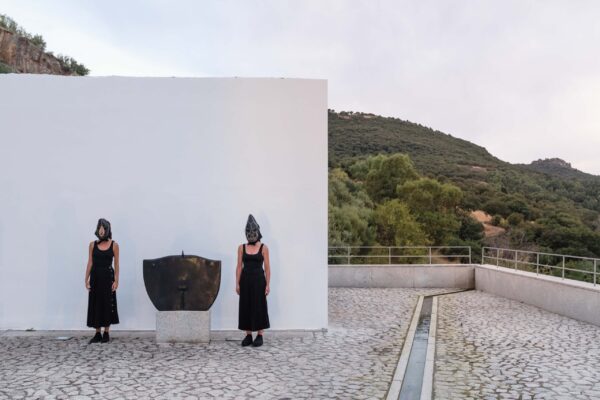
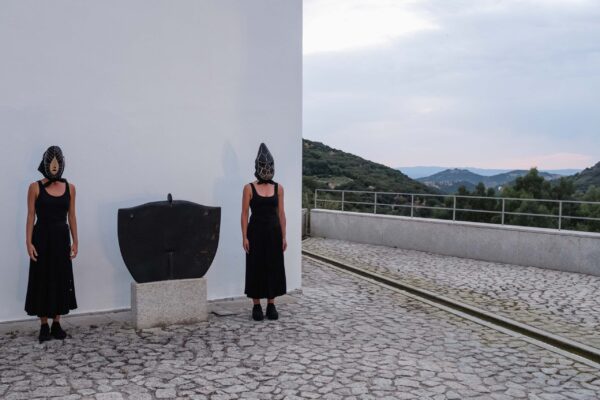
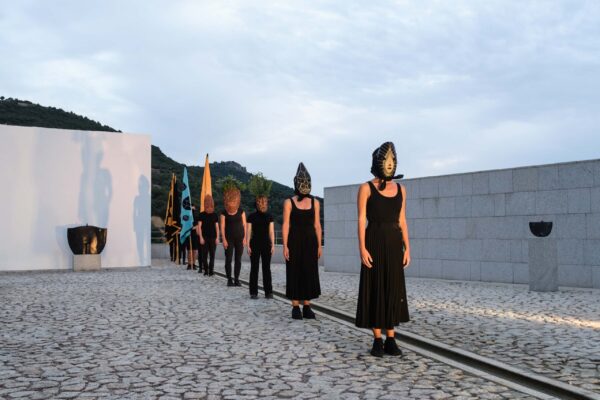
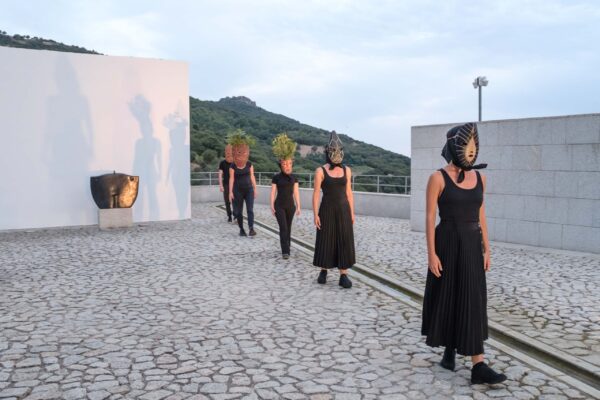
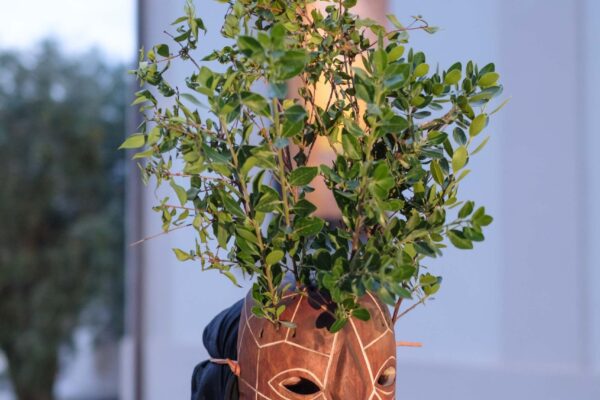
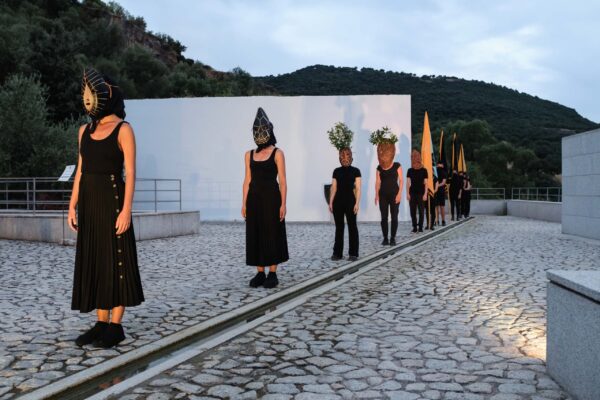
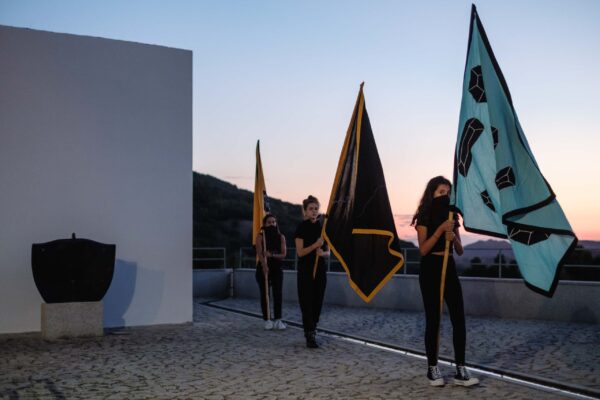
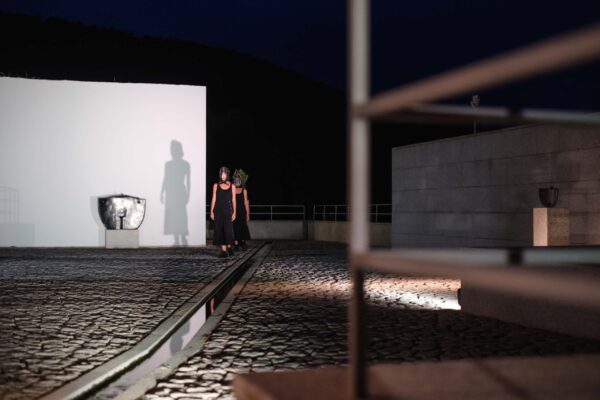
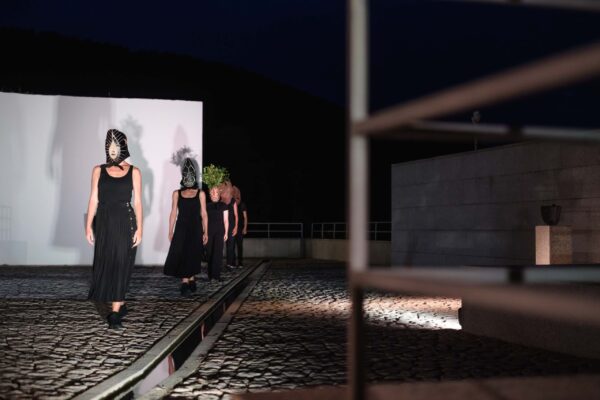
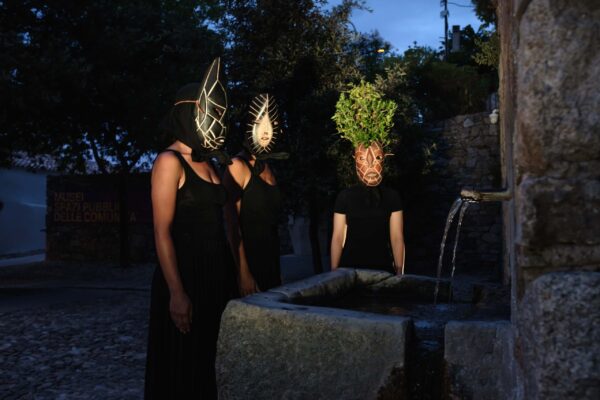
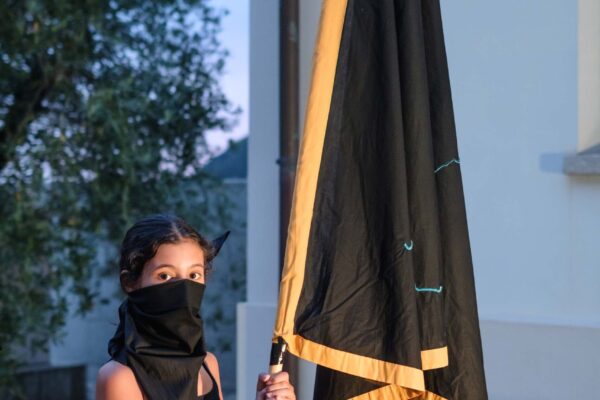
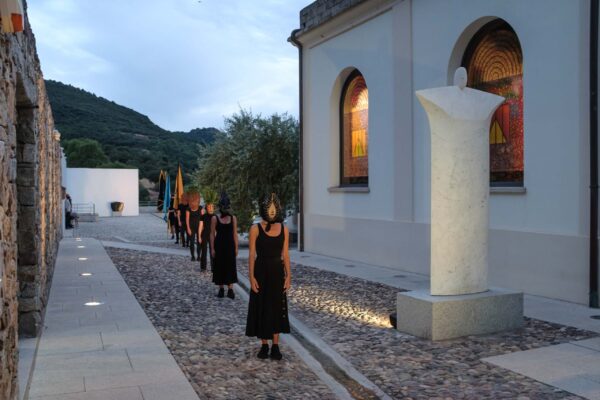
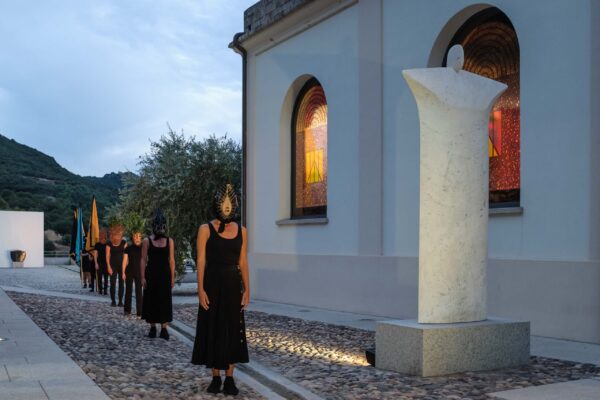
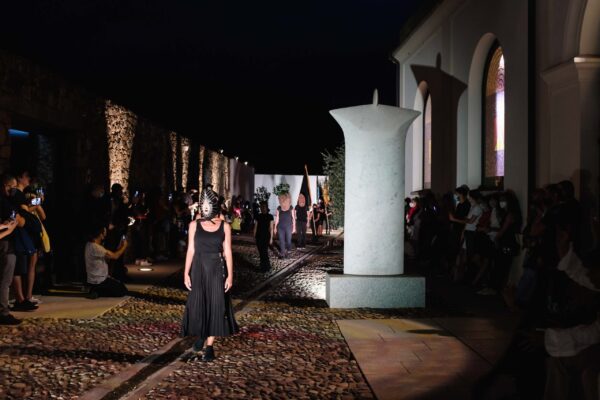
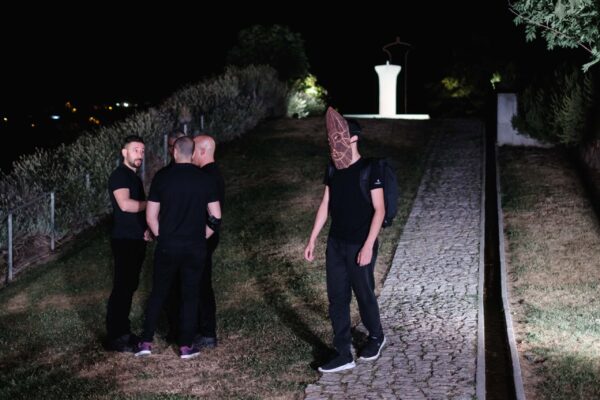
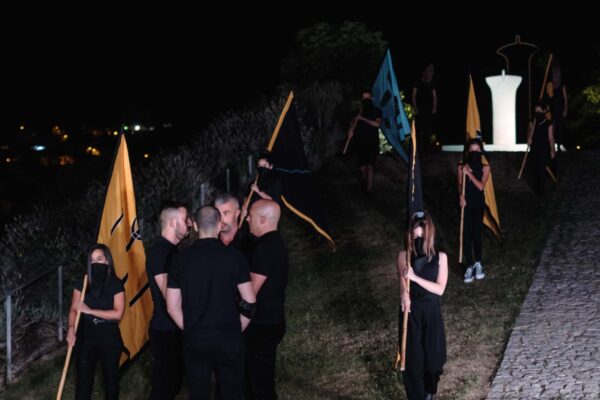
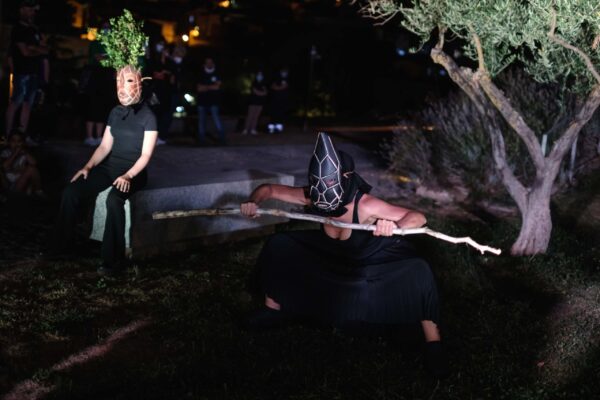
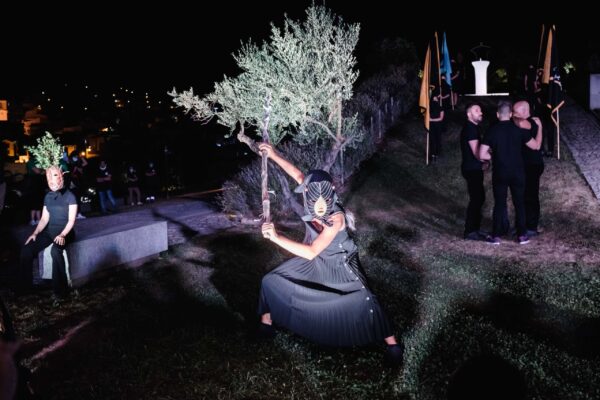
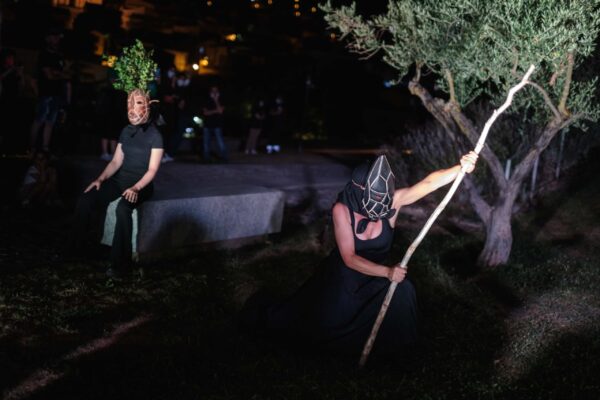
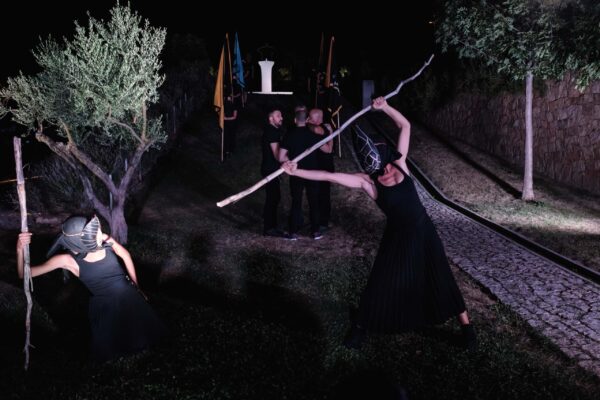
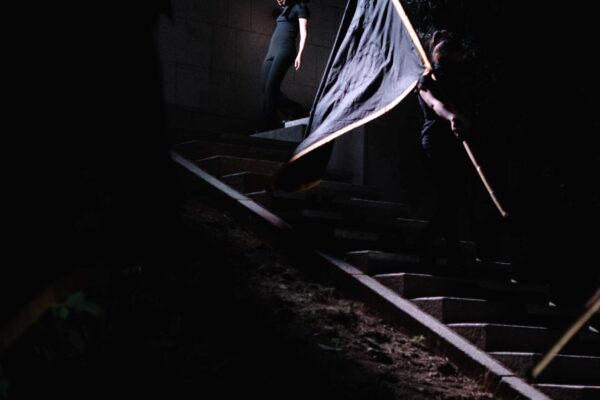
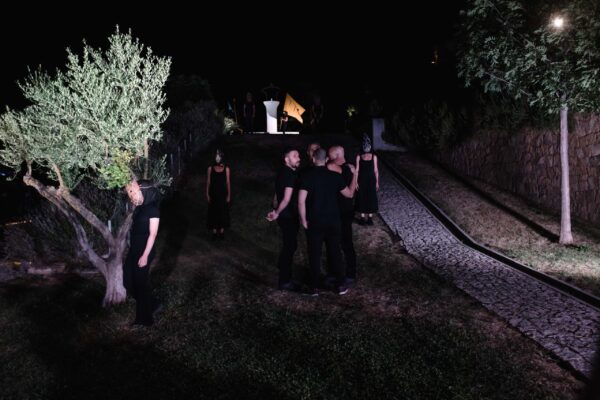
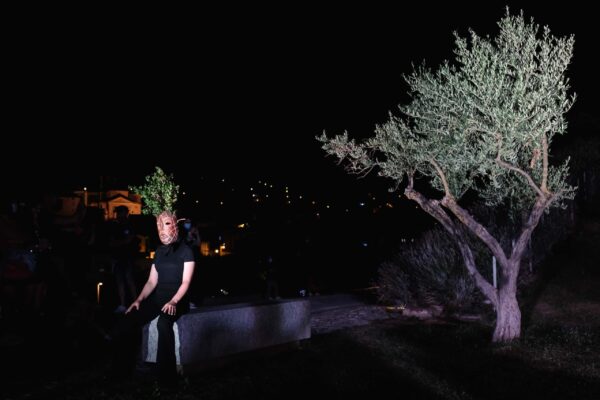
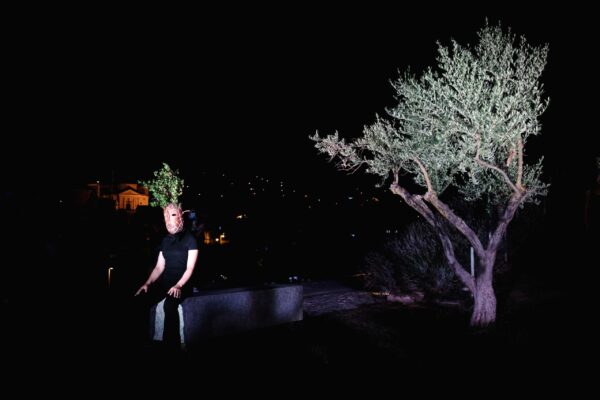
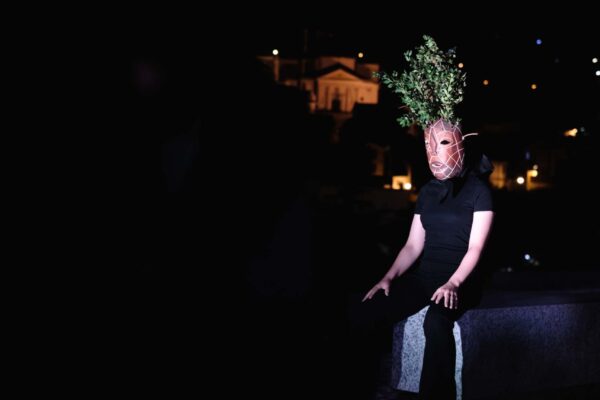
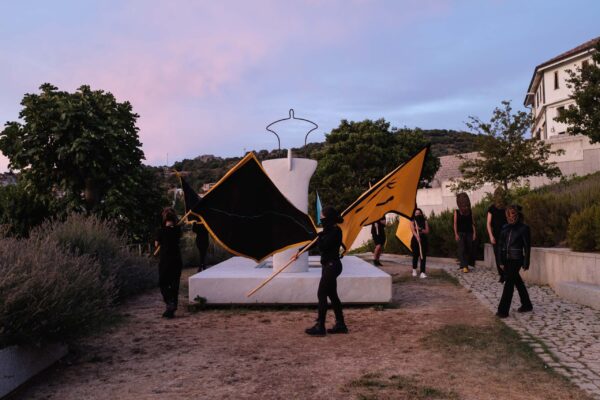
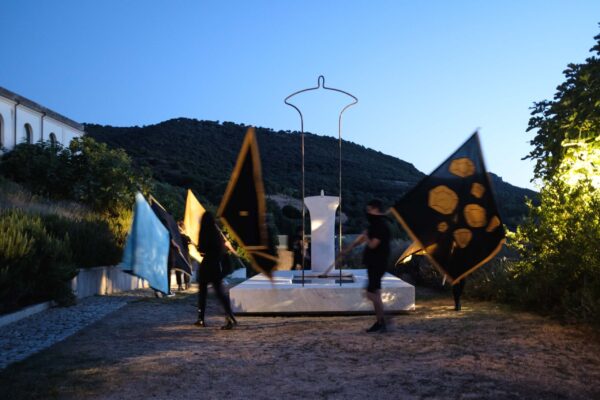
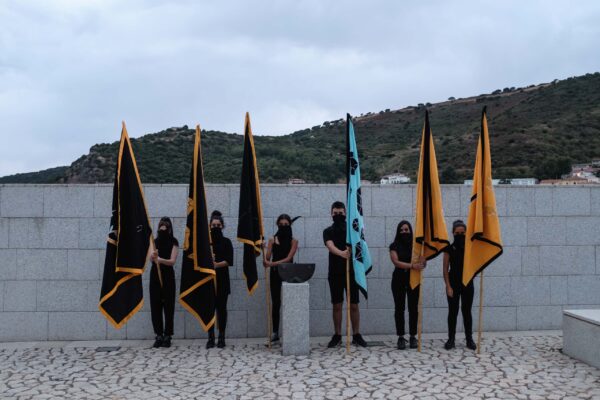
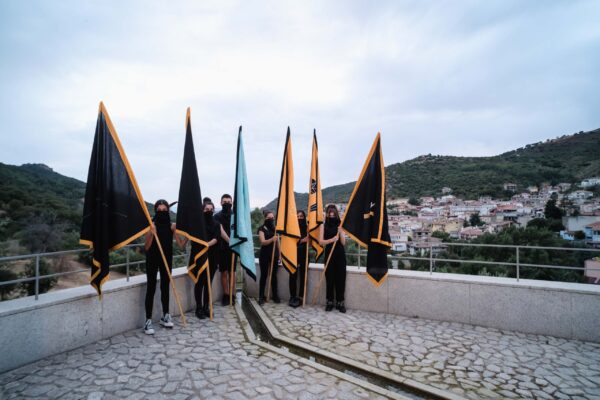
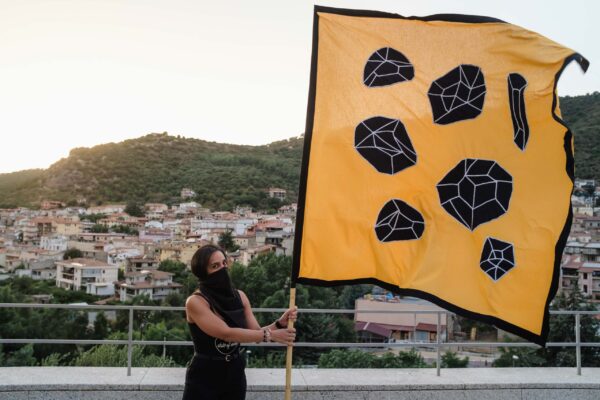
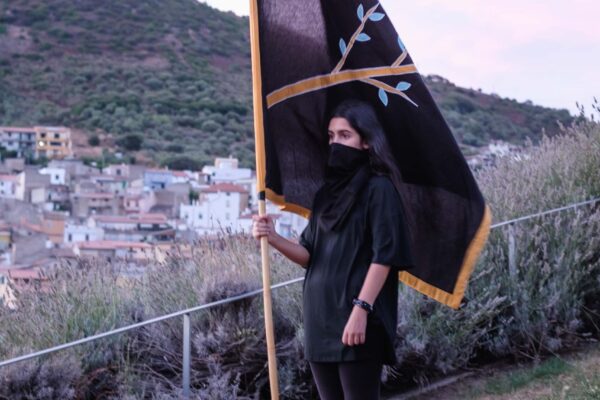
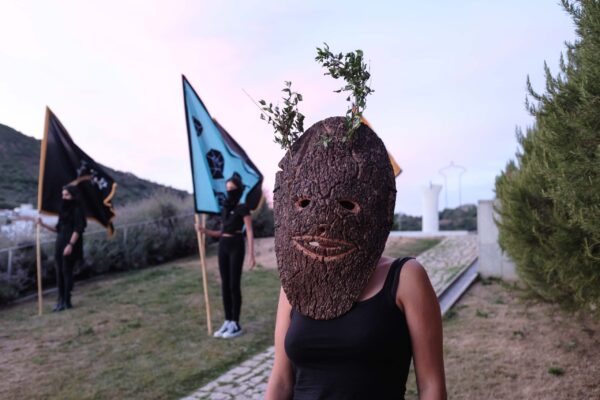
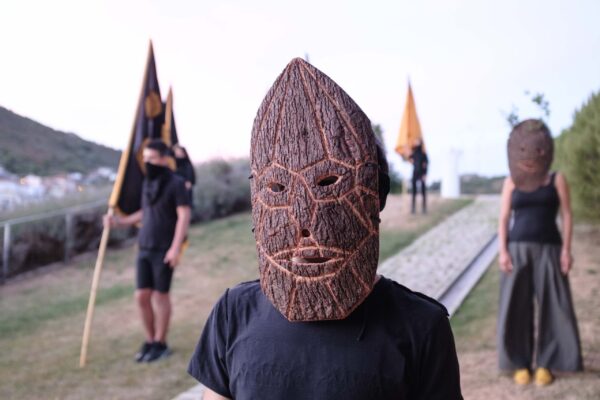

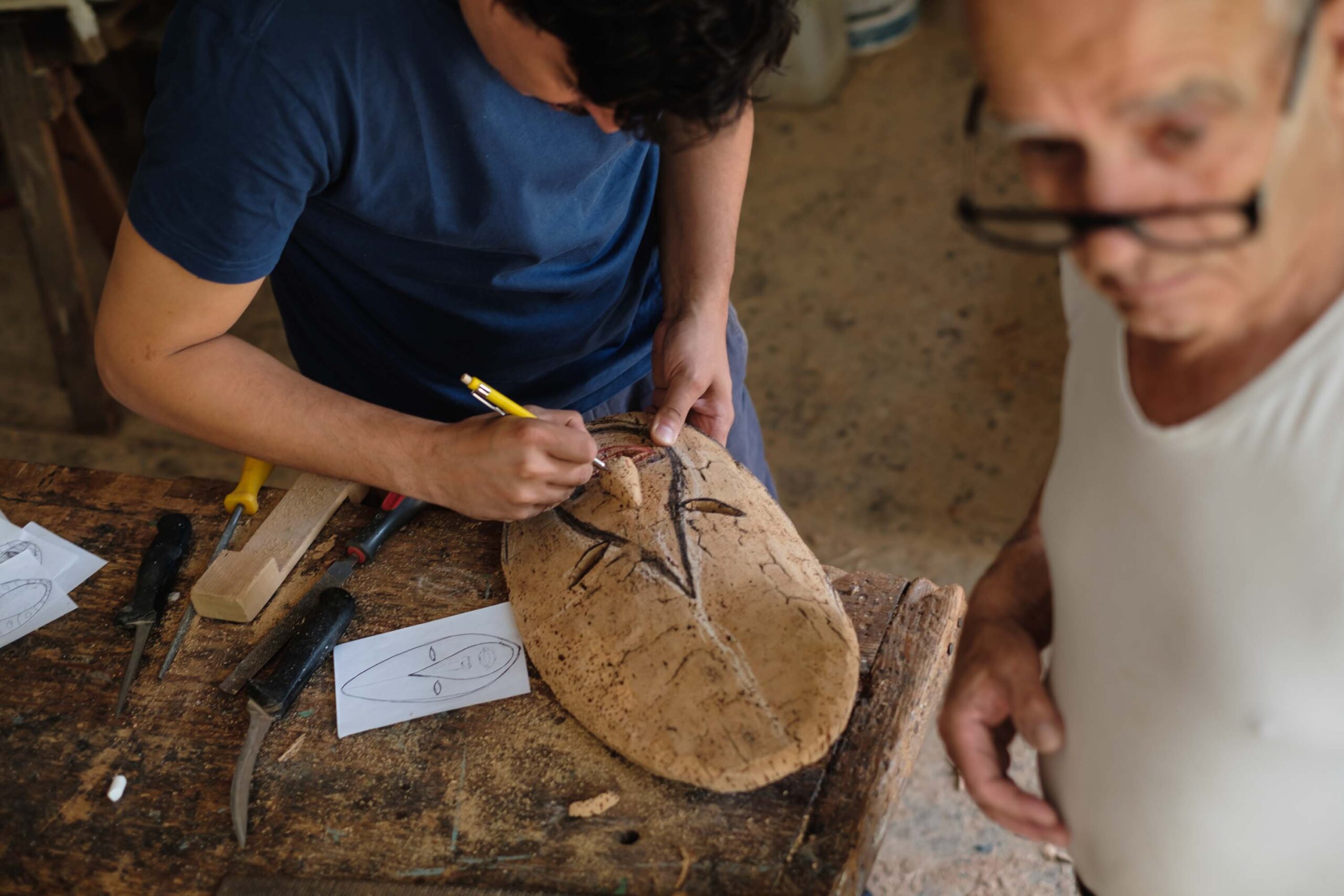
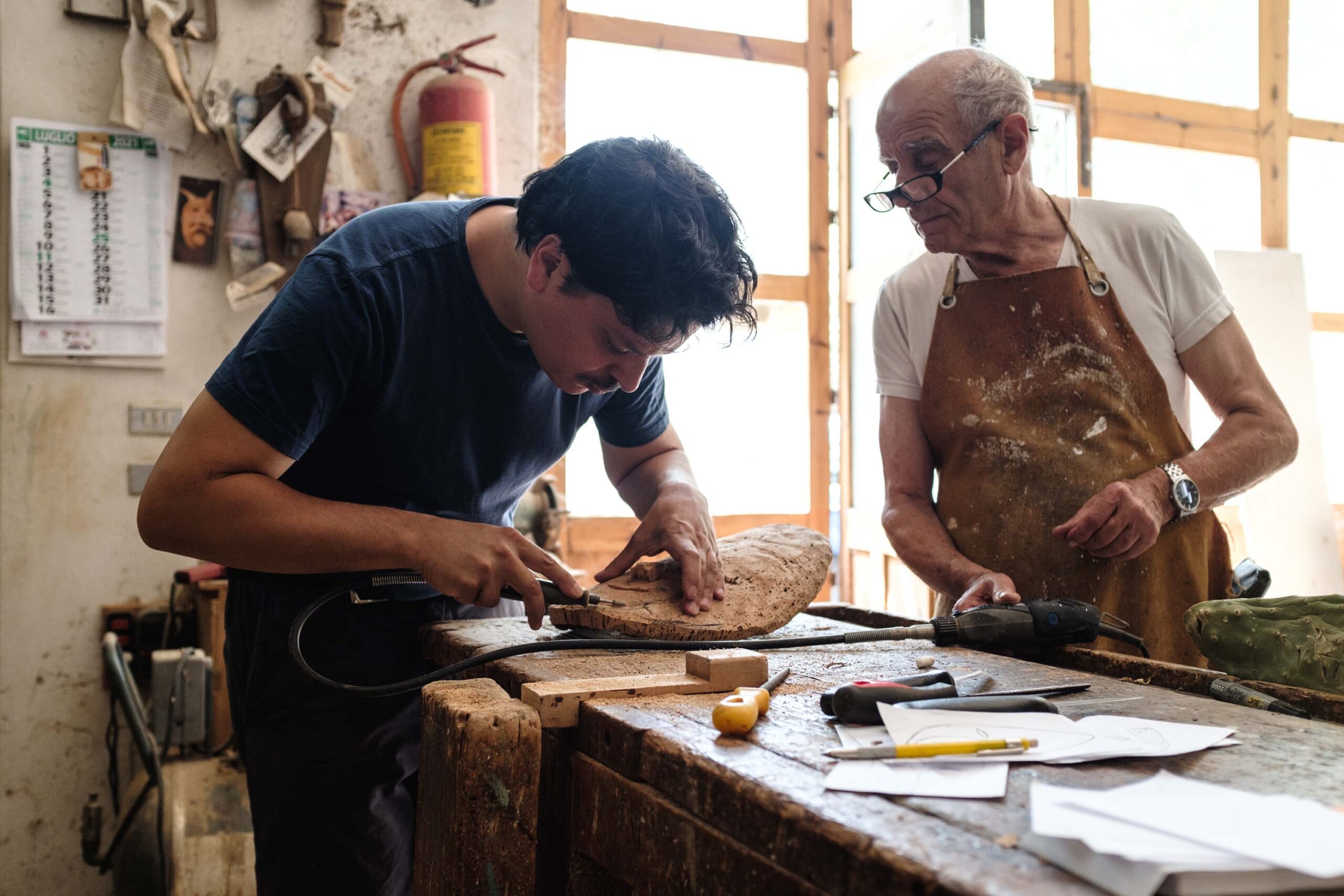
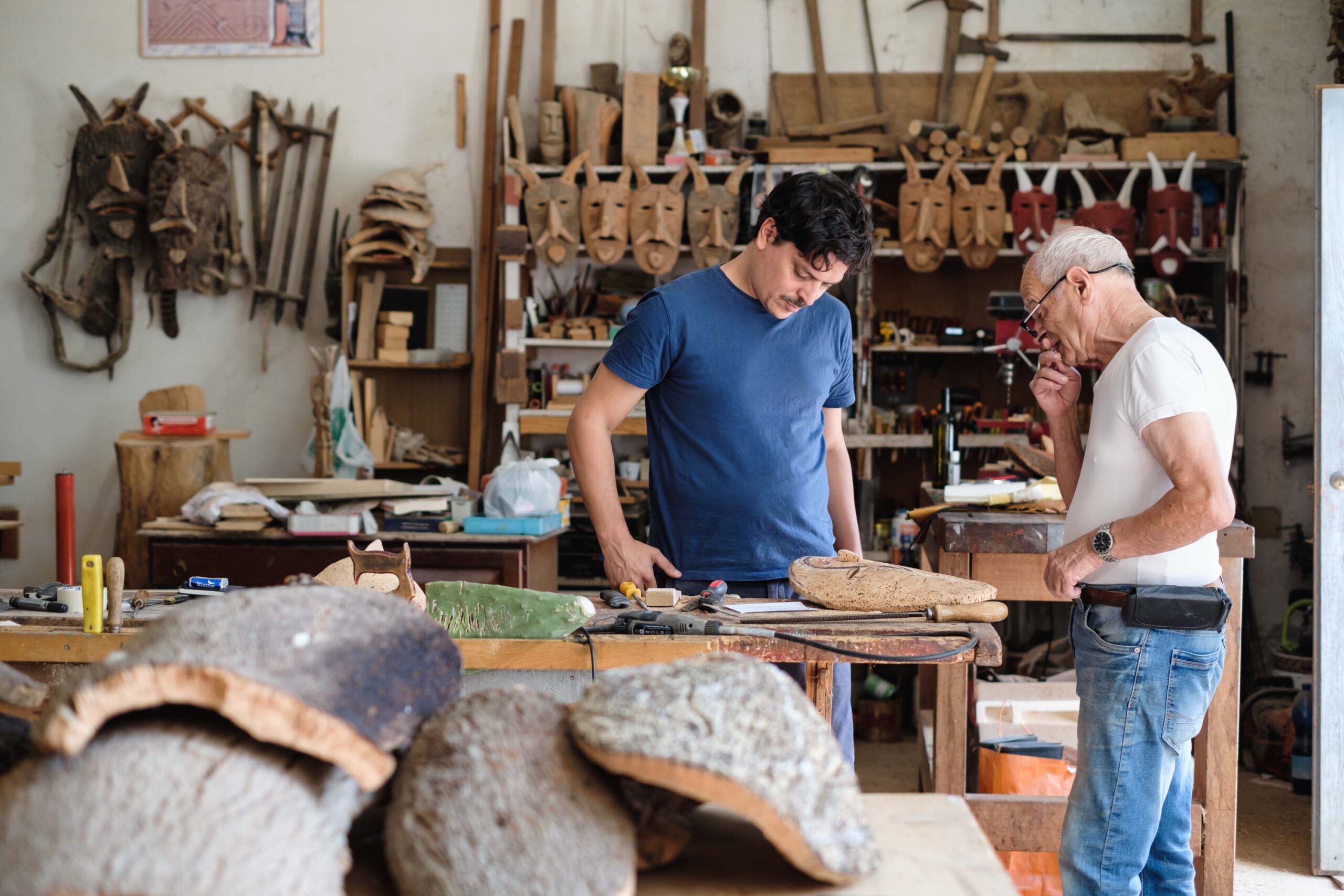
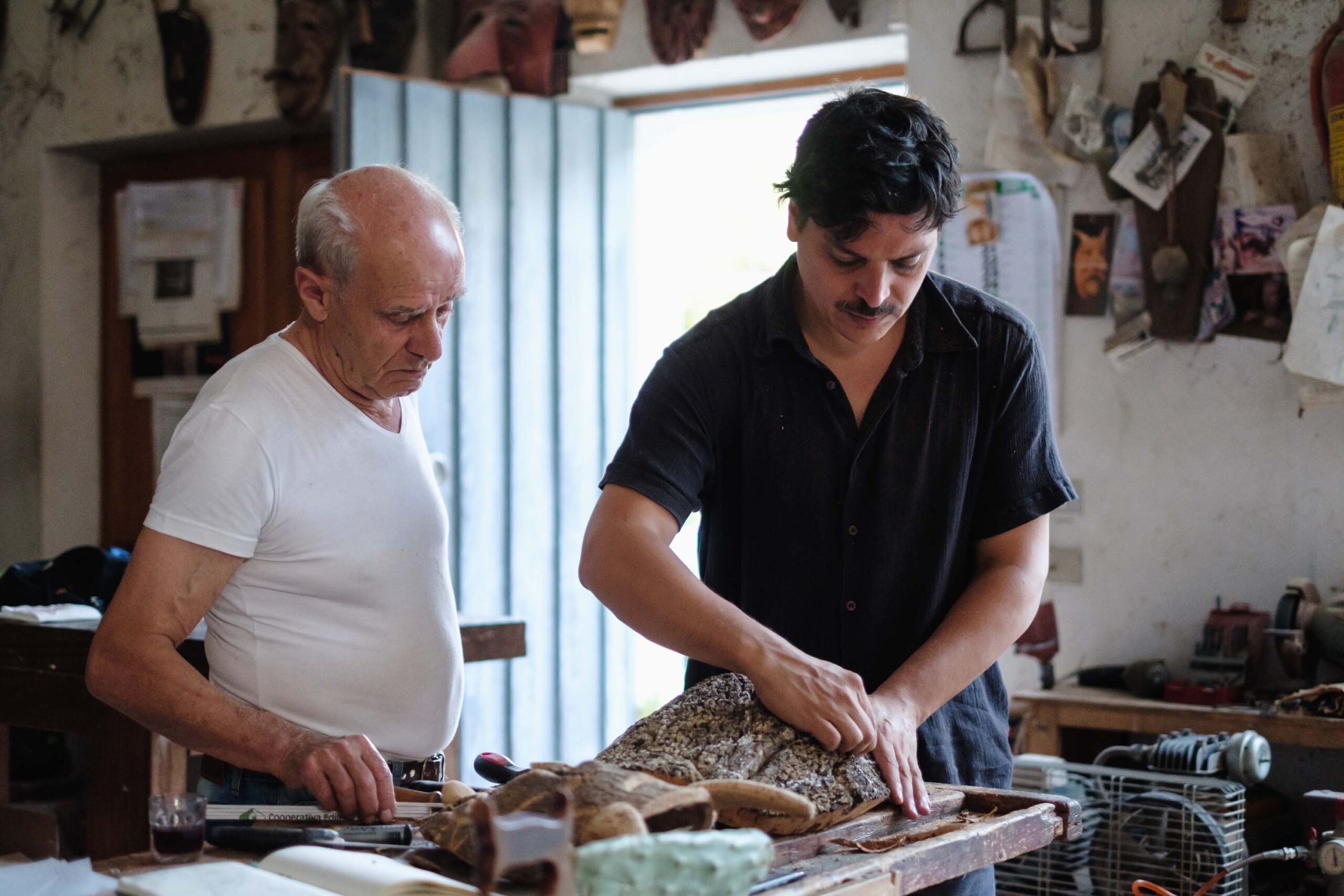
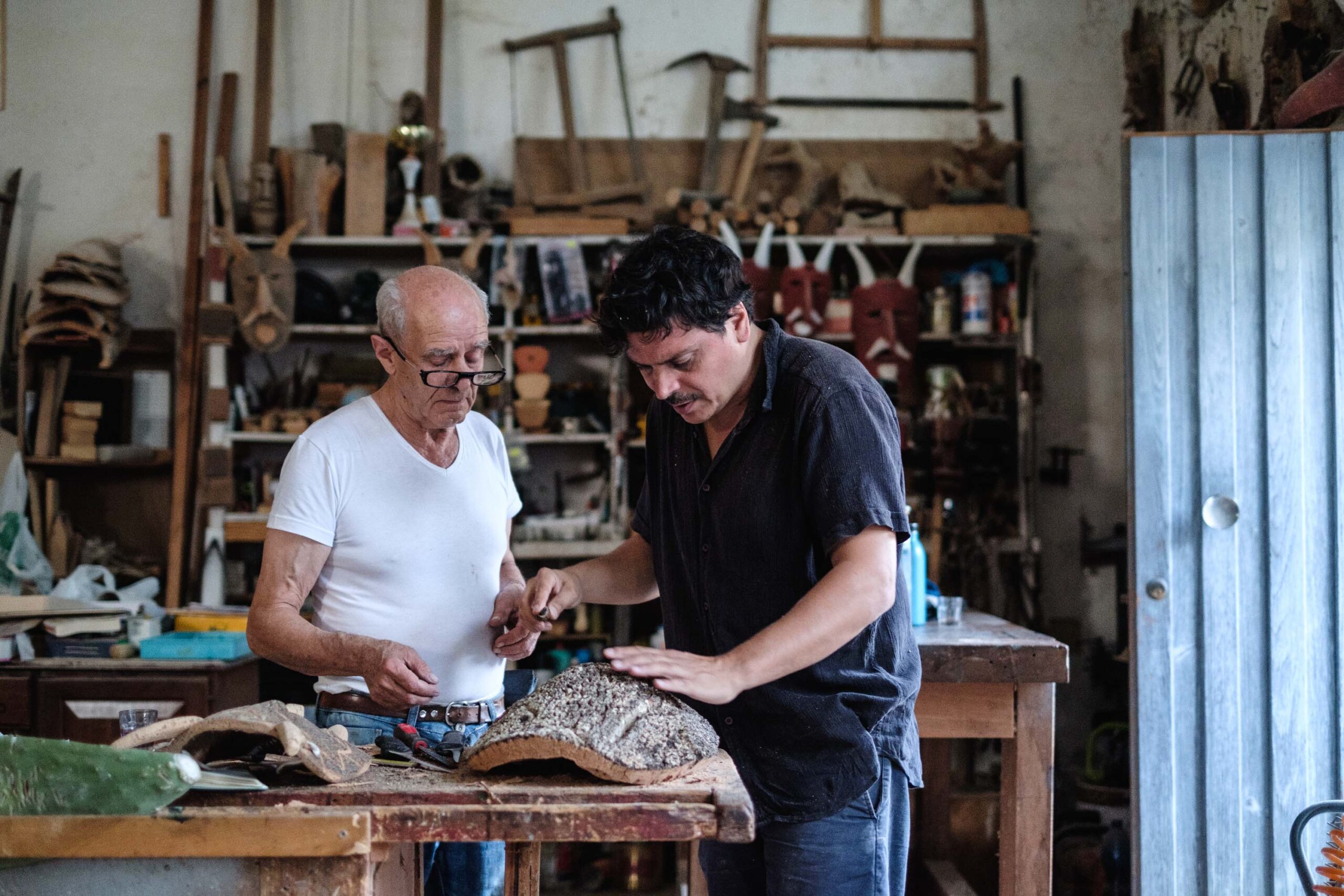
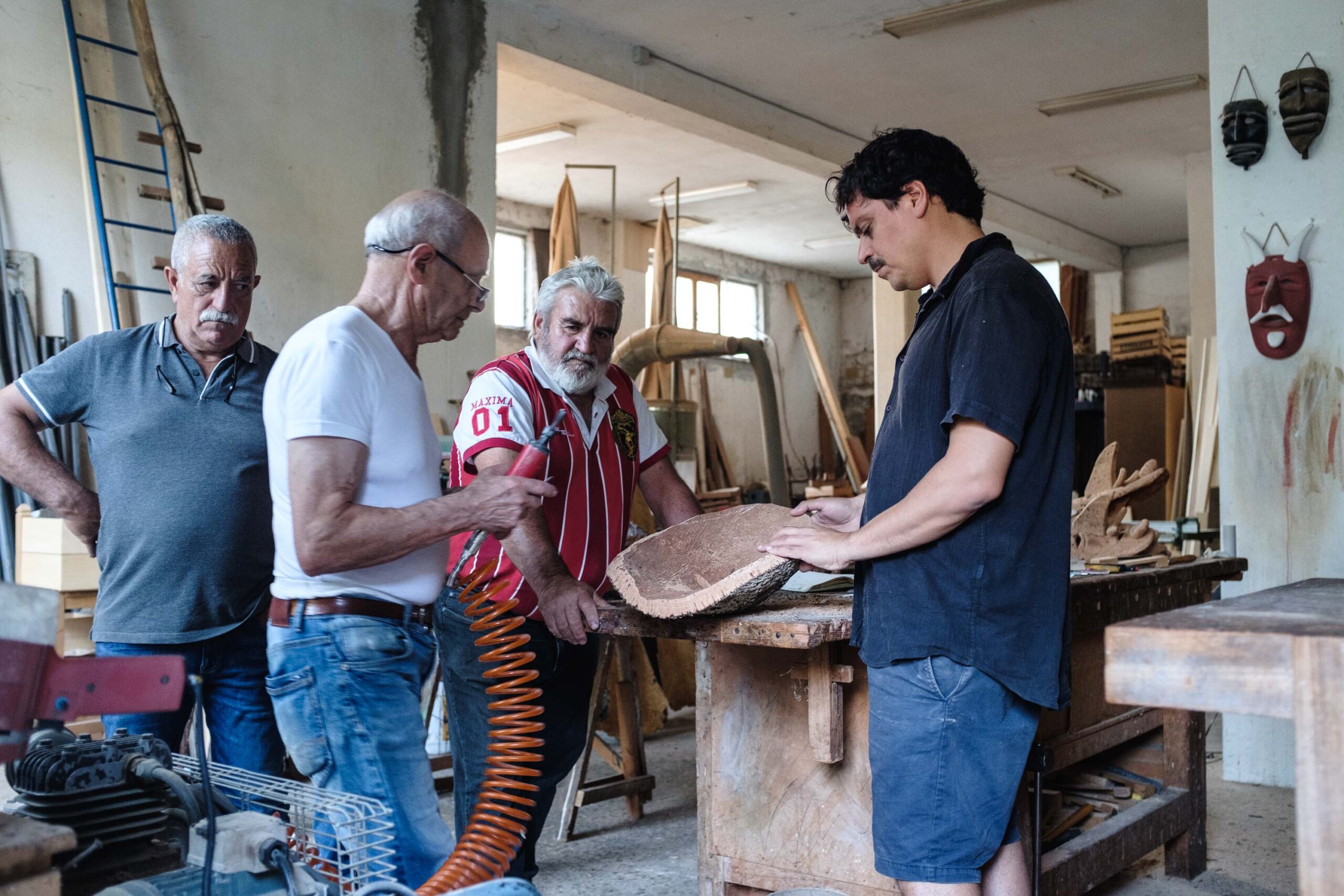
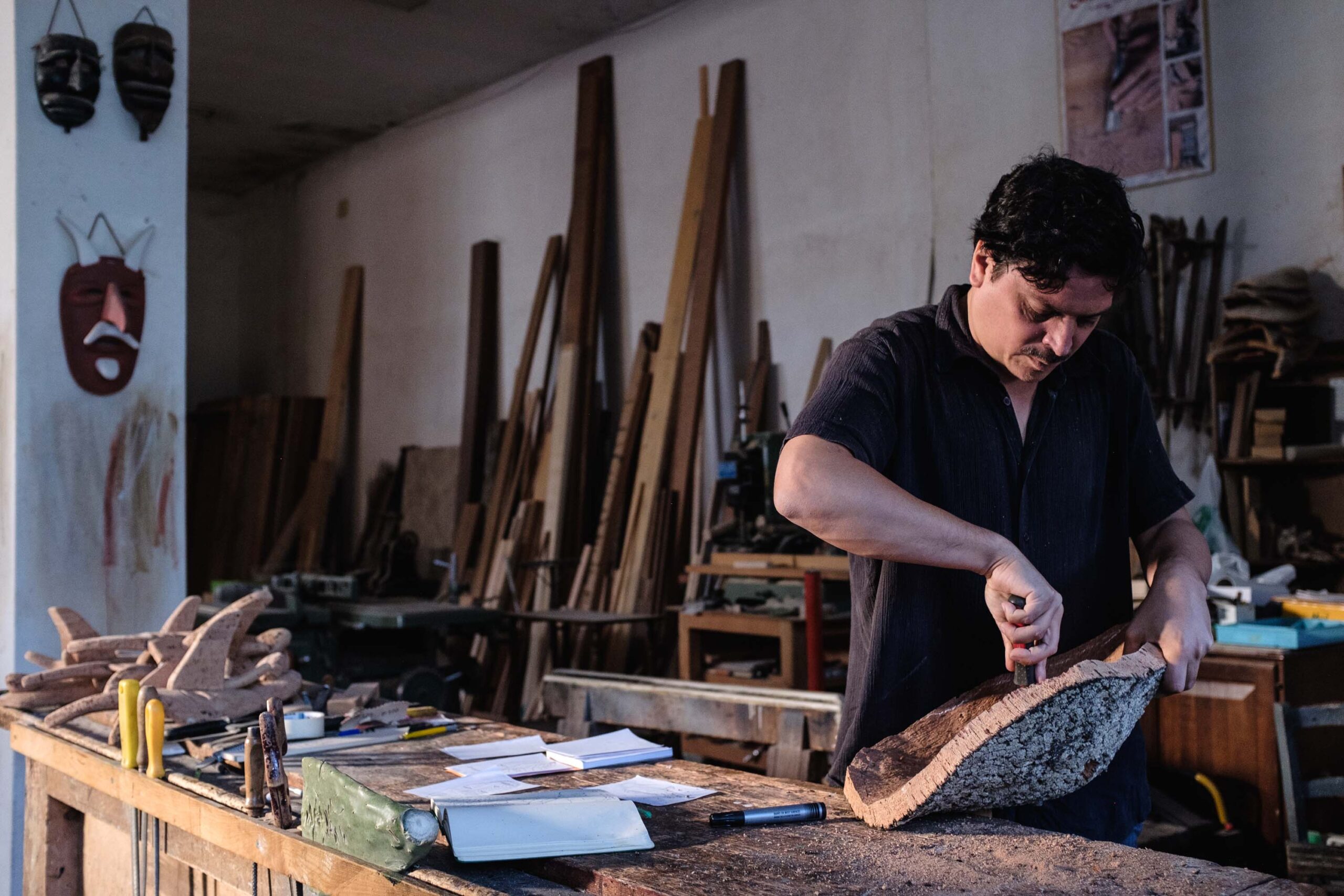
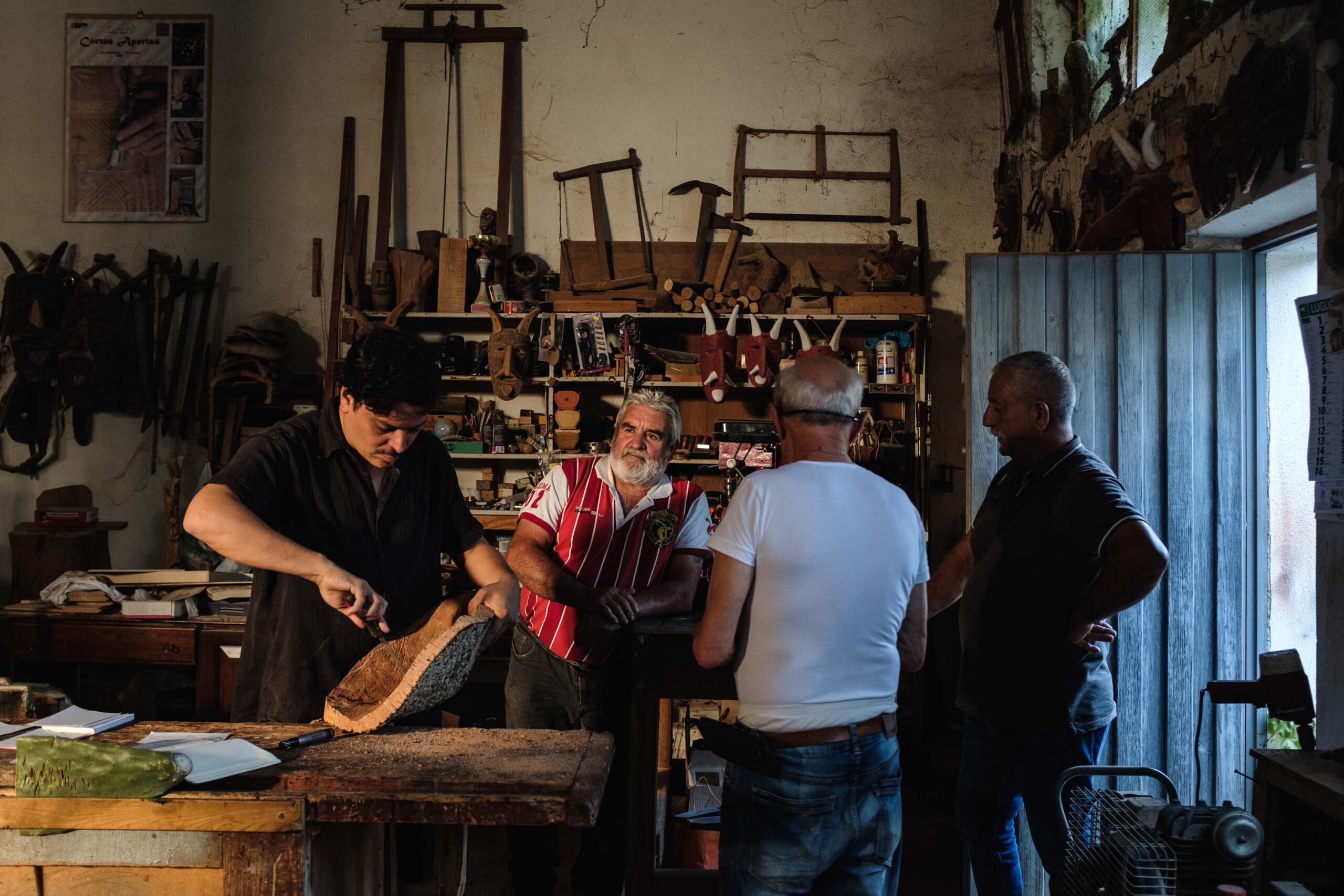
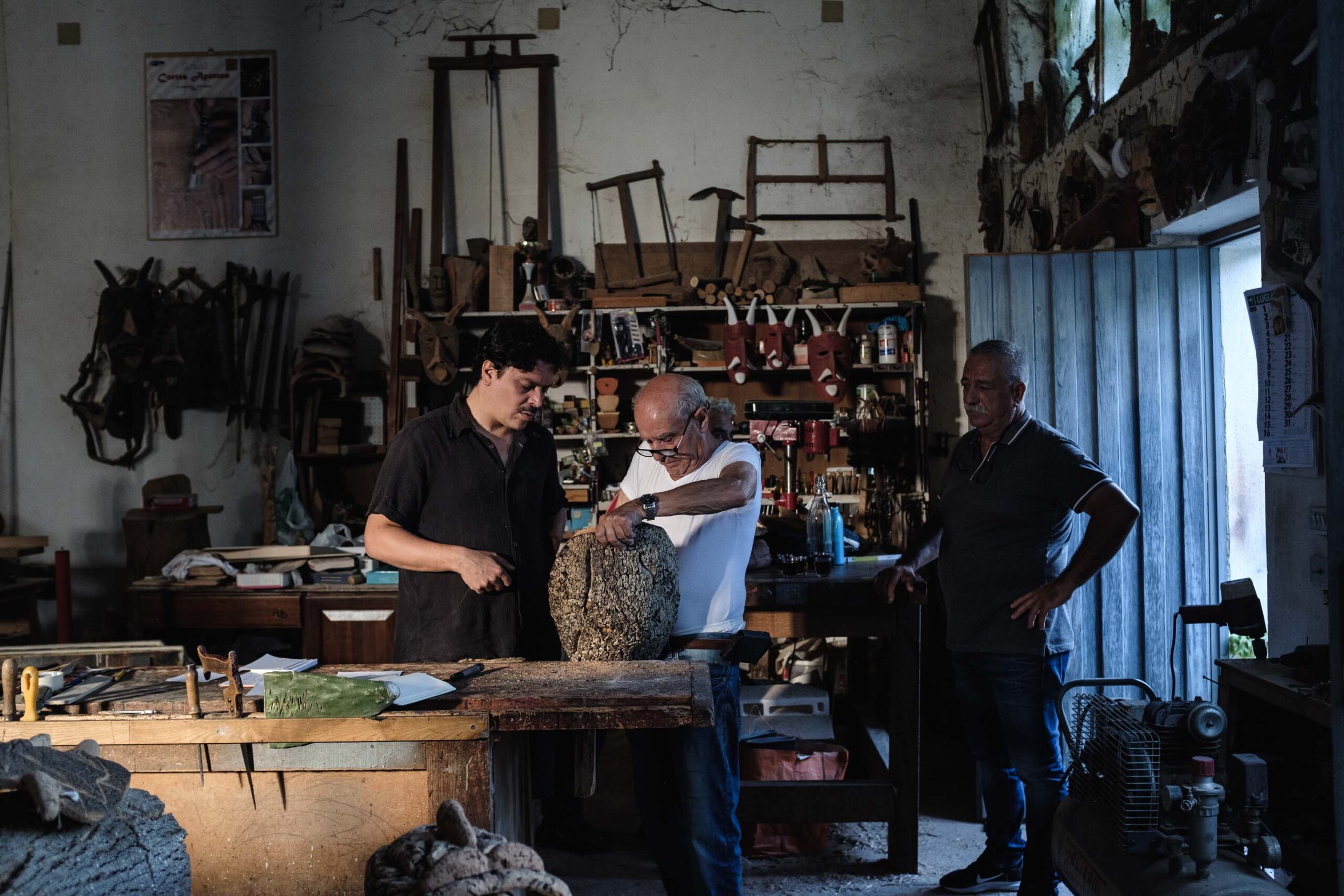
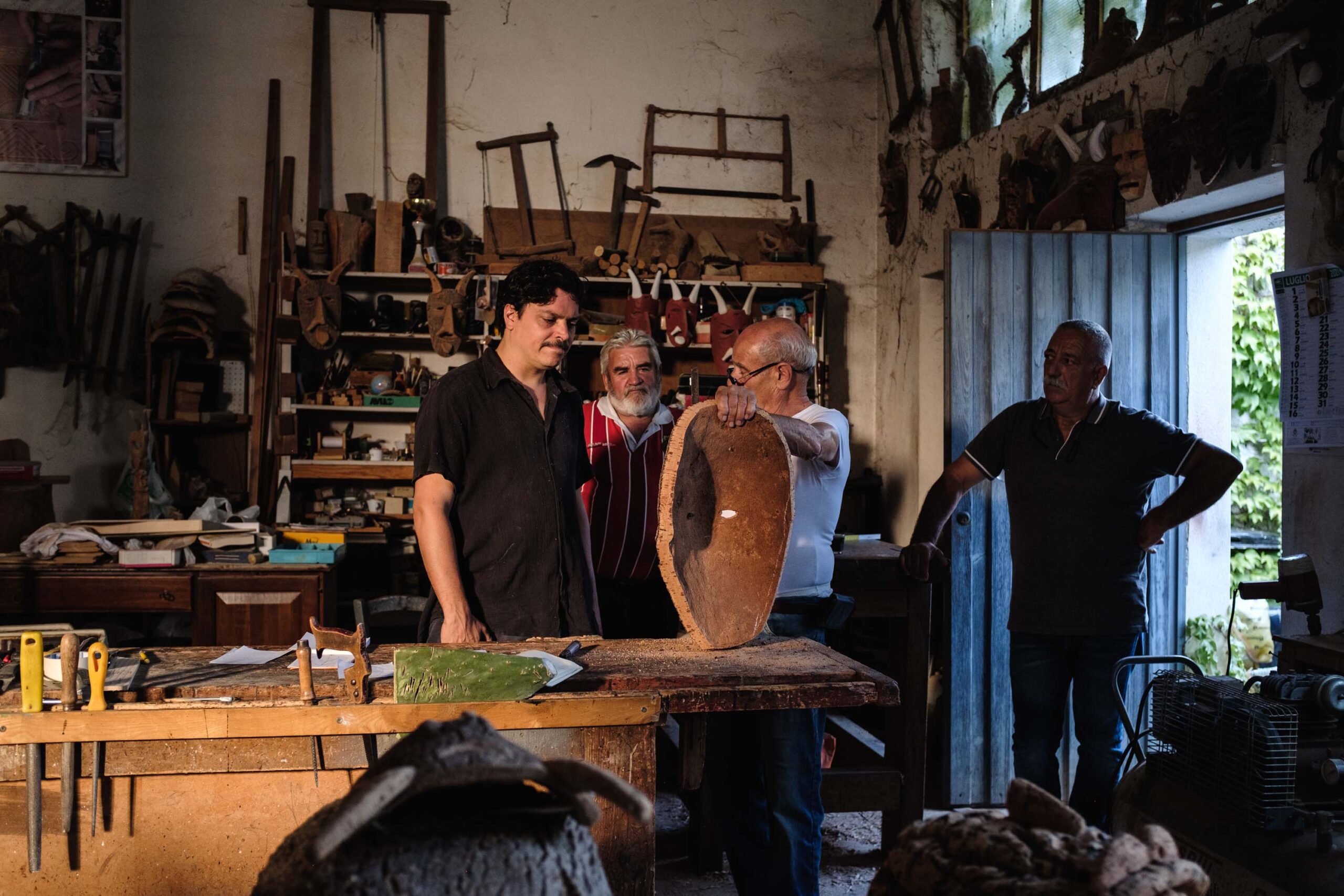
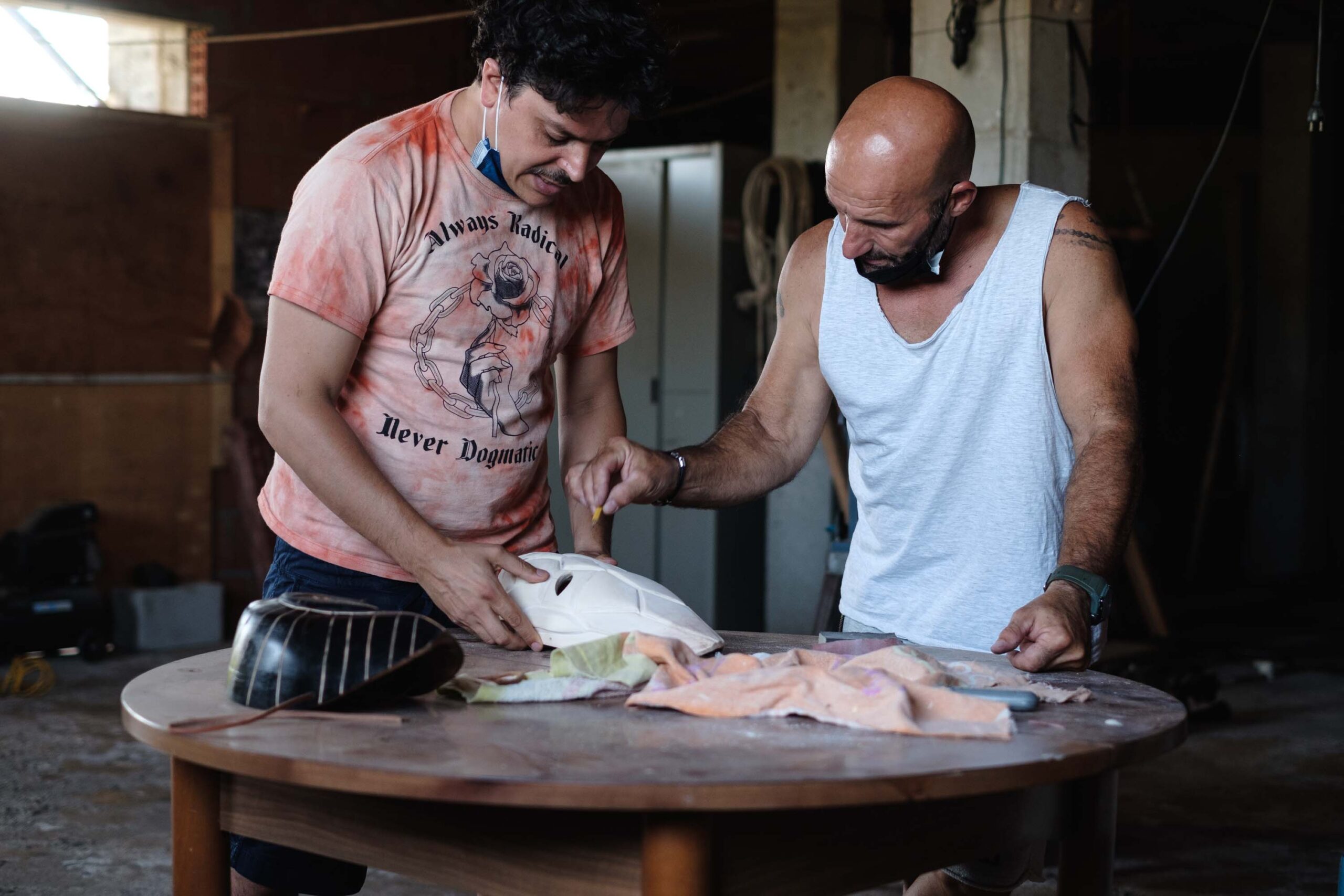
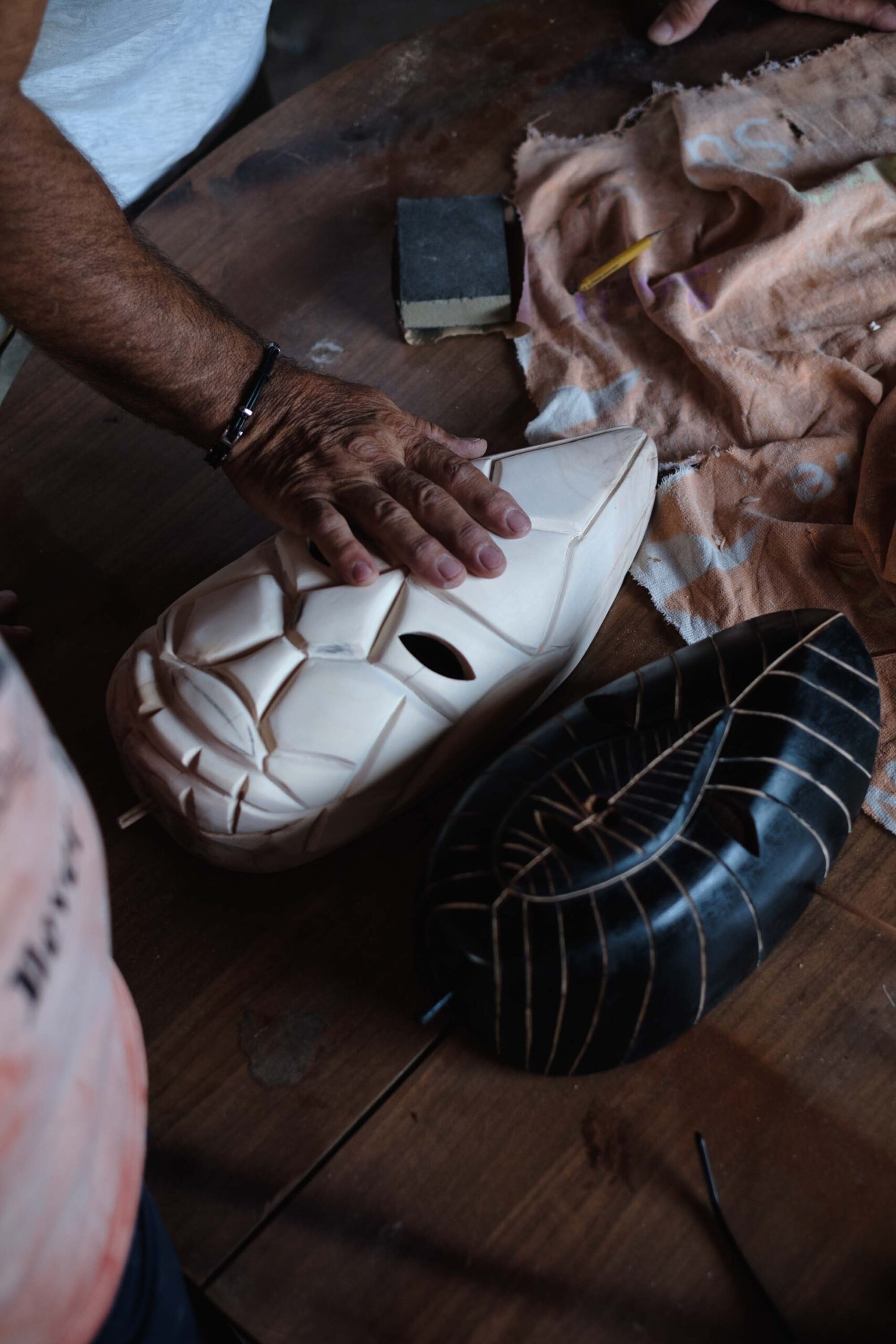
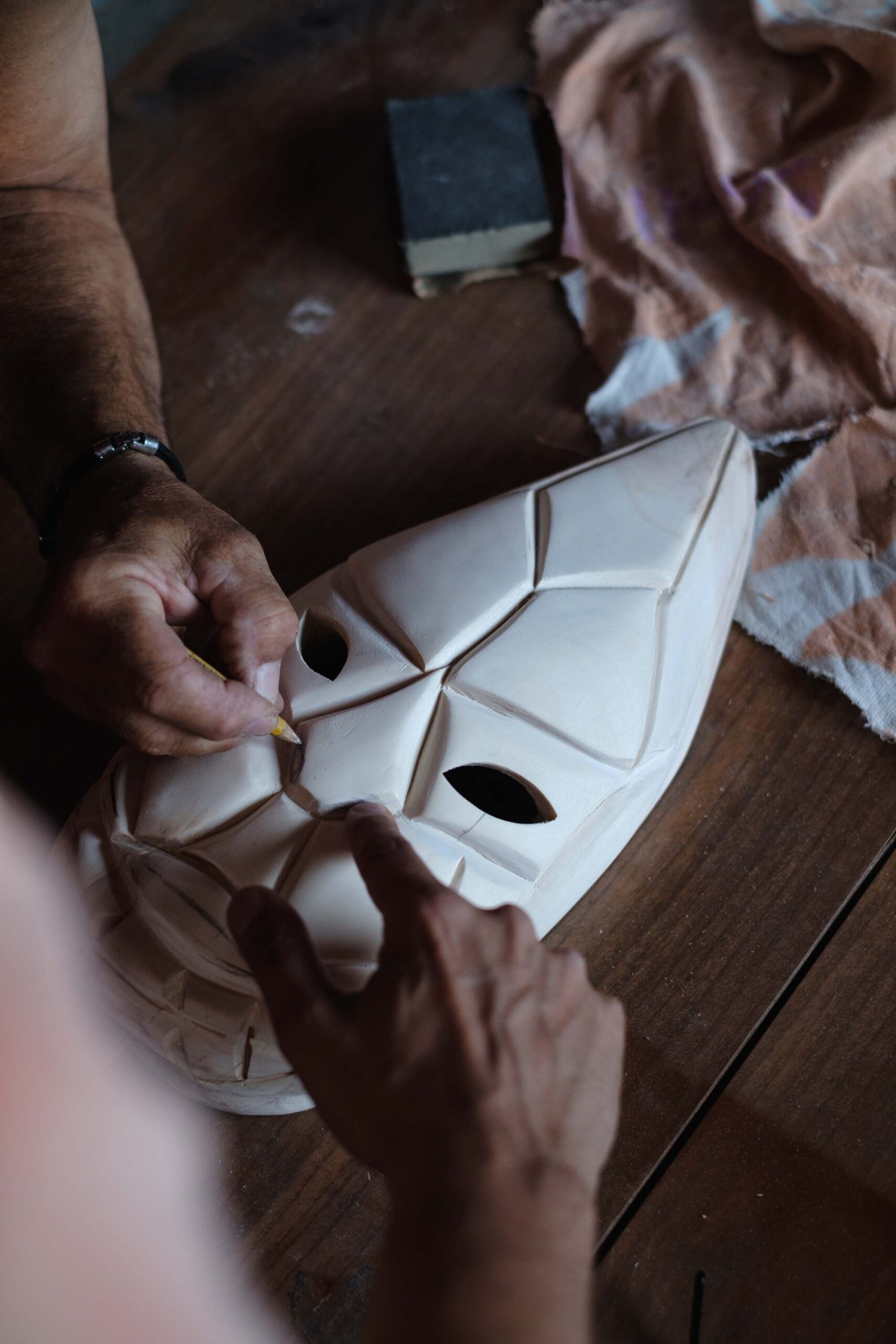
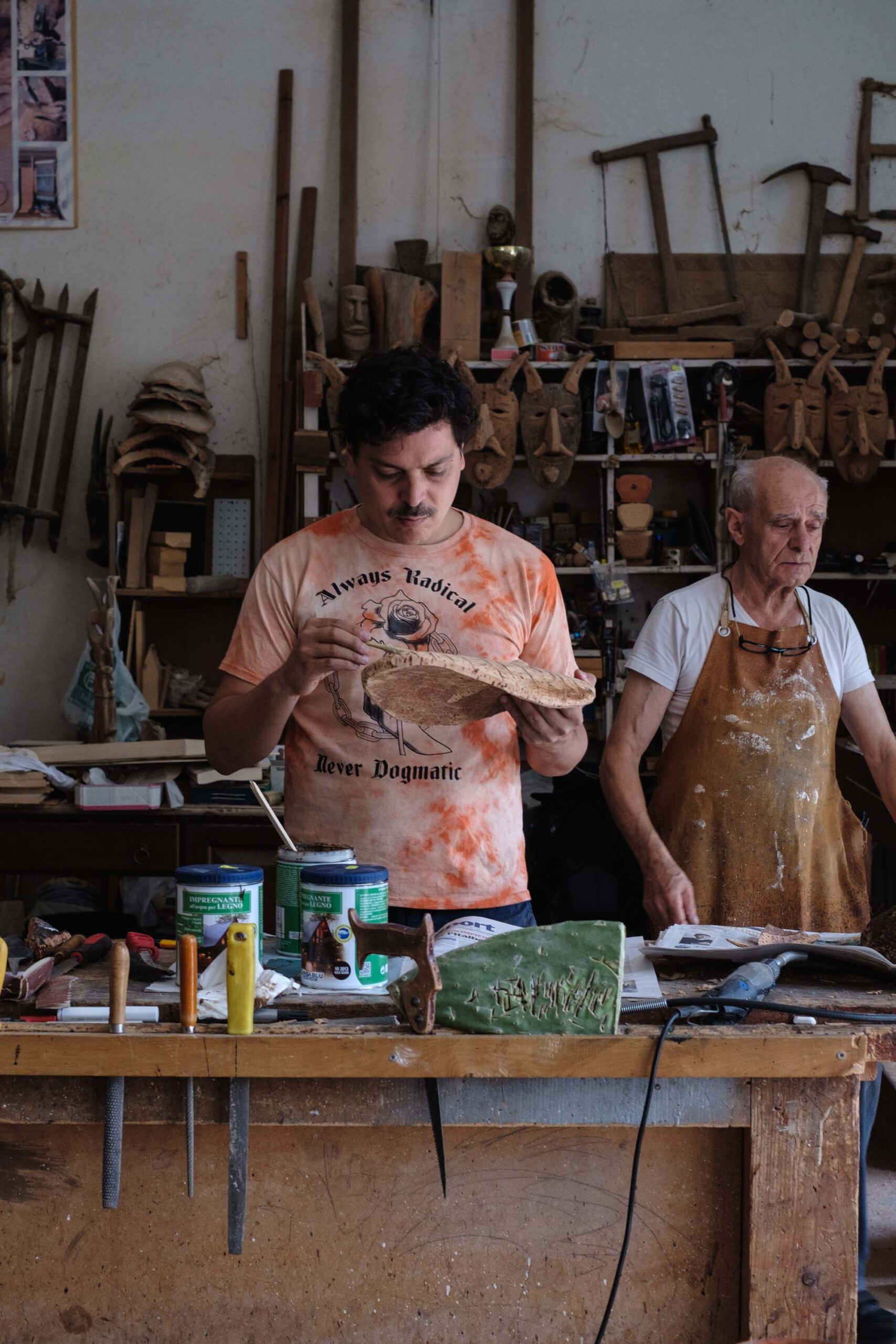
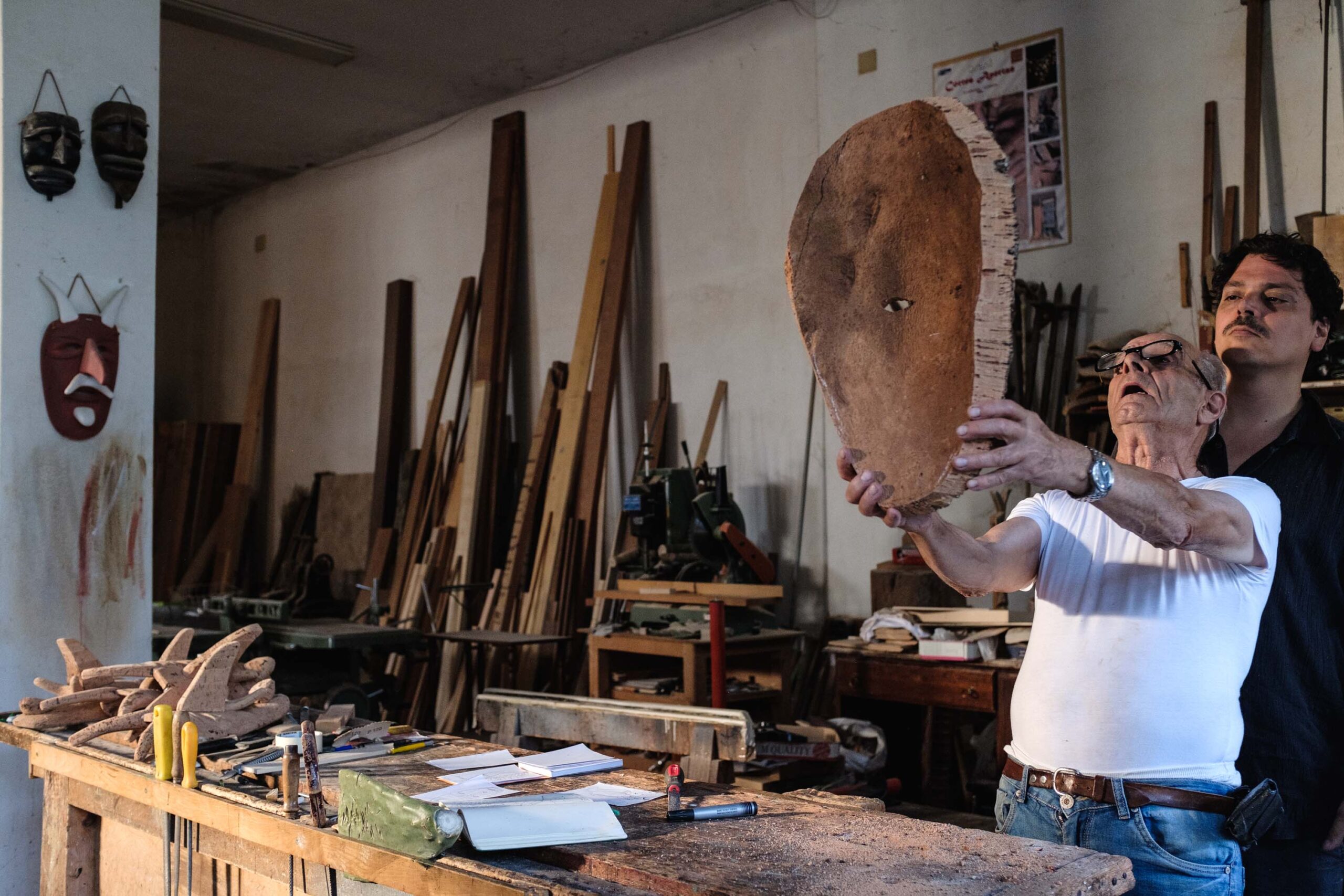
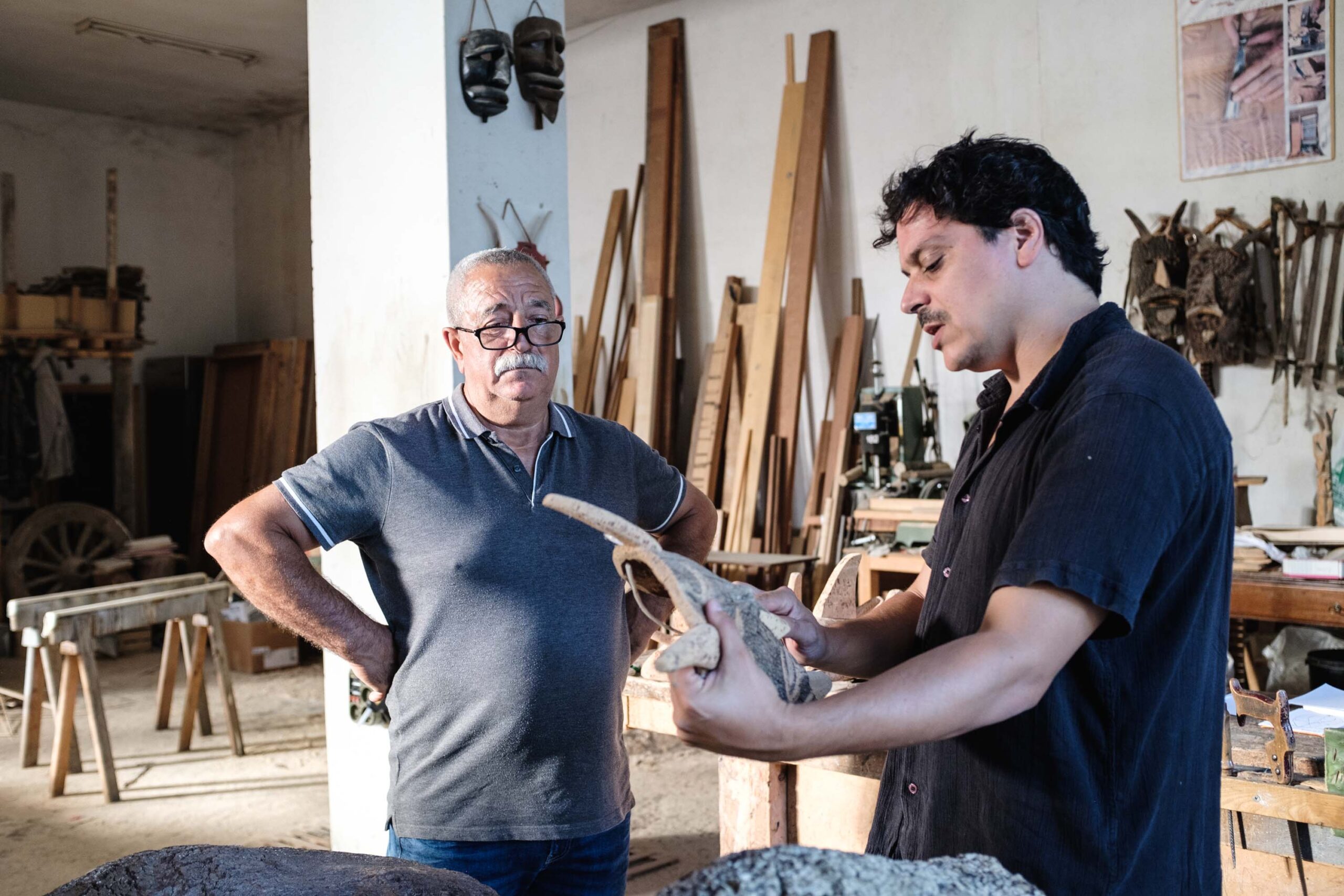
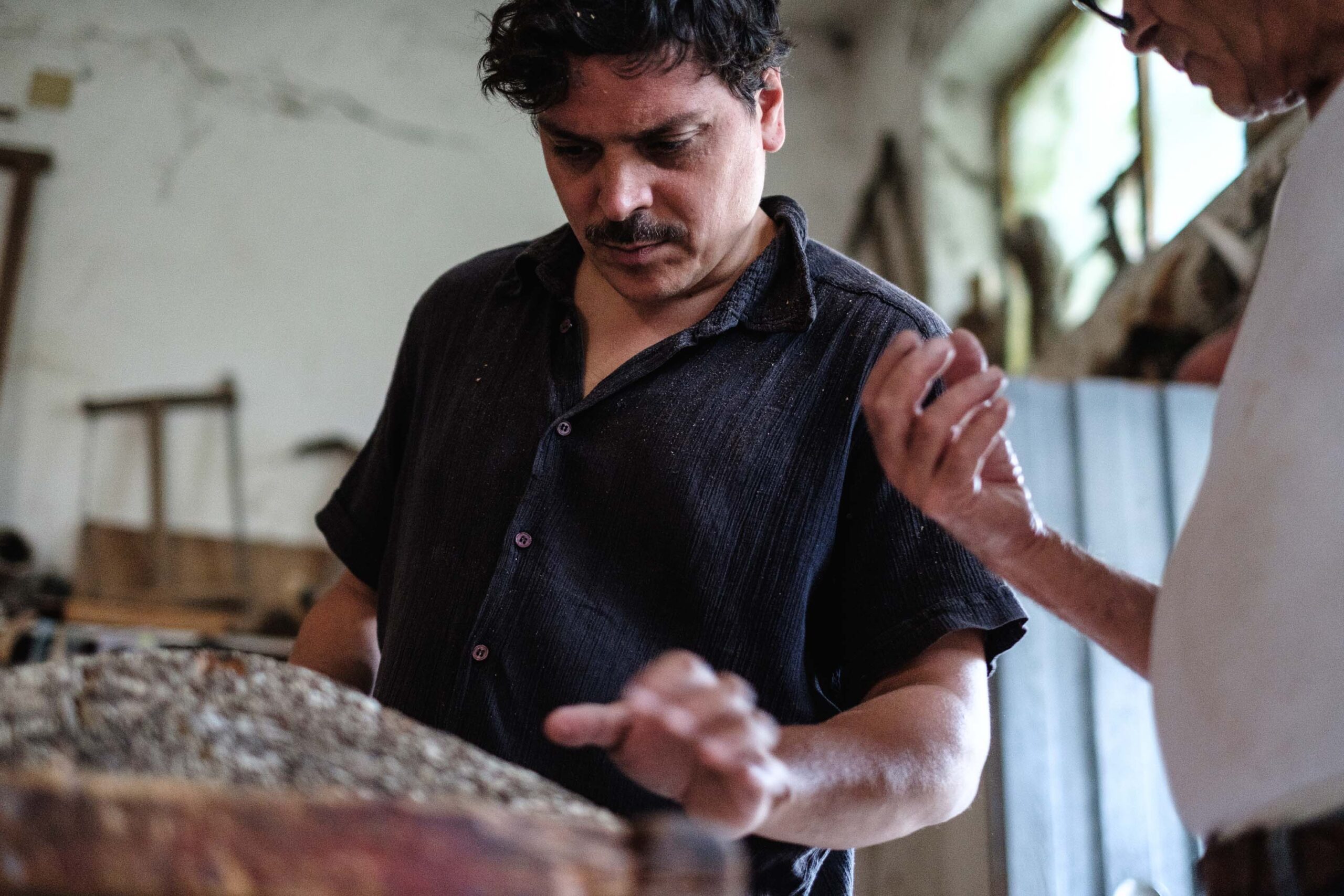
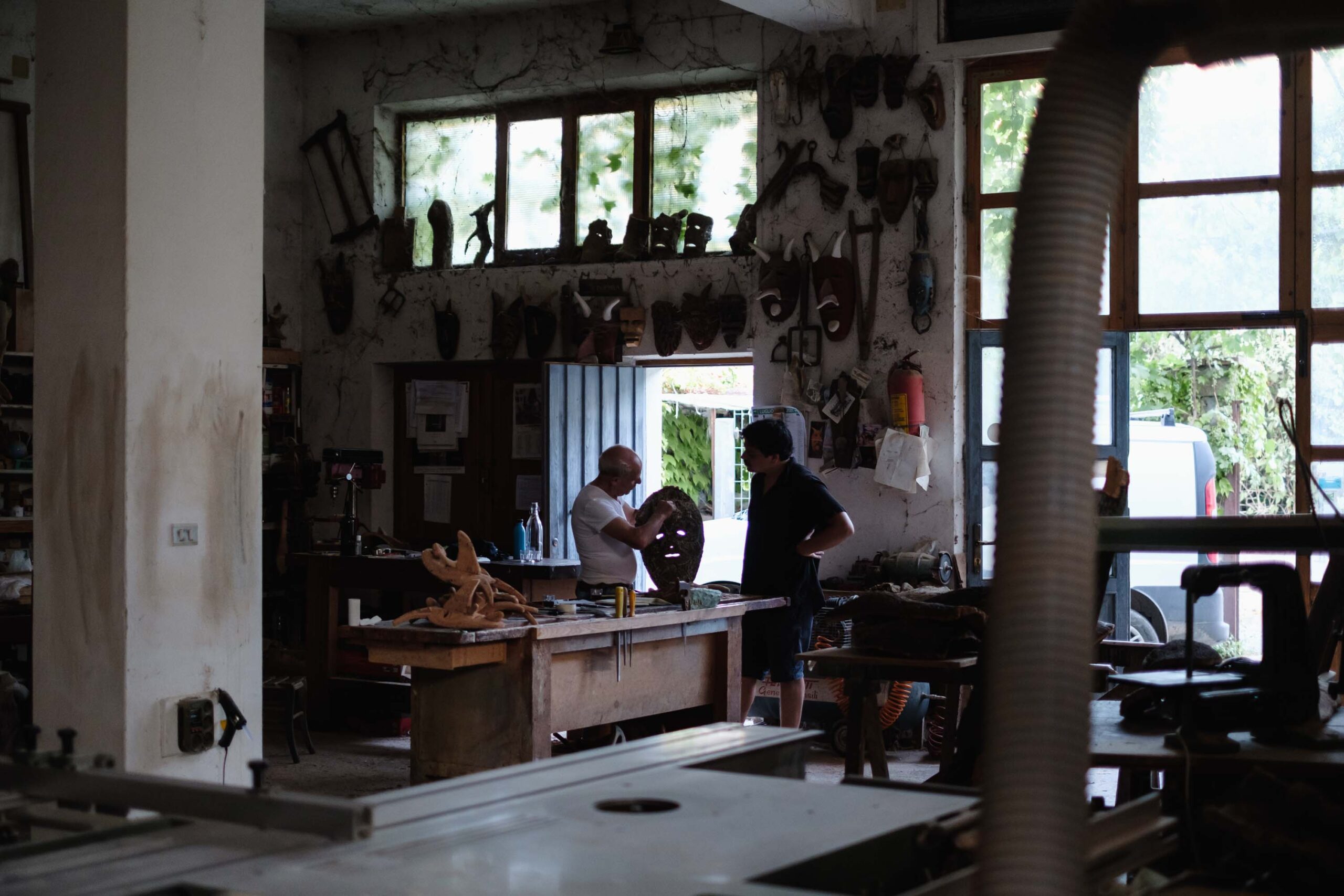
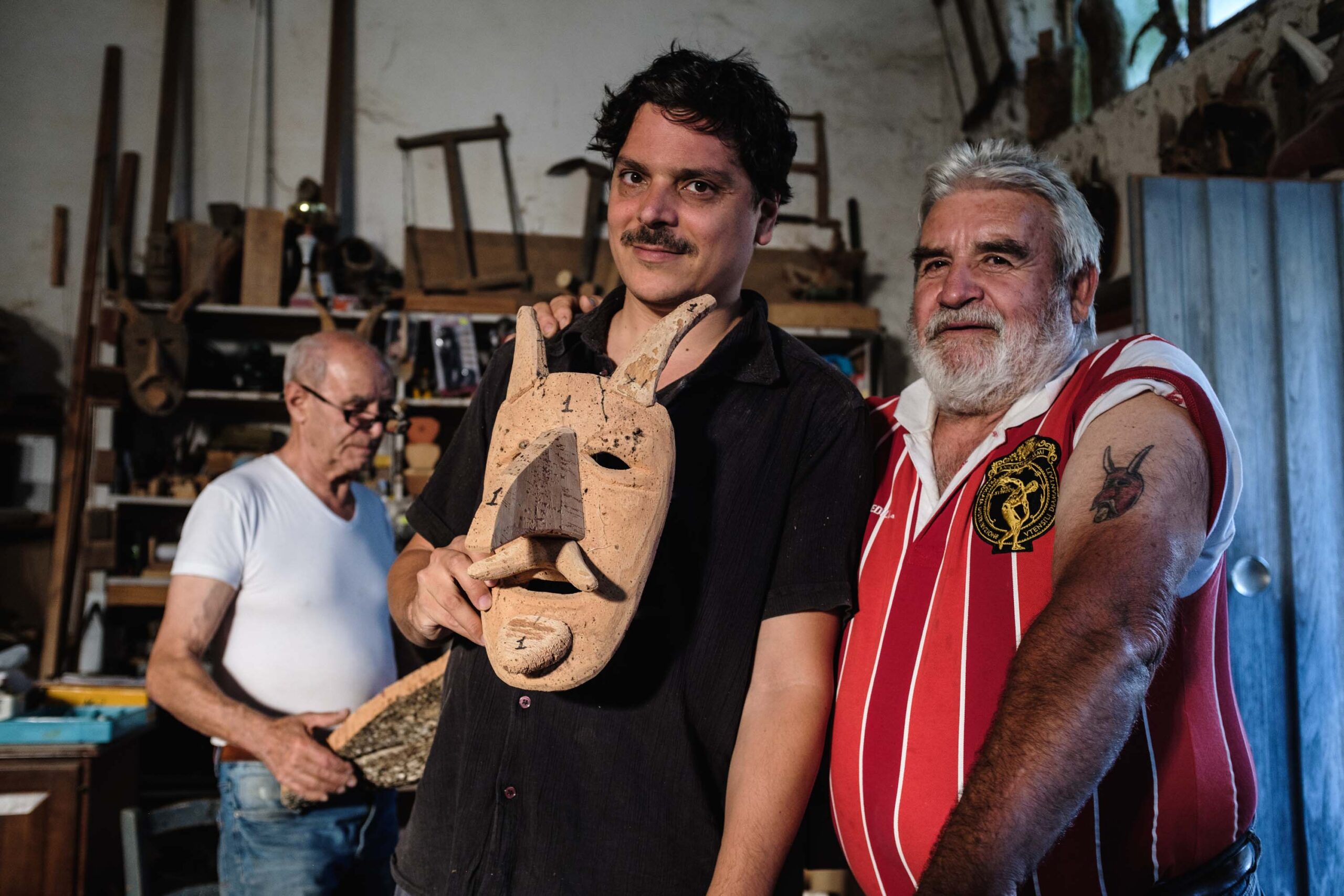
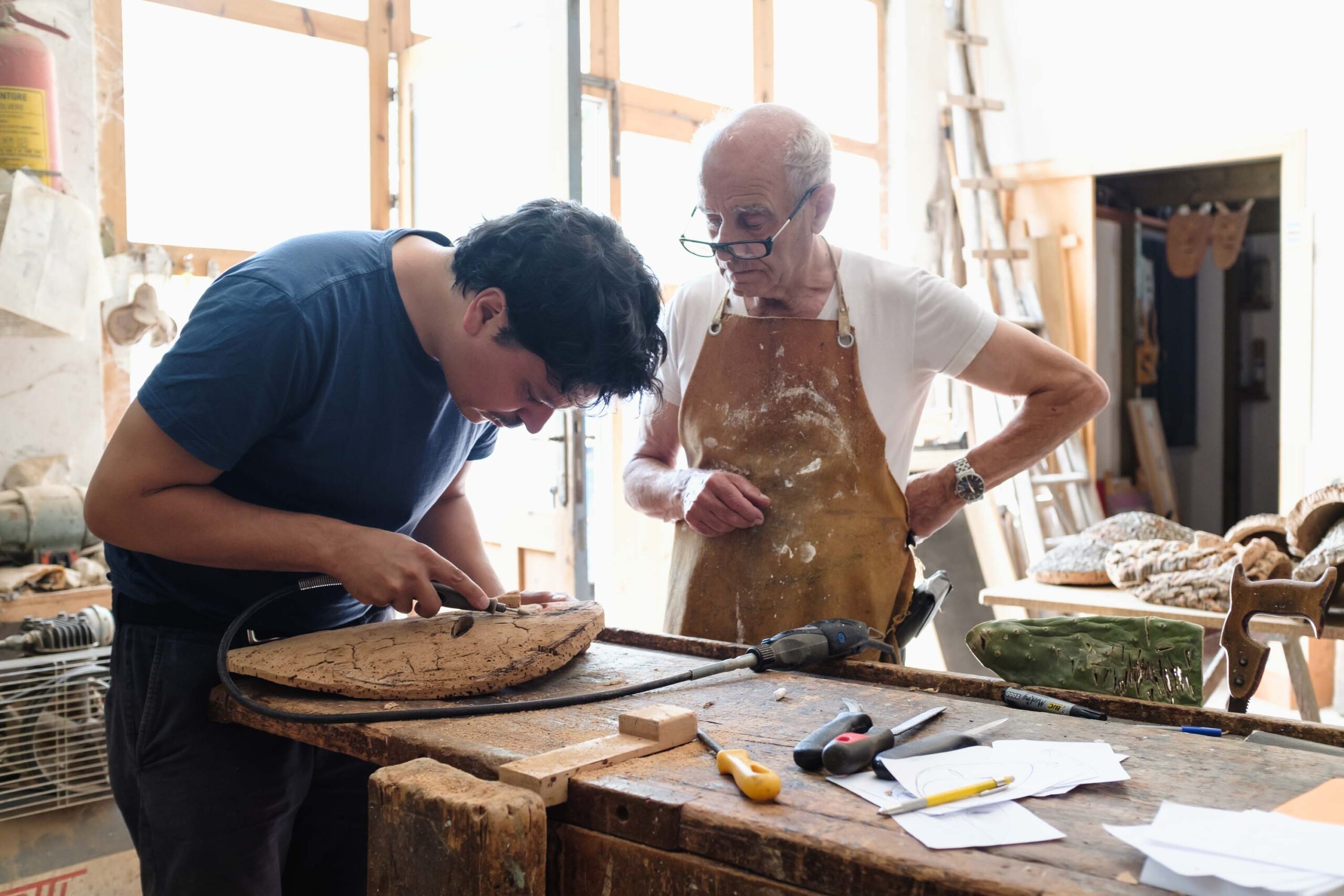
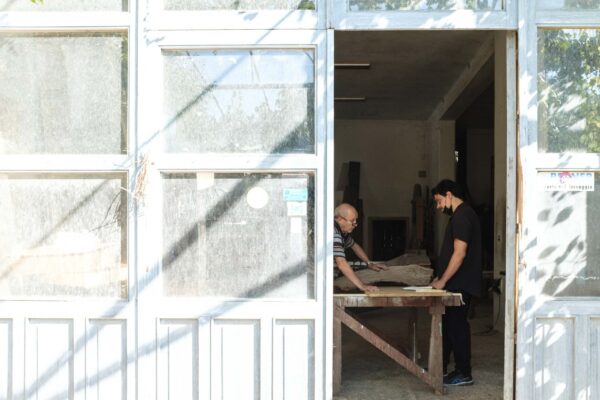
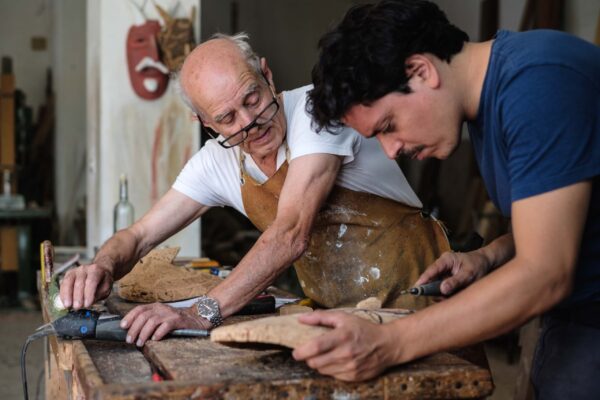
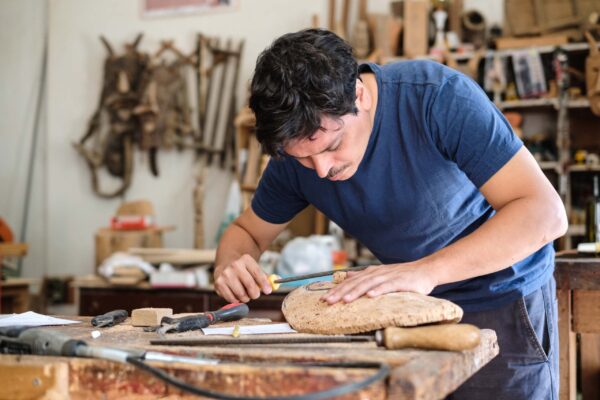
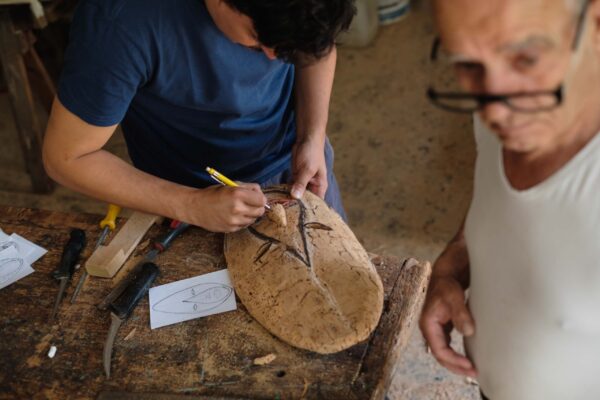
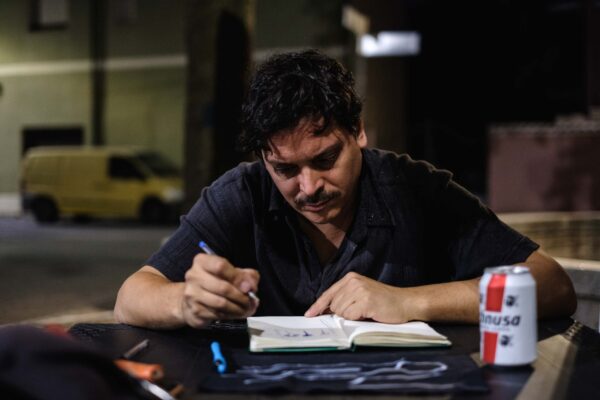
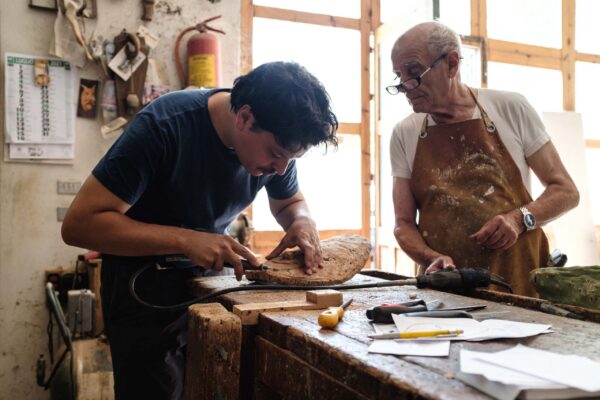
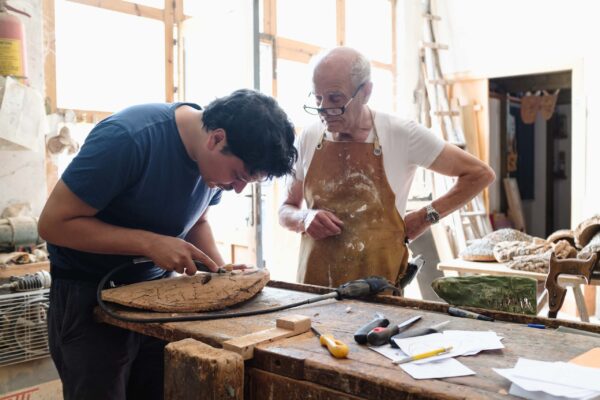
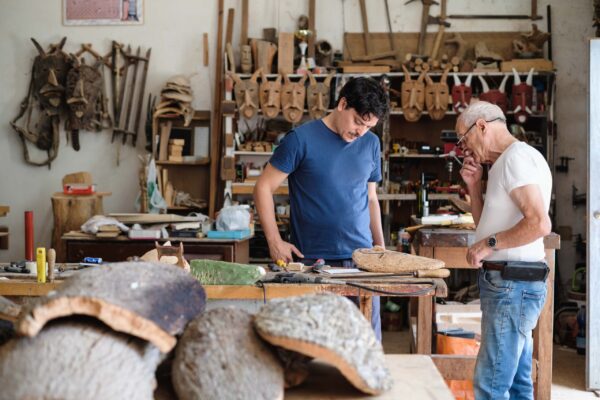
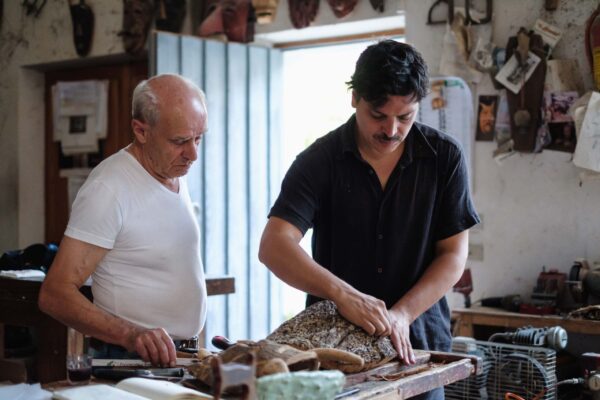
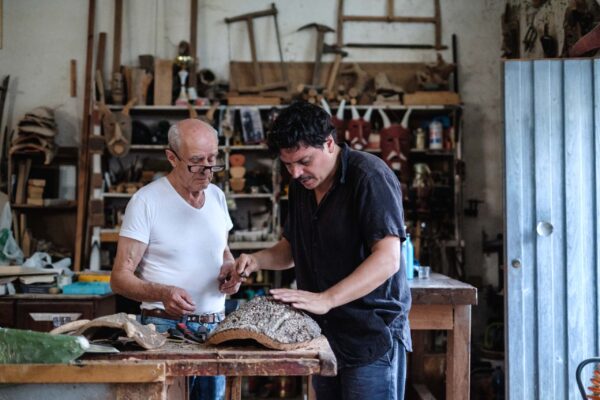
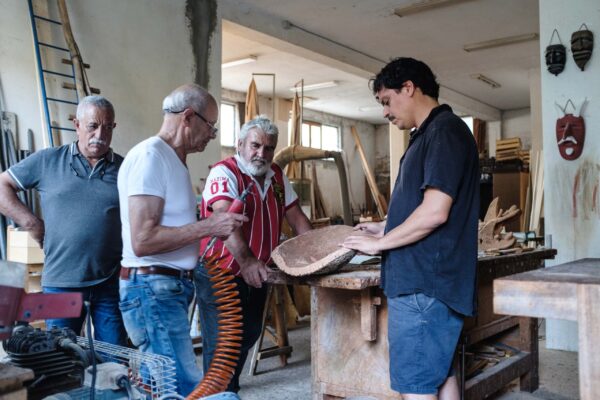
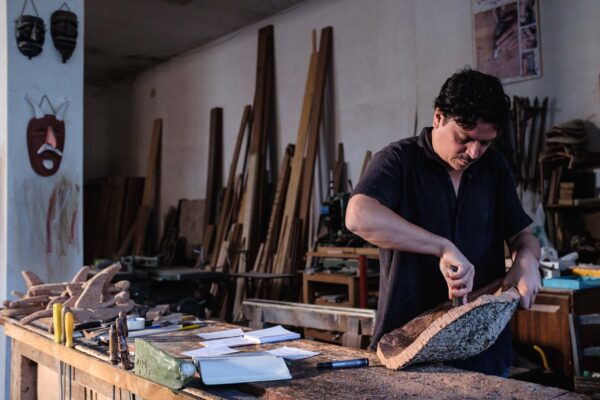
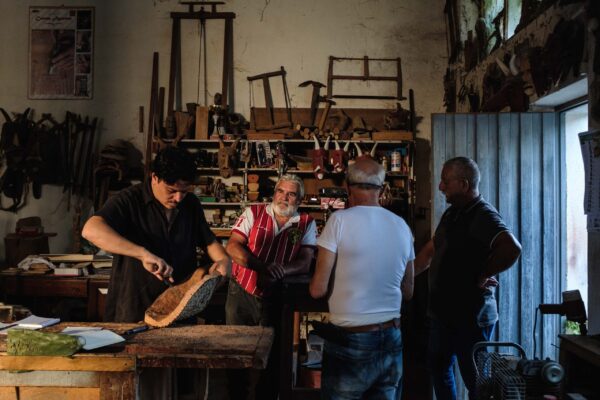
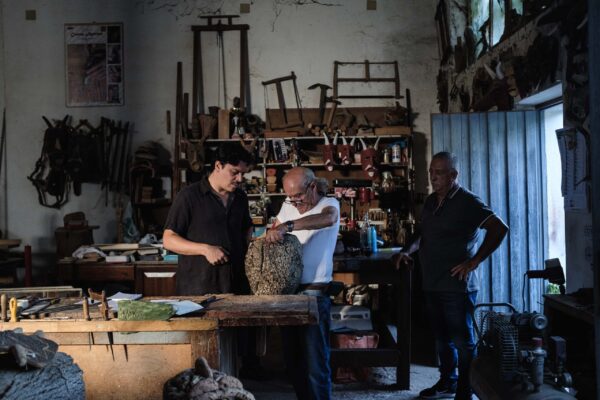
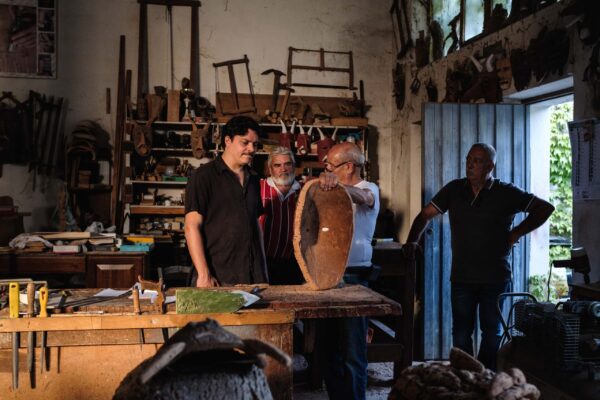
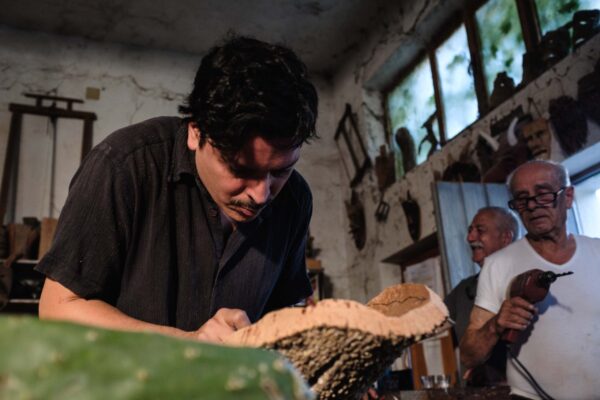
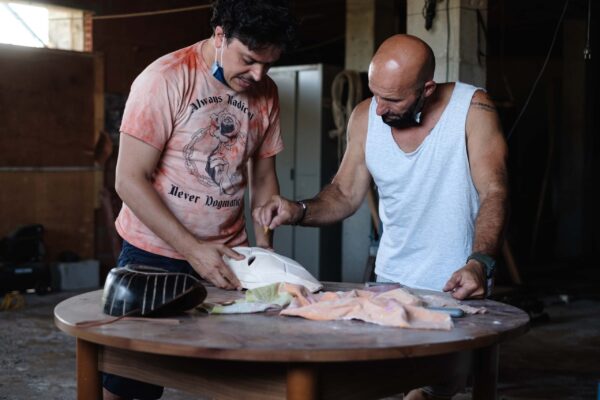
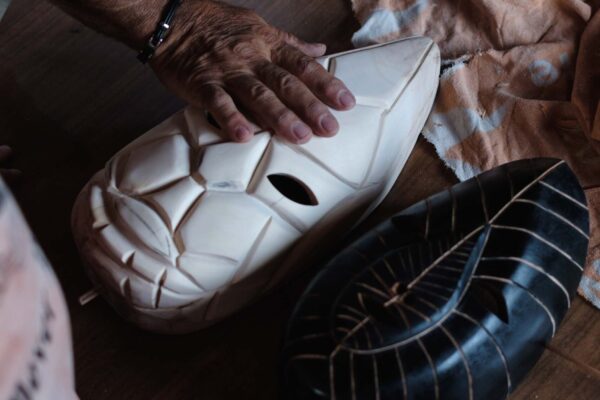
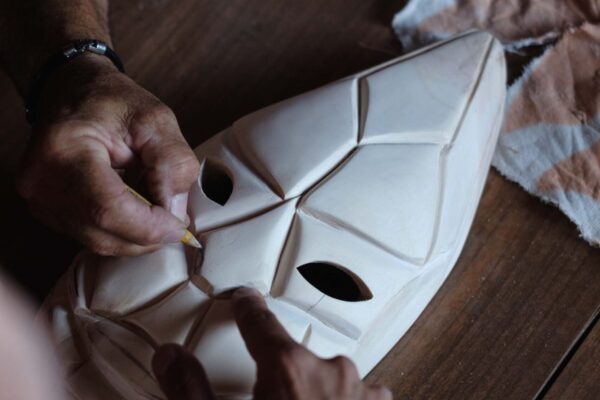
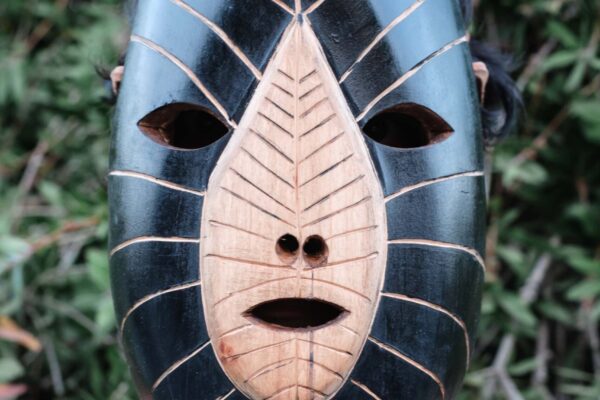
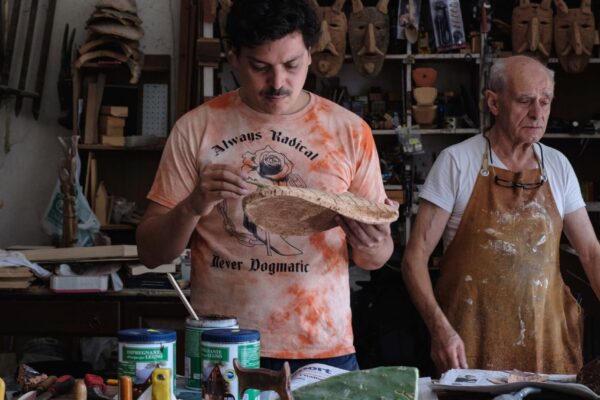
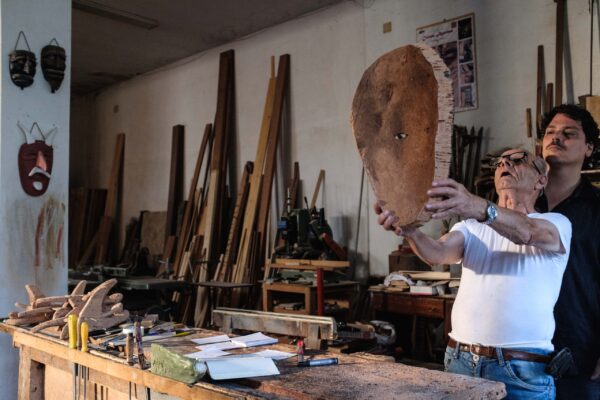
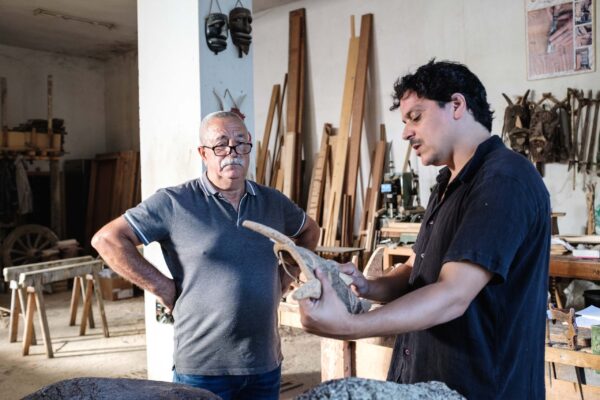
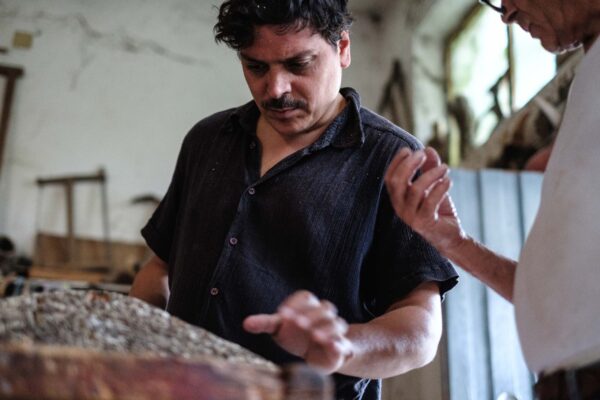
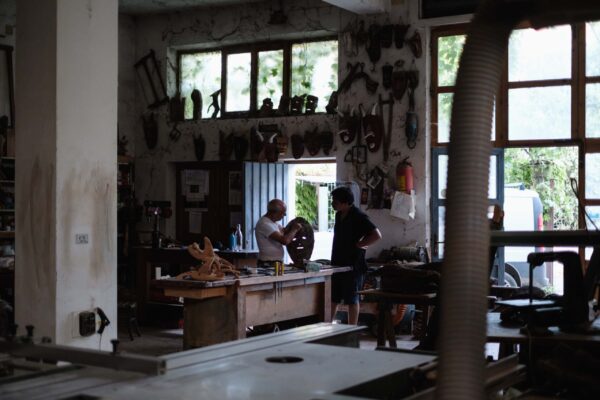
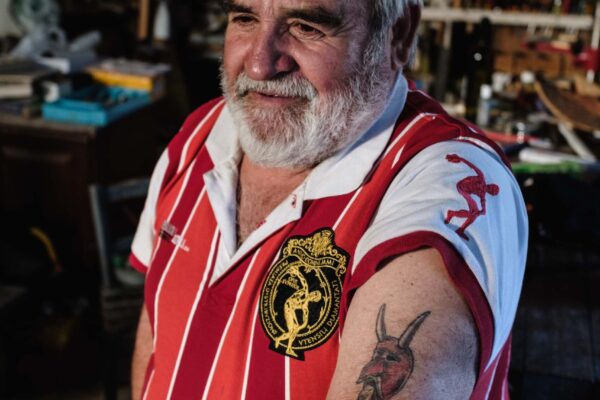
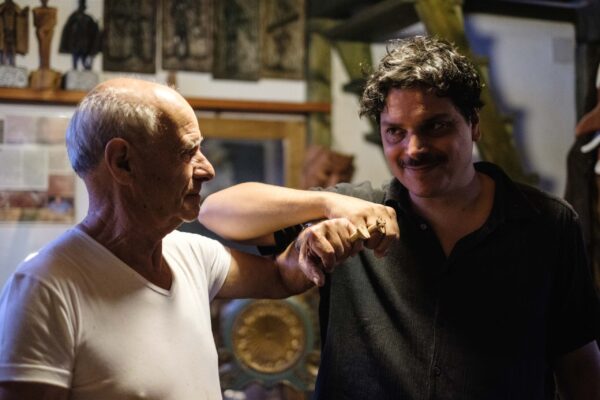
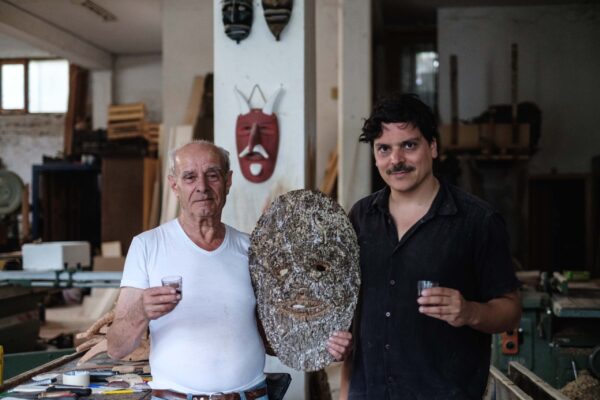
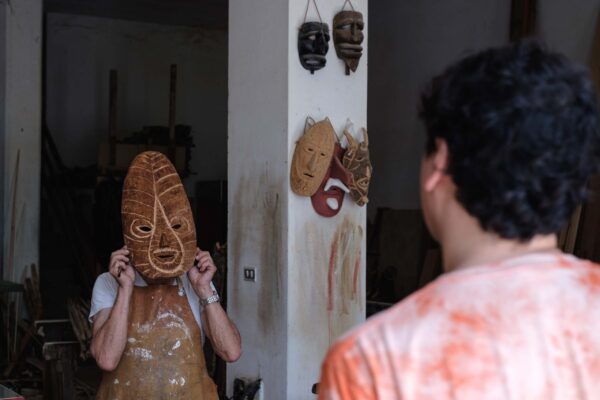
MASKS PRODUCTION WITH THE LOCAL MASTERS




Parade for the Tirso
A Ritual for an Ecological Transition Beyond the Fossil-Fuel Industry
Parade for the Tirso is a collective rite of passage conceived to symbolically traverse the trauma of industrialisation and imagine a possible ecological and post-industrial transition for the territory.
The project originated in Ottana, in the heart of Barbagia, where one of the most significant industrialisation programmes in central Sardinia was launched between the late 1960s and the early 1970s. The petrochemical and textile complex, promoted through public investment and centred on companies belonging to the ENI Group, was intended to generate stable employment, counter emigration and respond to the phenomenon of banditry, which also encompassed the scourge of kidnappings.
Established on the eve of the 1973 oil crisis, however, the project soon revealed its economic, productive and logistical weaknesses. The history of Ottana has been reconstructed through archival research, oral testimonies and analyses of the profound social transformations brought about by the arrival of industry in central Sardinia (Leoni 2024; Leoni 2025; Zedda 2021).
The industrial complex failed to fulfil the promises of long-term development with which it had been presented. The successive crises, restructuring processes and closures left workers on furlough schemes, abandoned facilities and a vast industrial landscape requiring remediation and safety measures.
The Ottana industrial area extends across the municipalities of Ottana, Bolotana and Noragugume and covers approximately 1,250 hectares, around 670 of which were occupied by industrial facilities. Established in 1970, the complex included large chemical, textile and engineering companies located on both banks of the Tirso. Over the following decades, most of these activities ceased production, leaving behind a fragmented industrial structure and numerous inactive plants (Autonomous Region of Sardinia 2018).
Industrial activities have had profound environmental consequences for the soil, groundwater and river system. Investigations and environmental characterisation procedures carried out in the area detected groundwater contamination and identified the need for monitoring, safety and remediation measures. The pollution of the Tirso’s waters and the progress of remediation processes have also been the subject of regional investigations and institutional initiatives (Autonomous Region of Sardinia 2005; Autonomous Region of Sardinia 2018; Sardegna Ambiente 2016).
Numerous former workers have reported exposure to asbestos and other hazardous substances, requesting official recognition of occupational illnesses and deaths believed to be related to their work. Parliamentary records document the claims made by workers and their families, as well as the complex administrative process surrounding the recognition of asbestos-related diseases. These documents do not replace a comprehensive epidemiological study of the territory, but they bear witness to an unresolved conflict involving health, industrial responsibility and social justice.
Was it worth it?
In the case of Ottana, the opposition between employment and the environment—still invoked today to obstruct environmental protection policies—emerges in all its dramatic consequences. The fossil-fuel-based industrial model did not sacrifice only the landscape and ecosystems: it compromised the health of many workers, weakened local economies and left future generations to bear the social and environmental costs of abandonment.
The critique is therefore not directed at industrial labour, nor at the people who worked, struggled and built relationships inside the factory. It is directed at a development model that artificially opposed the right to work to the right to health and environmental protection, ultimately denying both.
This legacy can be interpreted through Rob Nixon’s concept of slow violence, which describes an environmental violence that is gradual, cumulative and deferred in time: a violence that often lacks a single spectacular event and instead manifests itself through persistent contamination, prolonged exposure, delayed illnesses and environmental costs transferred to communities and future generations (Nixon 2011).
With the necessary historical and political distinctions, the case can also be interpreted through Achille Mbembe’s concept of necropolitics. Necropolitics describes forms of power that determine which lives should be protected and which may instead be exposed to precarity, violence, illness and death.
Applied critically to industrial territories, this perspective makes it possible to question the unequal distribution of risks and protection: who benefits from development, who bears its consequences, which bodies are considered expendable and which territories may be transformed into spaces of extraction, contamination and abandonment.
This does not mean automatically equating Ottana with the colonial, military and racial contexts analysed by Mbembe. Rather, necropolitics is employed as a tool for understanding how economic and political power can produce different degrees of exposure to life and death. The industrial landscape thus becomes the material site in which certain human and non-human lives were subordinated to the continuity of production and to the promise of a development that was never fulfilled (Mbembe 2019).
How can we turn the page? How can an industrial trauma be collectively processed without erasing its memory? What role can art, performance and ritual assume within such a process?
Parade for the Tirso emerges from these questions and understands ritual not as a symbolic representation detached from reality, but as a device capable of accompanying a community across a threshold.
The passage from the factory to the river ideally recalls the structure of rites of passage described by Arnold van Gennep and subsequently developed by Victor Turner: separation from a previous condition, the crossing of a liminal space and a possible reconstitution within a new symbolic and social order (van Gennep 1909; Turner 1969).
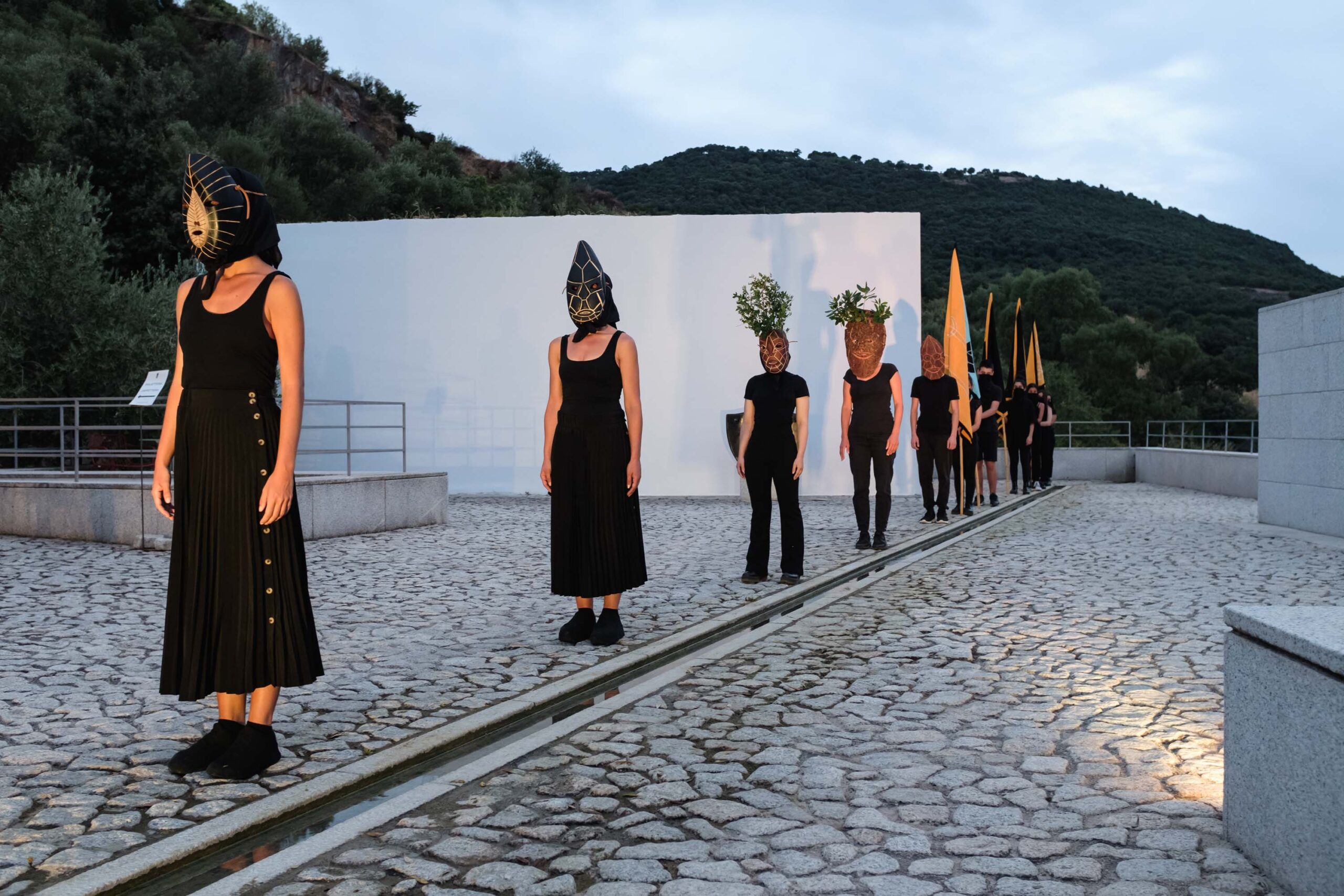
Performance also becomes an instrument for transmitting memory: an embodied repertoire composed of gestures, voices, songs, bodies, masks and movements that both accompanies and interrogates the written archive of industrial history. From this perspective, memory is not only preserved in documents, but reactivated through collective experience and the physical presence of bodies (Taylor 2003).
Parade for the Tirso therefore stems from a deeply rooted relationship with the territory. It is a wounded territory, yet one that remains extraordinarily rich in relationships, humanity, artisanal knowledge and cultural identities: the Ottana Carnival, canto a tenore, the Romanesque Church of San Nicola, rural and pastoral culture, cork and wood craftsmanship, masks and traditional musical instruments.
The Ottana Carnival has its roots in agropastoral culture and uses masks to stage the roles and conflicts of rural life: labour, care, domestication, illness and the death of animals. The figures of the Boes and Merdules represent a complex and conflictual relationship between human beings, animals, labour and the territory, making the ritual particularly significant within a performance devoted to ecological transformation (Sardegna Cultura).
The canto a tenore, recognised by UNESCO as Intangible Cultural Heritage of Humanity, originated within Sardinian pastoral culture. It is a form of polyphonic singing traditionally performed by four voices and capable of incorporating poetic texts, historical narratives, community events and contemporary social issues (UNESCO 2008).
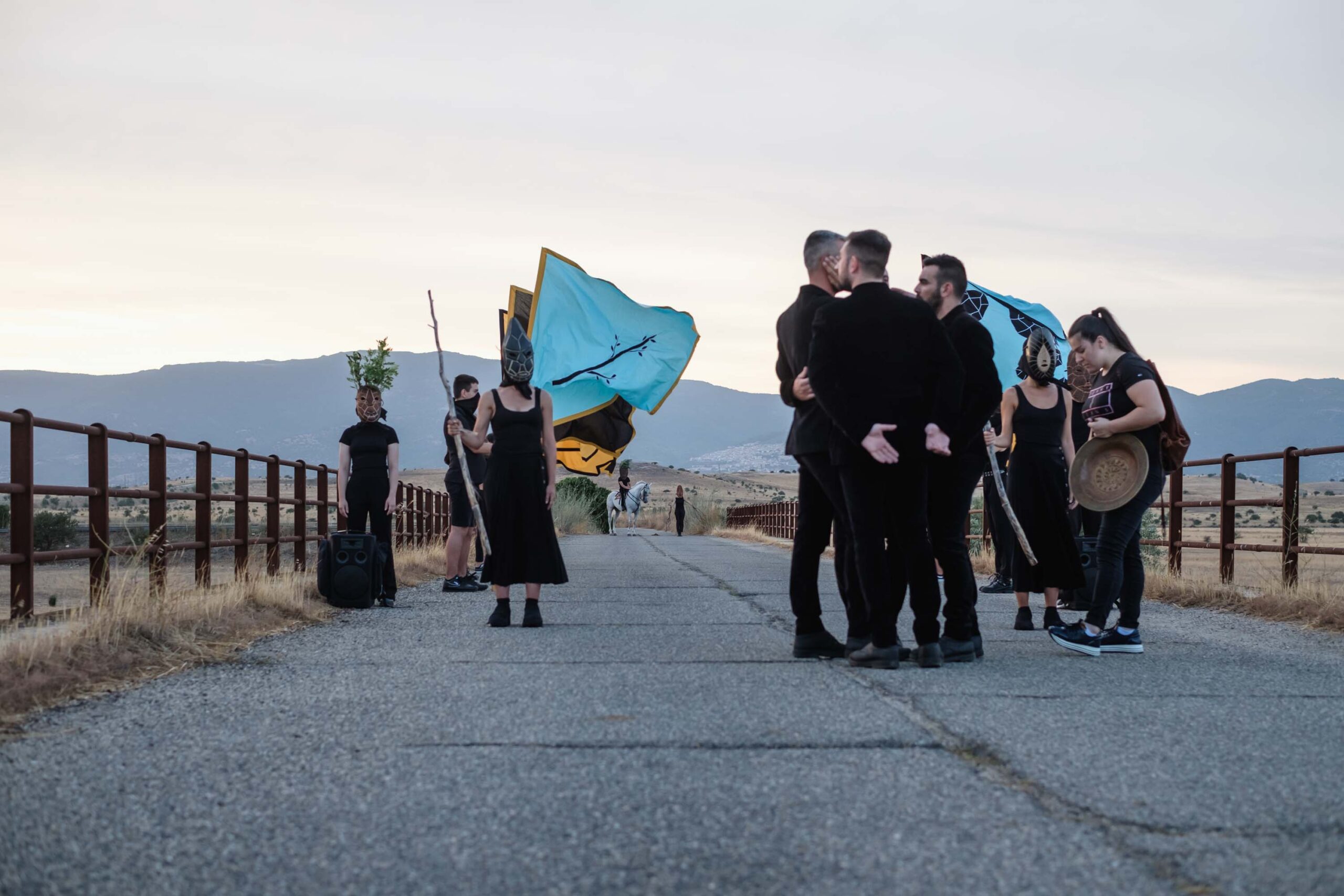
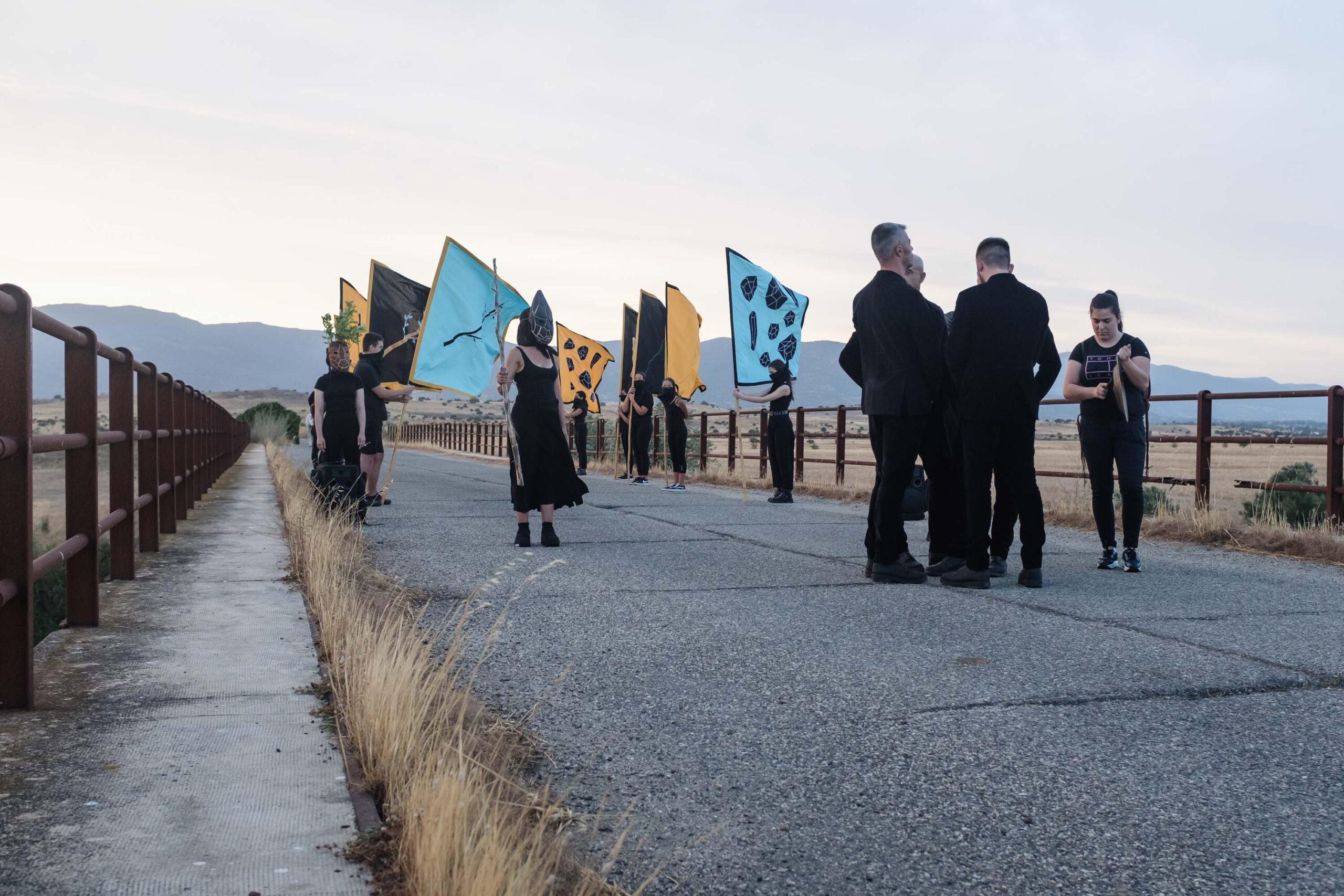
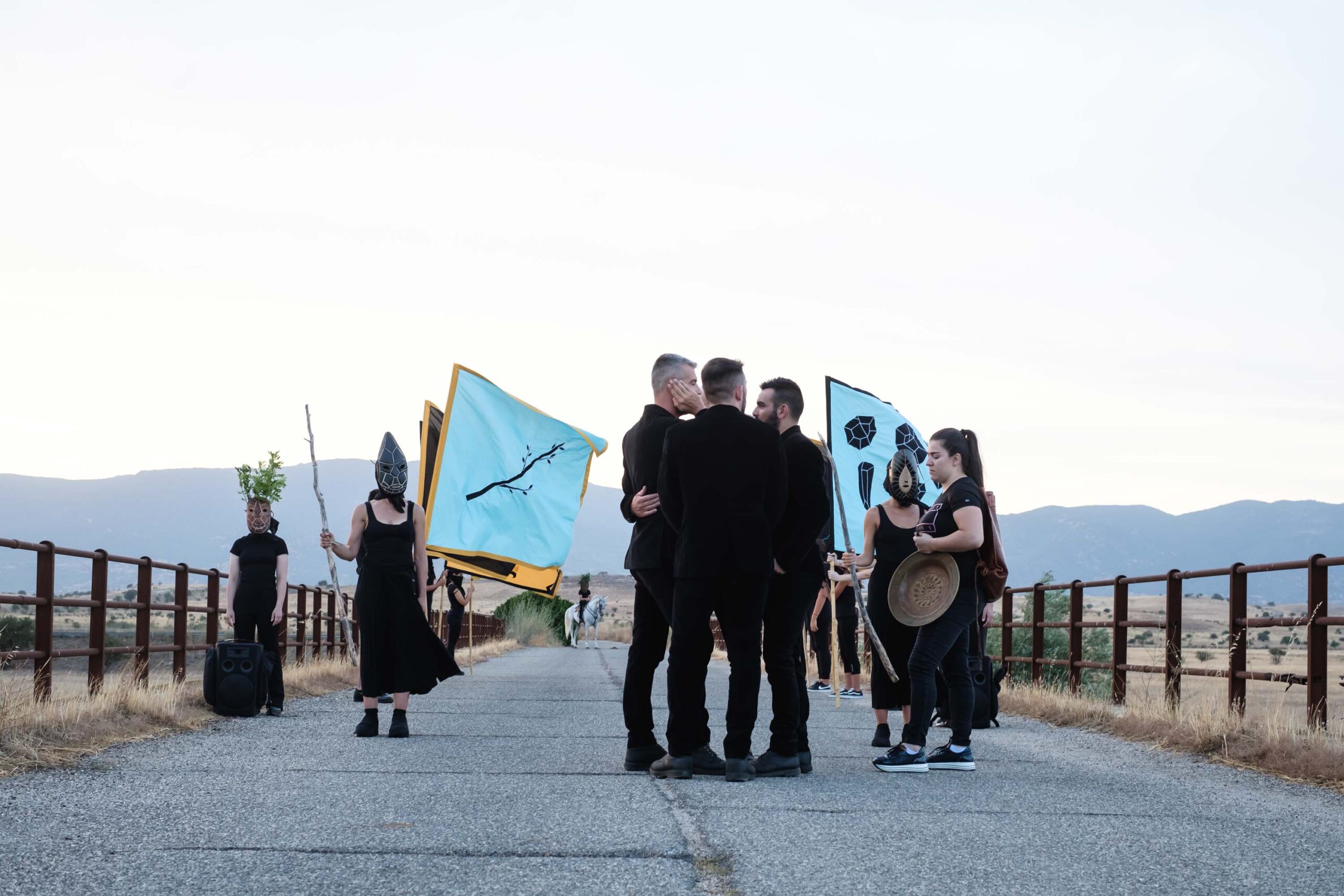
Among the traditional instruments of Ottana is s’affuente, an ancient embossed copper or brass plate that is transformed into a musical instrument during Carnival. Held vertically, it is scraped or struck with a large iron key, producing a rhythmic, metallic and hypnotic sound that accompanies the traditional Ballu de s’Affuente.
The movement of the object from the religious sphere into the collective celebration testifies to the continuous transformation, within Ottana’s culture, between the sacred and the profane, religious ritual and community ritual. An object originally connected to the liturgy thus becomes a musical instrument and a device capable of bringing together rhythm, bodies and the community (Sardegna Cultura; Municipality of Ottana).
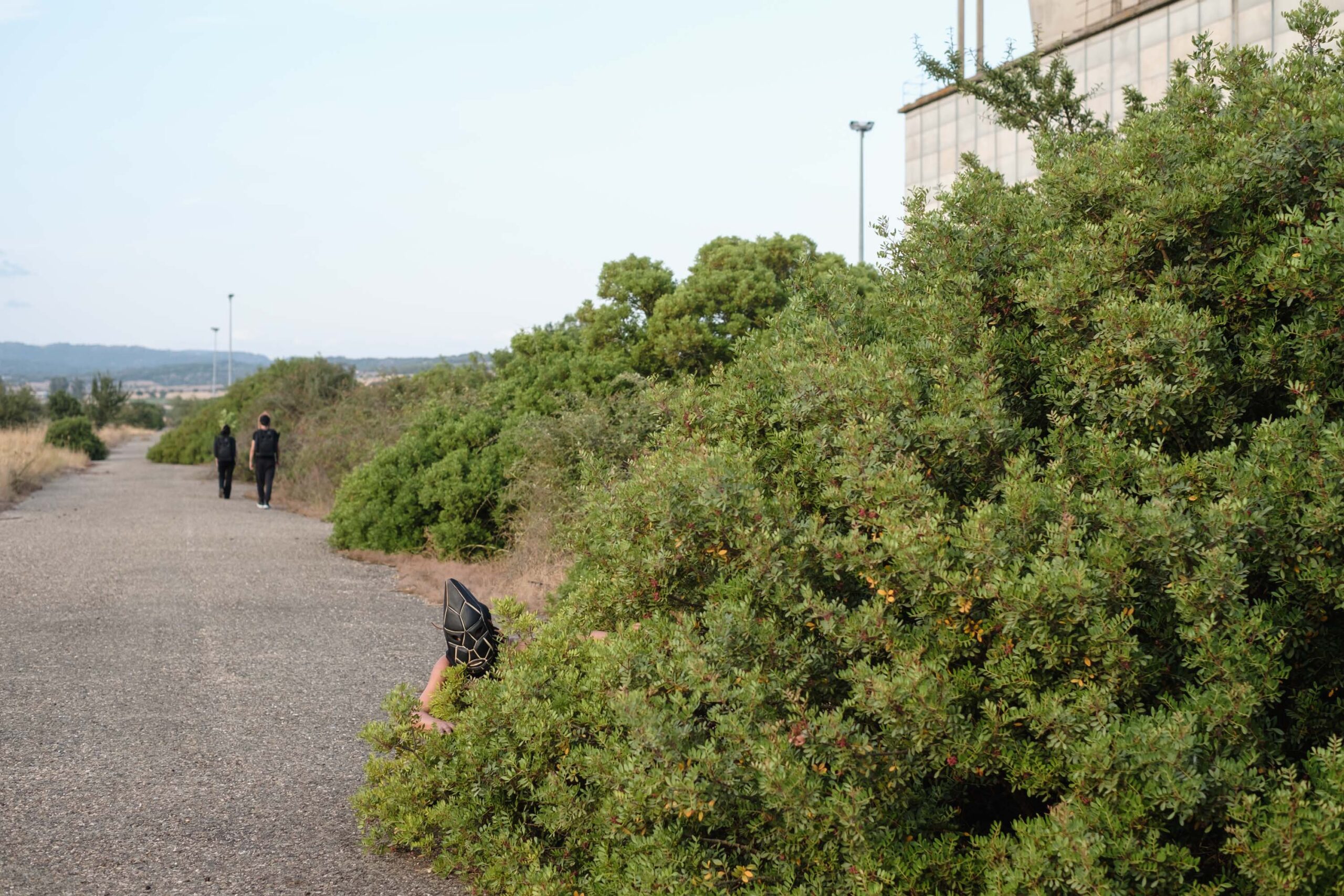
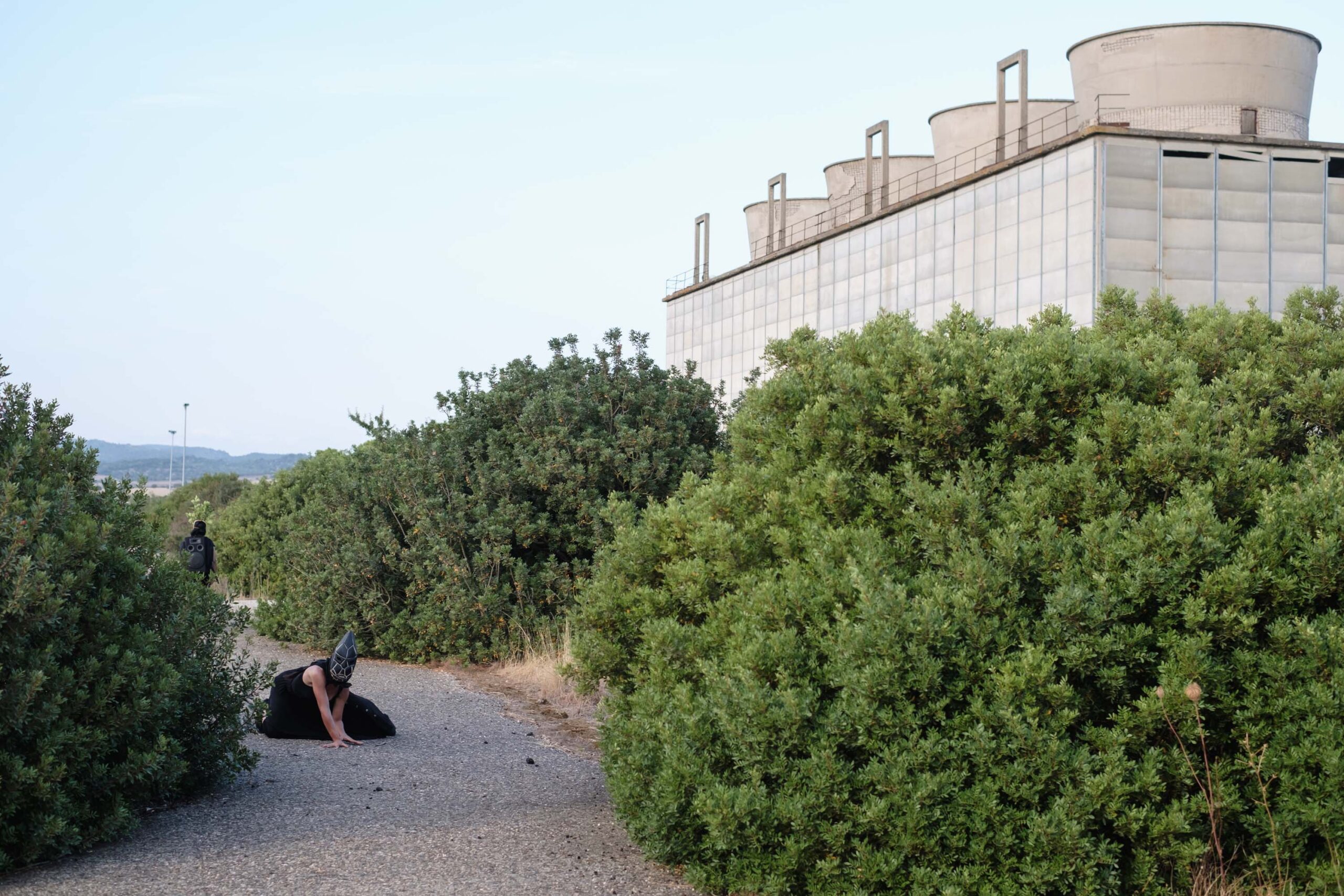
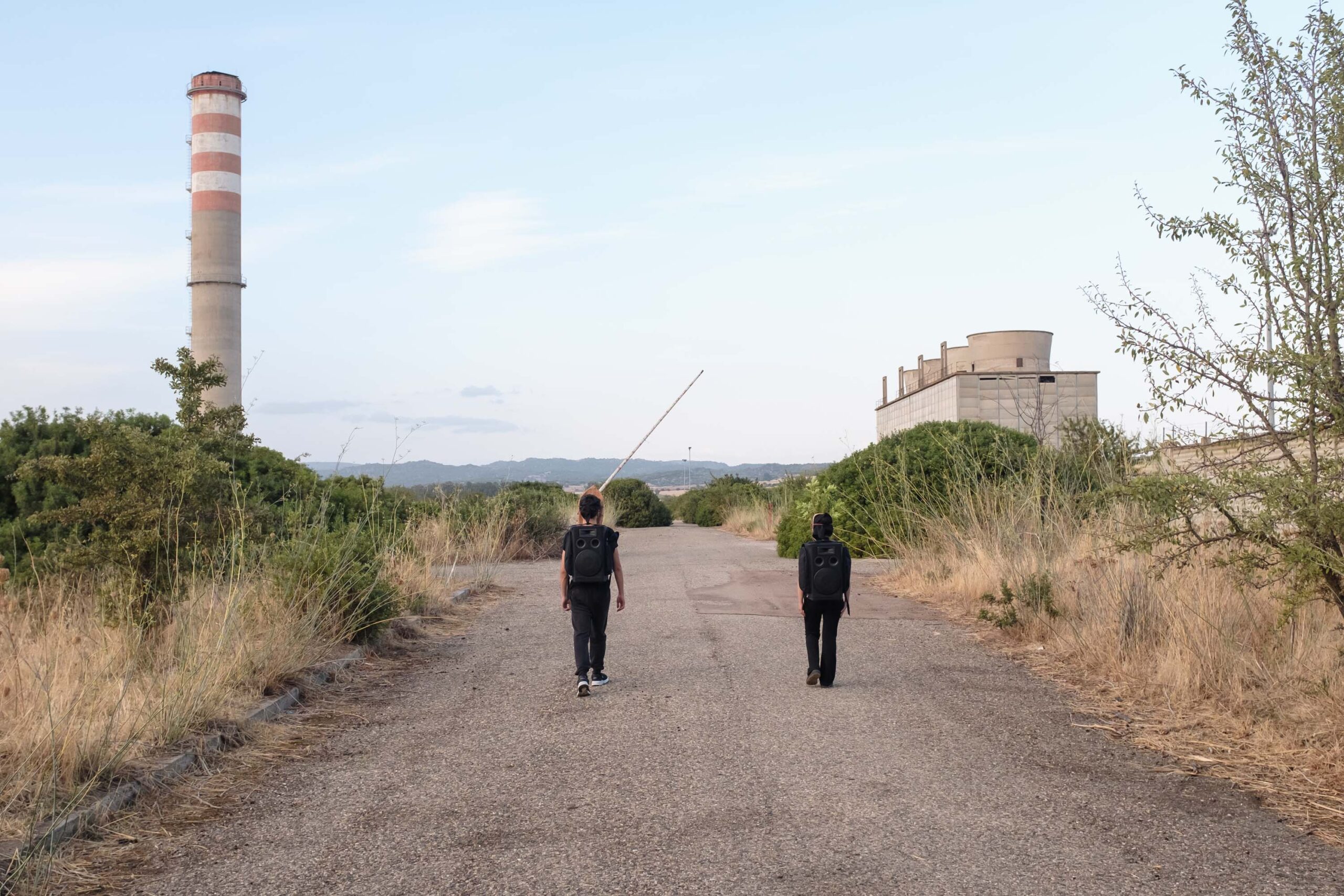
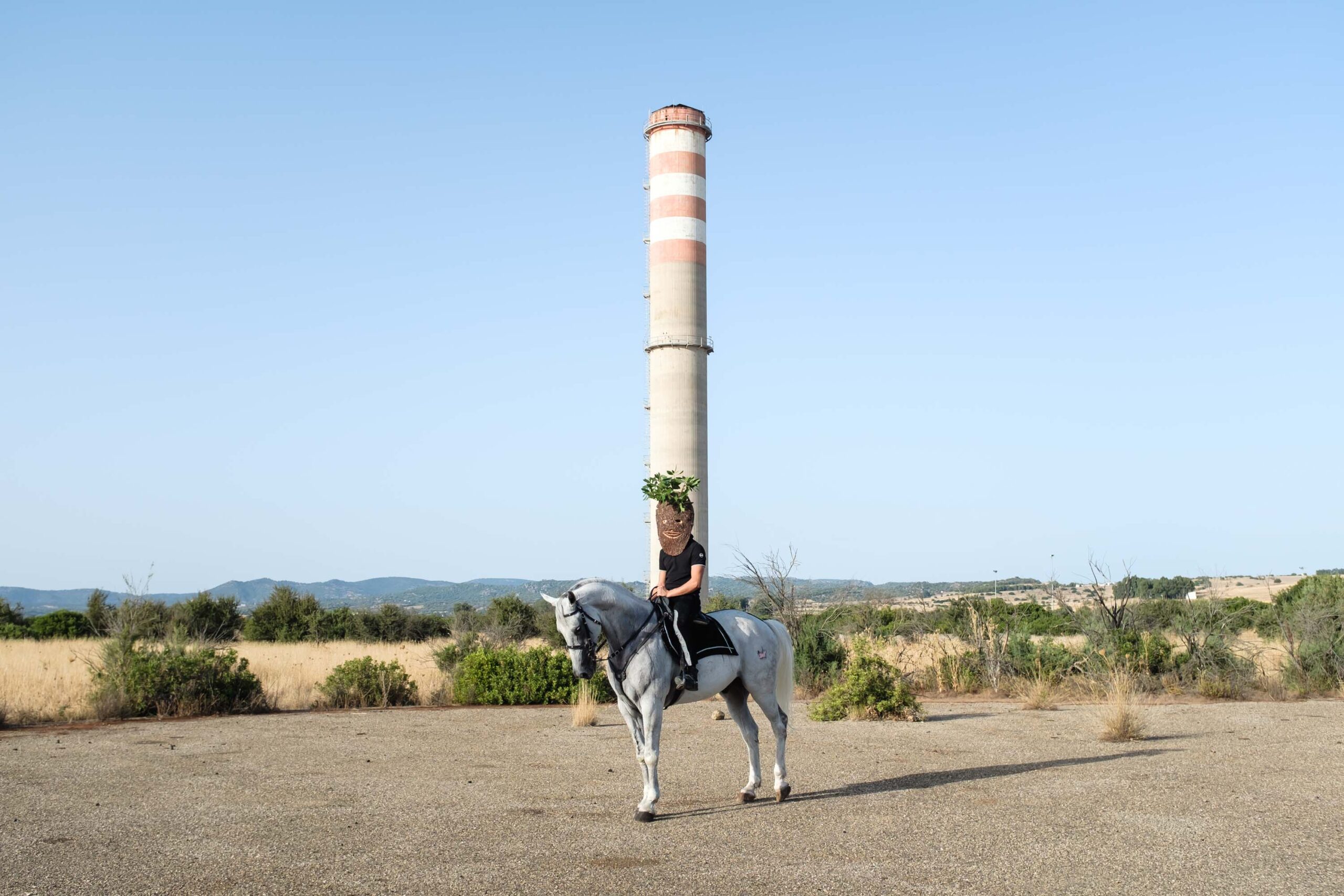
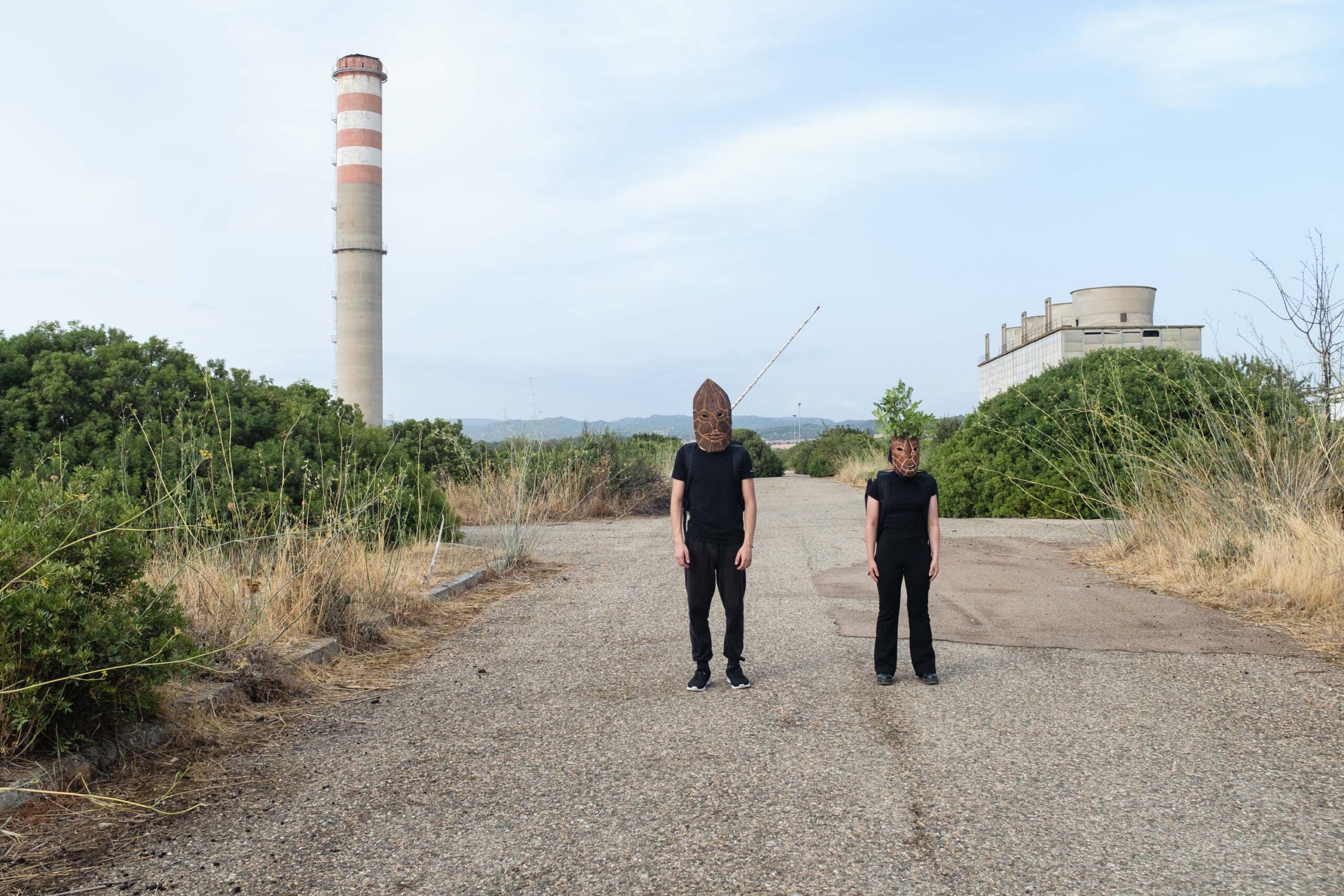
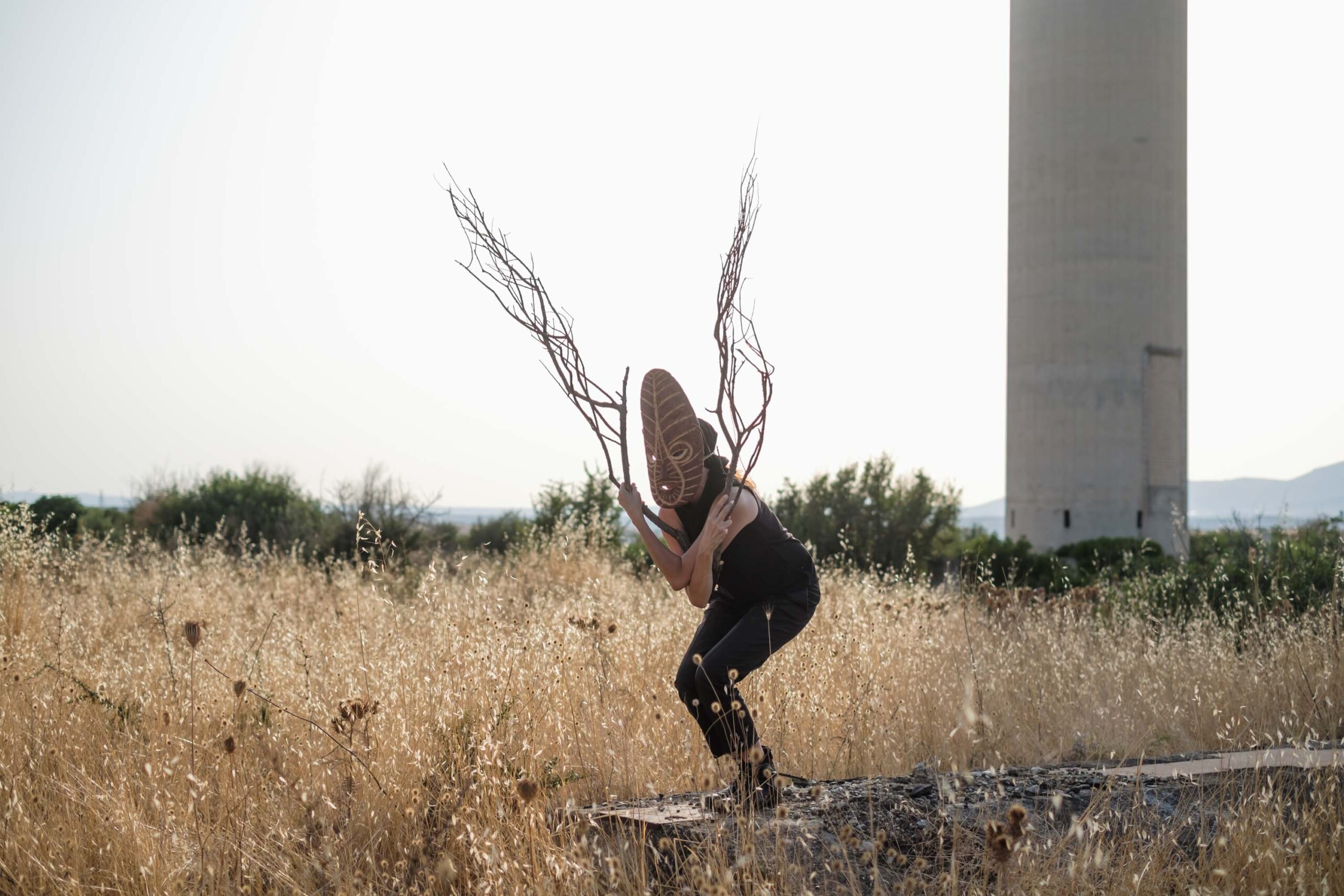
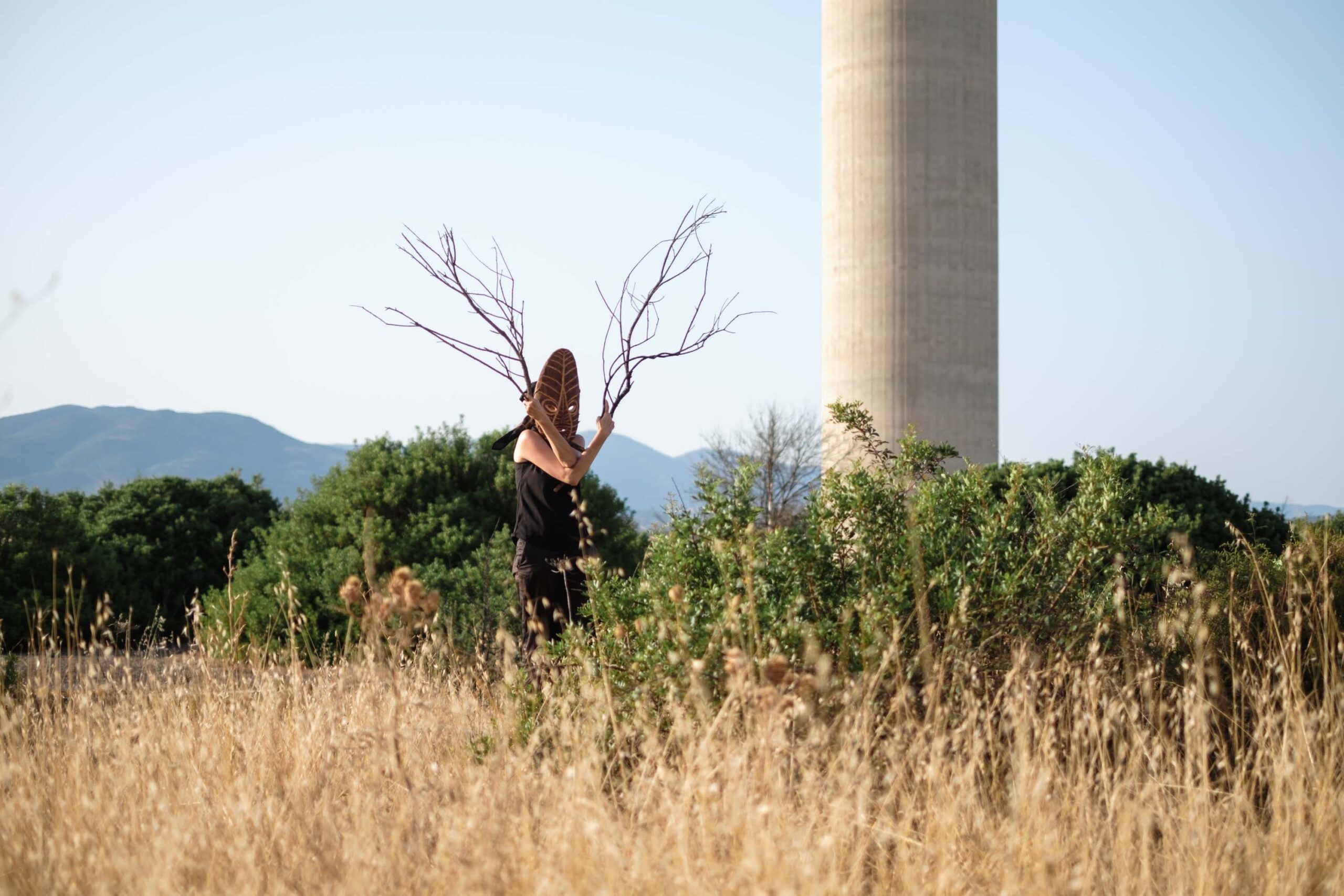
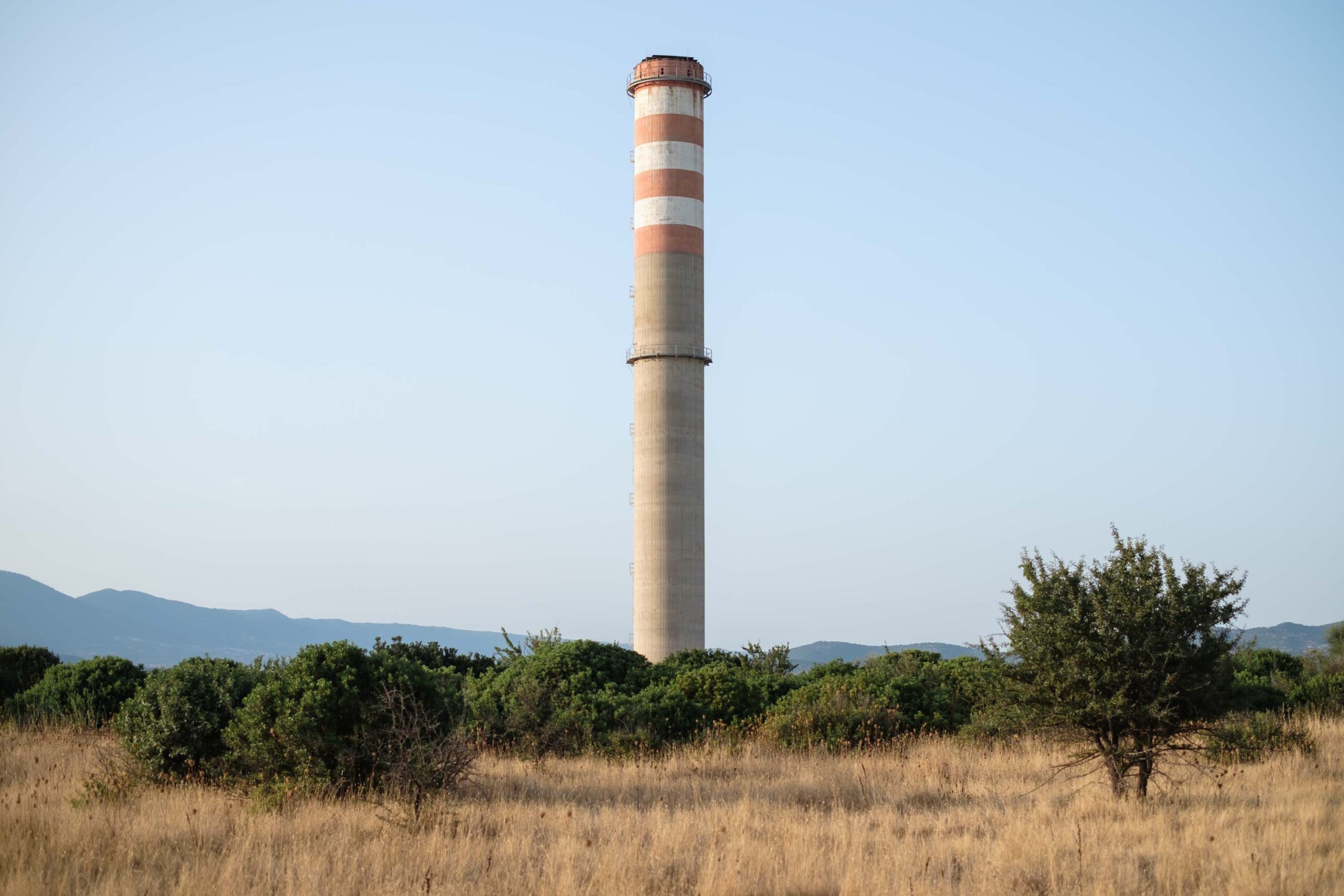
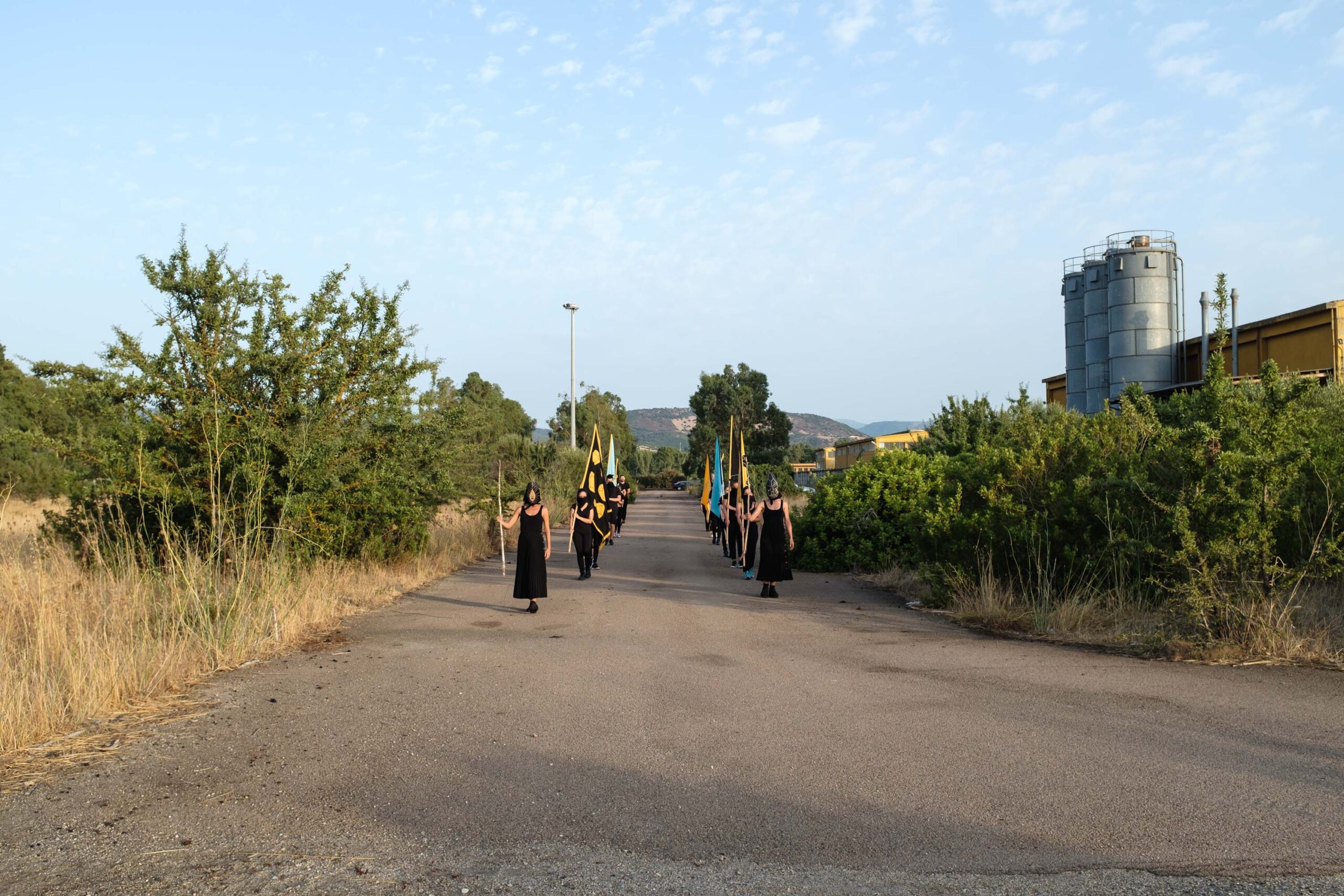
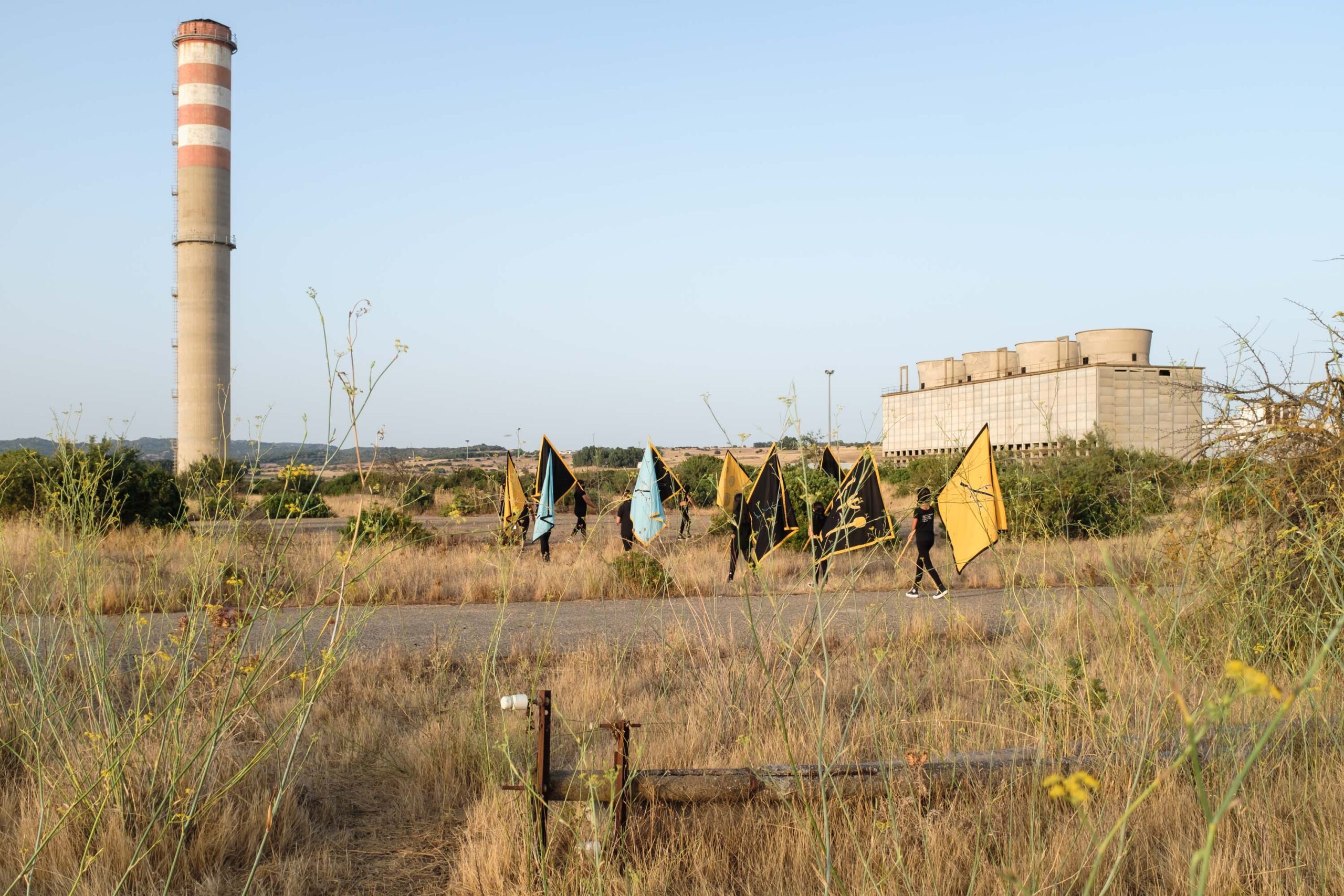
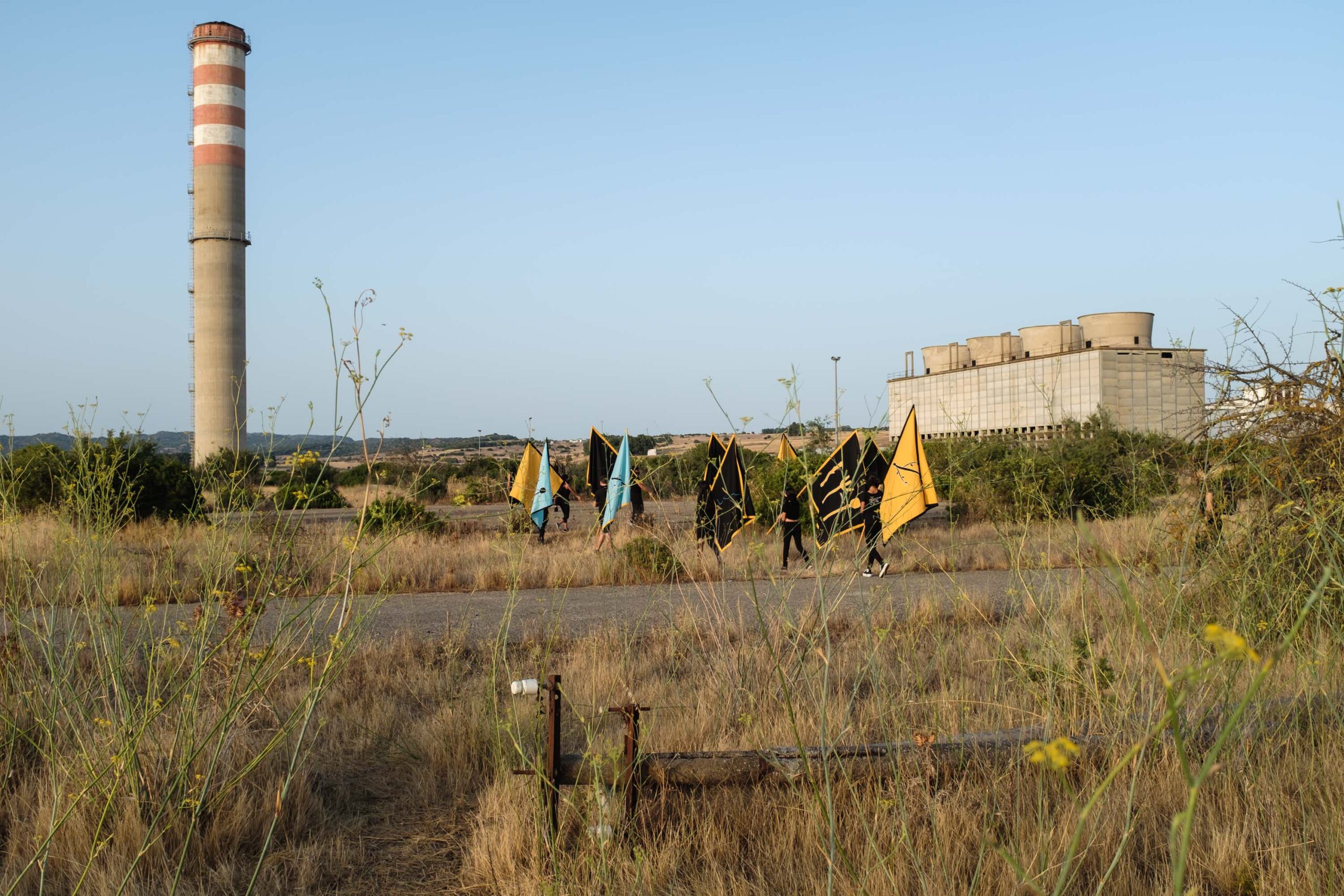
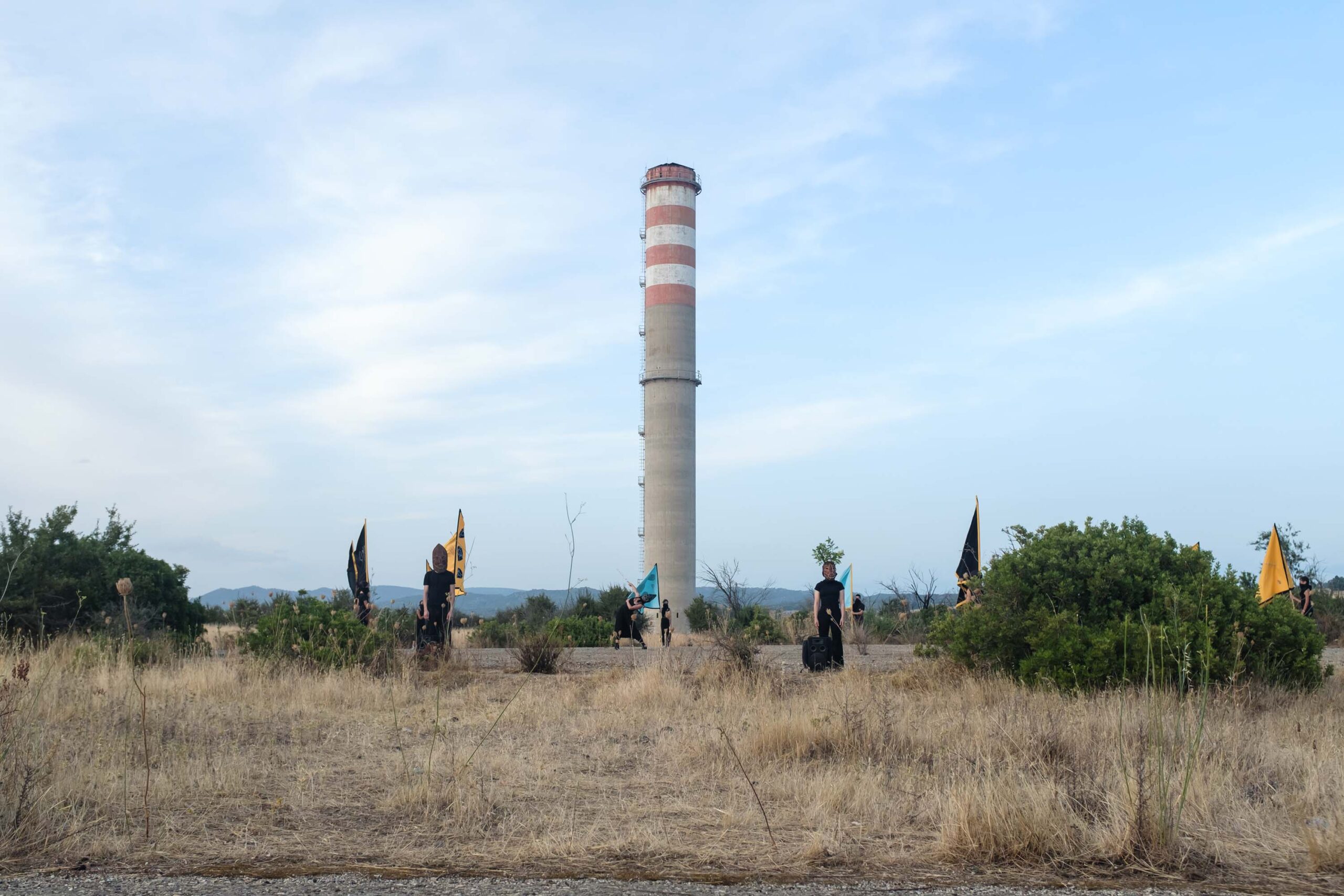
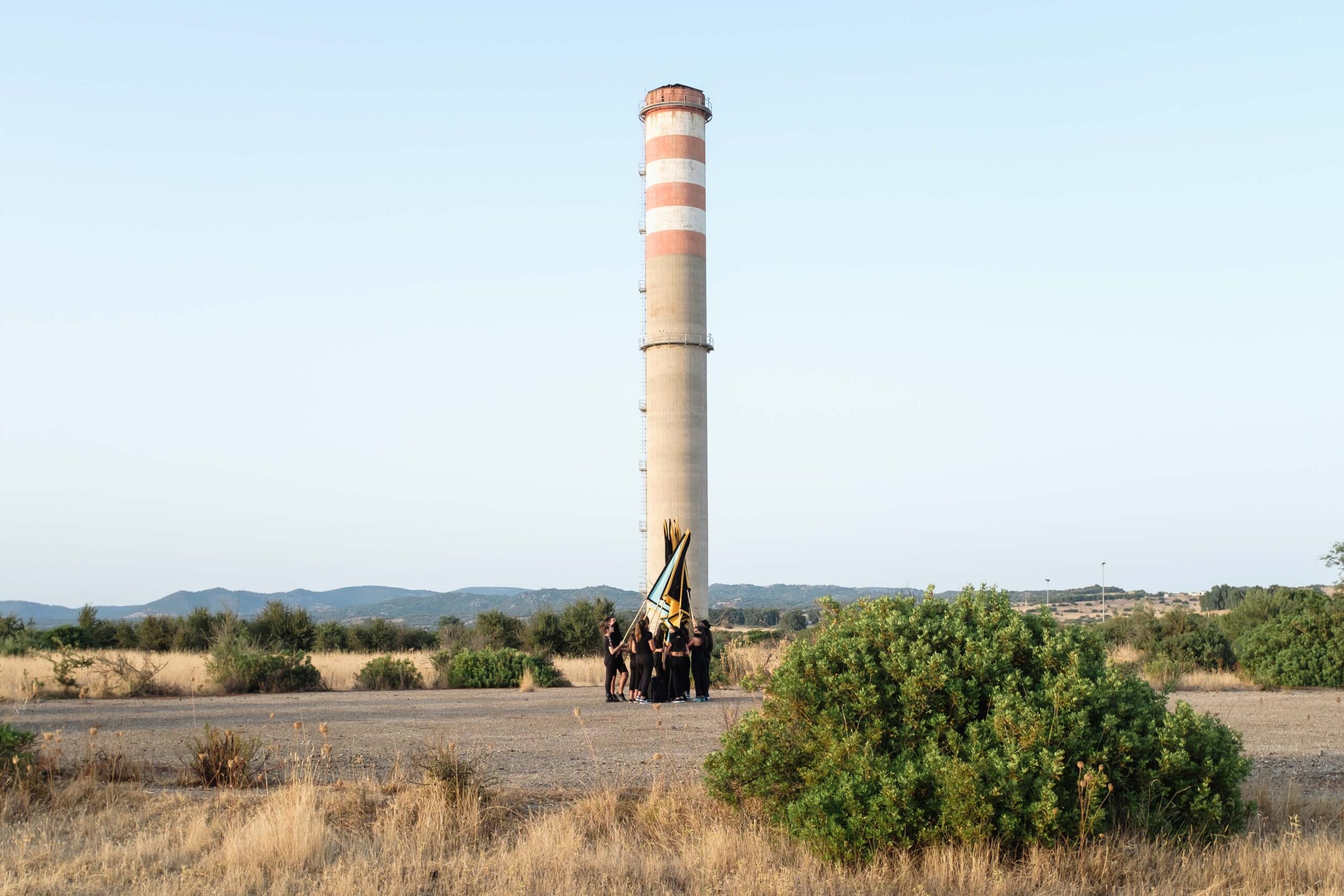
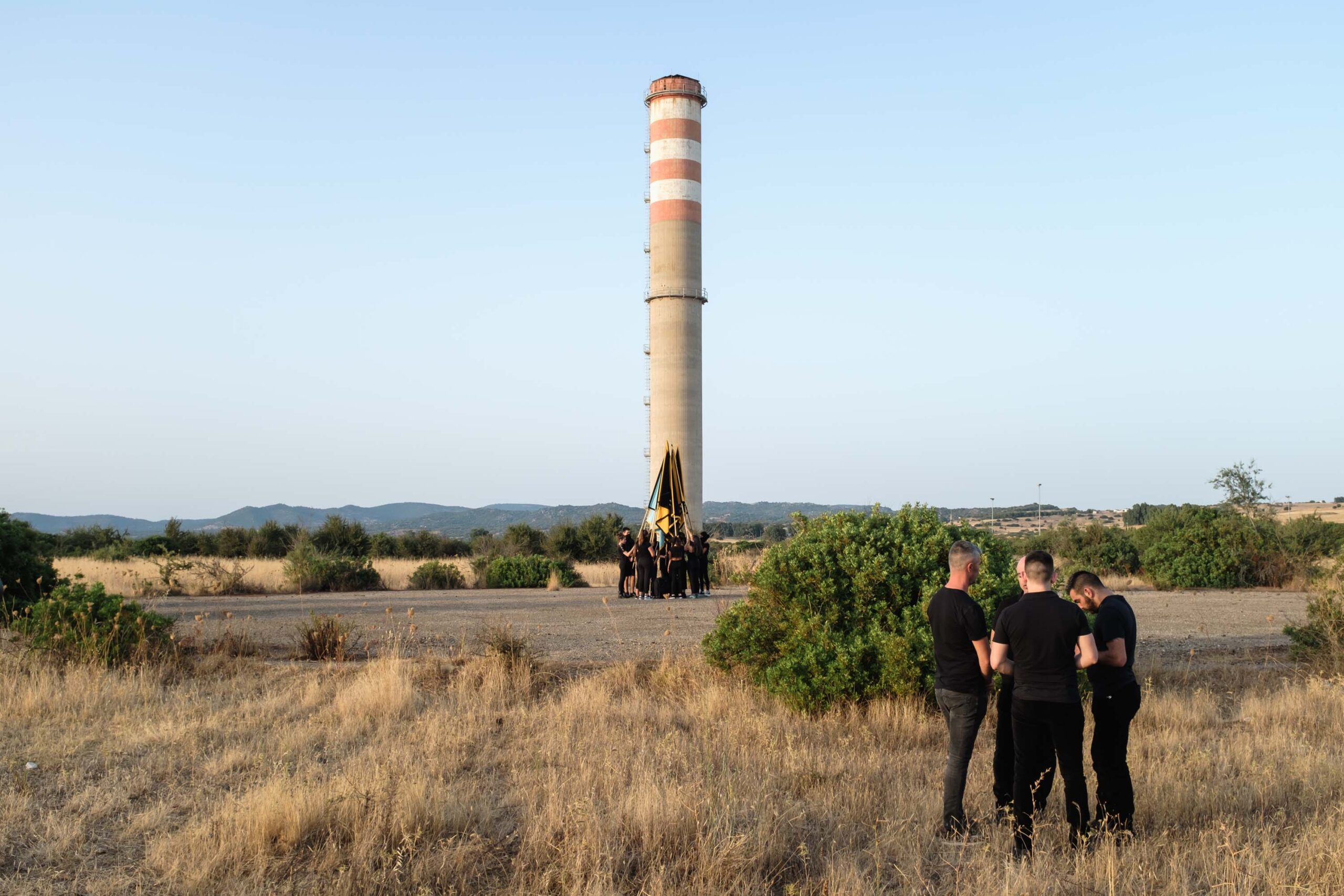
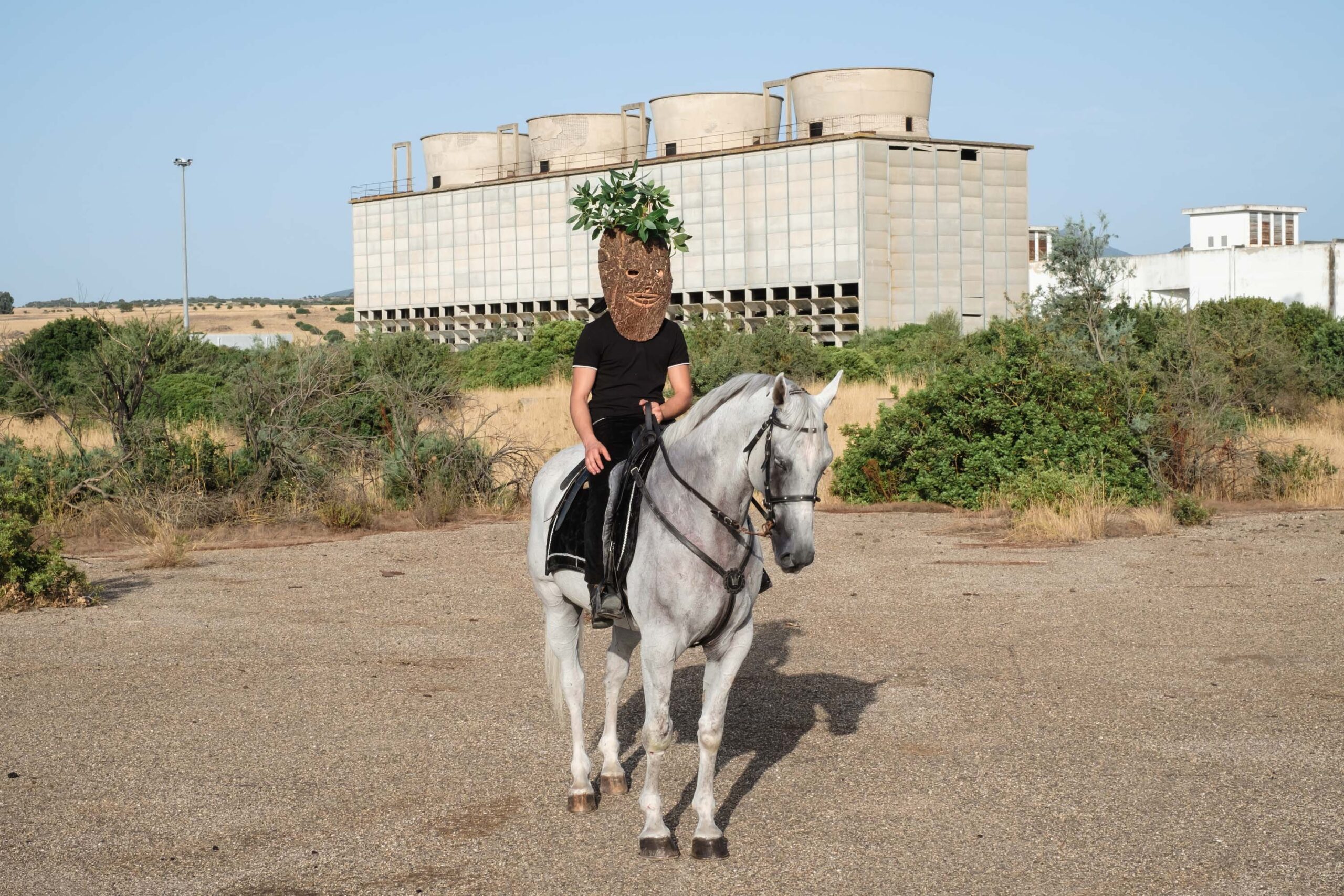
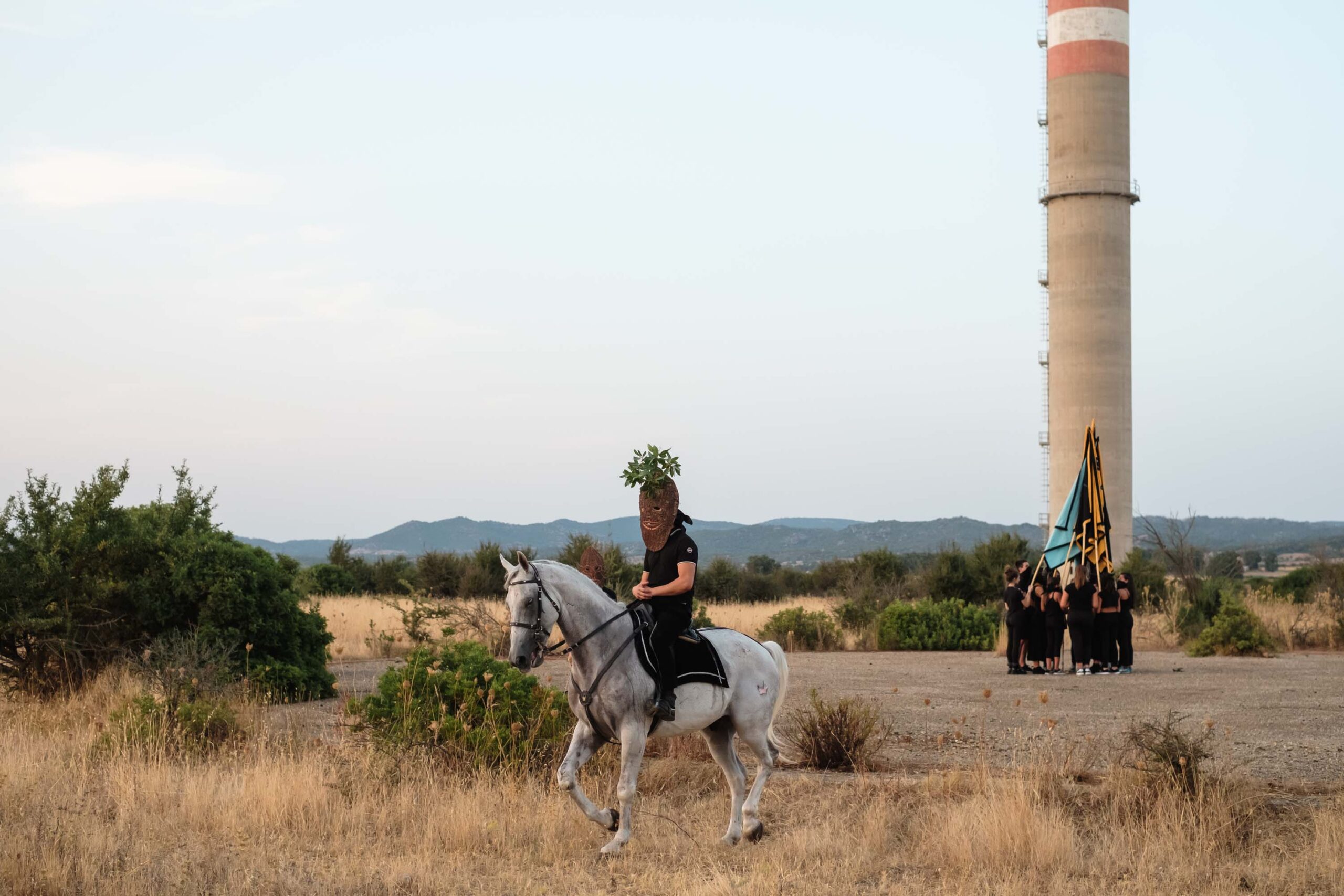
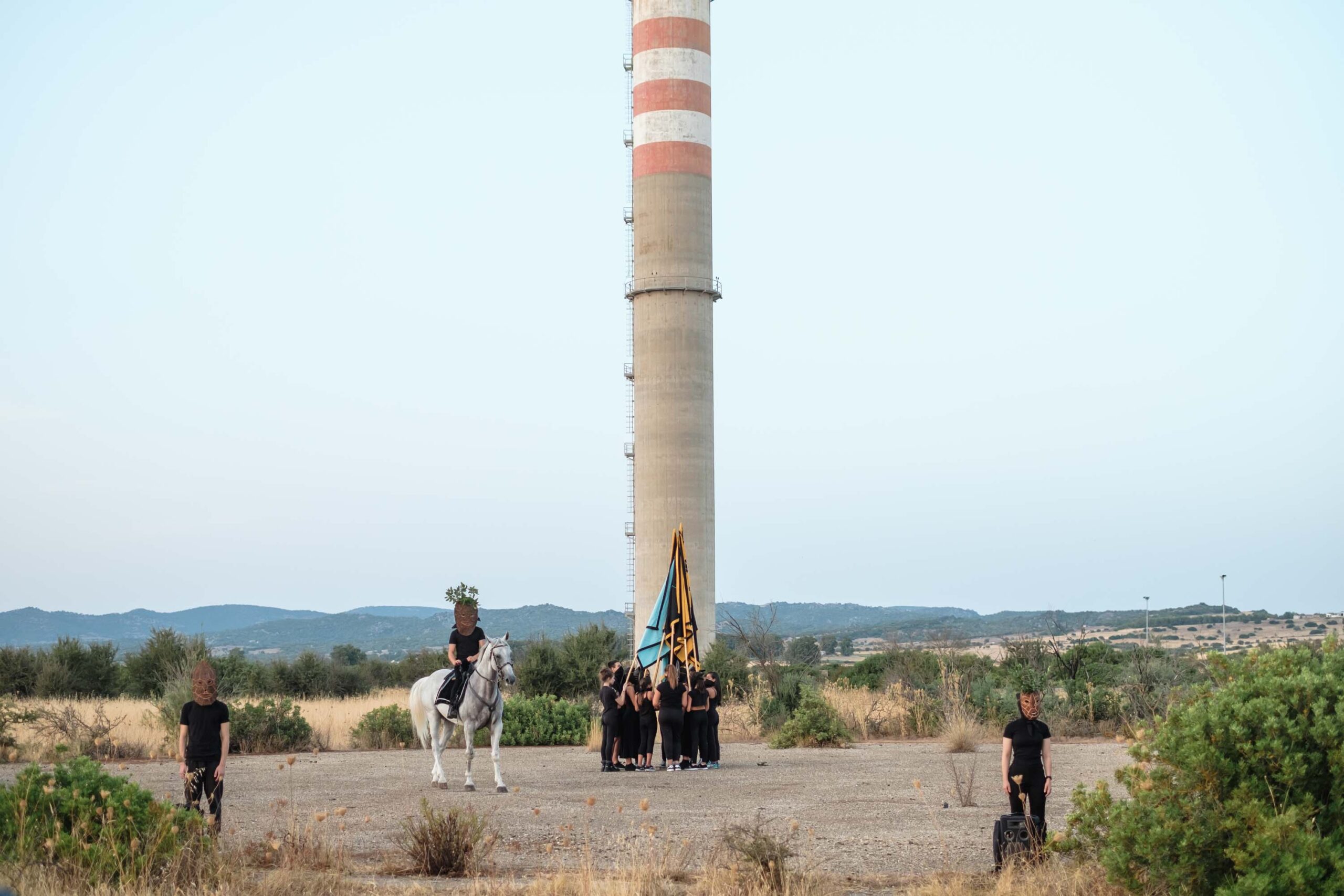
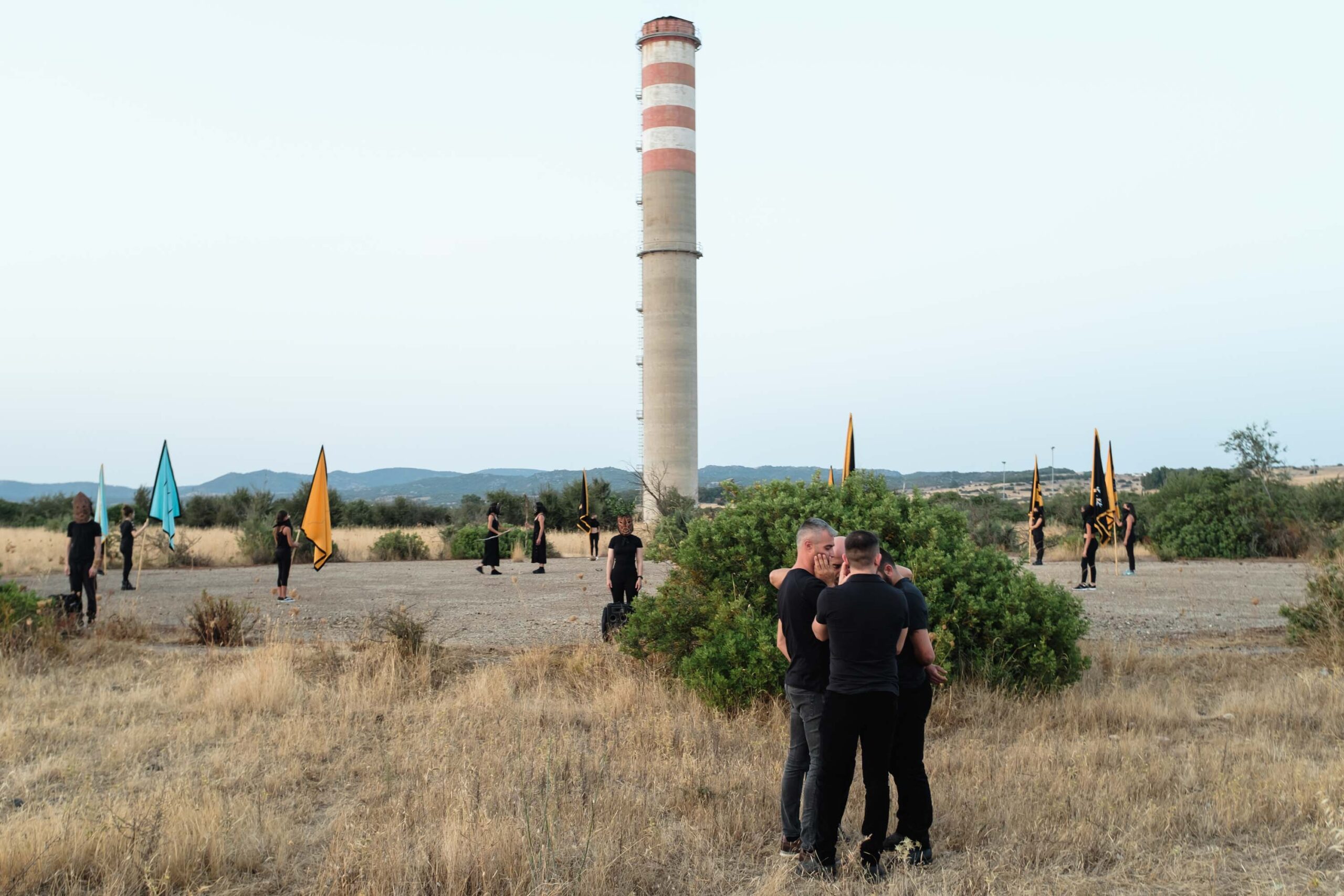
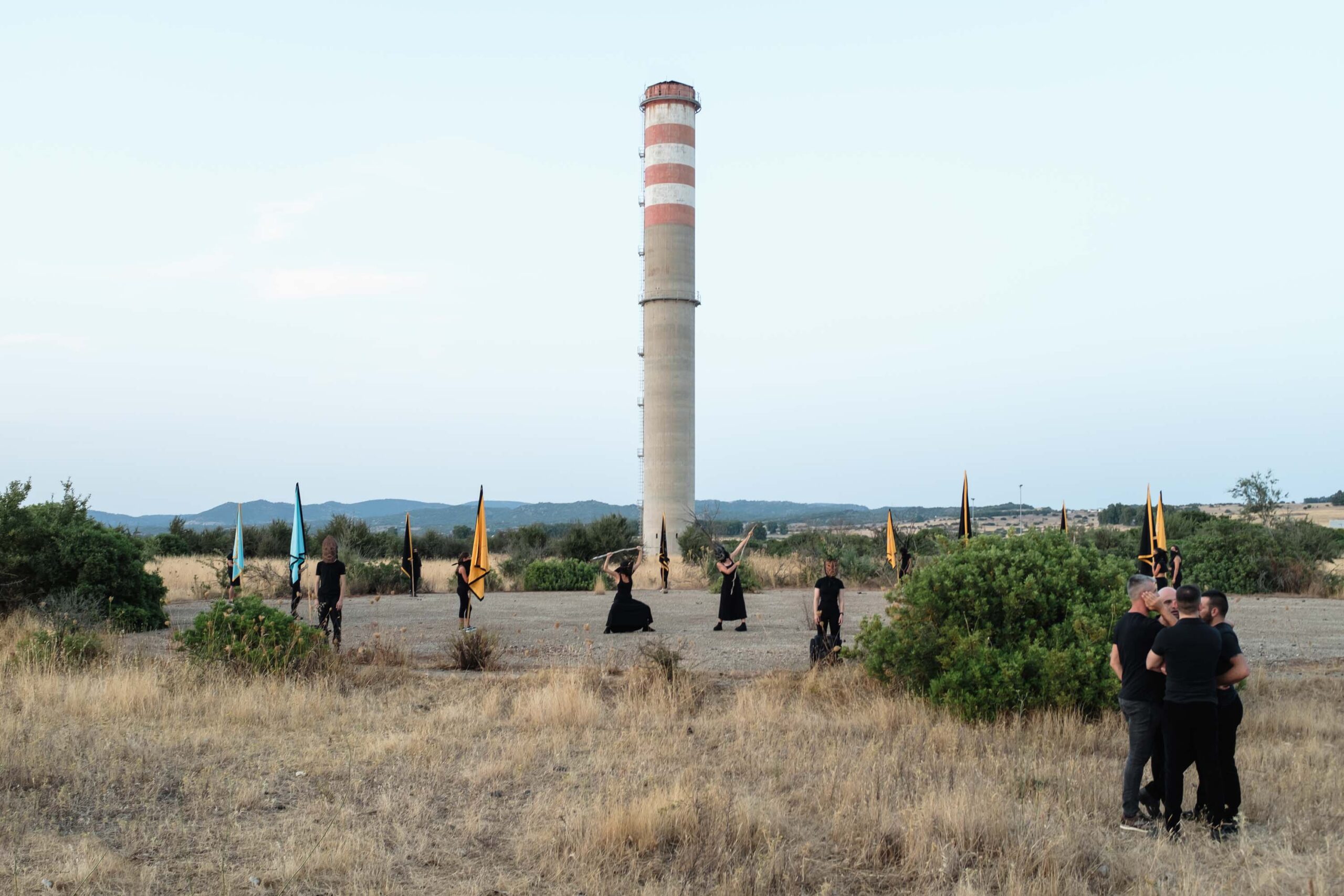
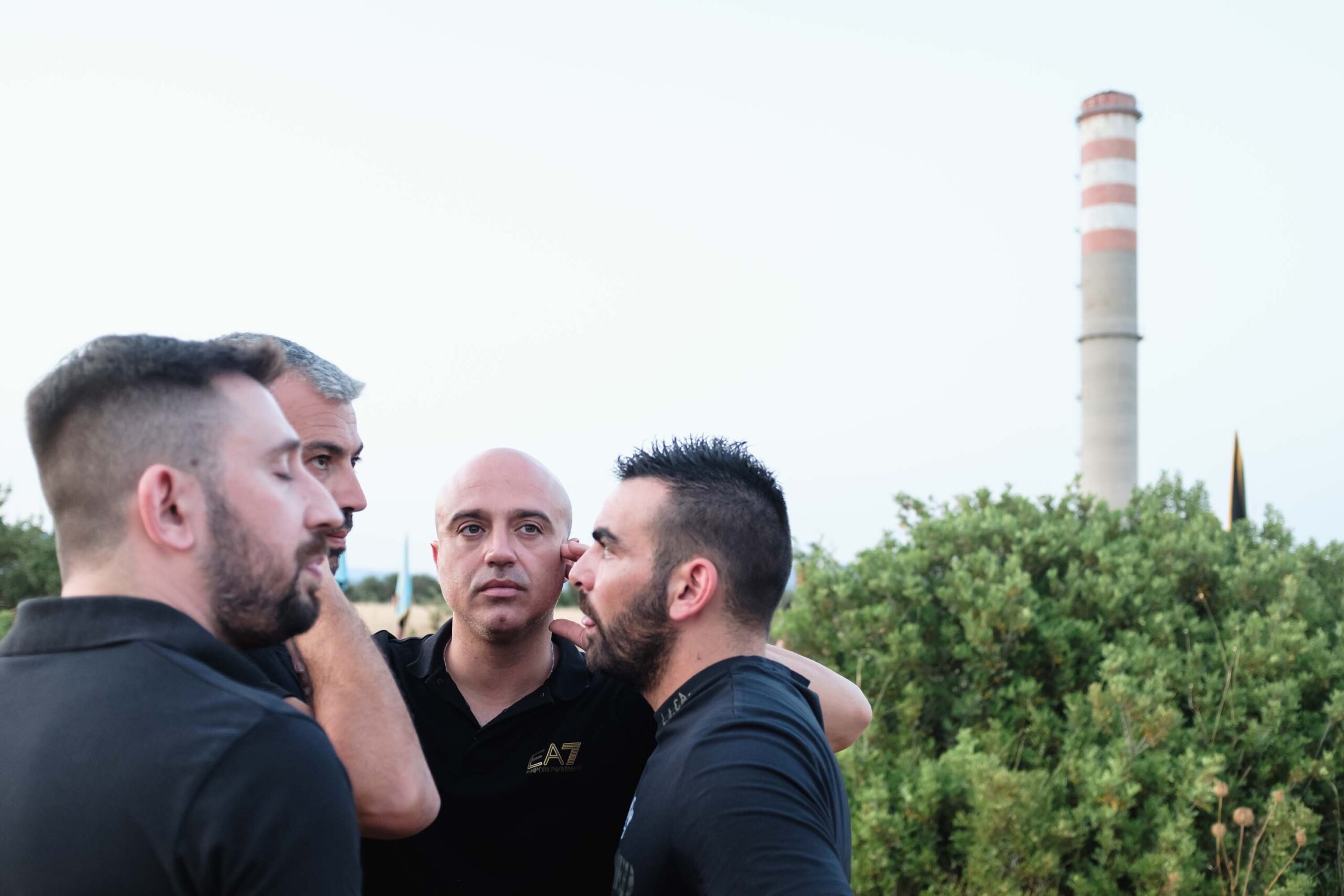
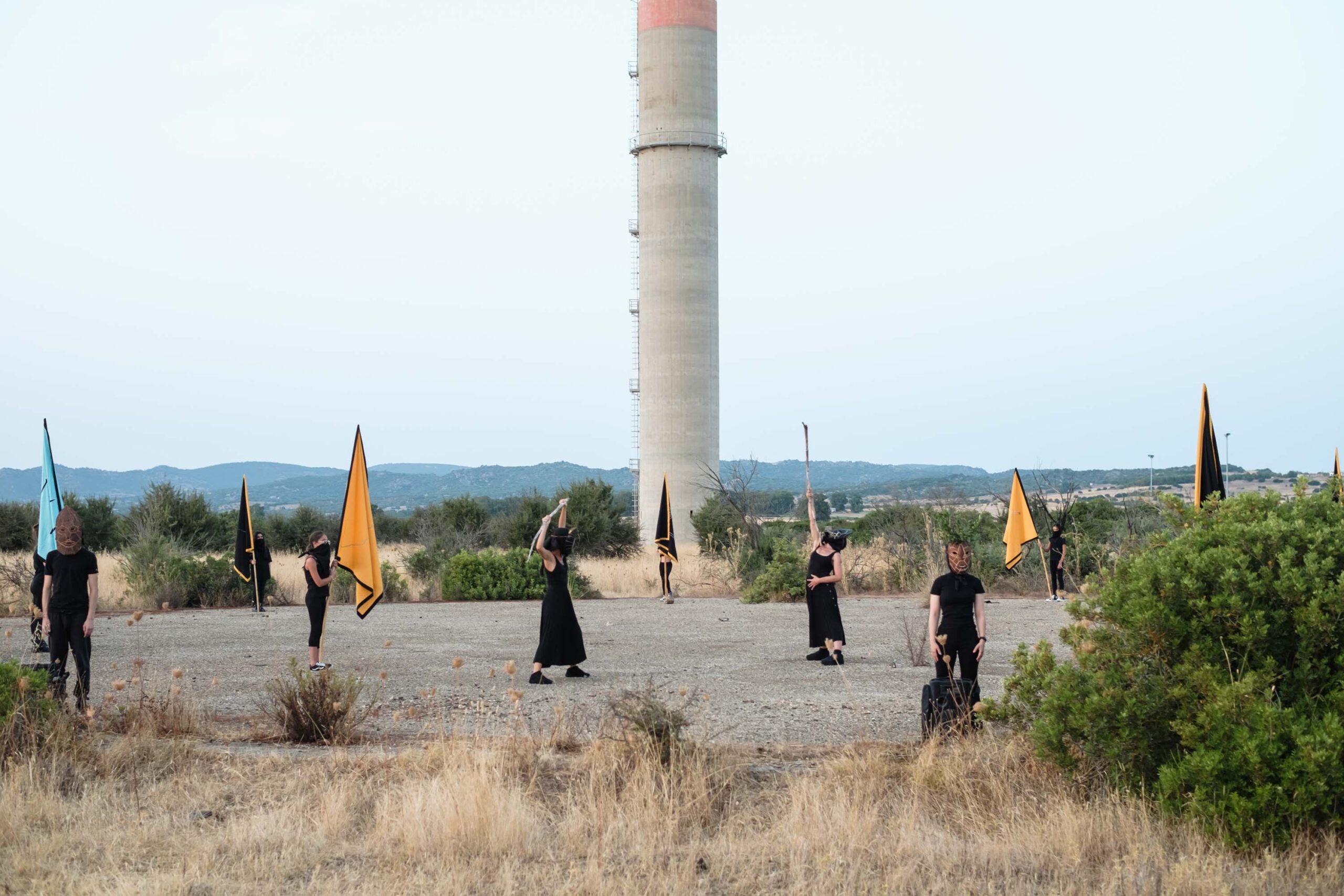
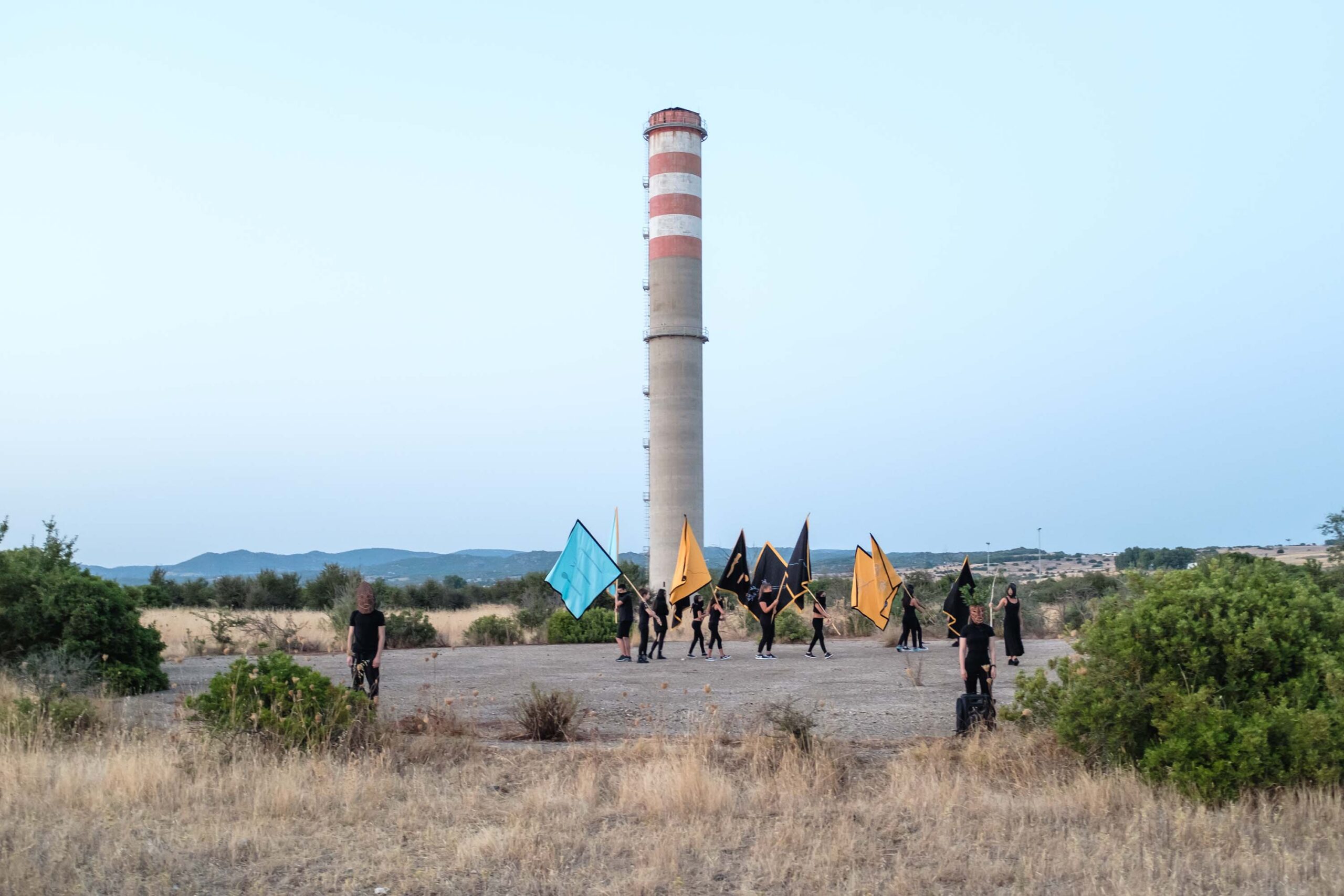
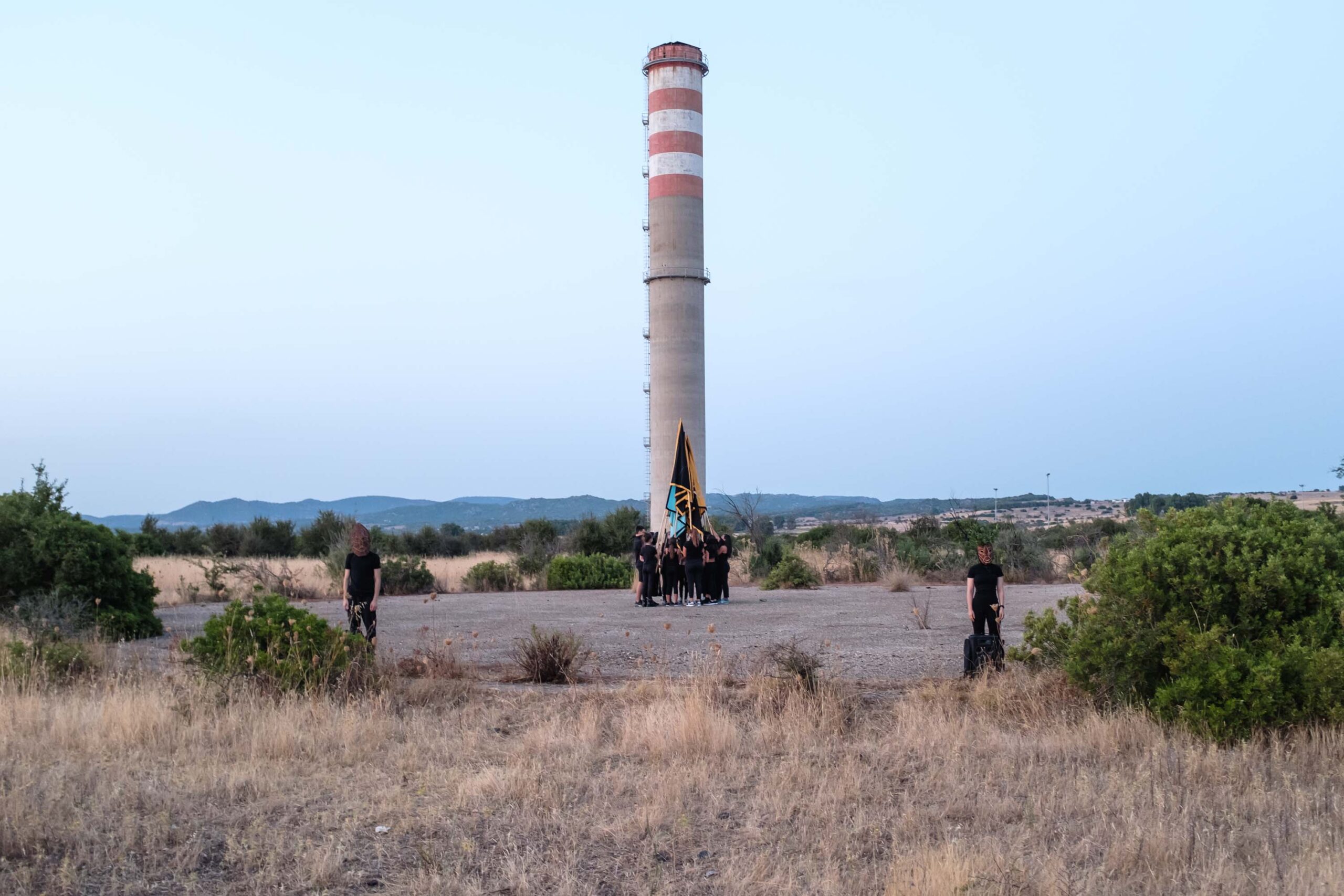
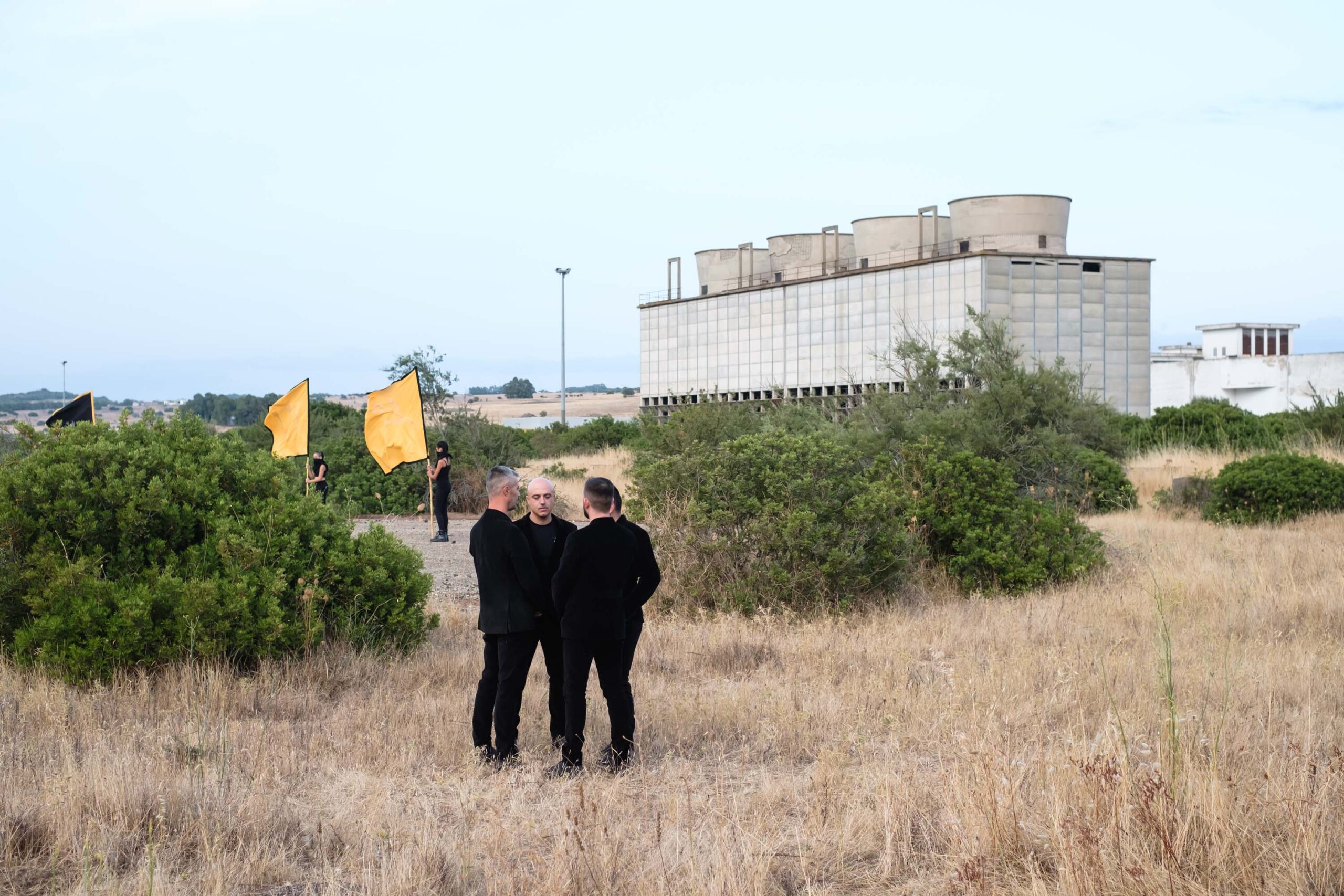
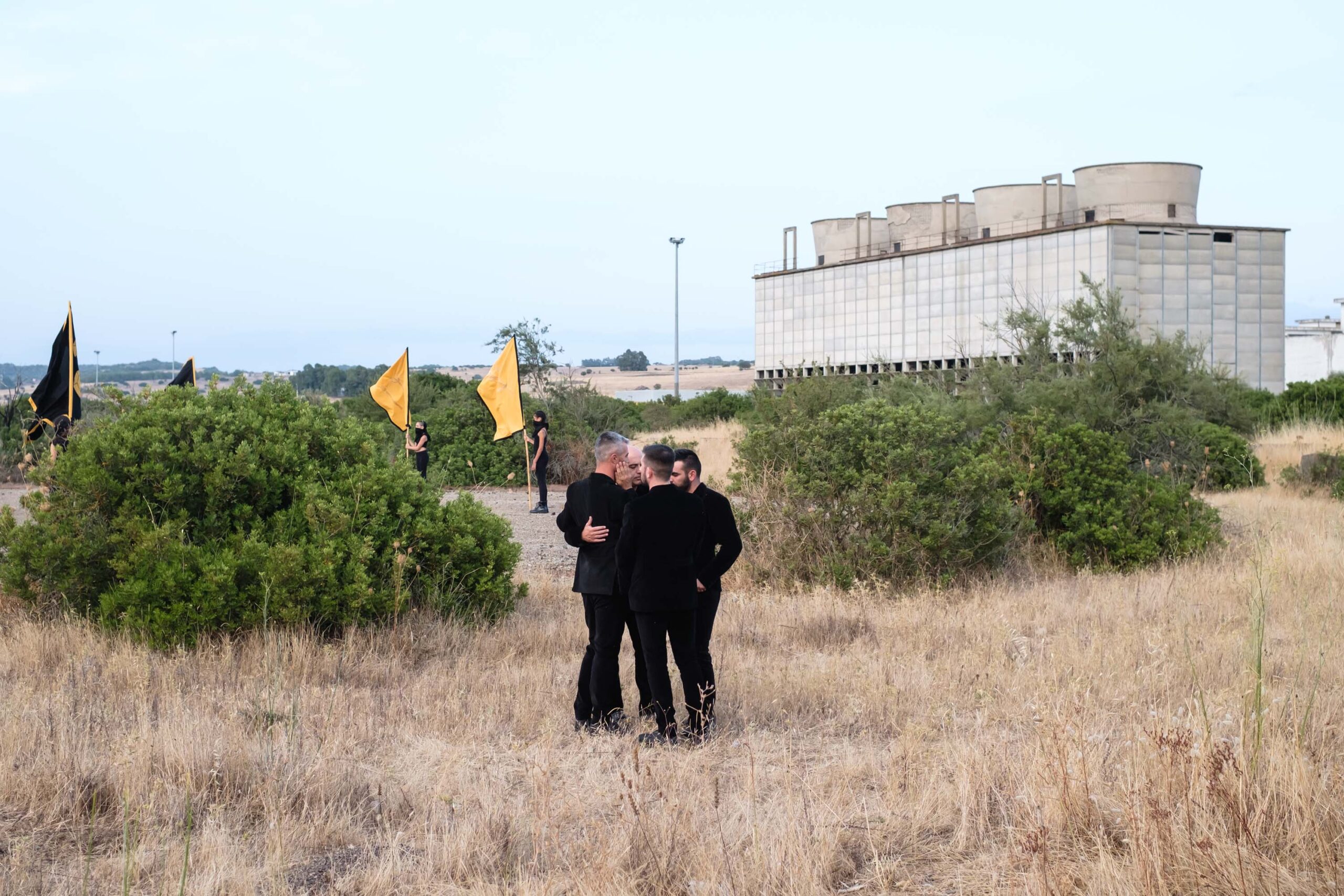
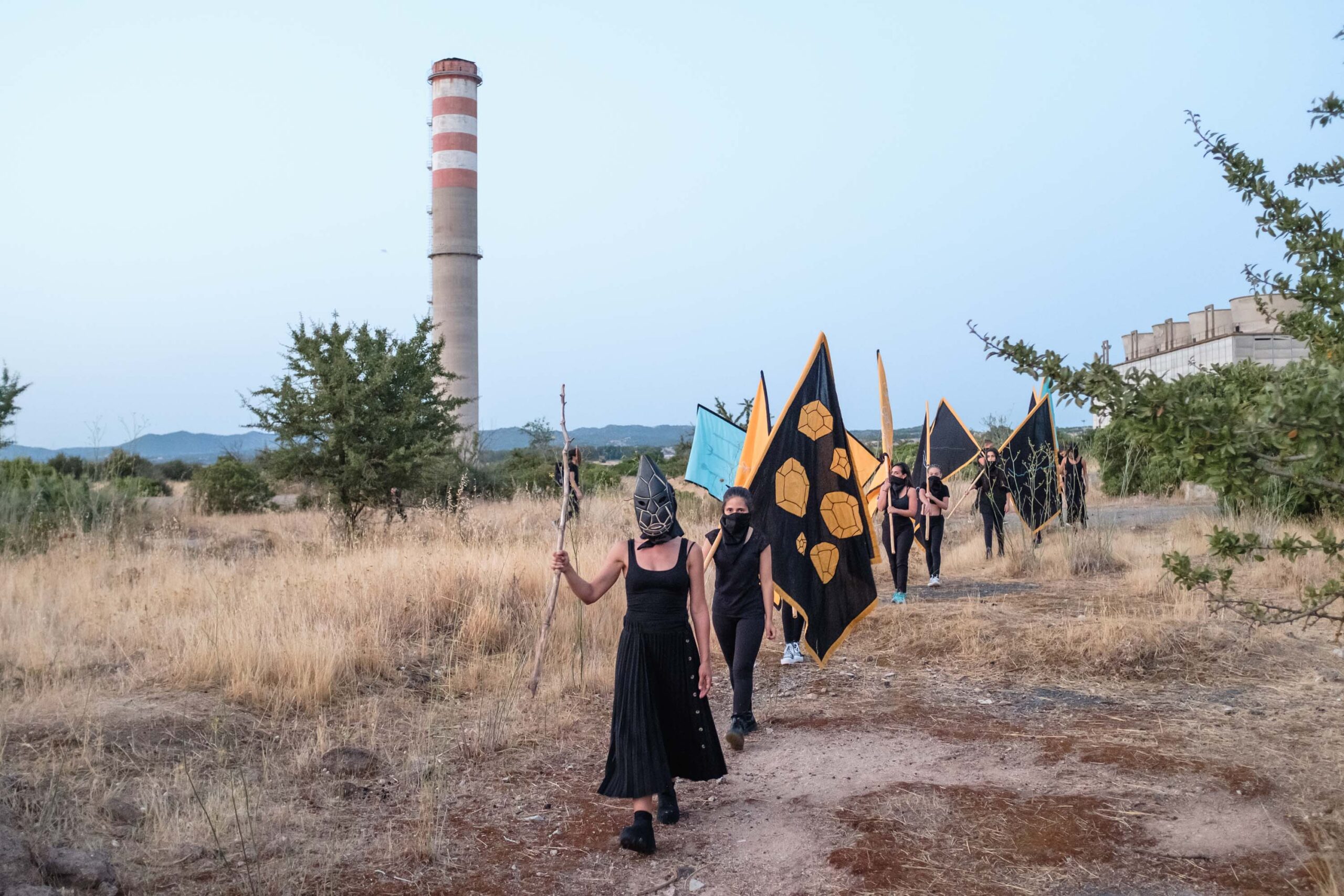
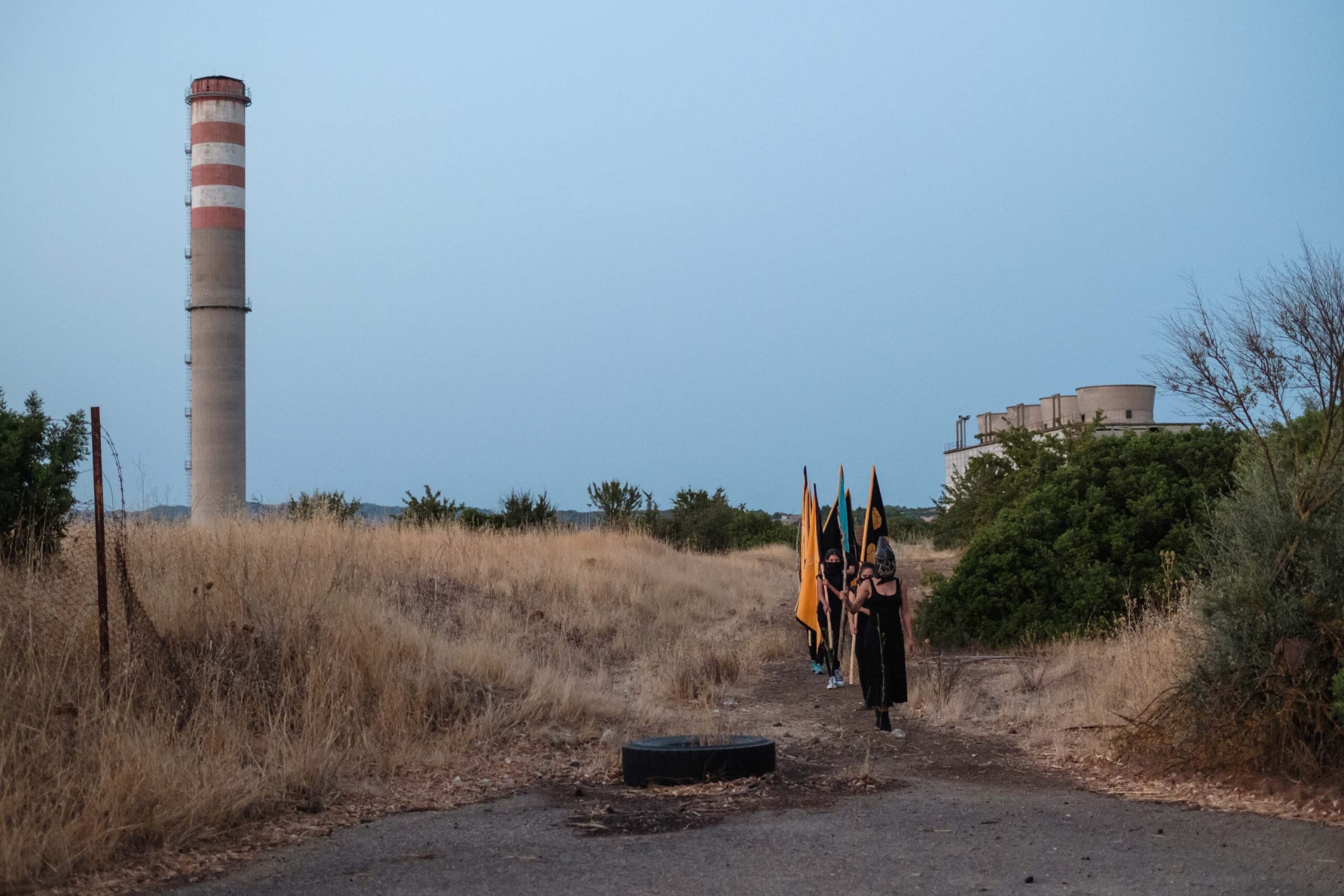
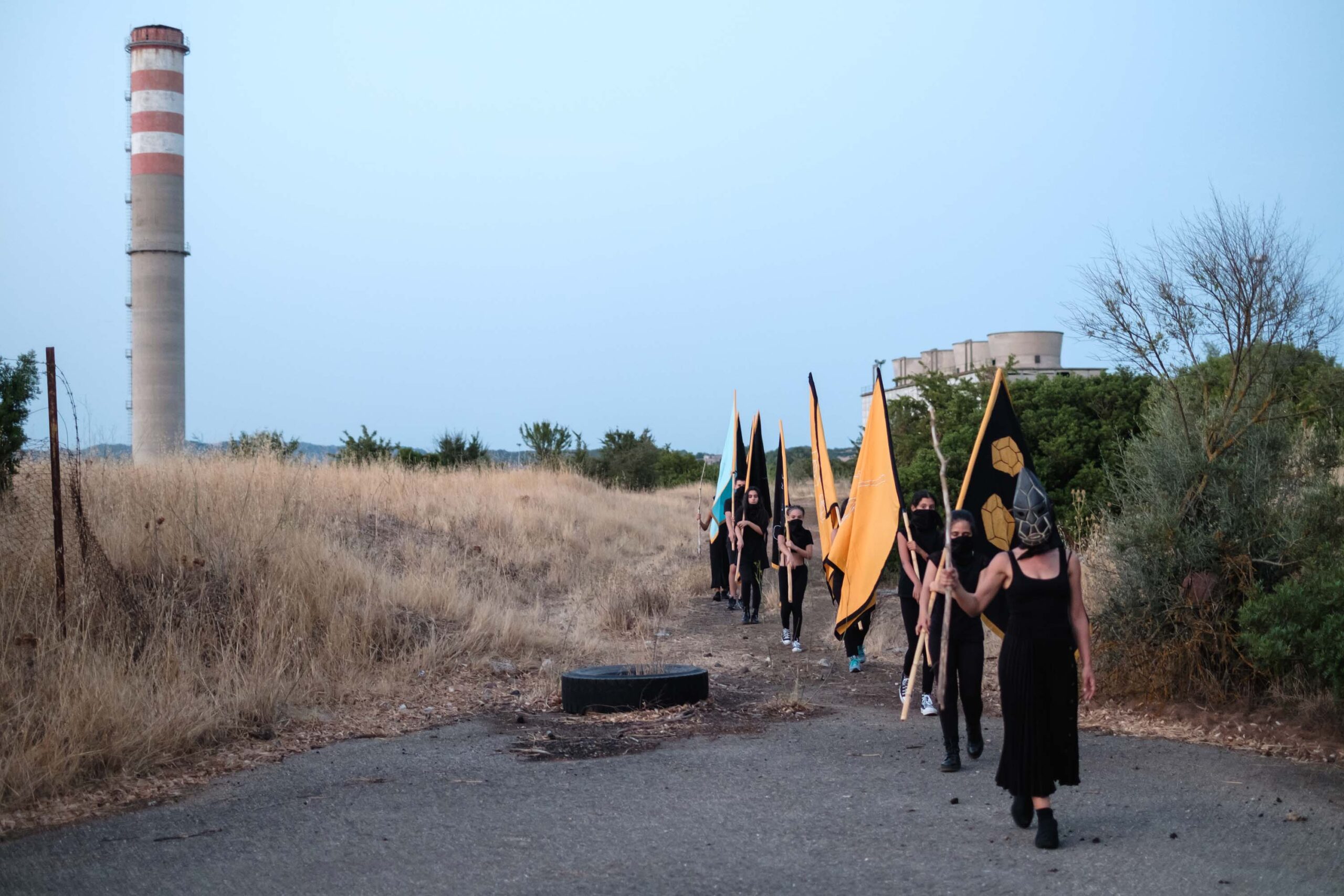
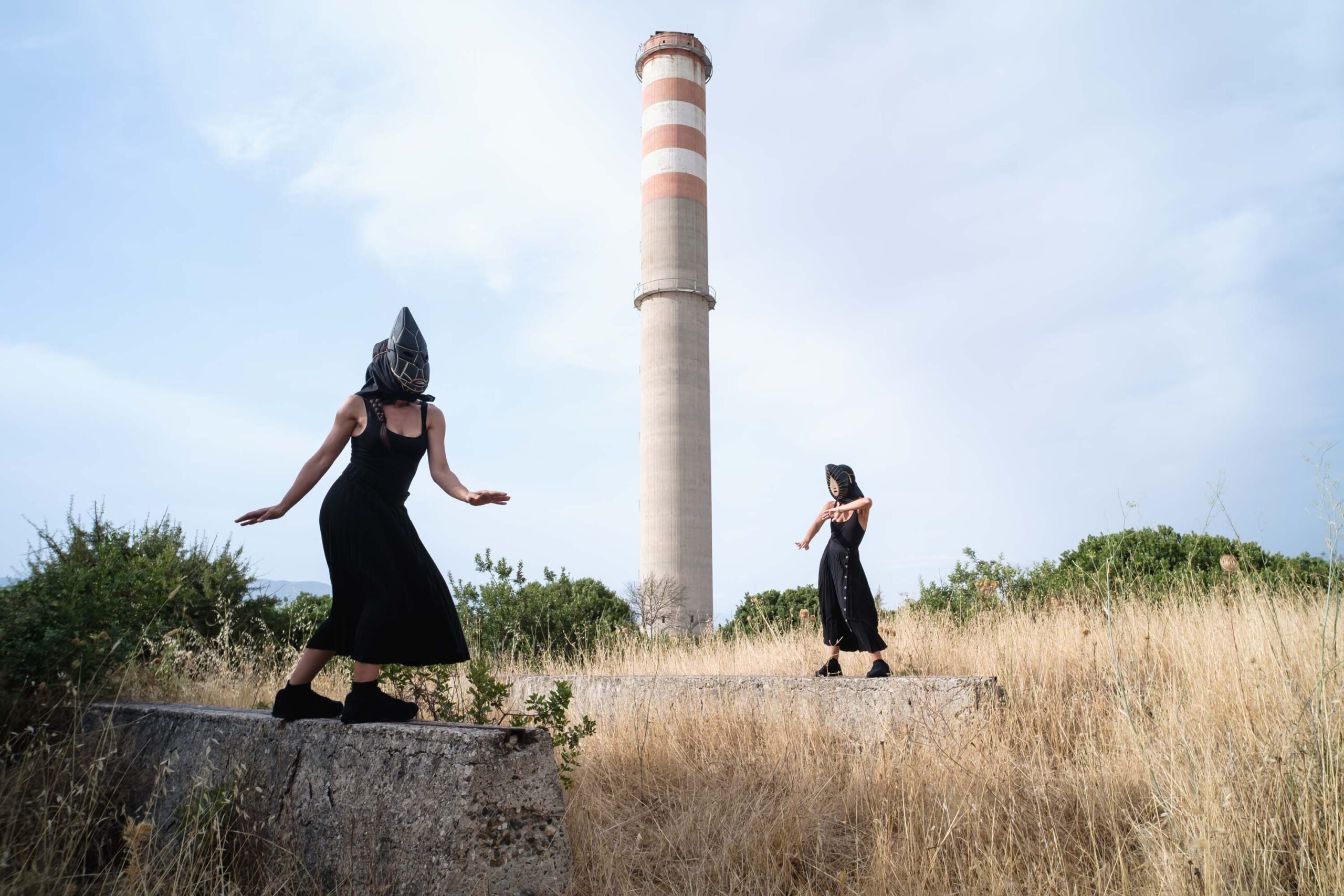
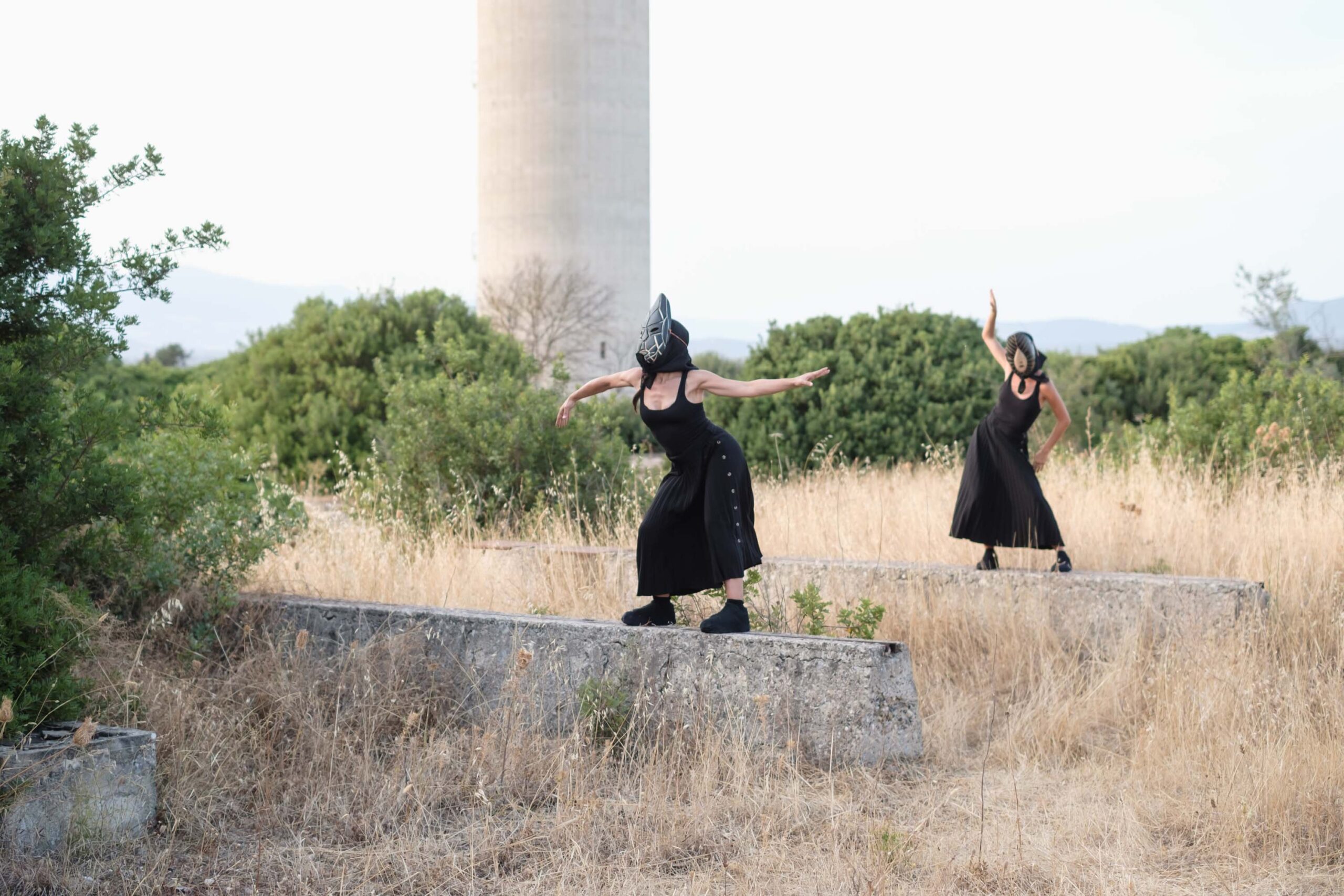
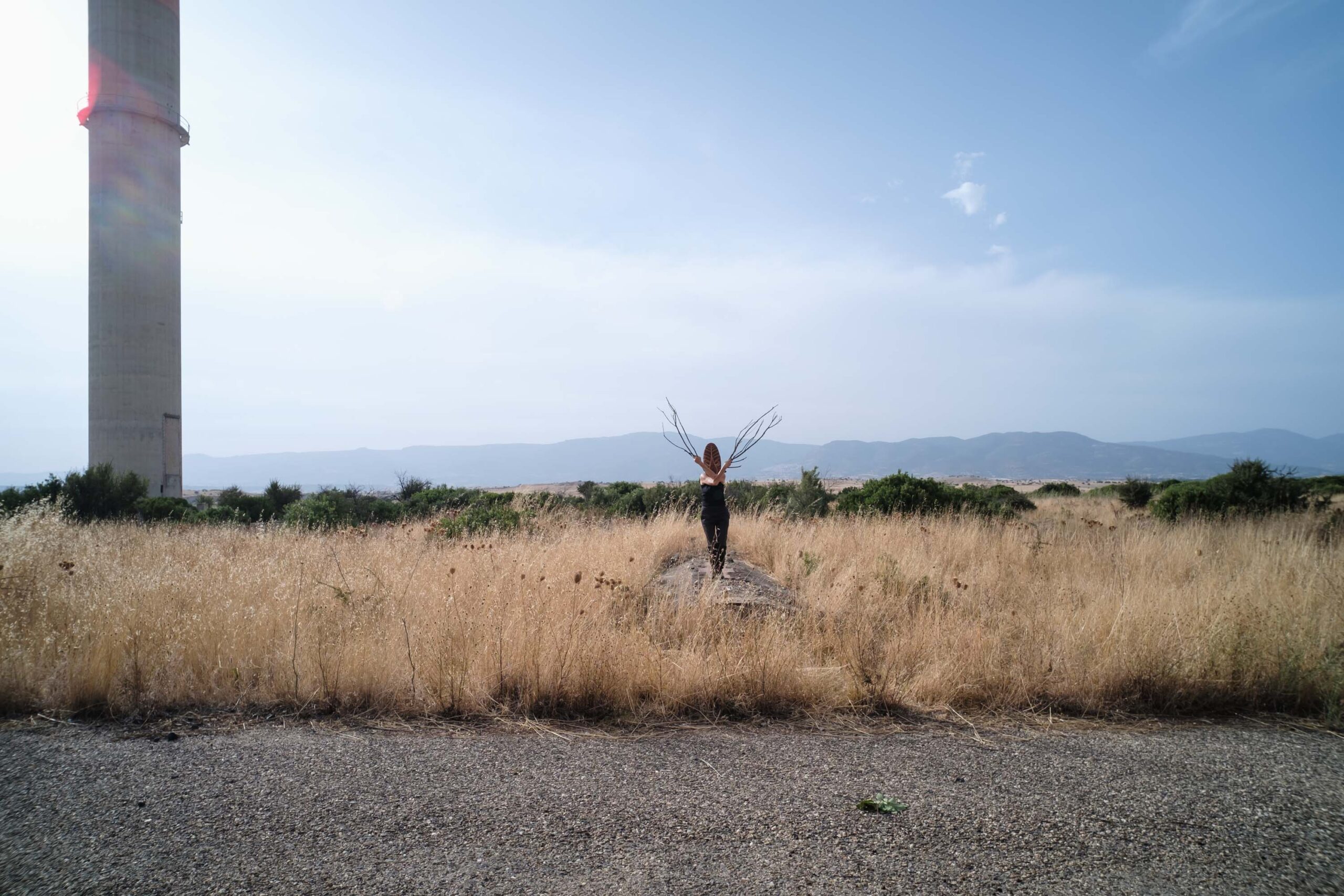
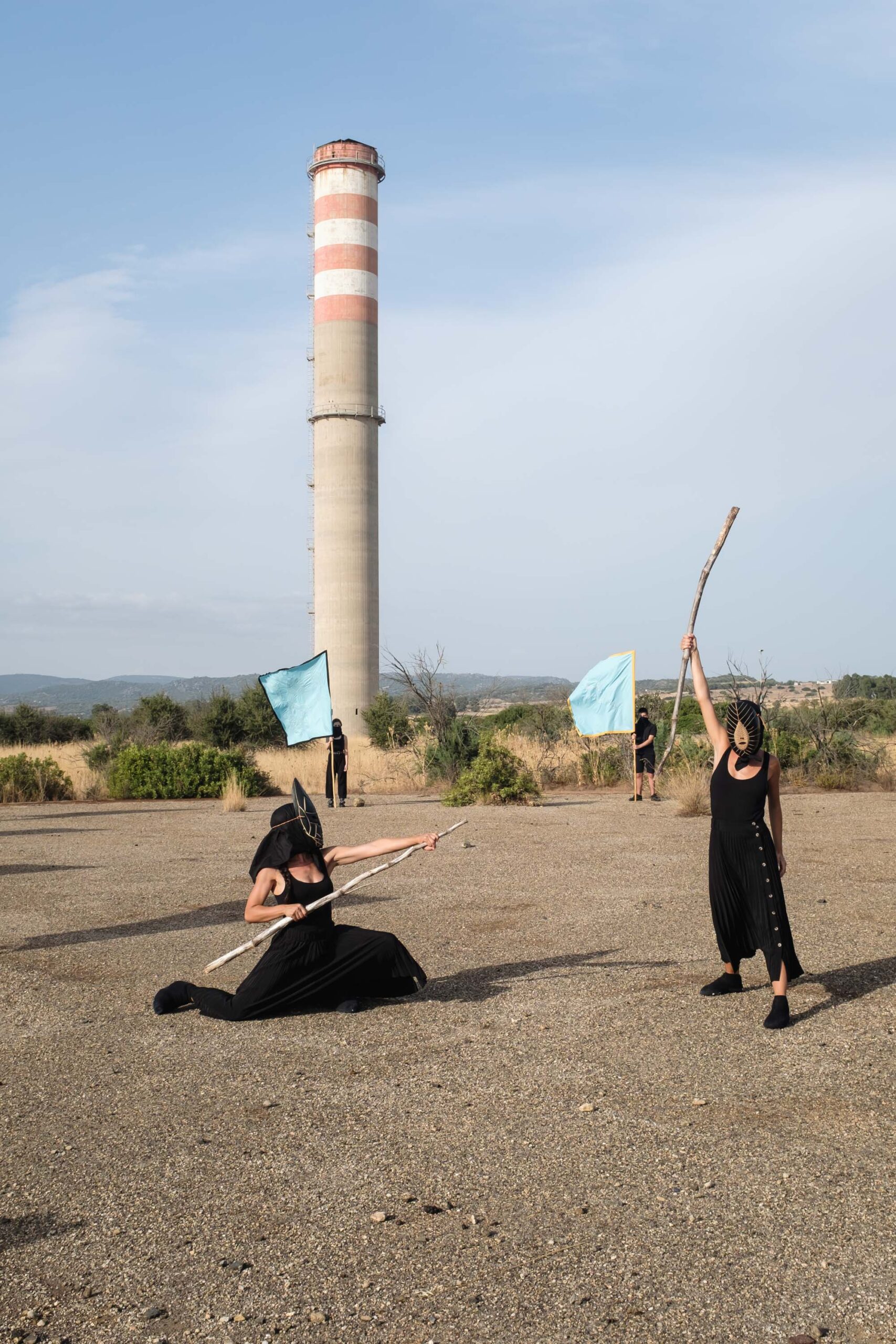
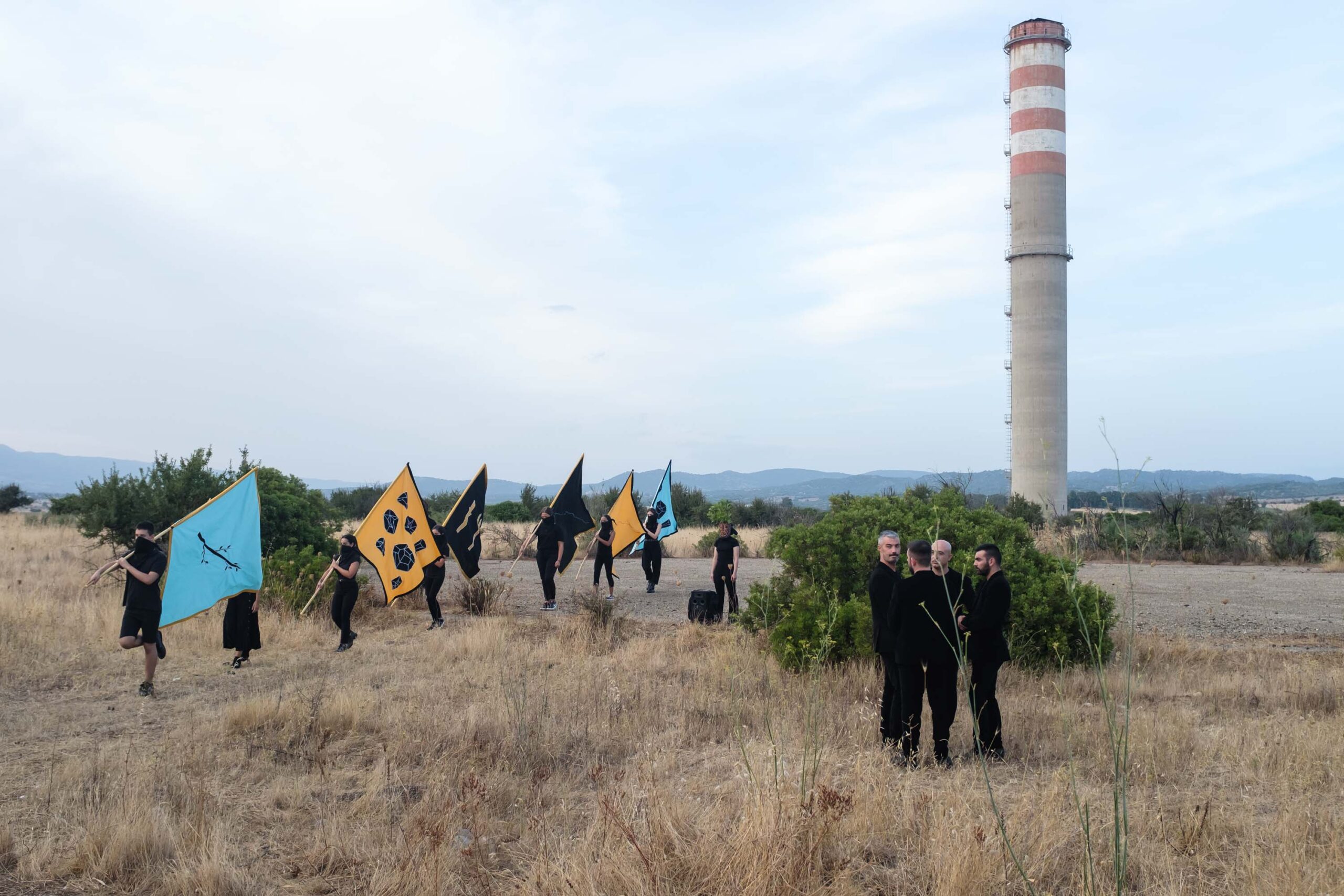
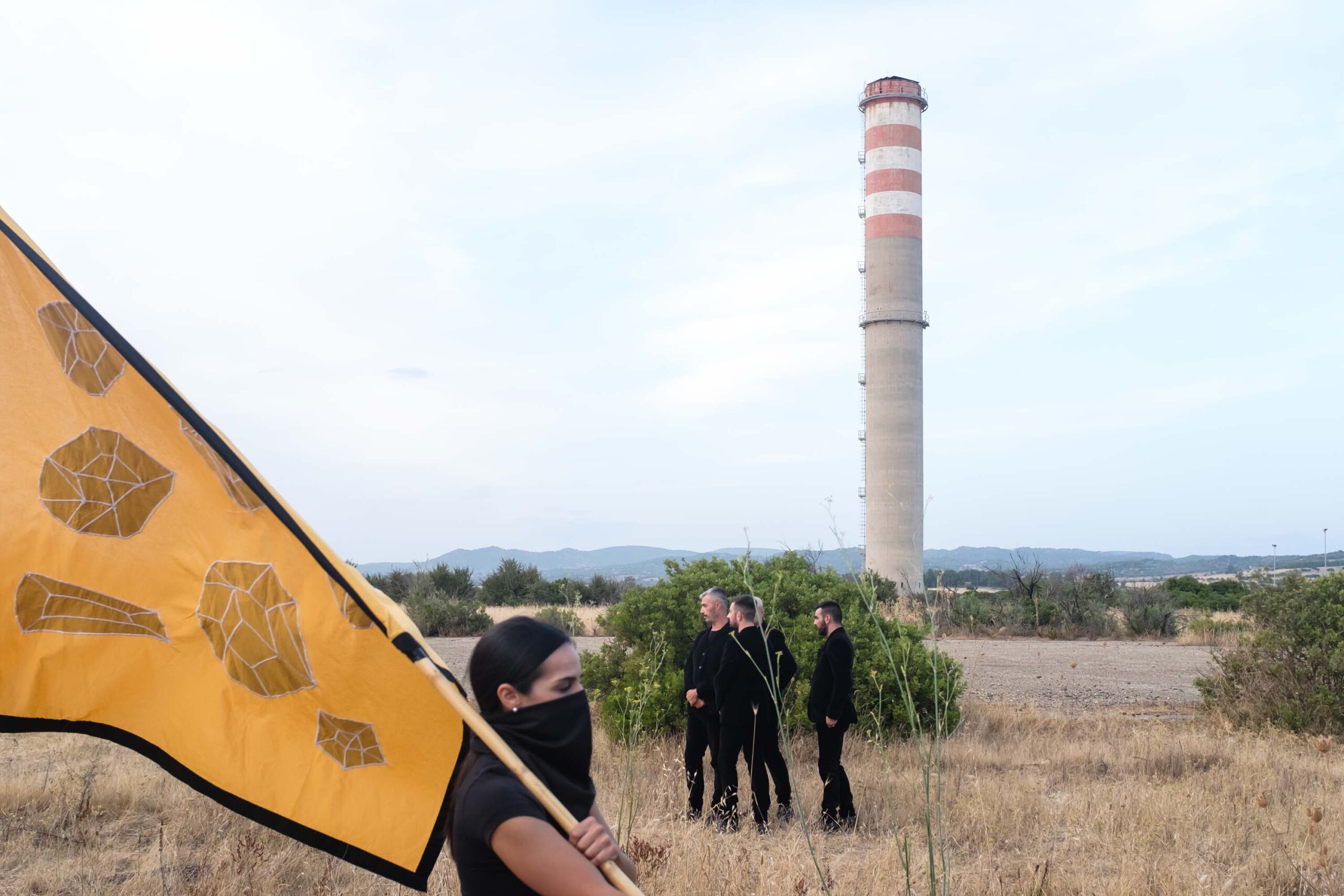
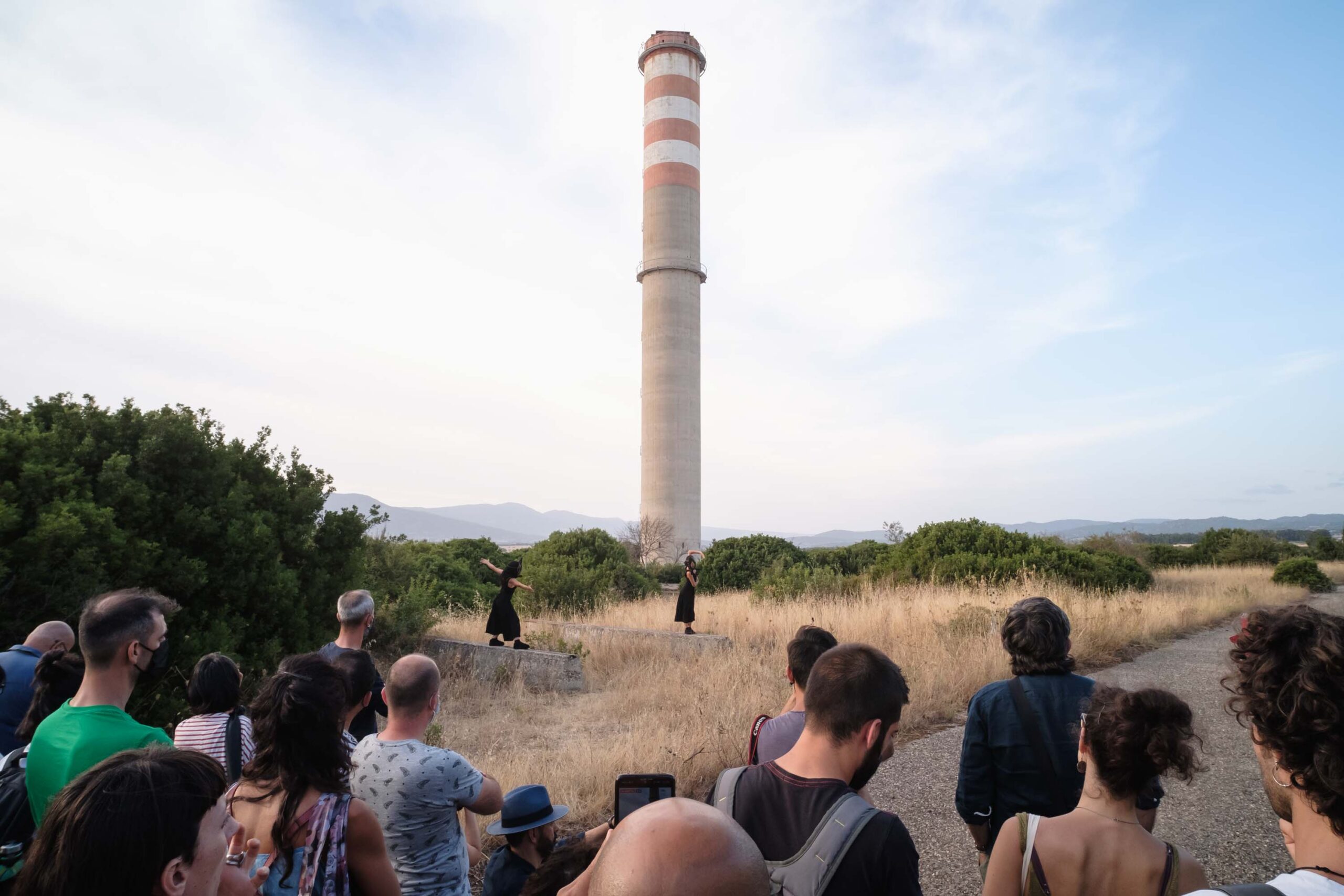
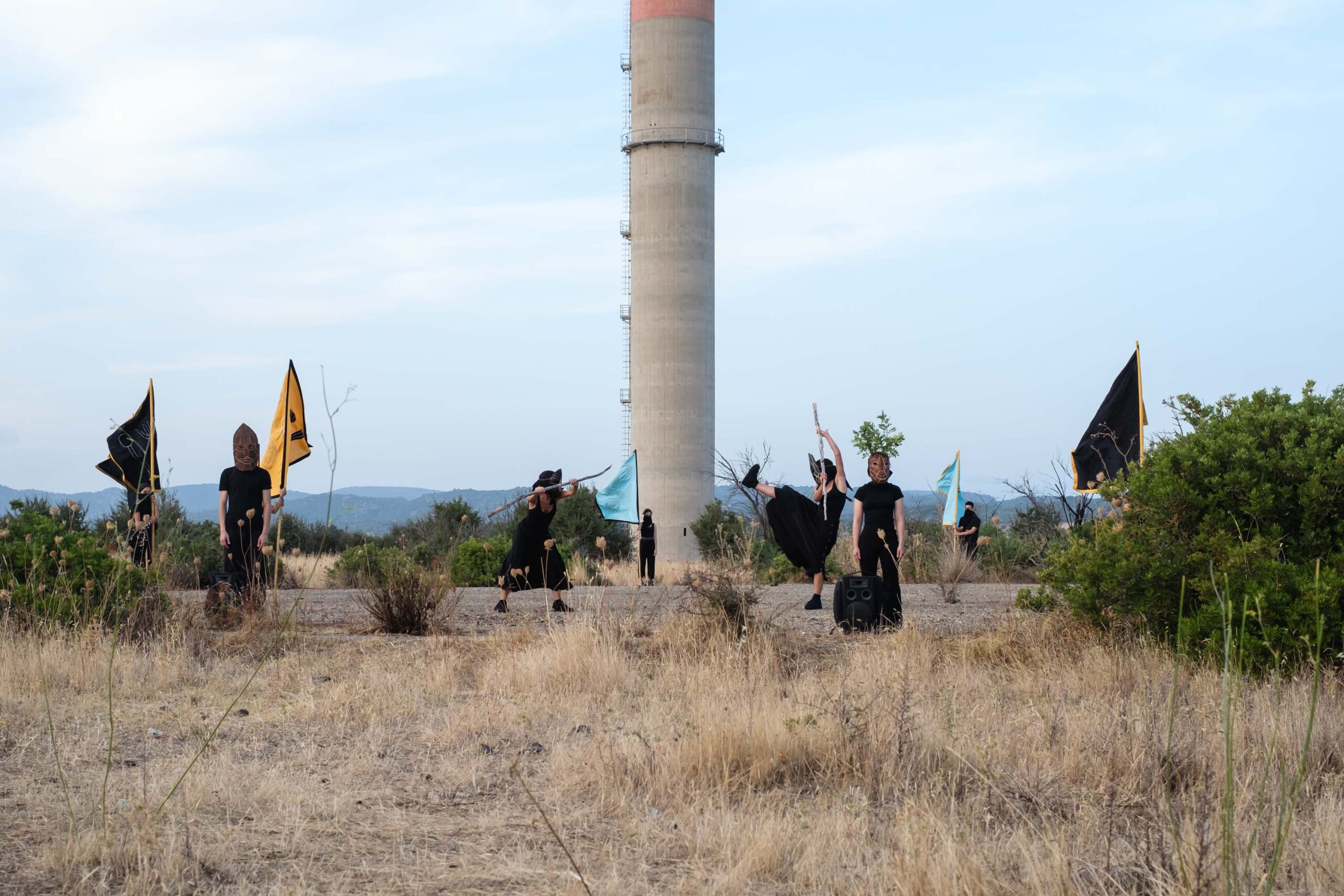
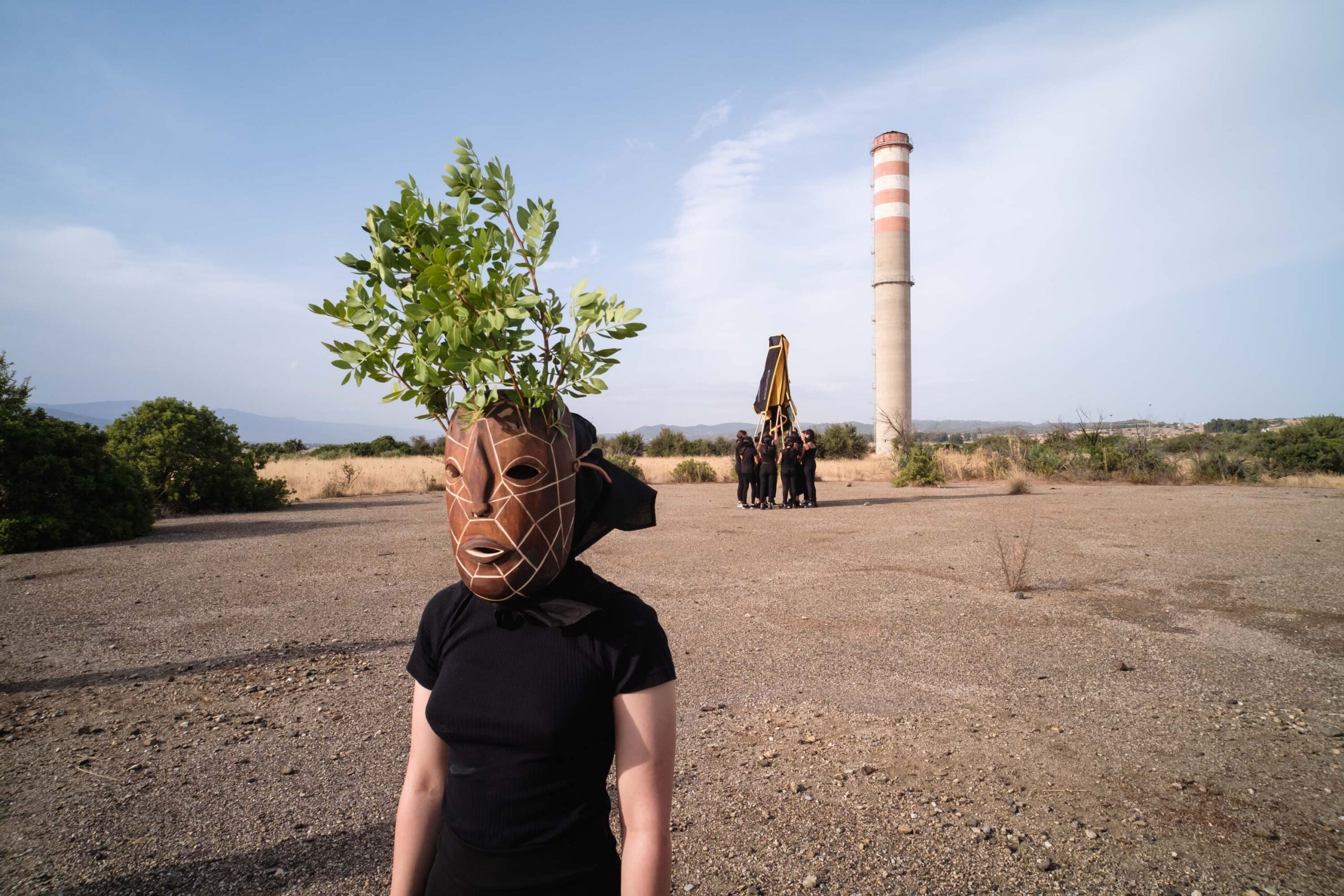
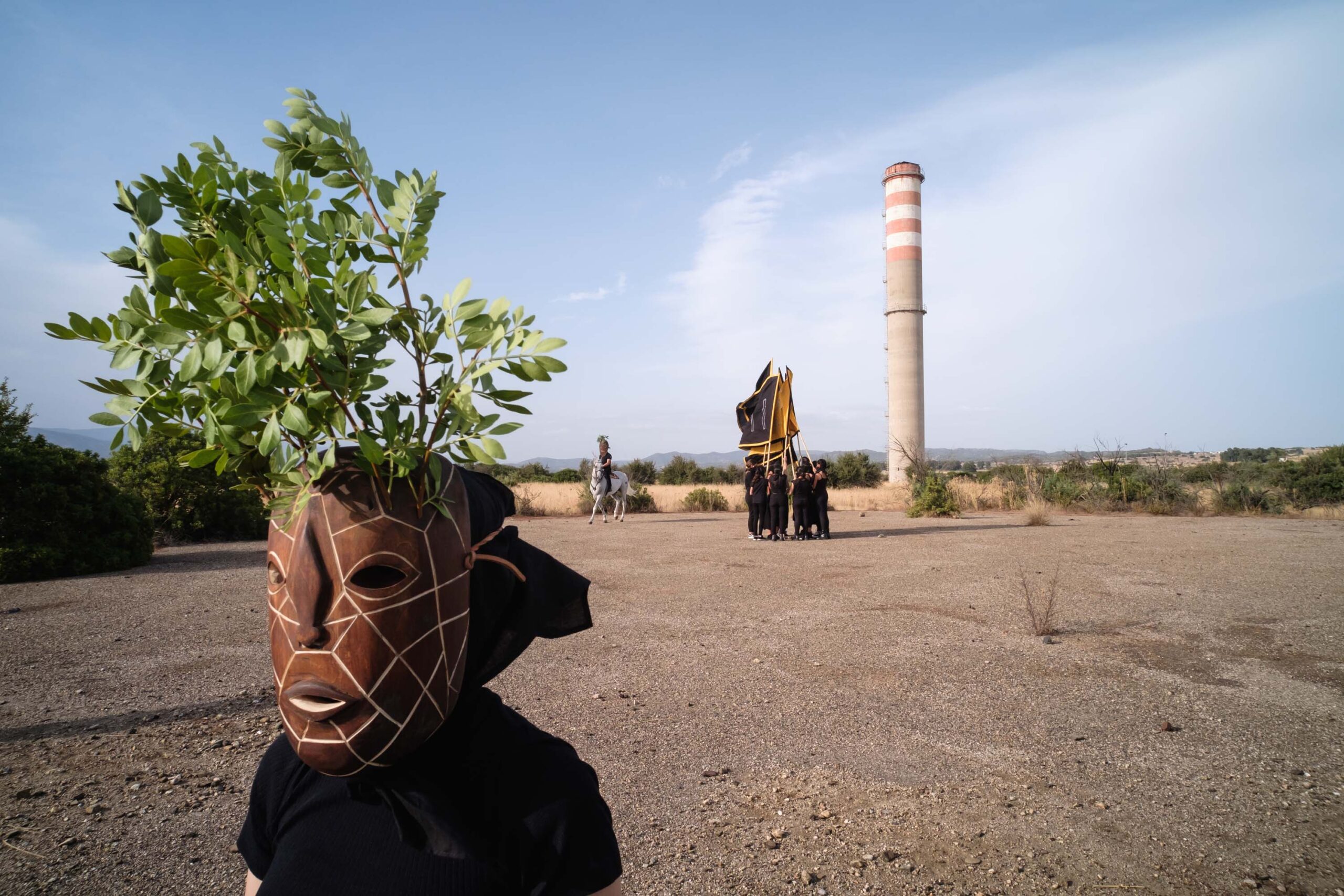
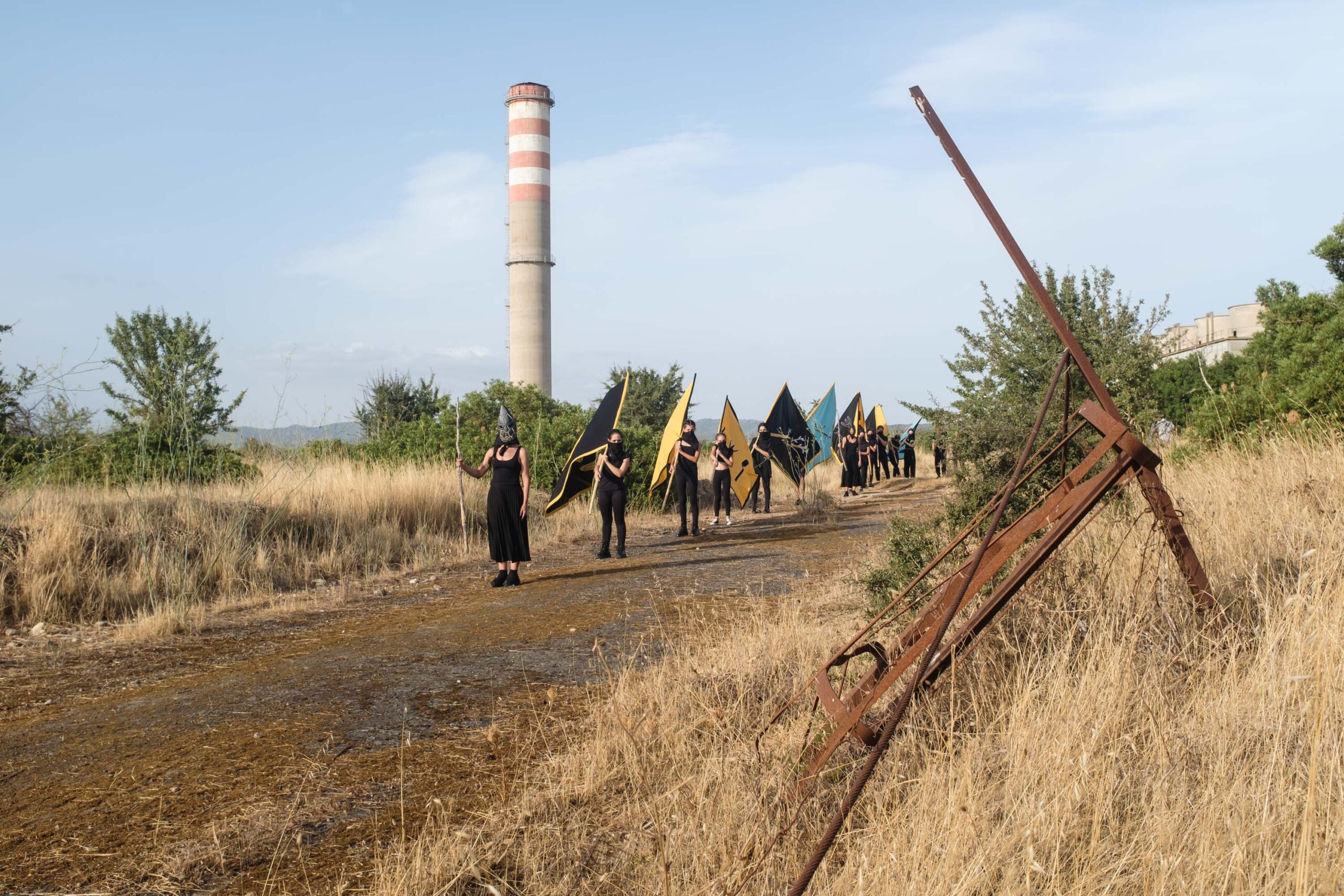
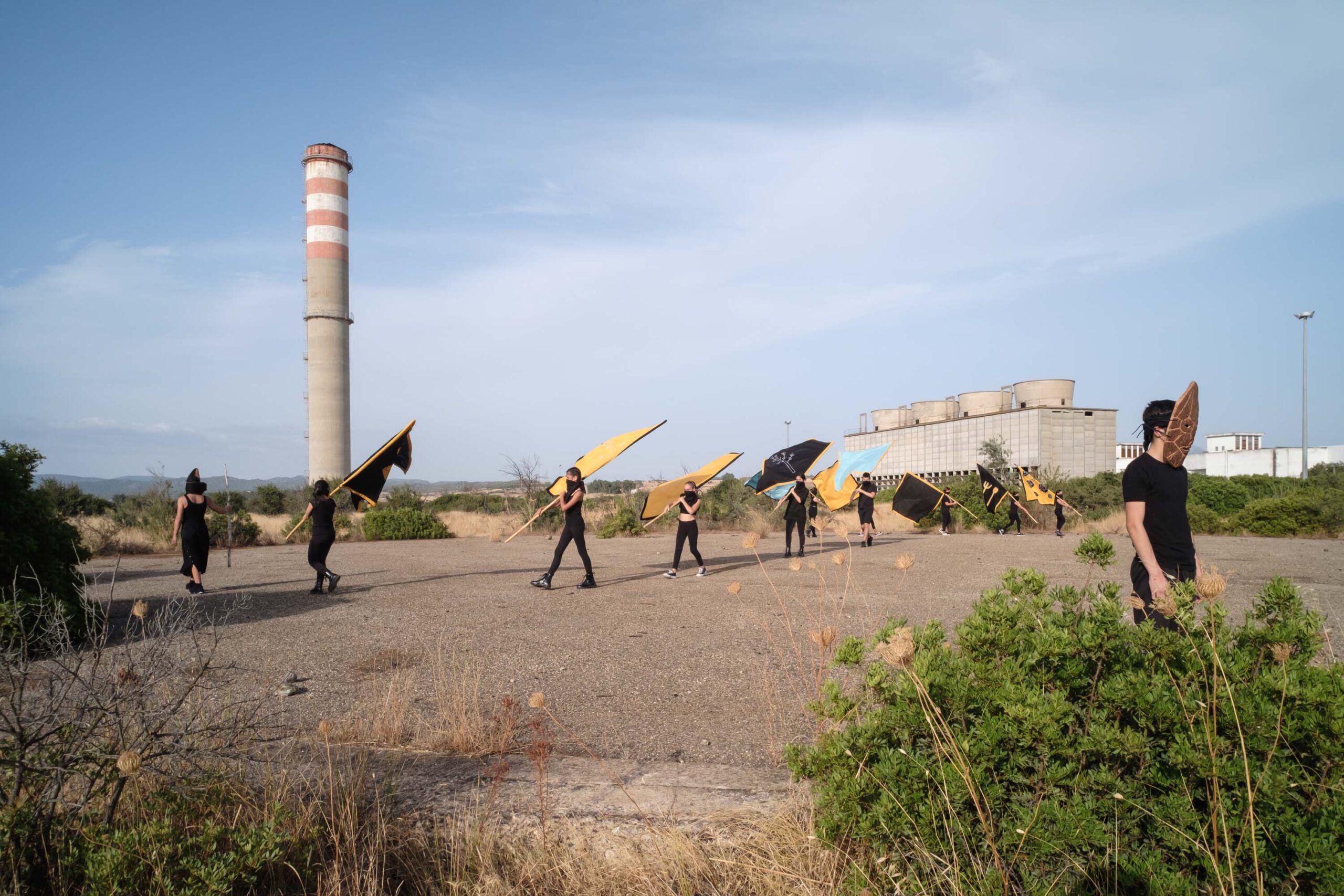
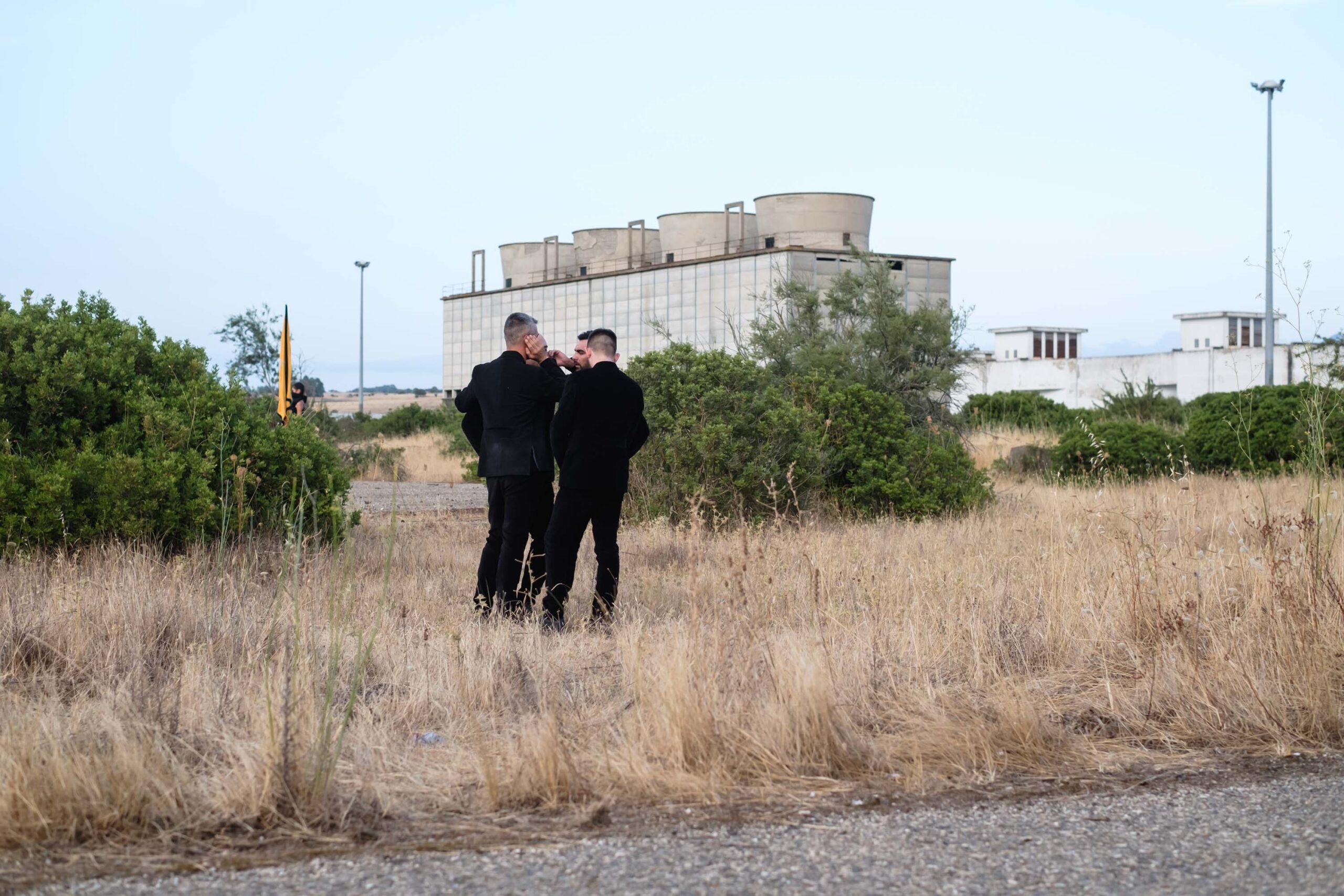
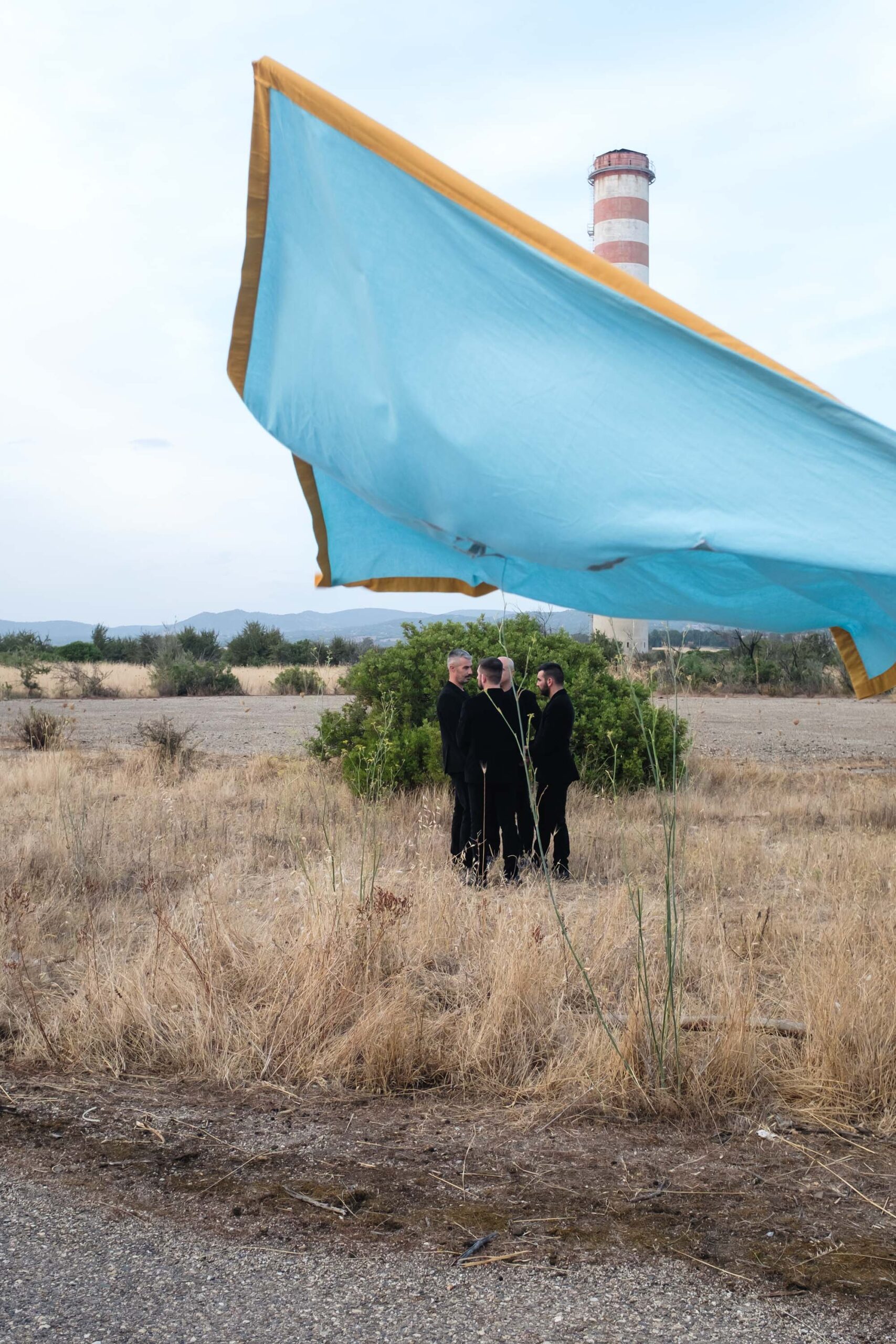
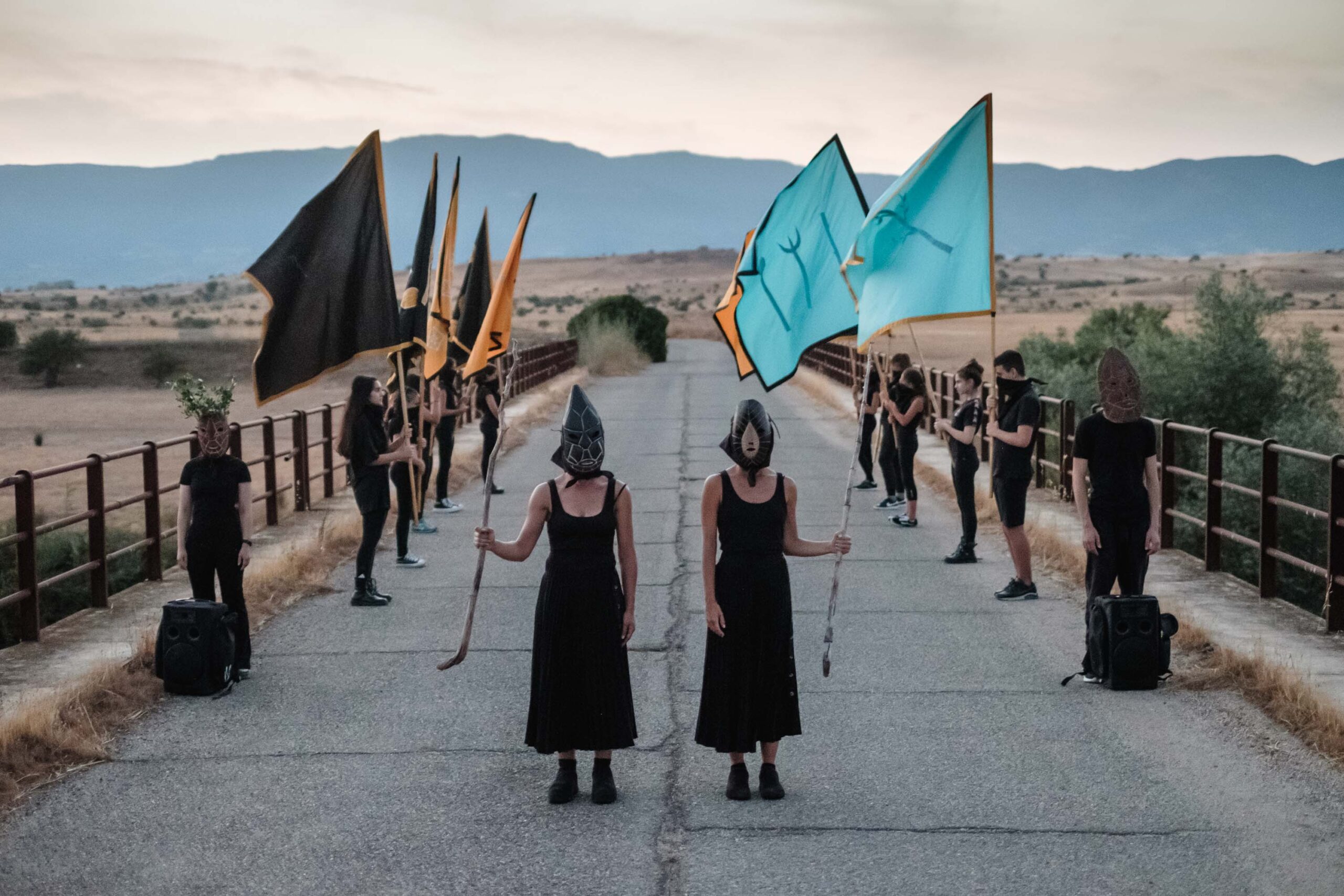
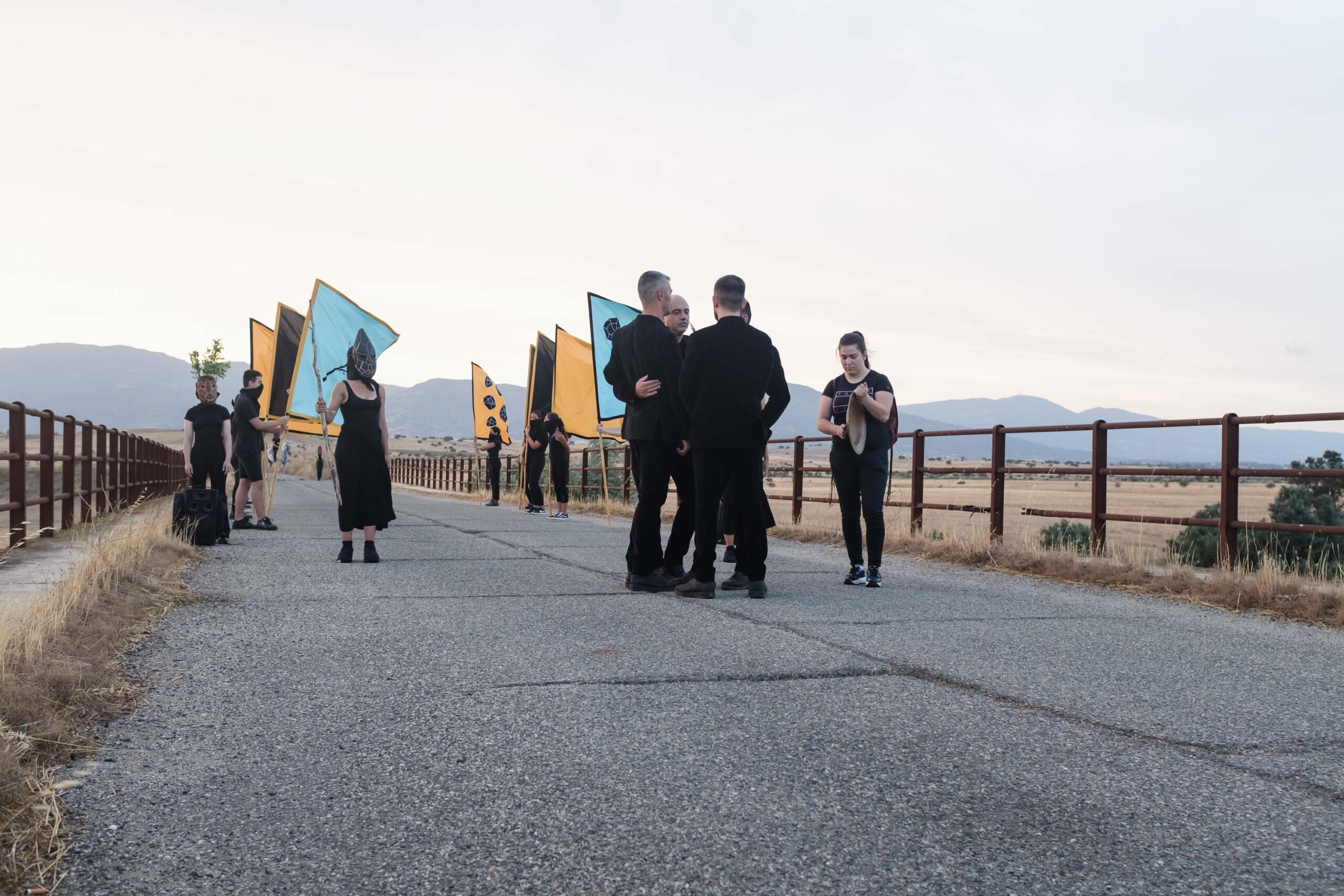
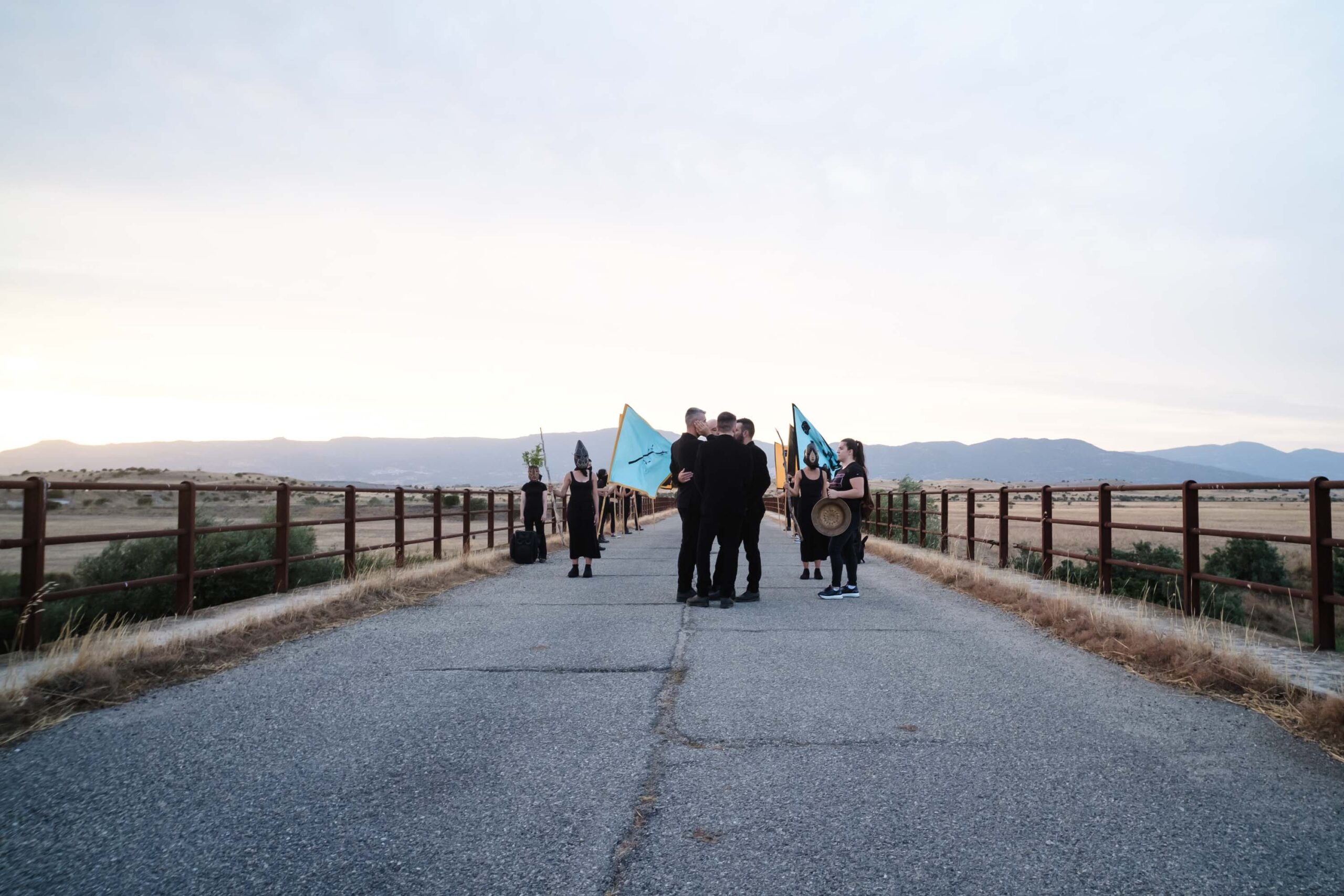
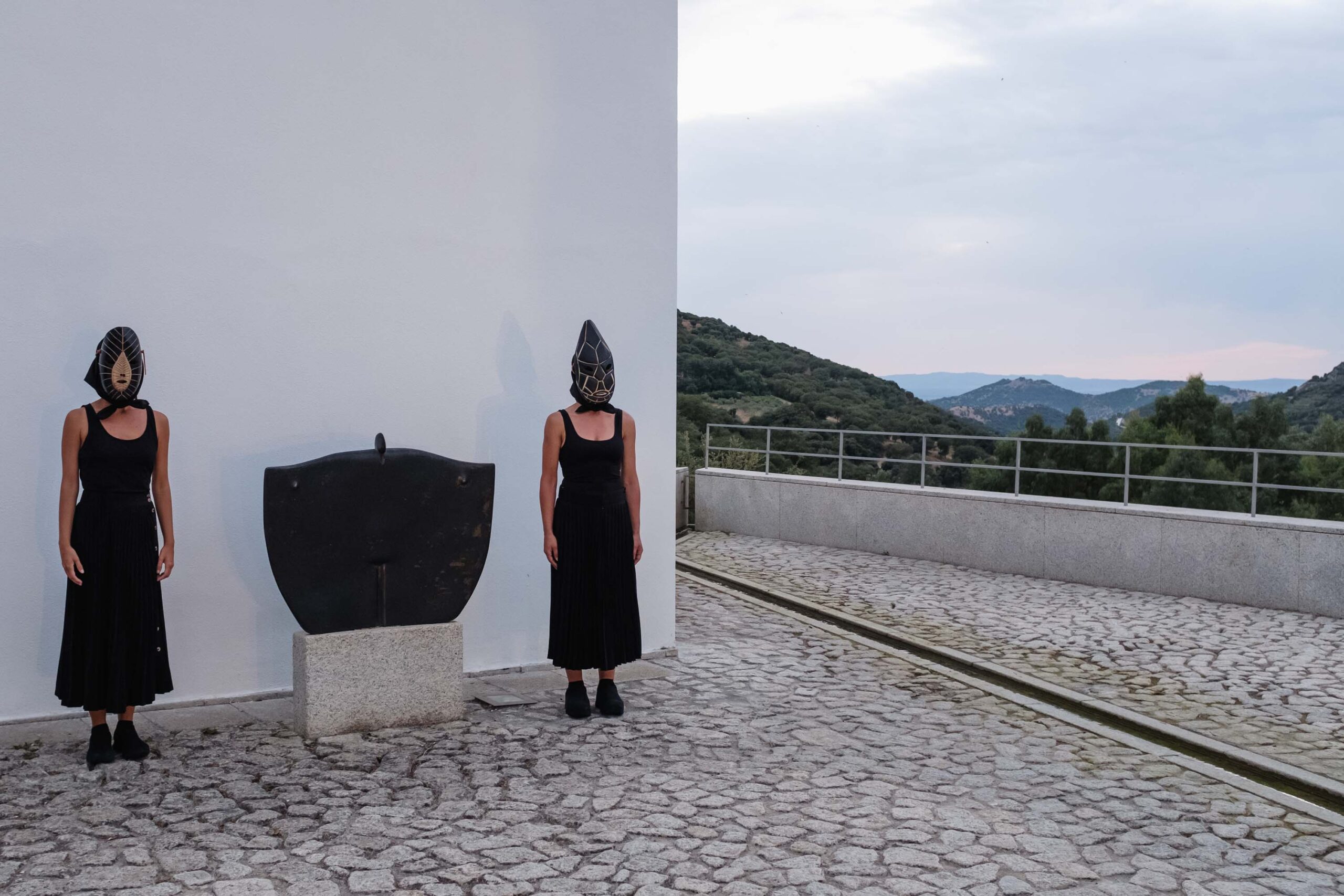
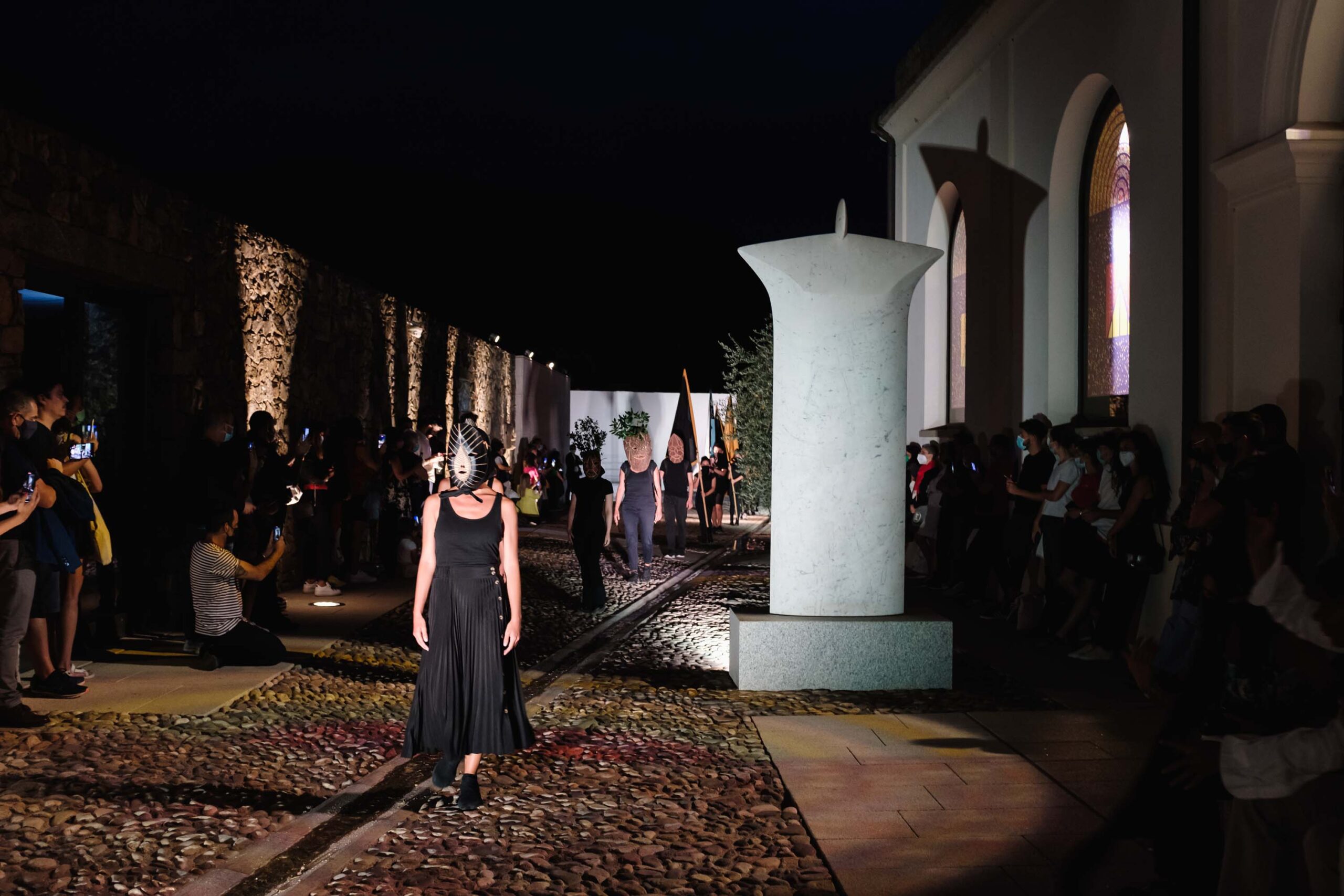
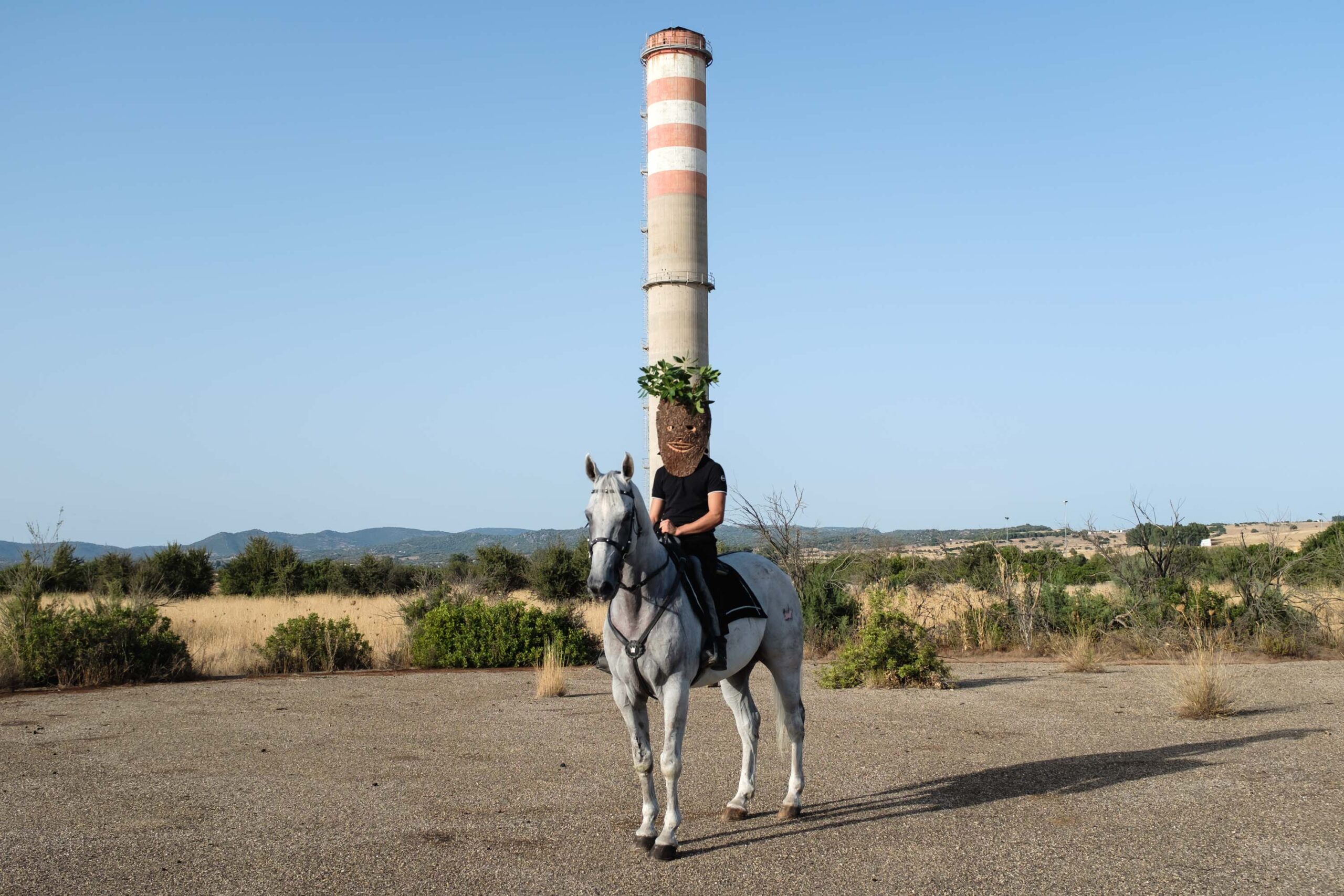
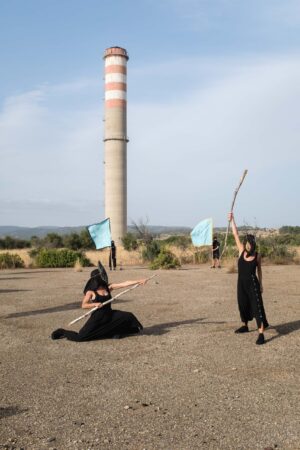
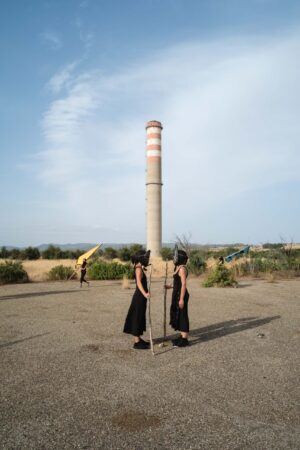
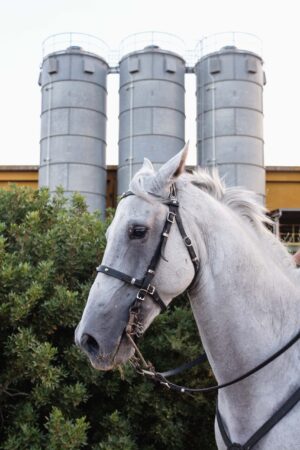
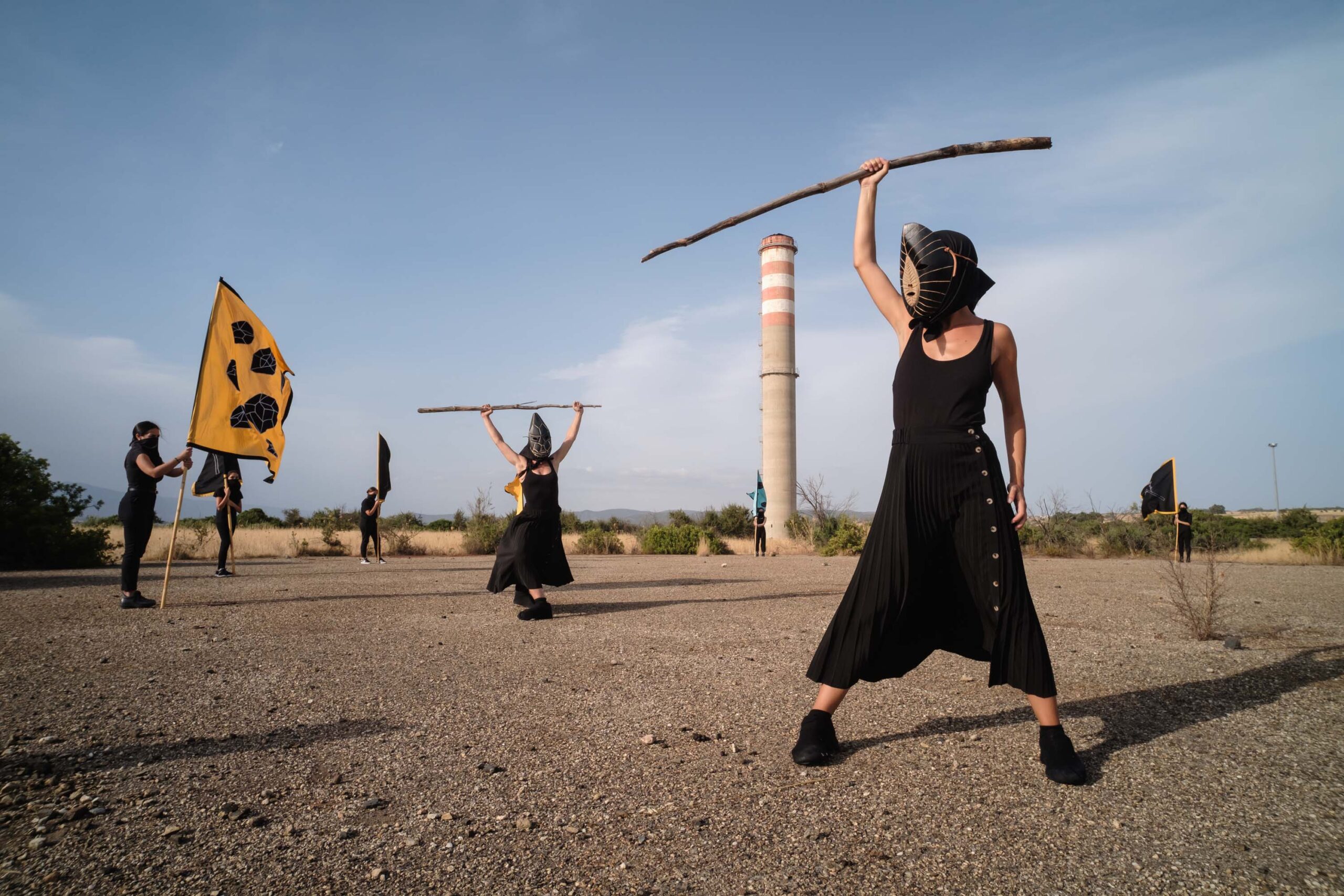
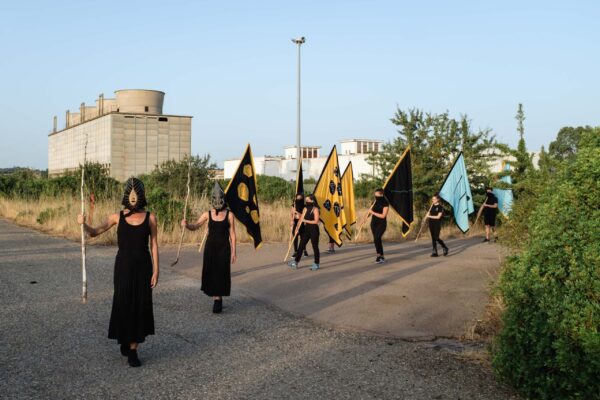
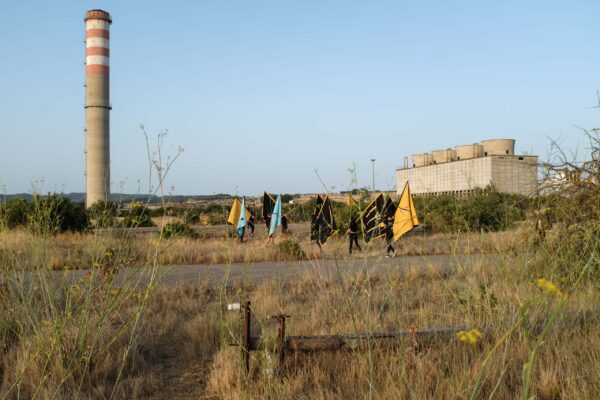
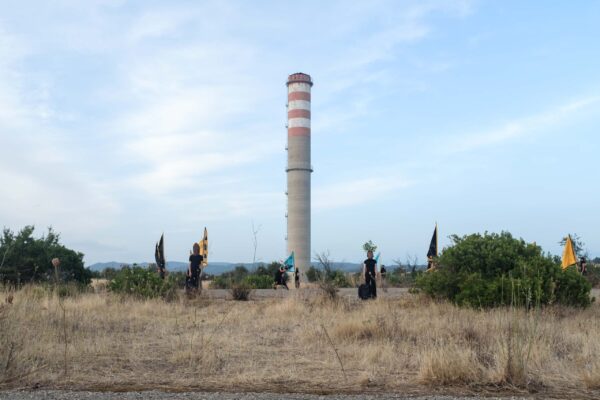
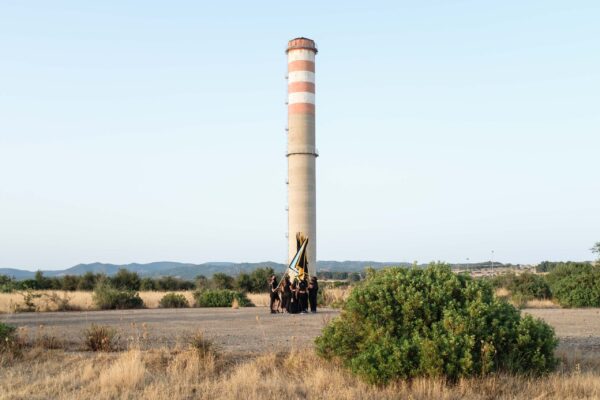
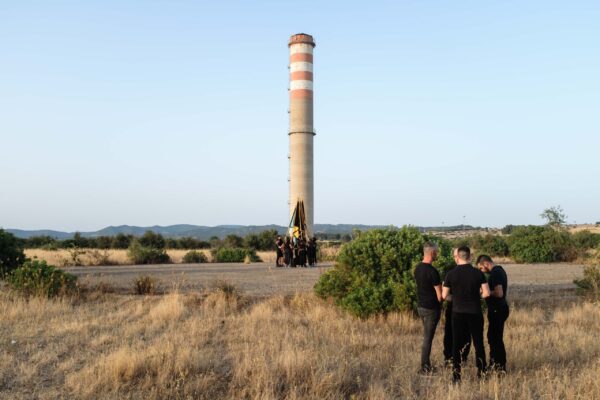
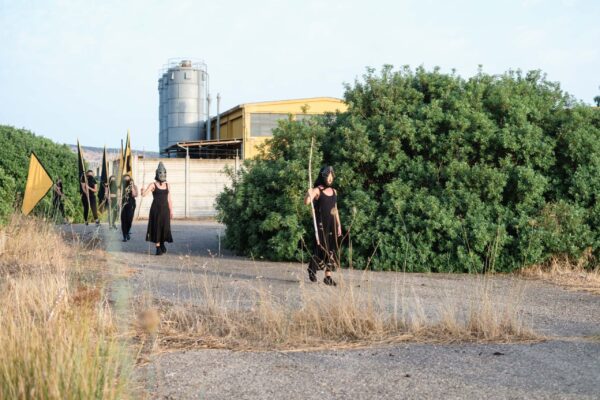
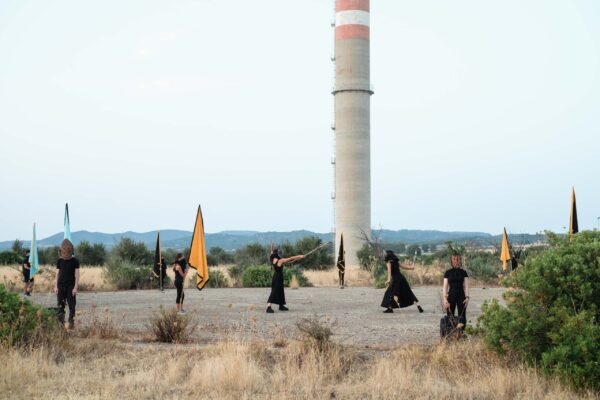
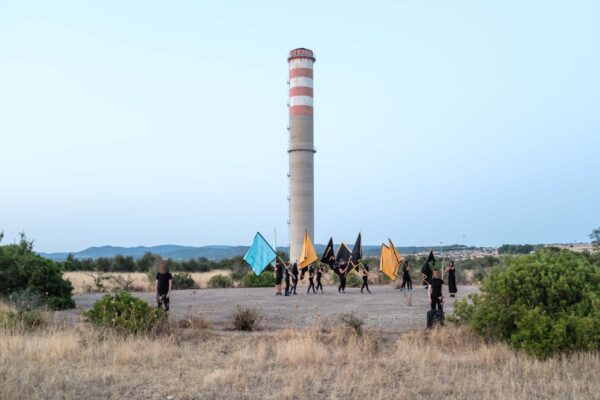
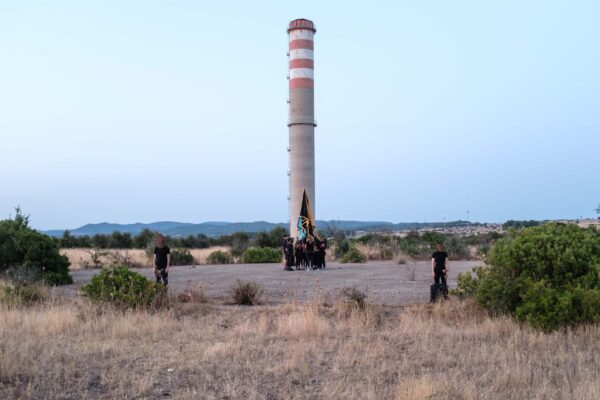
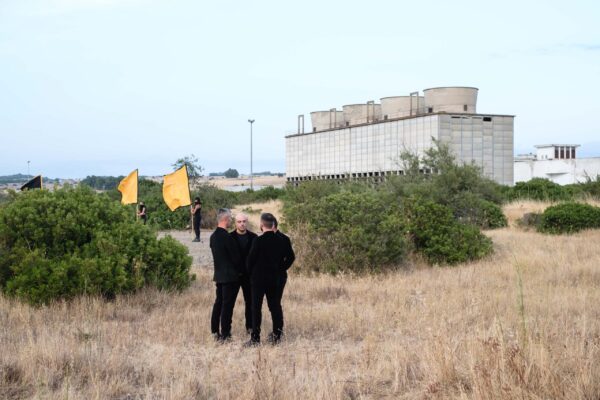
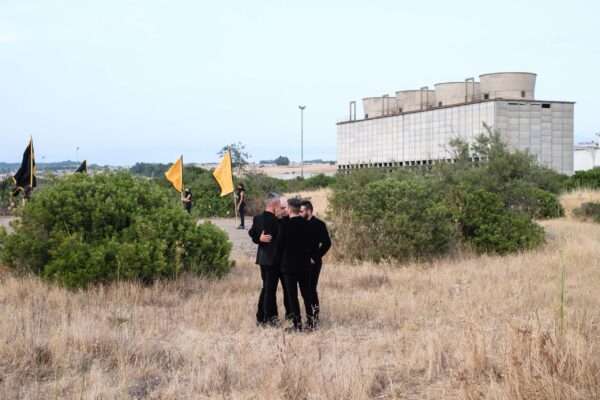
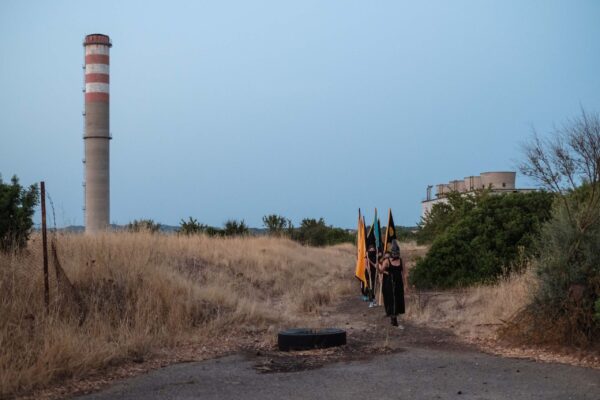
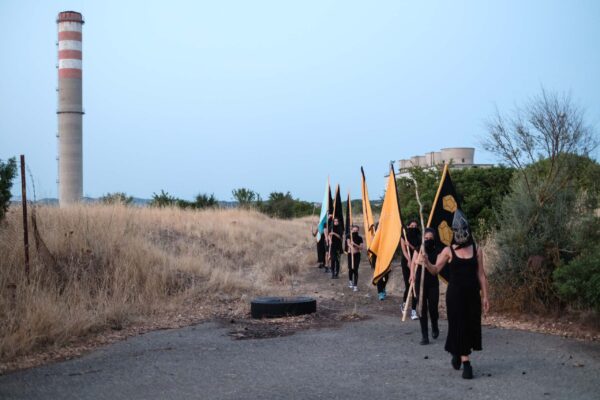
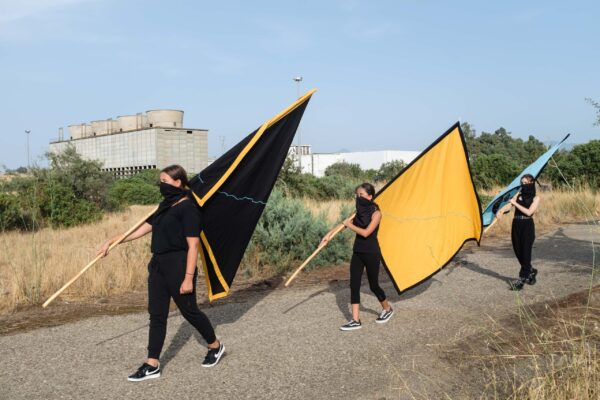
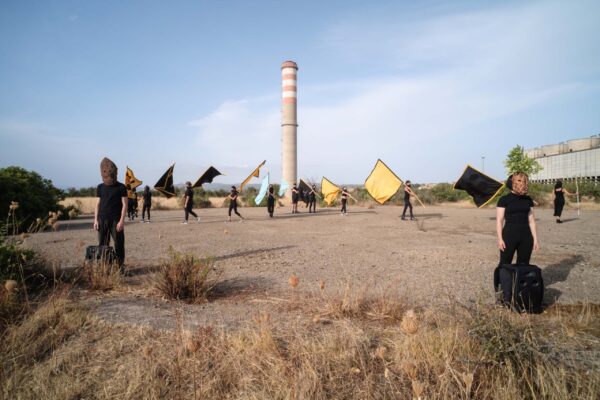
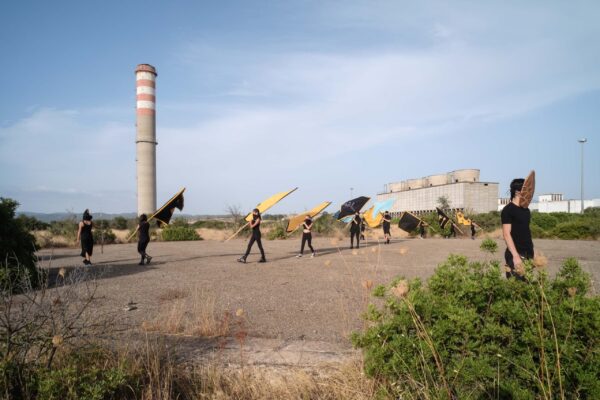
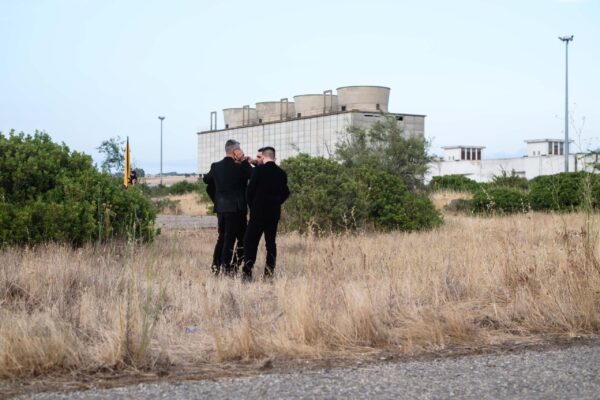
The performance was staged in 2021 in the former Enichem industrial area of Ottana, beginning inside the former Legler plant, which was reopened for the occasion. Machinery, materials and spaces appeared suspended in time, as though work had suddenly stopped on the final day of production.
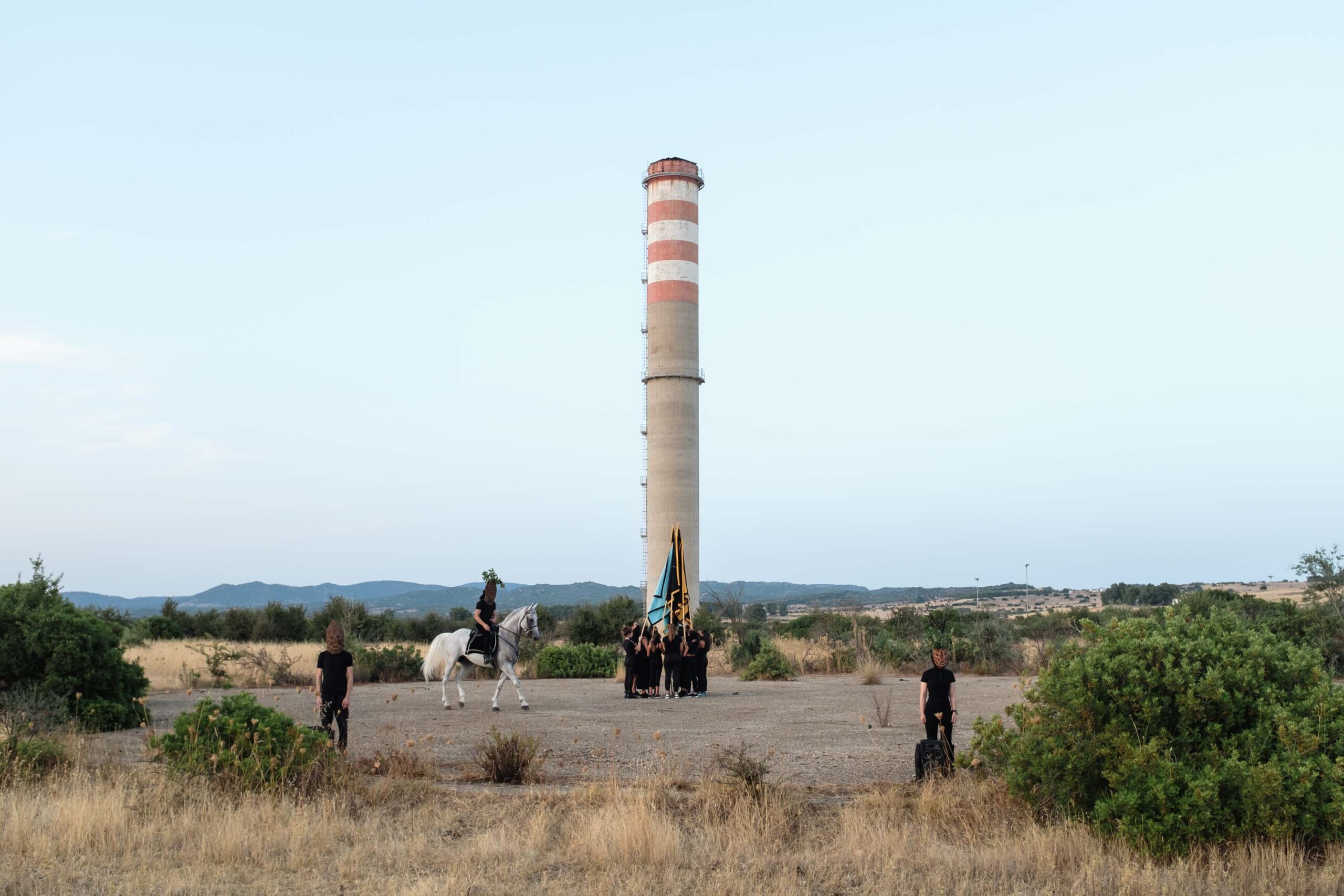
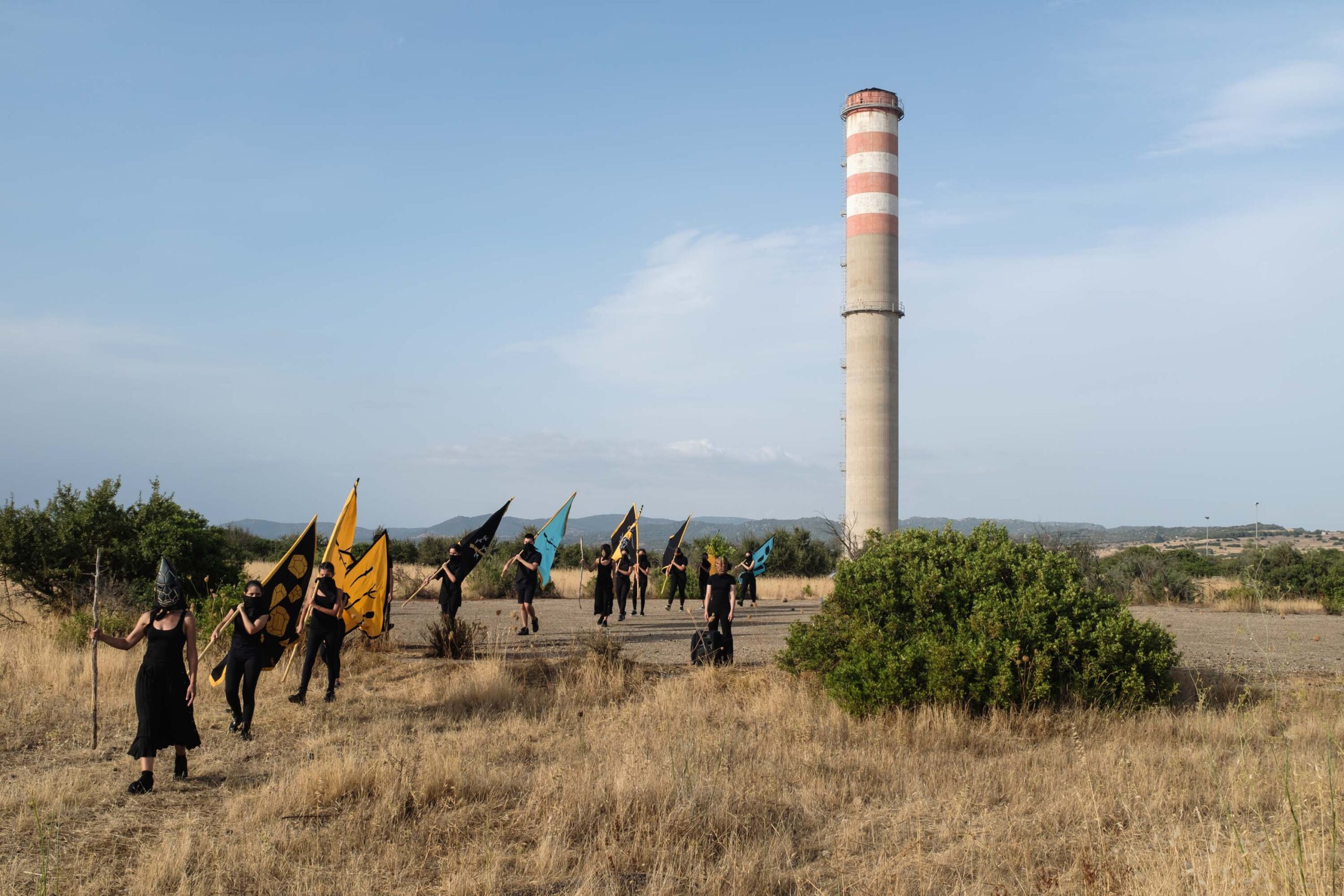
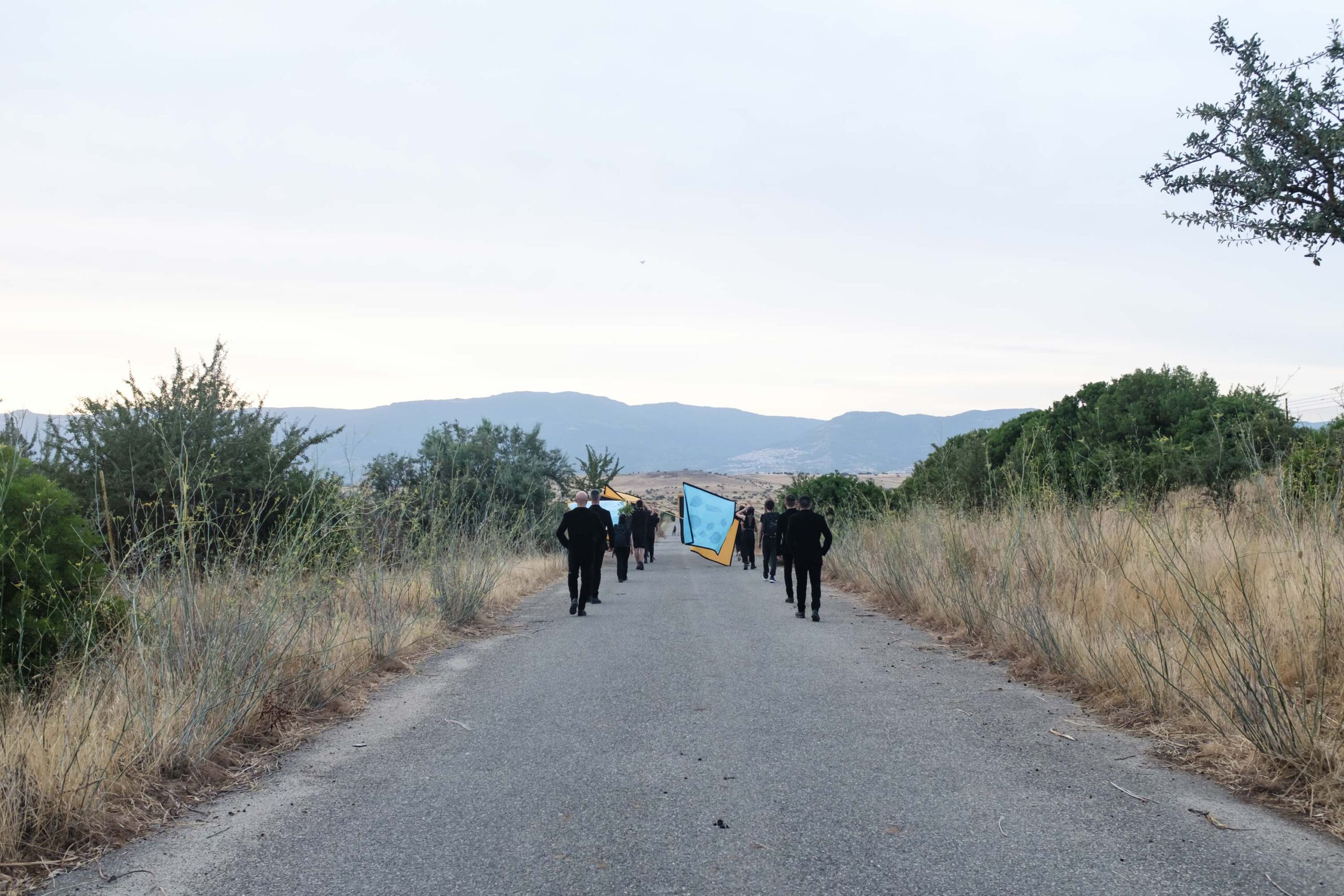
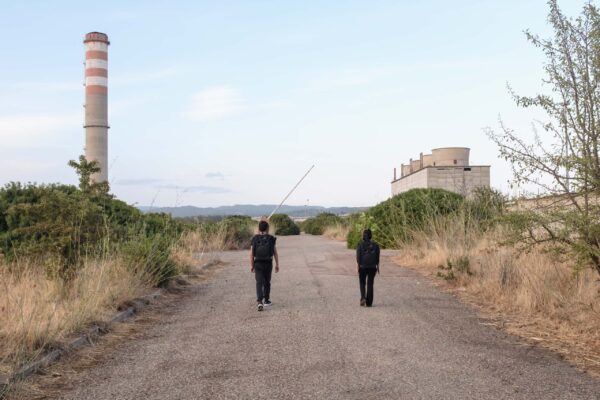
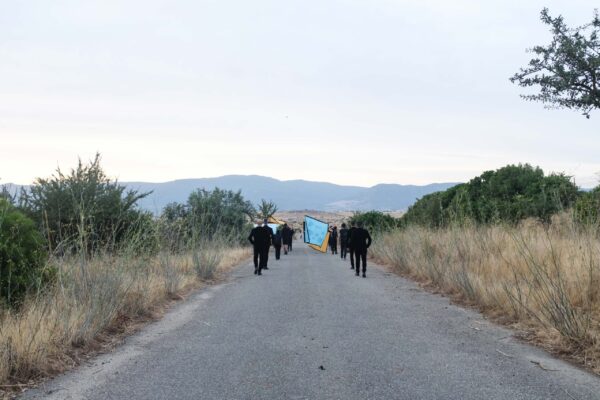
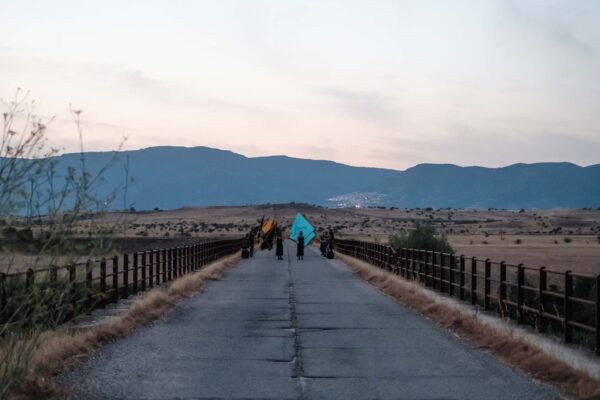
The industrial landscape appeared as a spectral place, traversed by memories of the factory, workers’ struggles, illnesses and those who are no longer alive. The performance route began in the industrial area and proceeded towards the River Tirso. The project documentation identifies the former Enichem area, the Tirso and the Nivola Museum as the locations of the work, while the festival programme specifies that the procession began inside the former Legler plant.
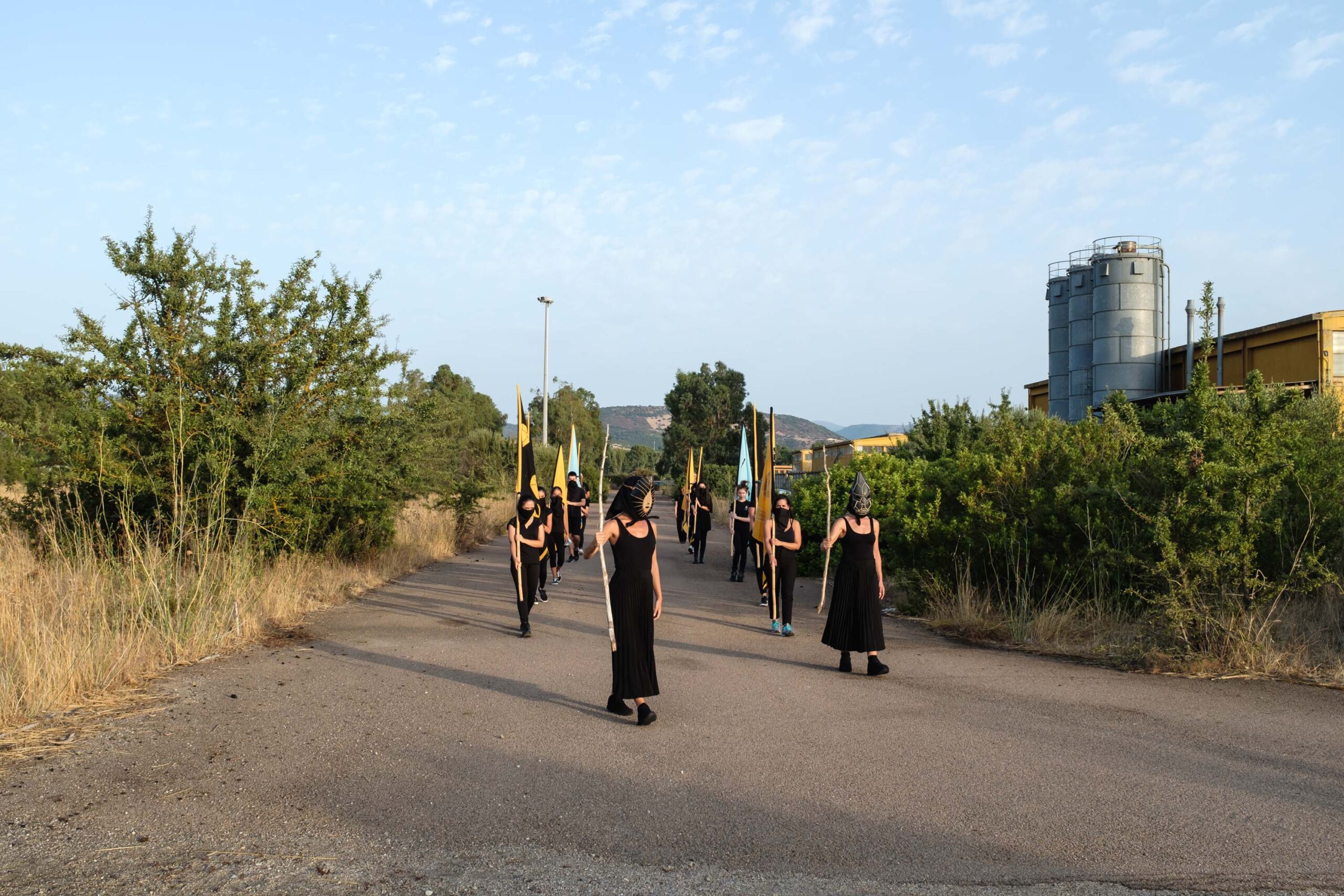
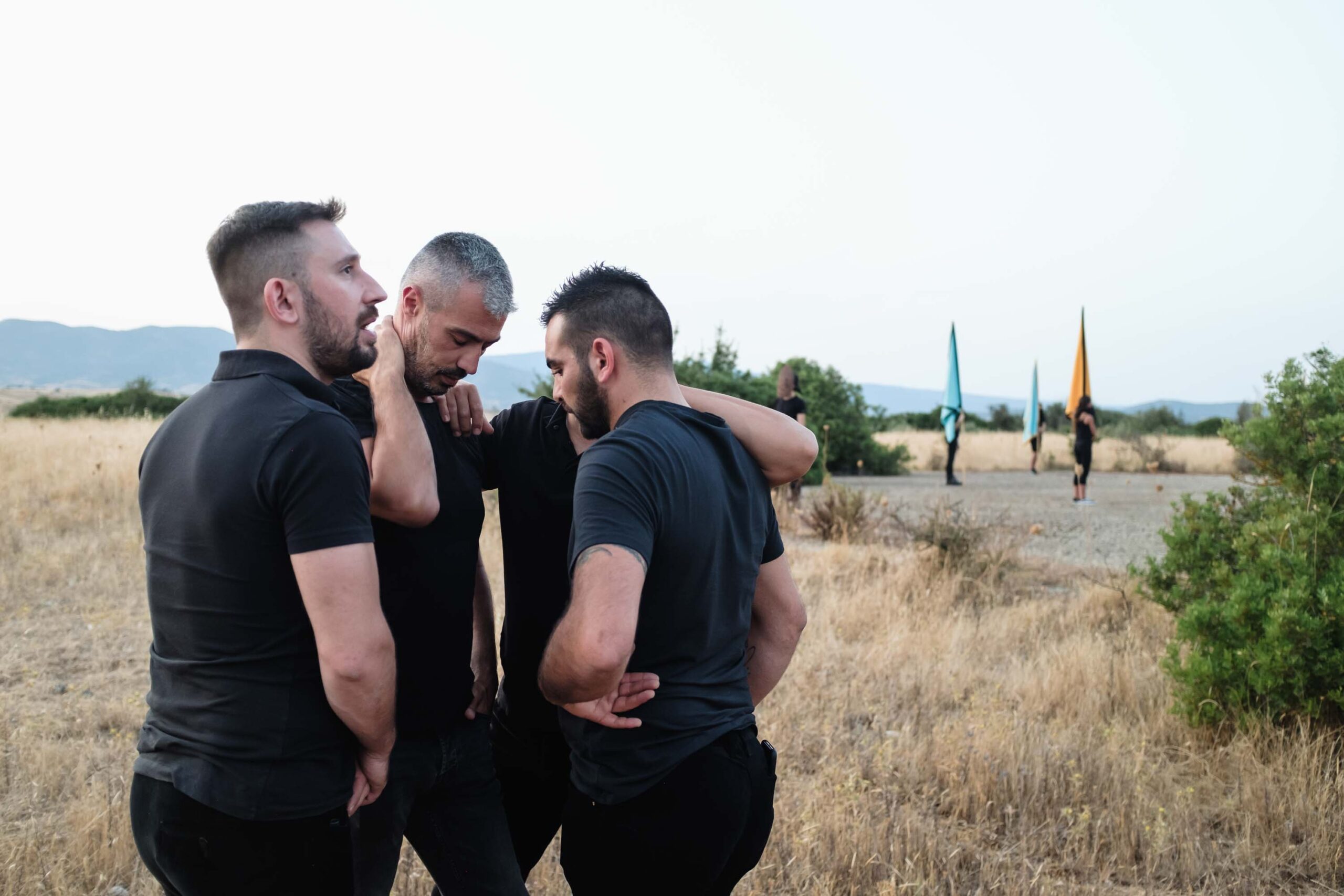
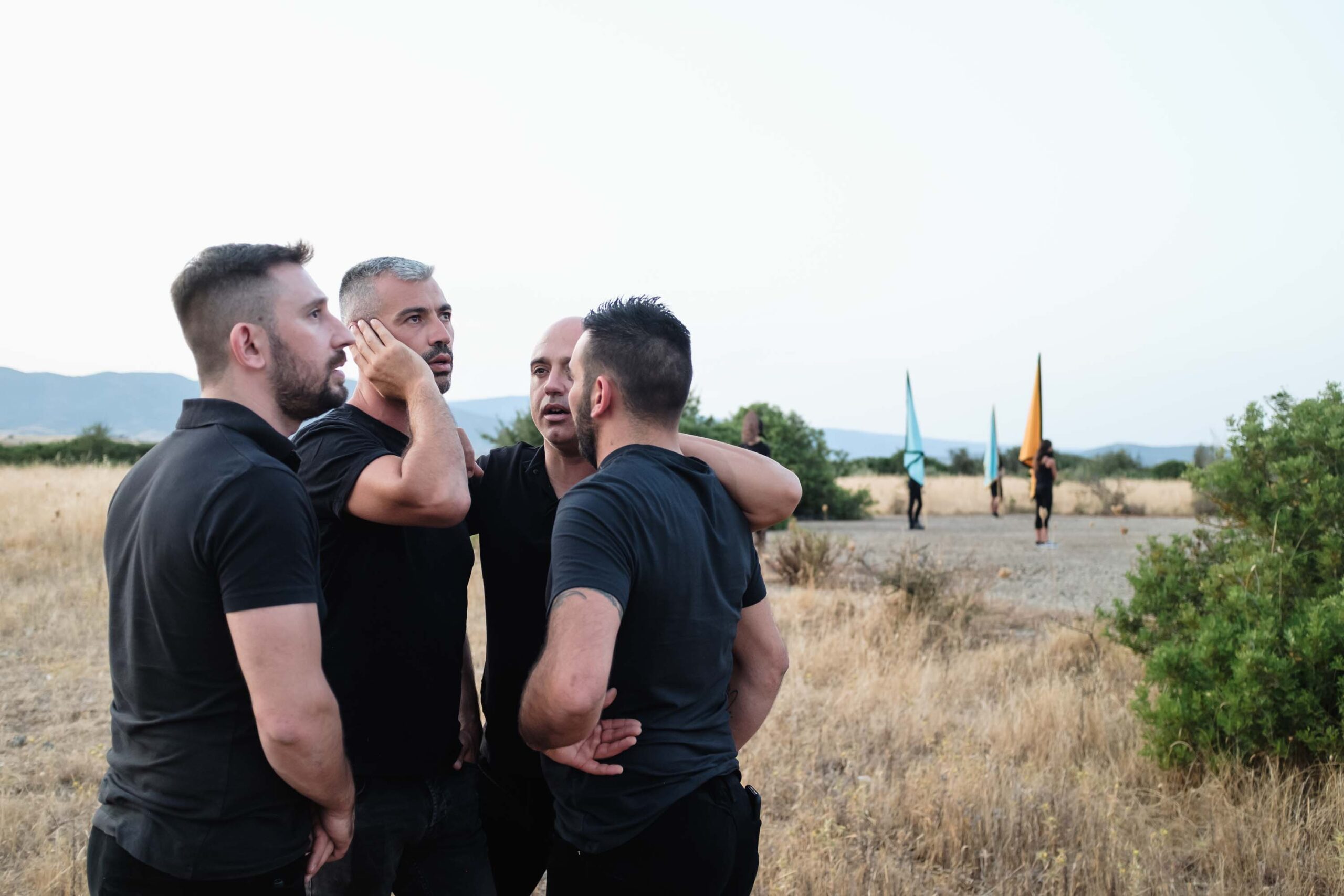
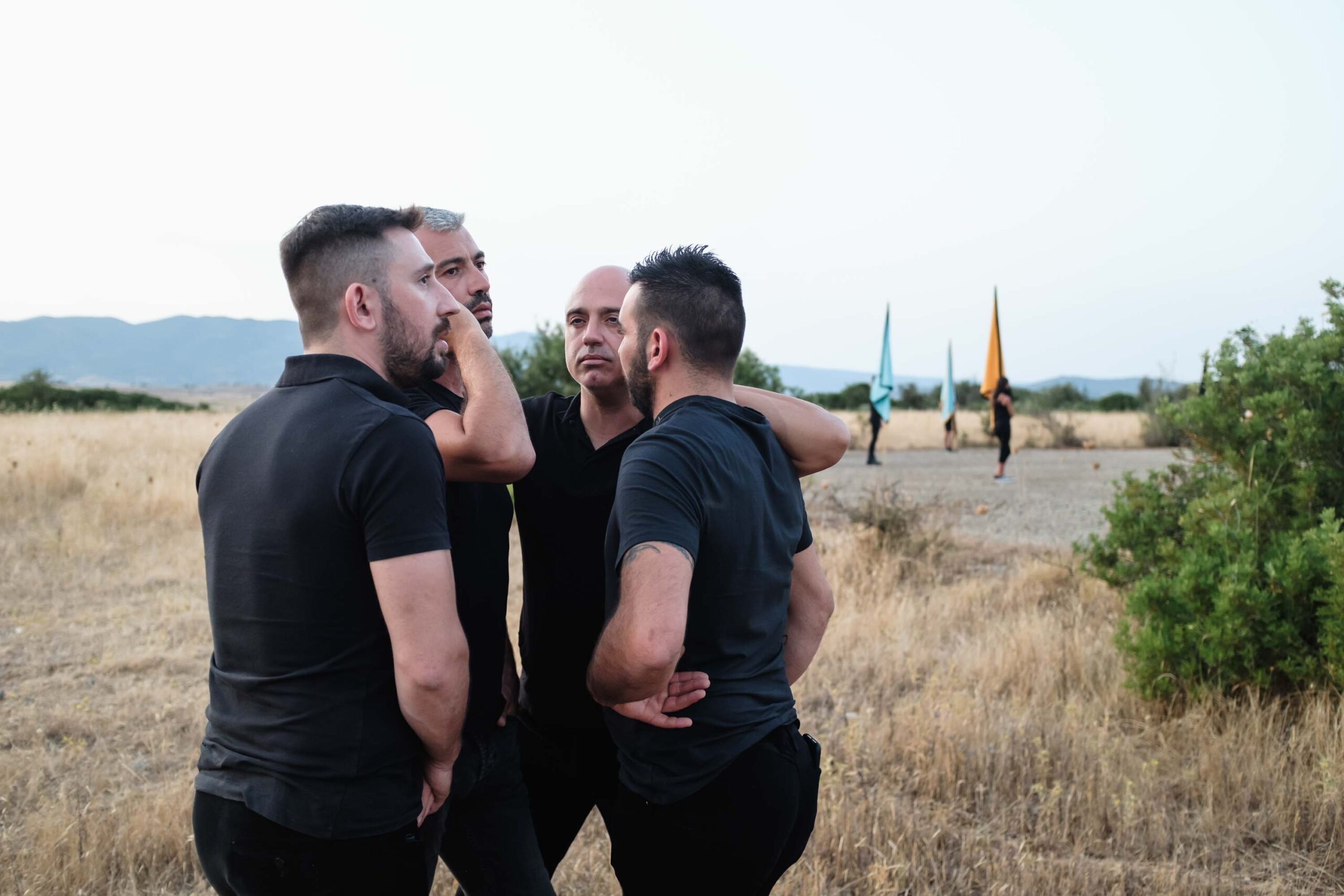
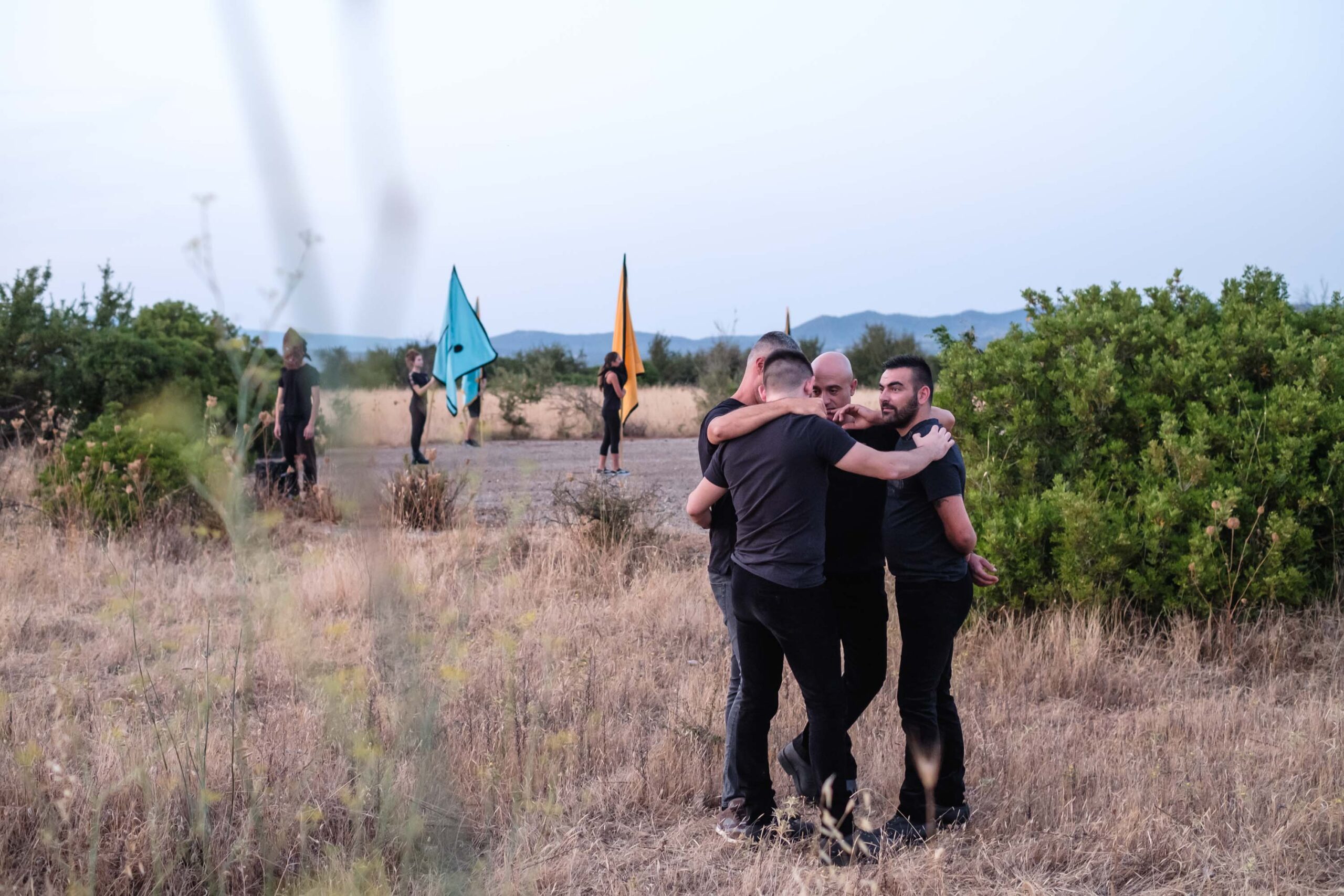
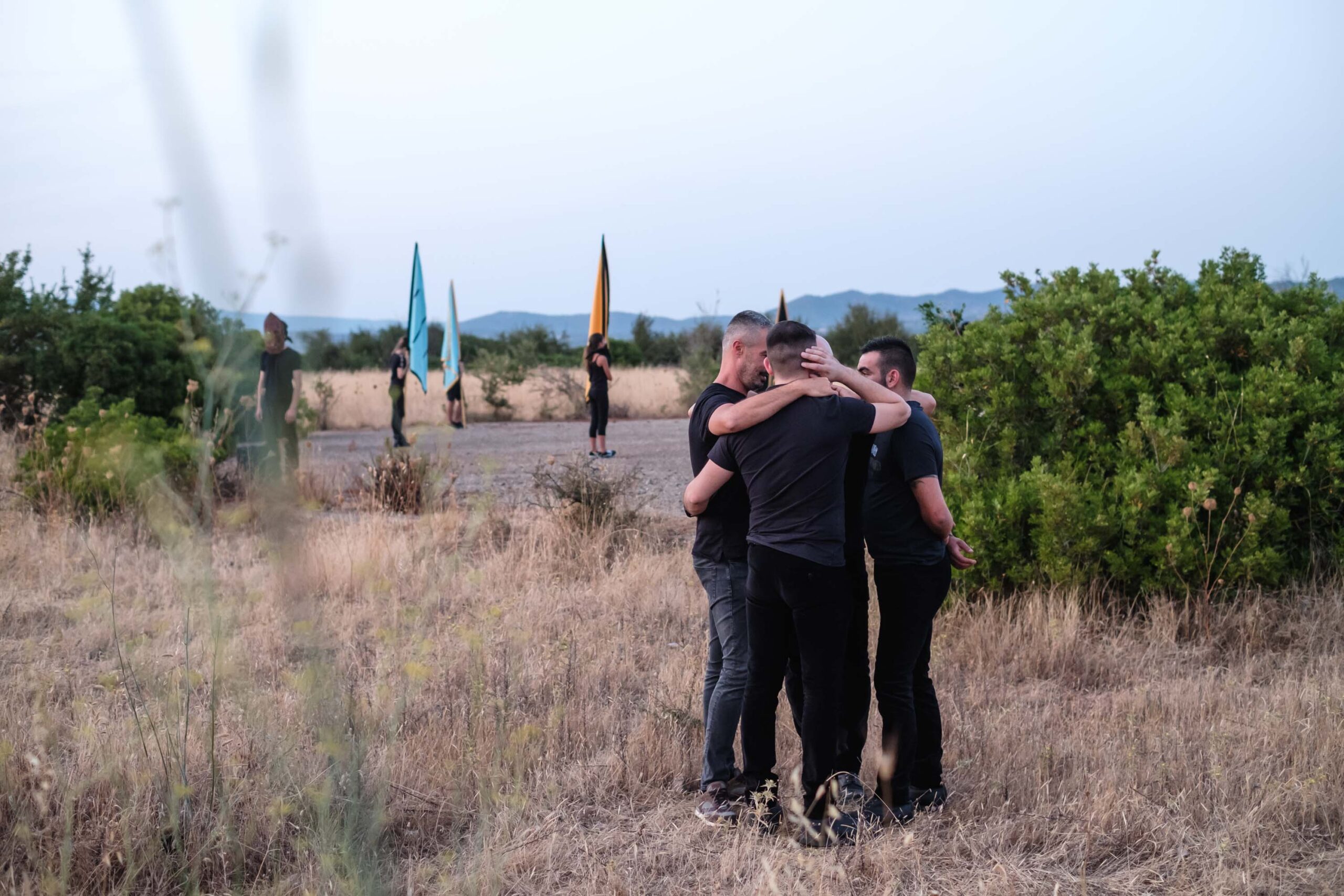
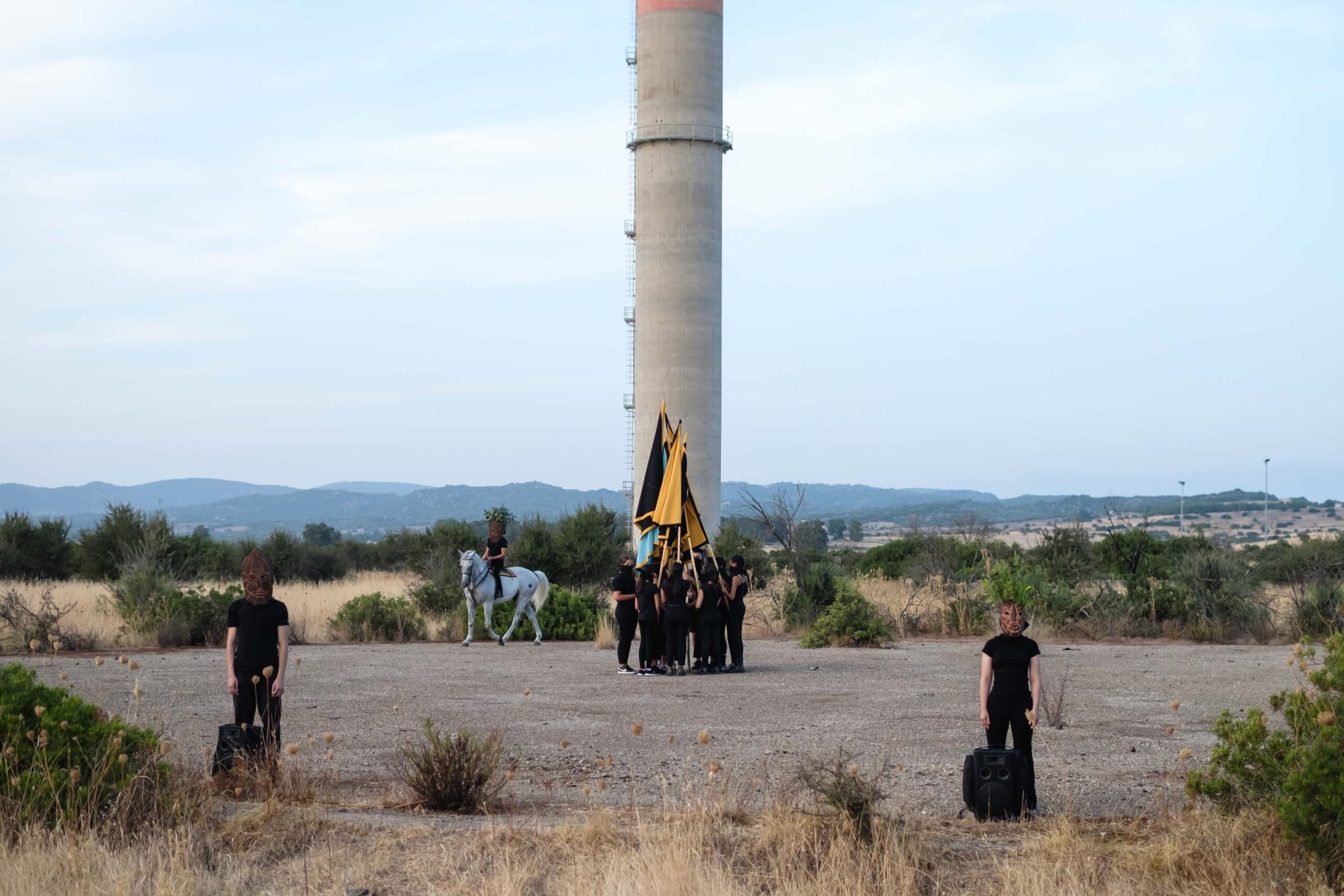
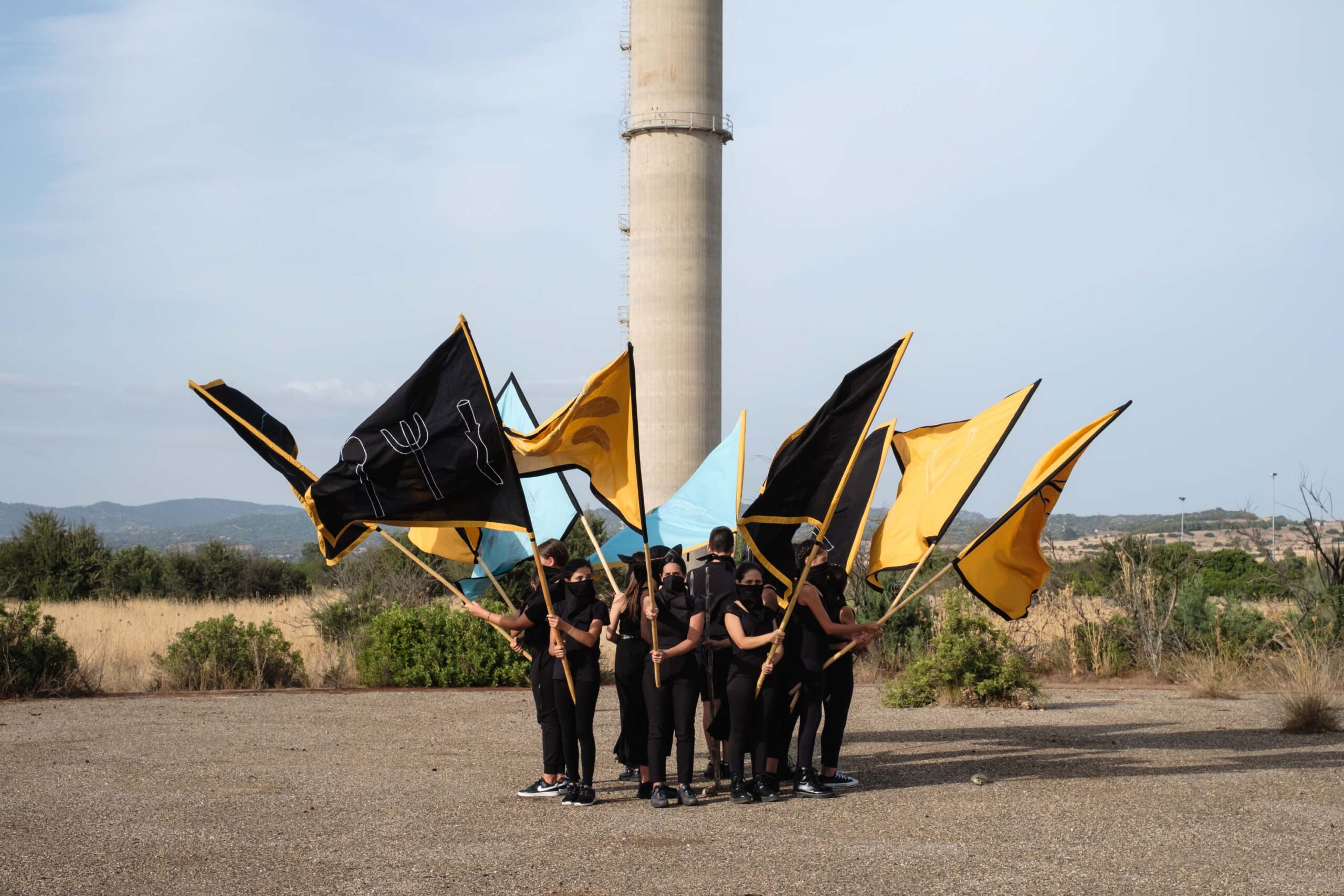
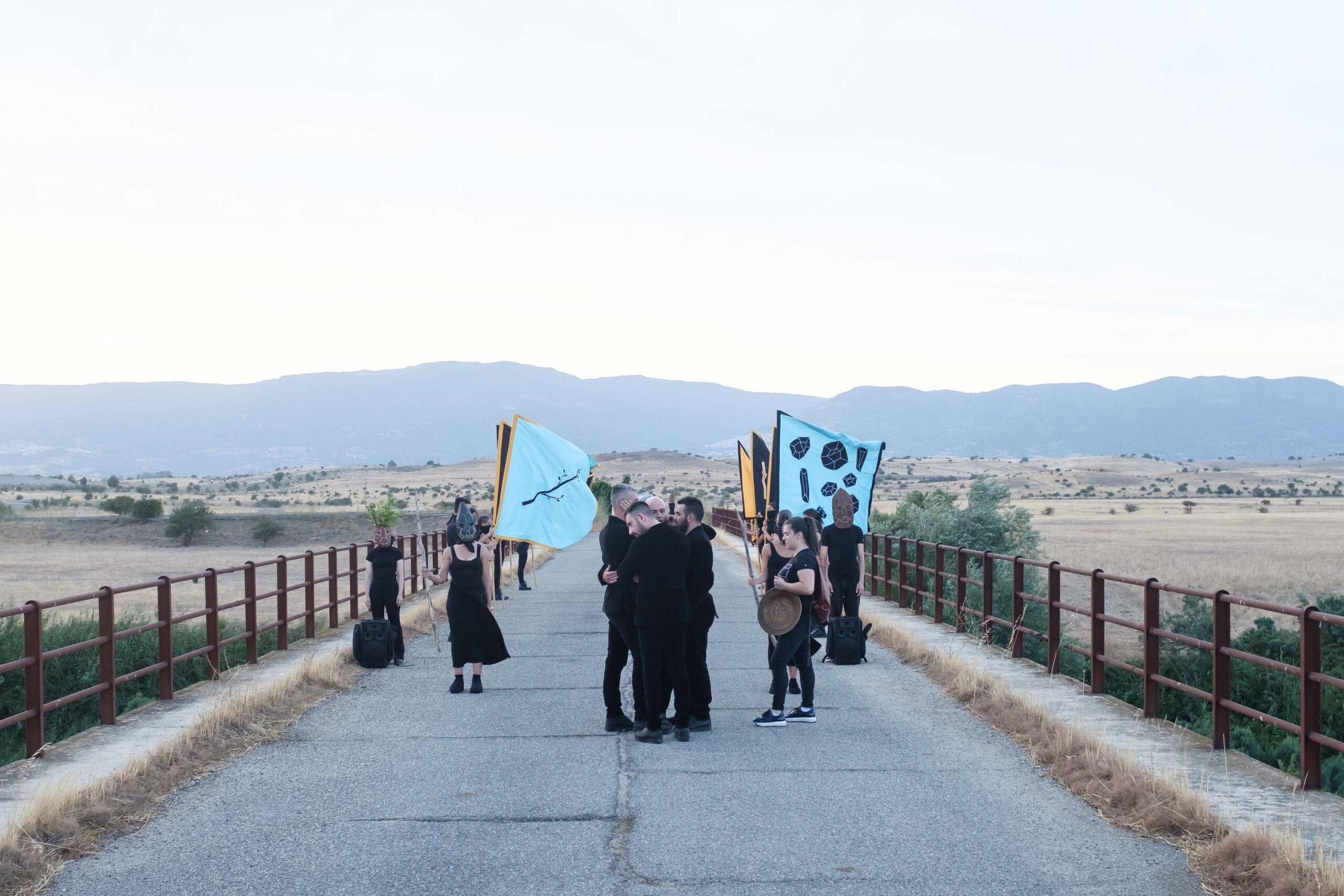
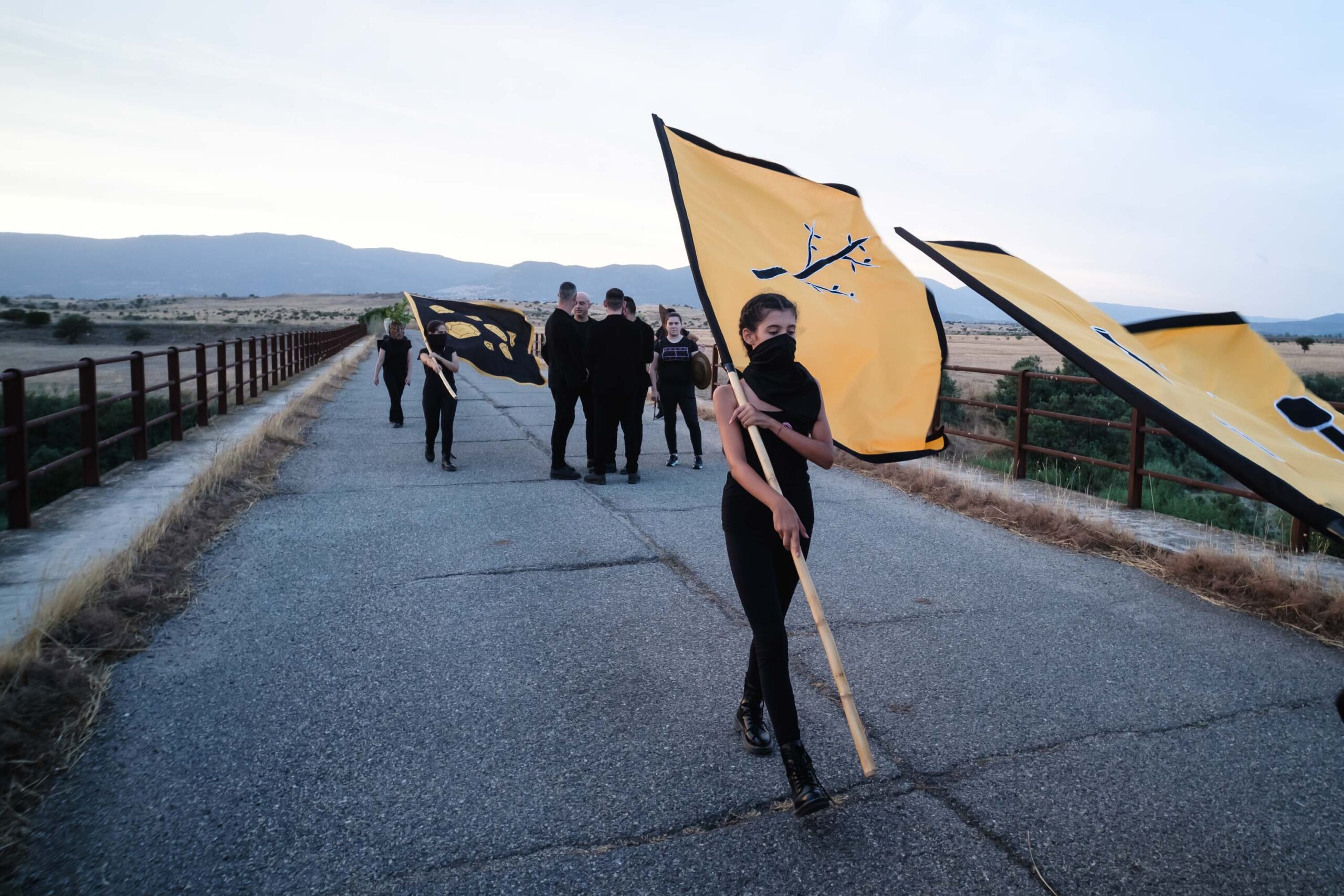
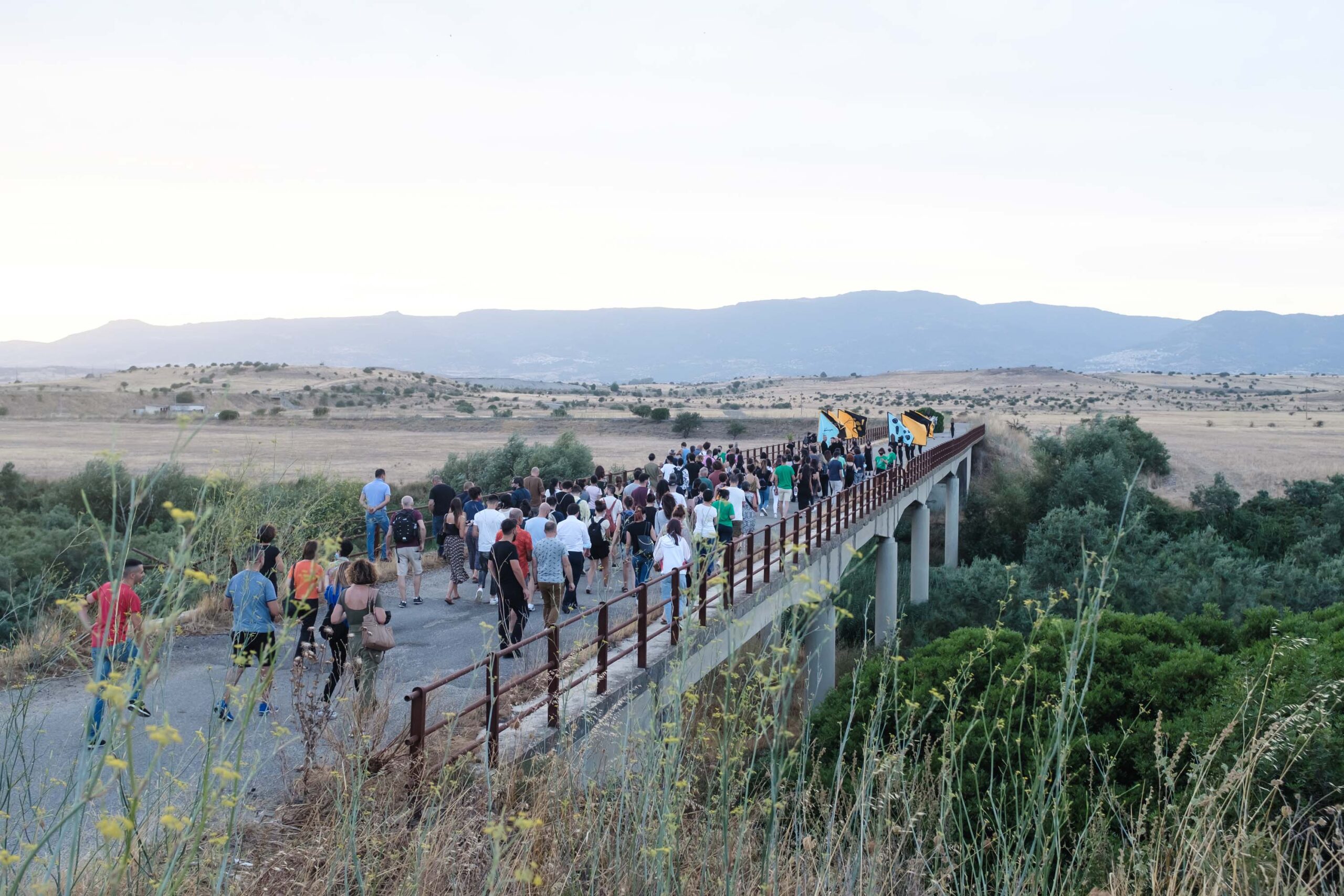
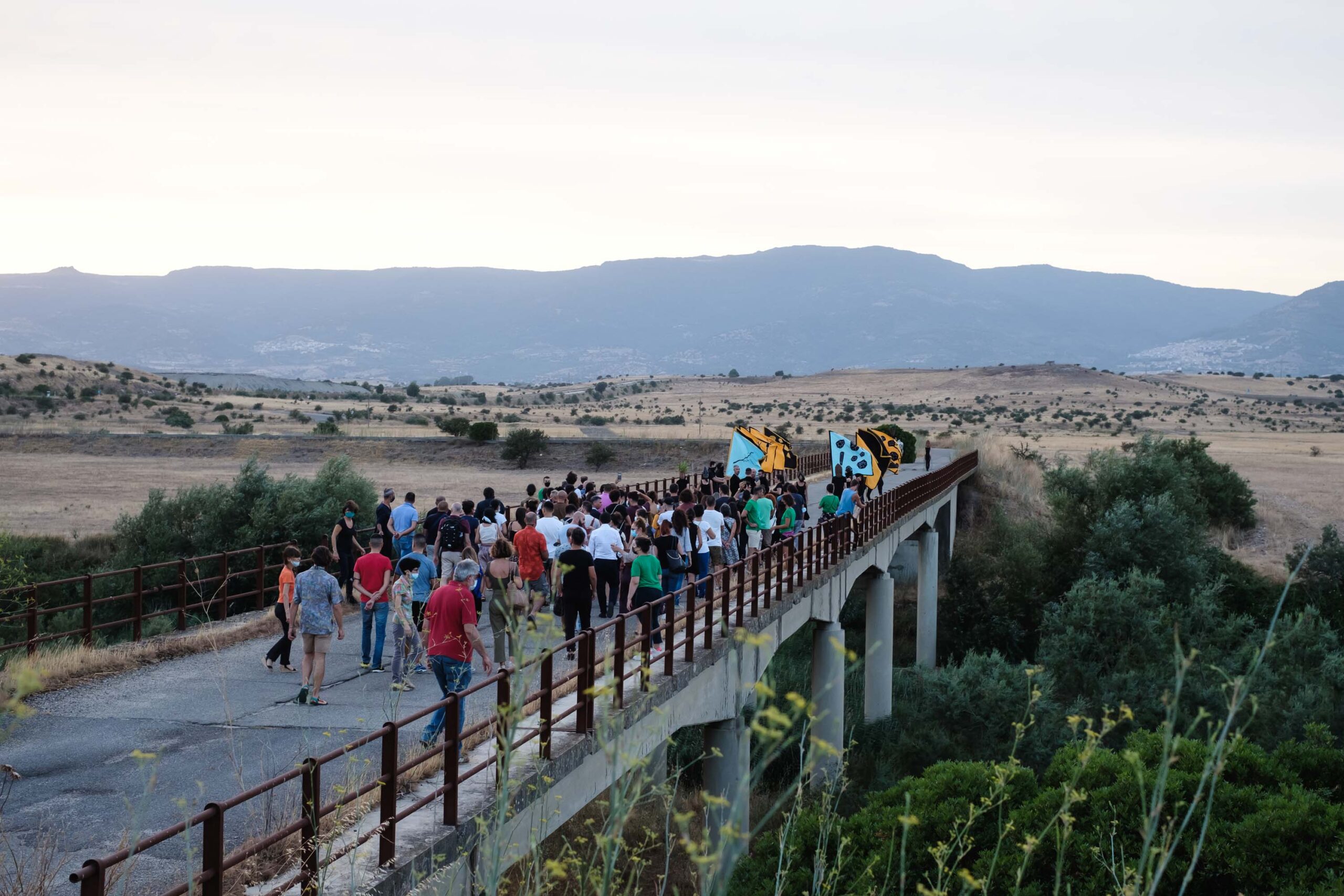
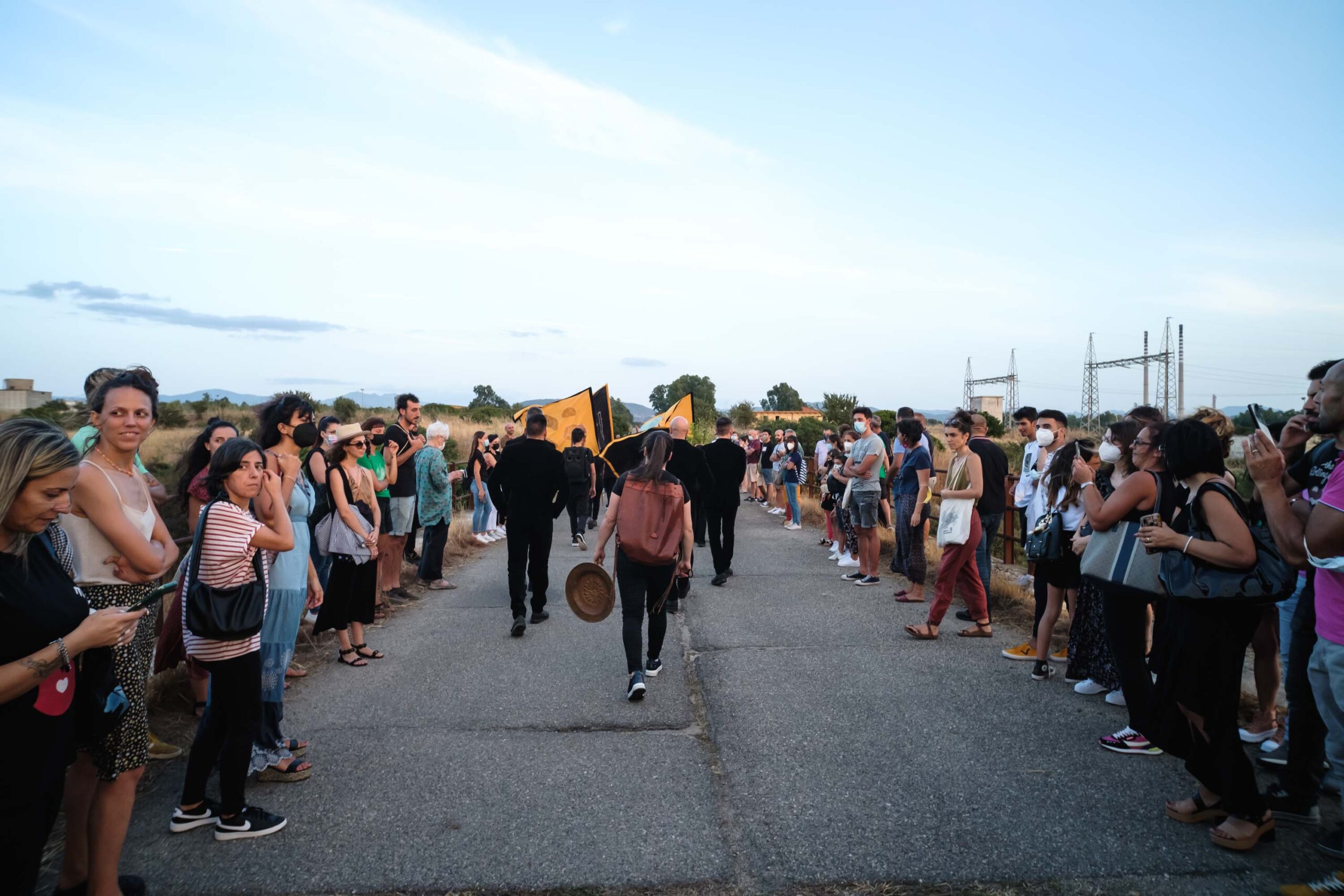
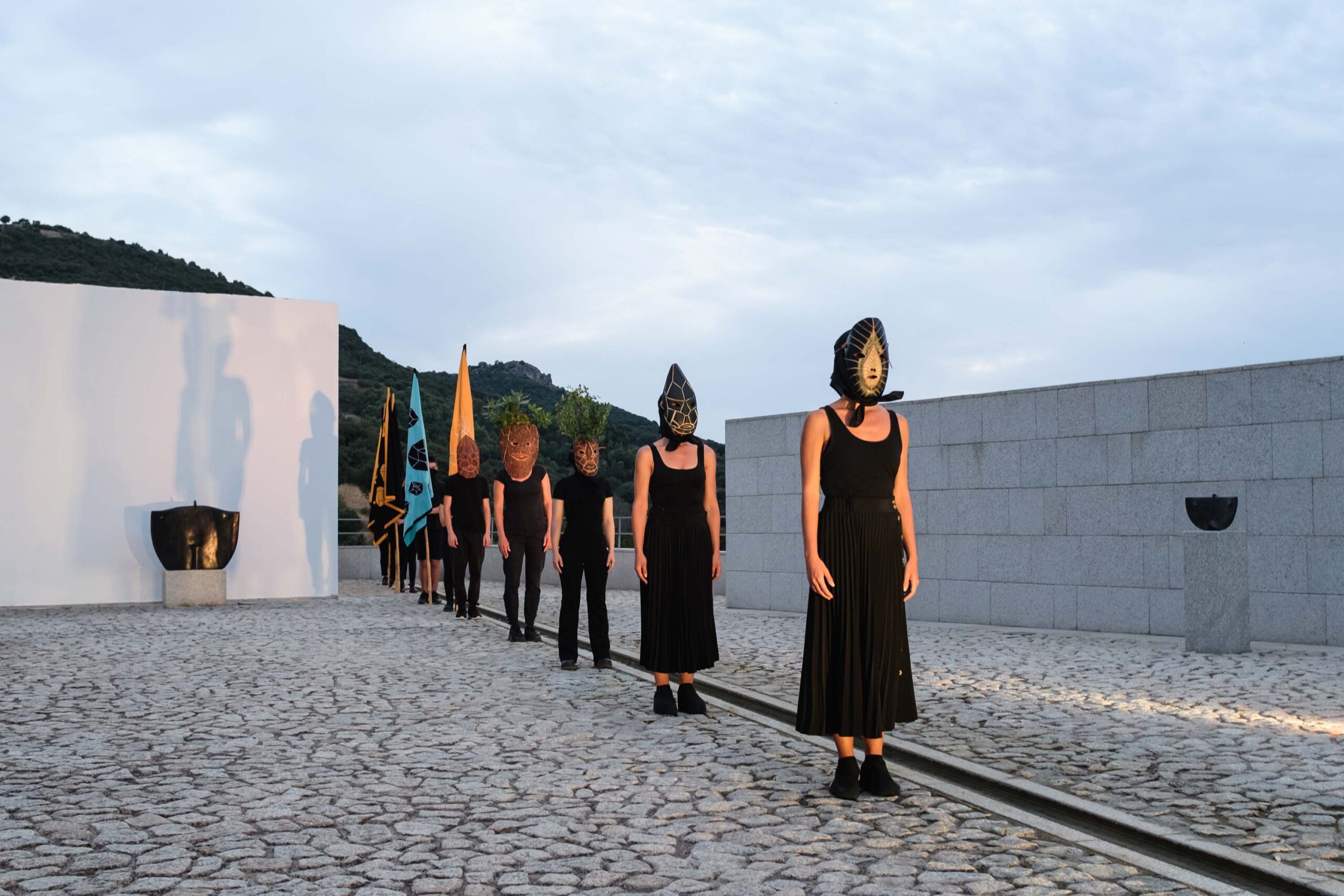
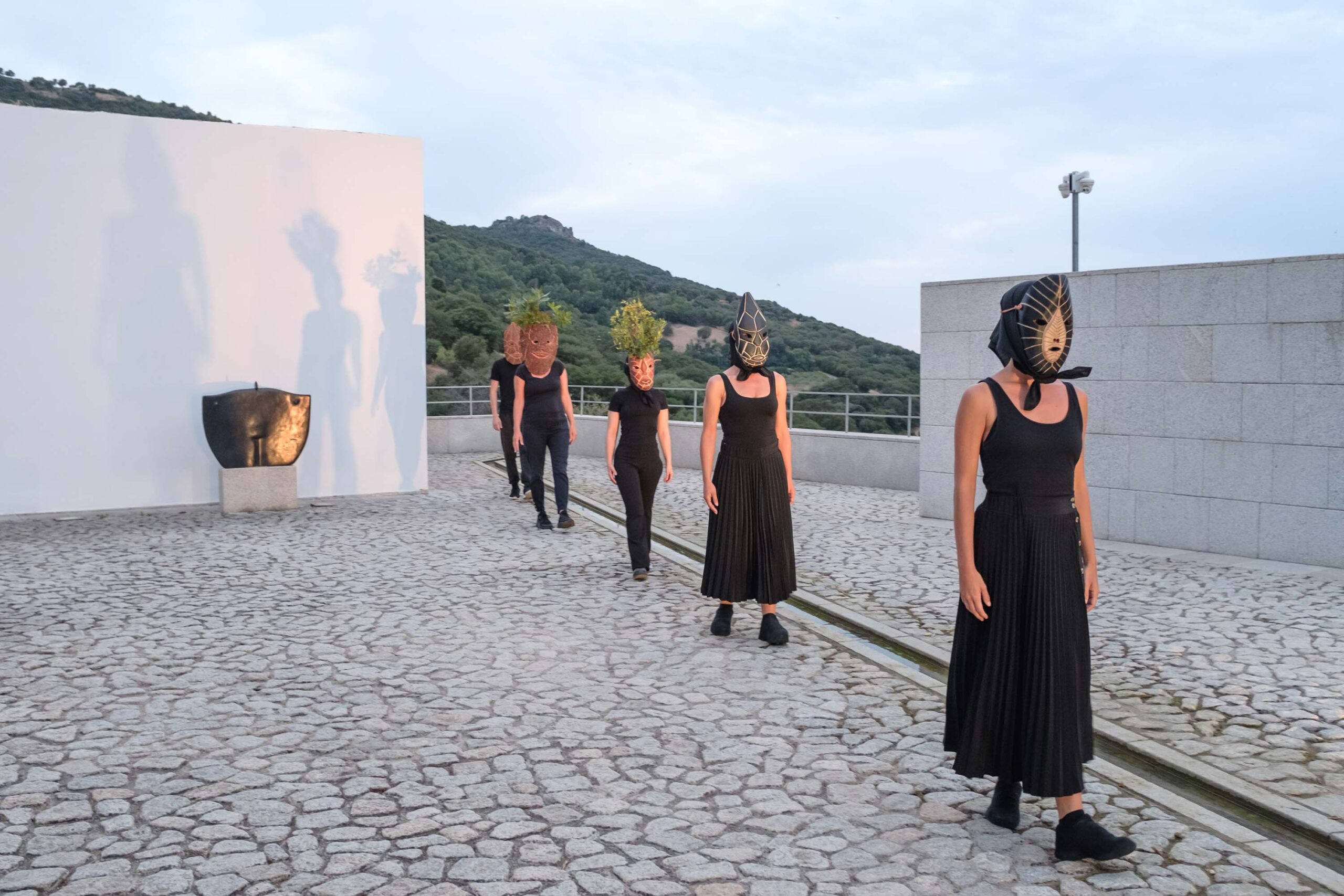
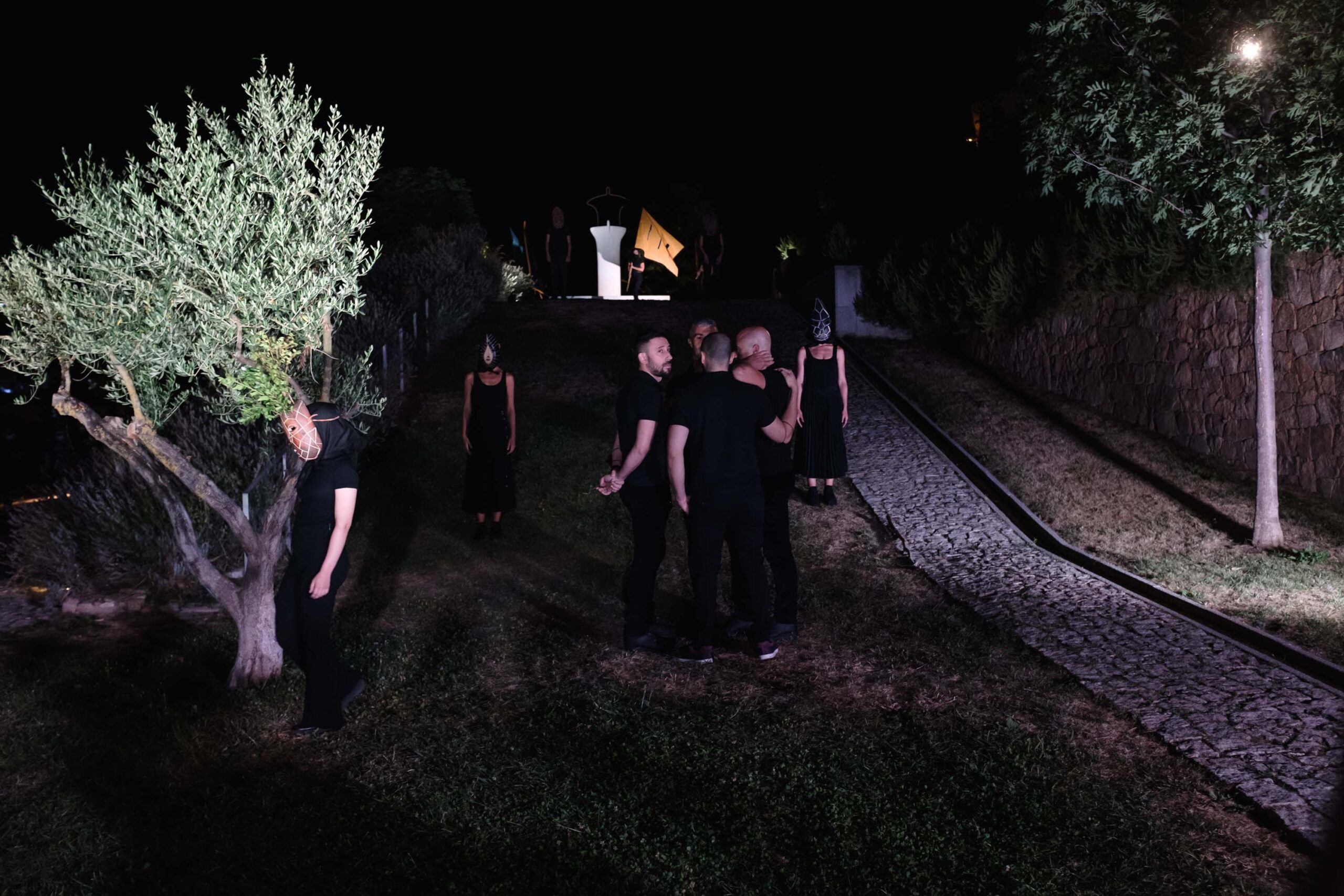
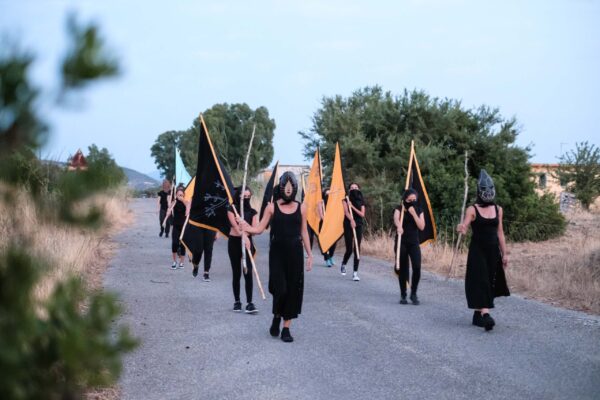
Within this space, a rite of passage was enacted involving local residents, former workers, the children and relatives of factory workers, musicians, performers, craftspeople and people who travelled from different parts of Sardinia.
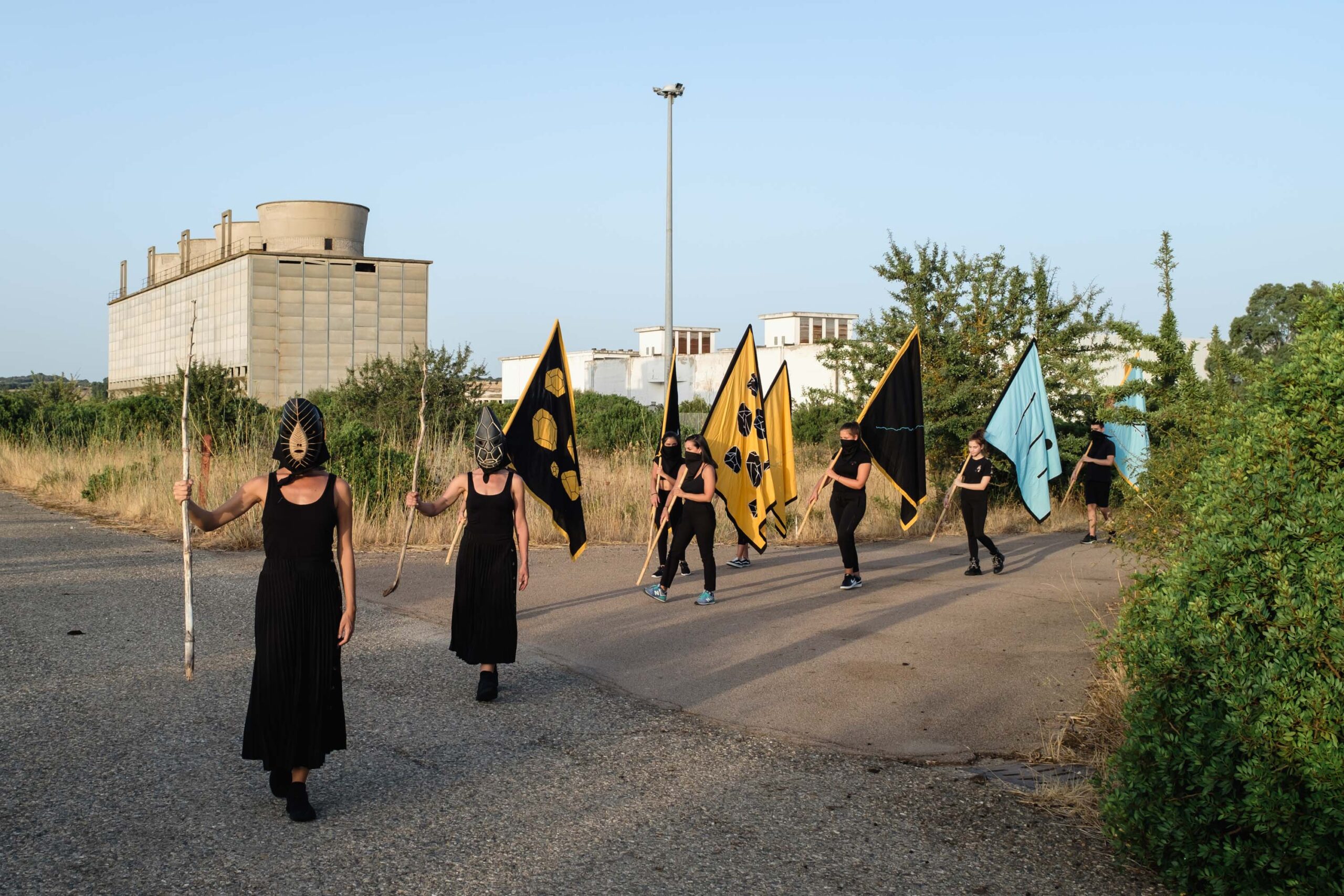
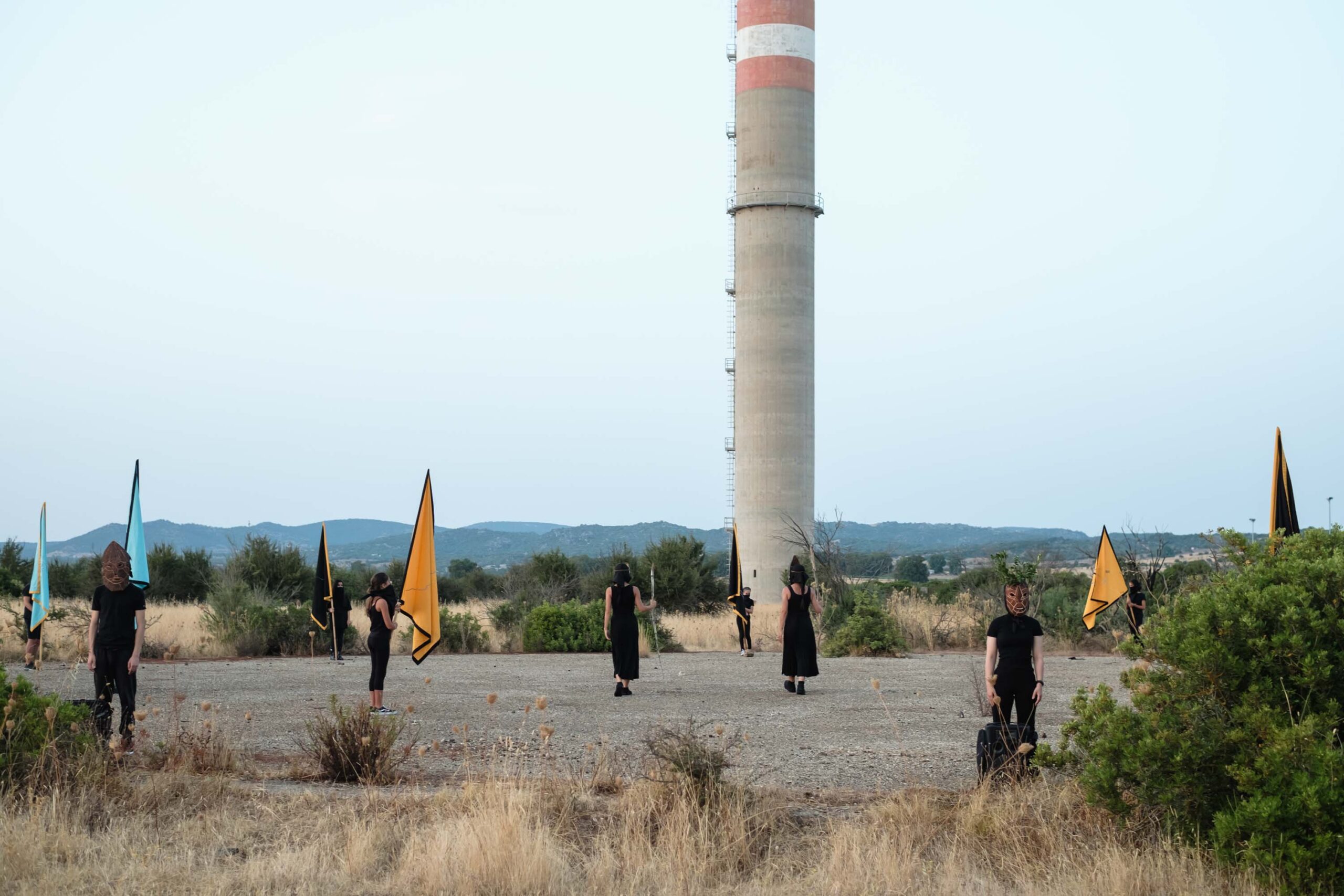
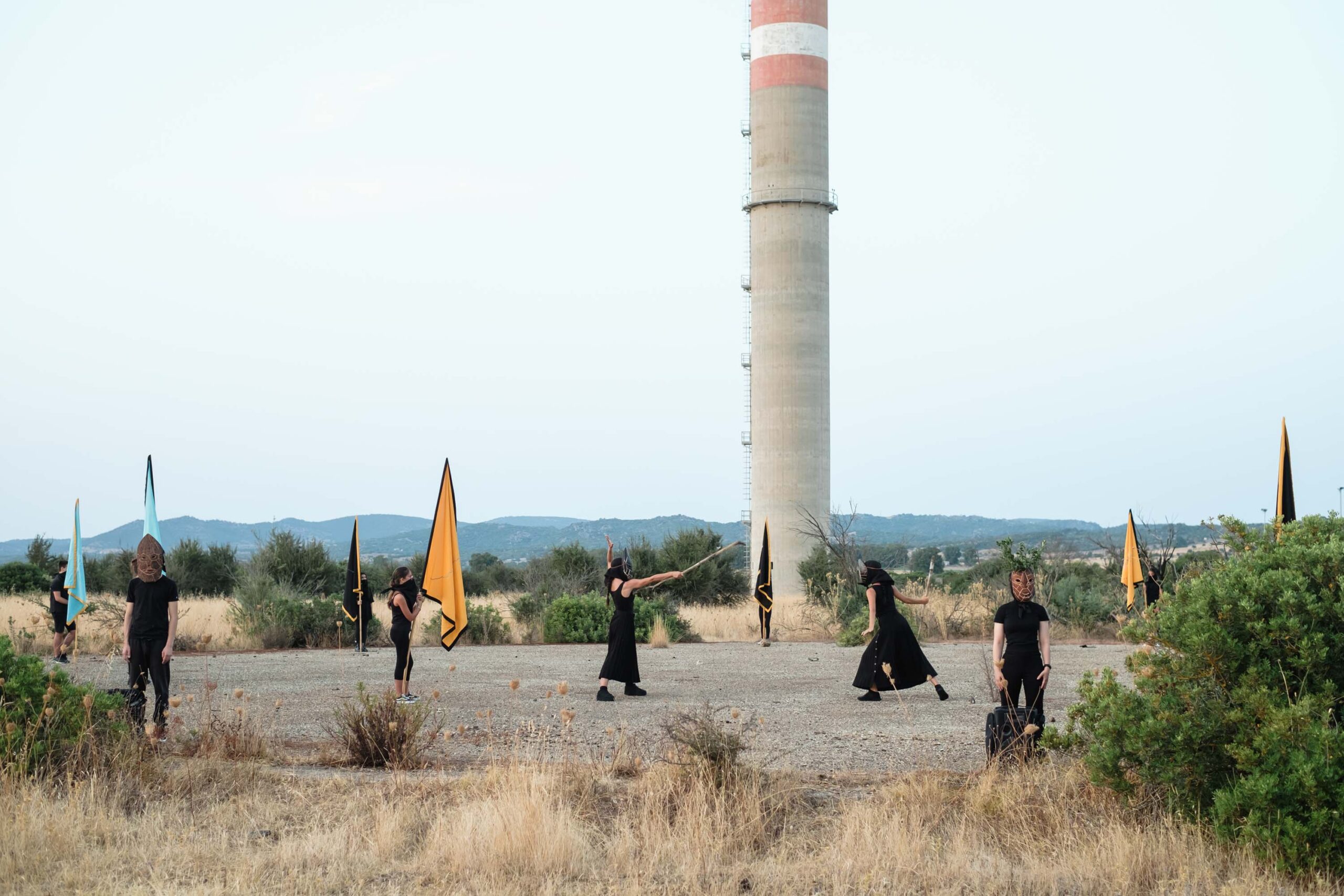
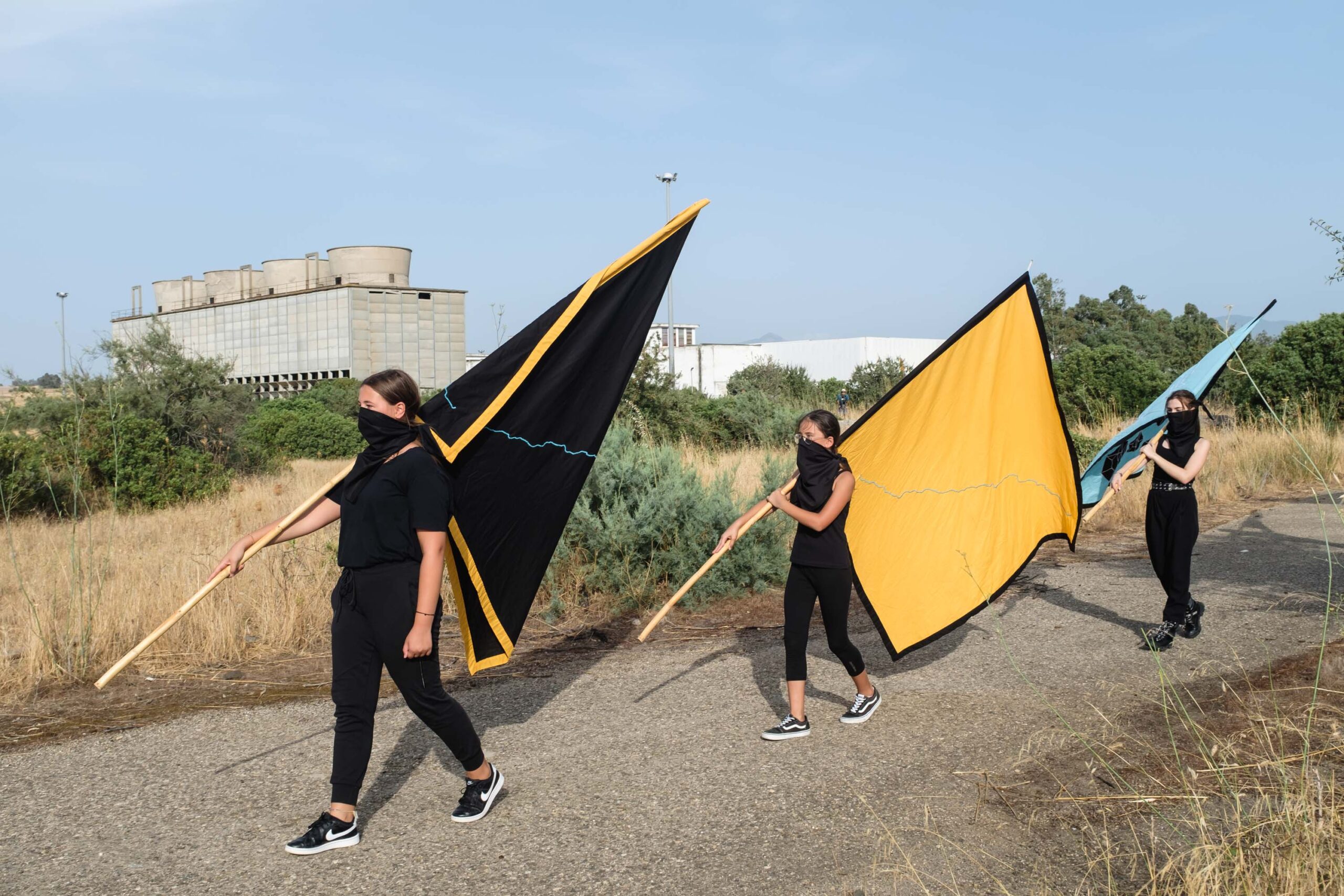
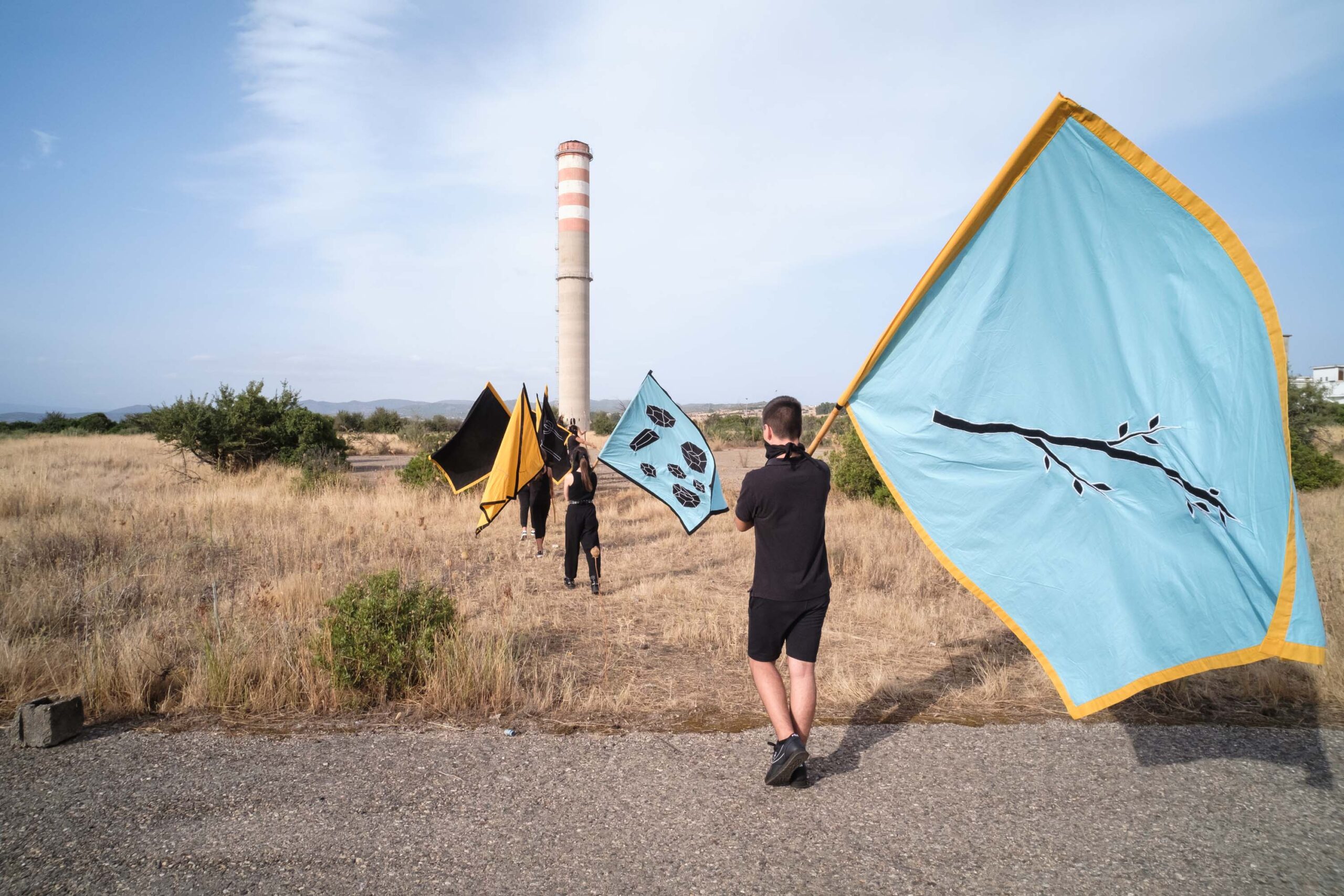
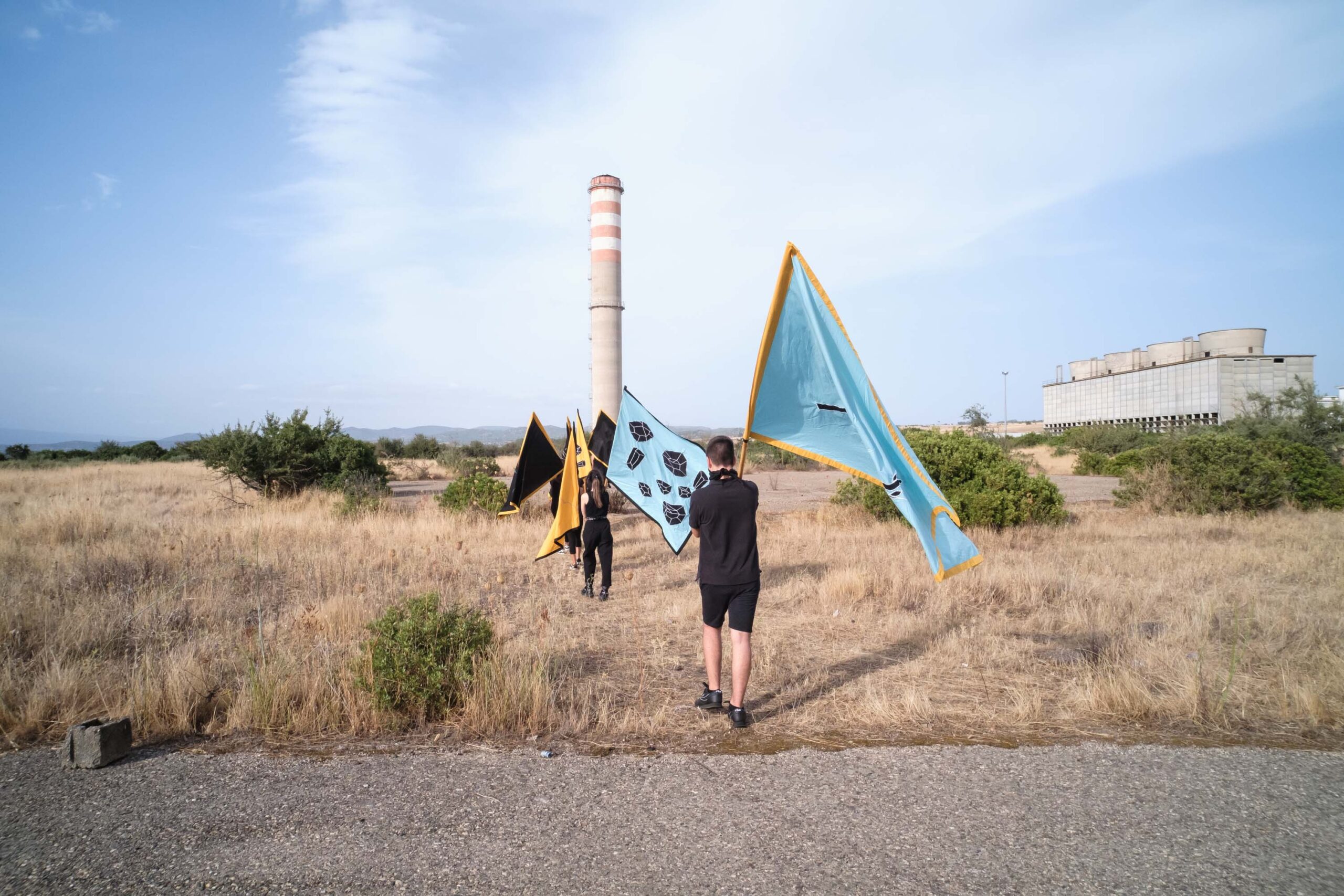
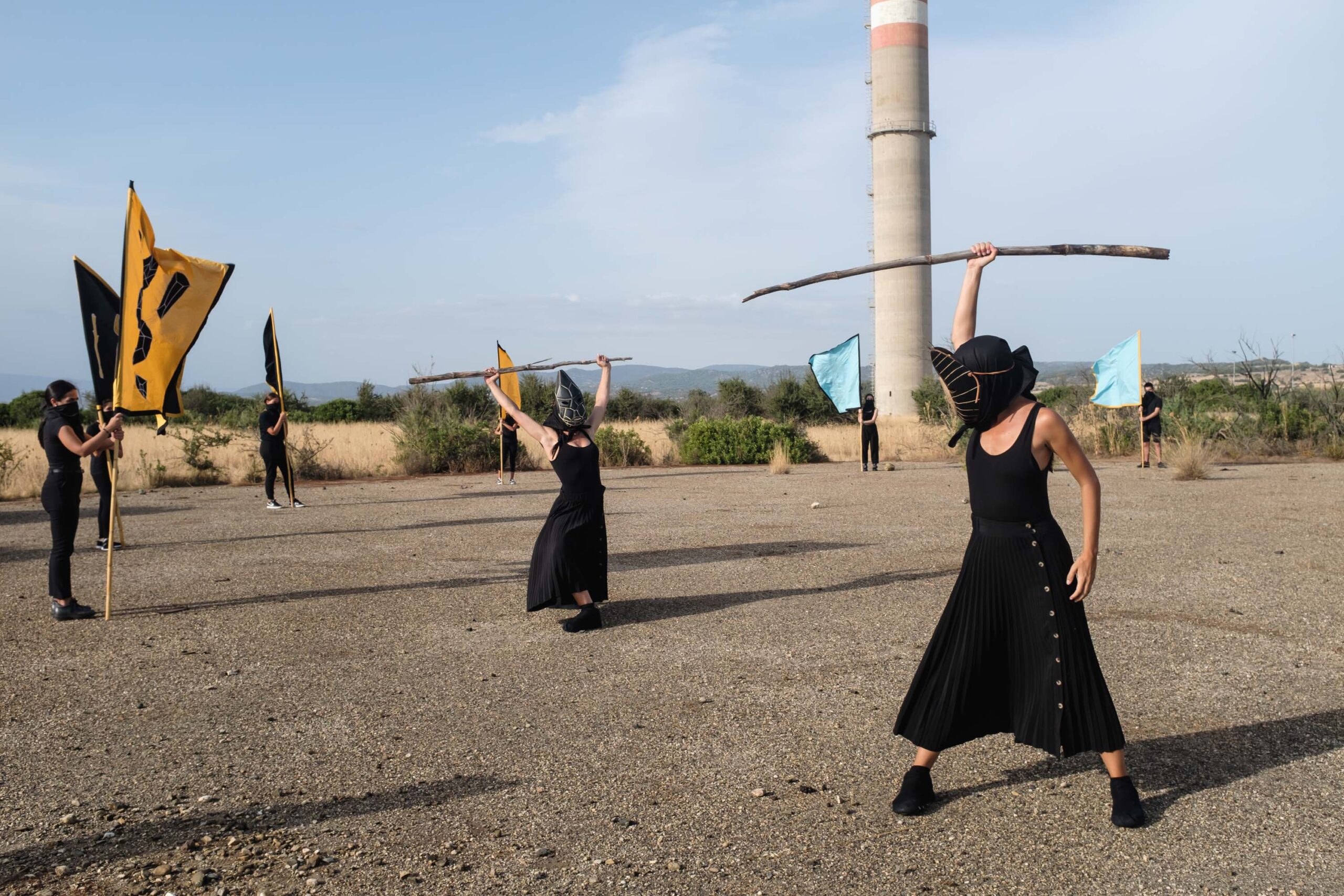
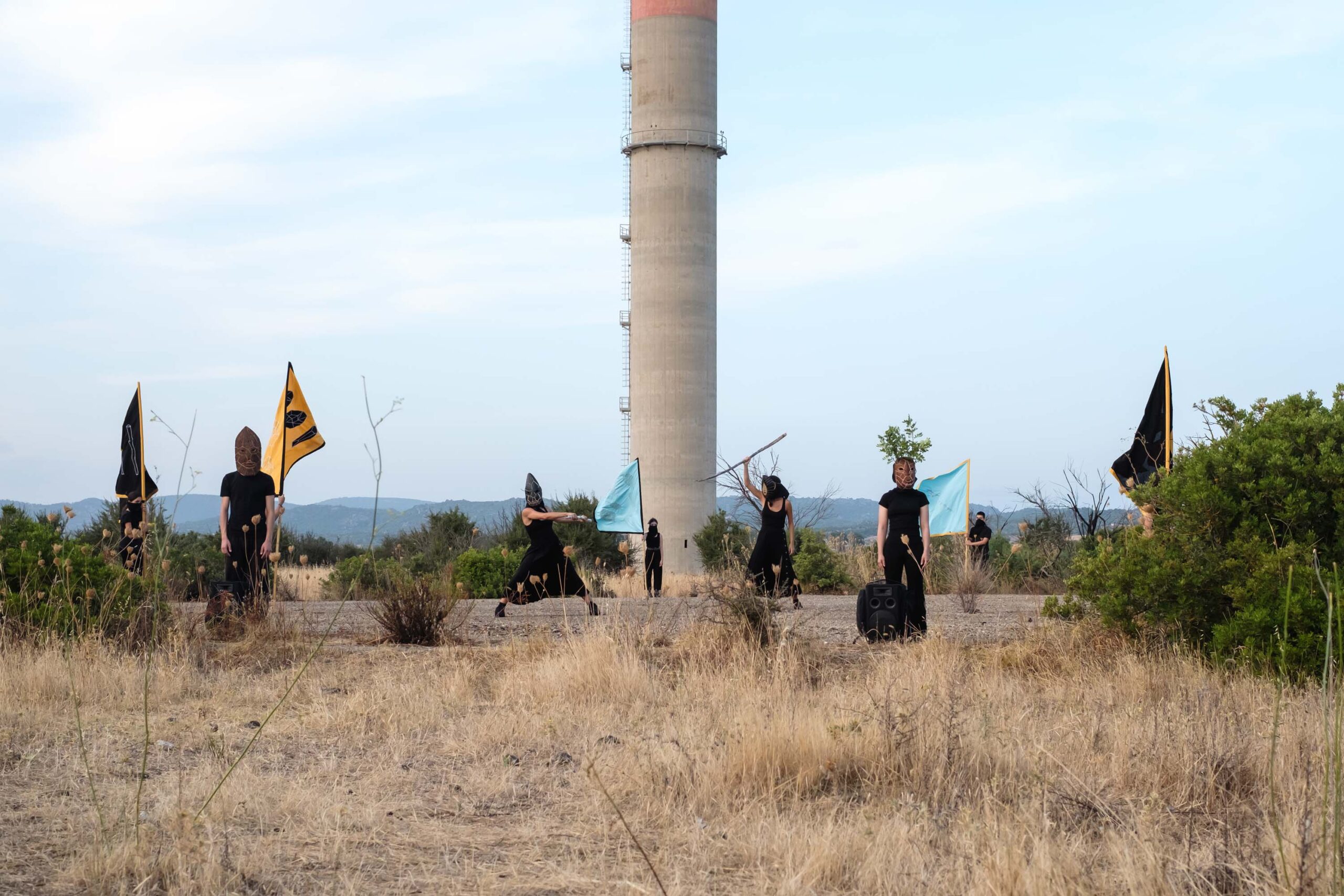
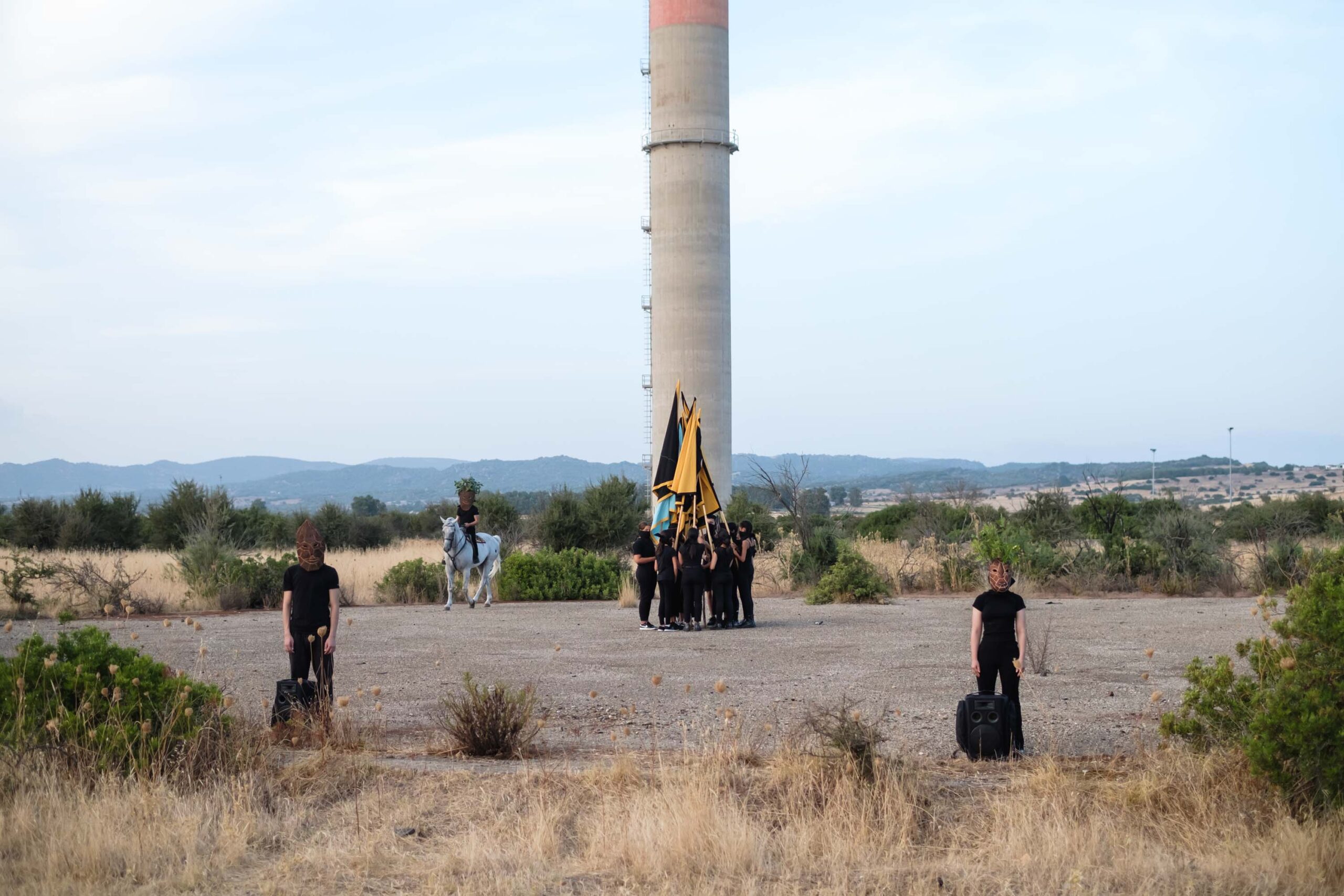
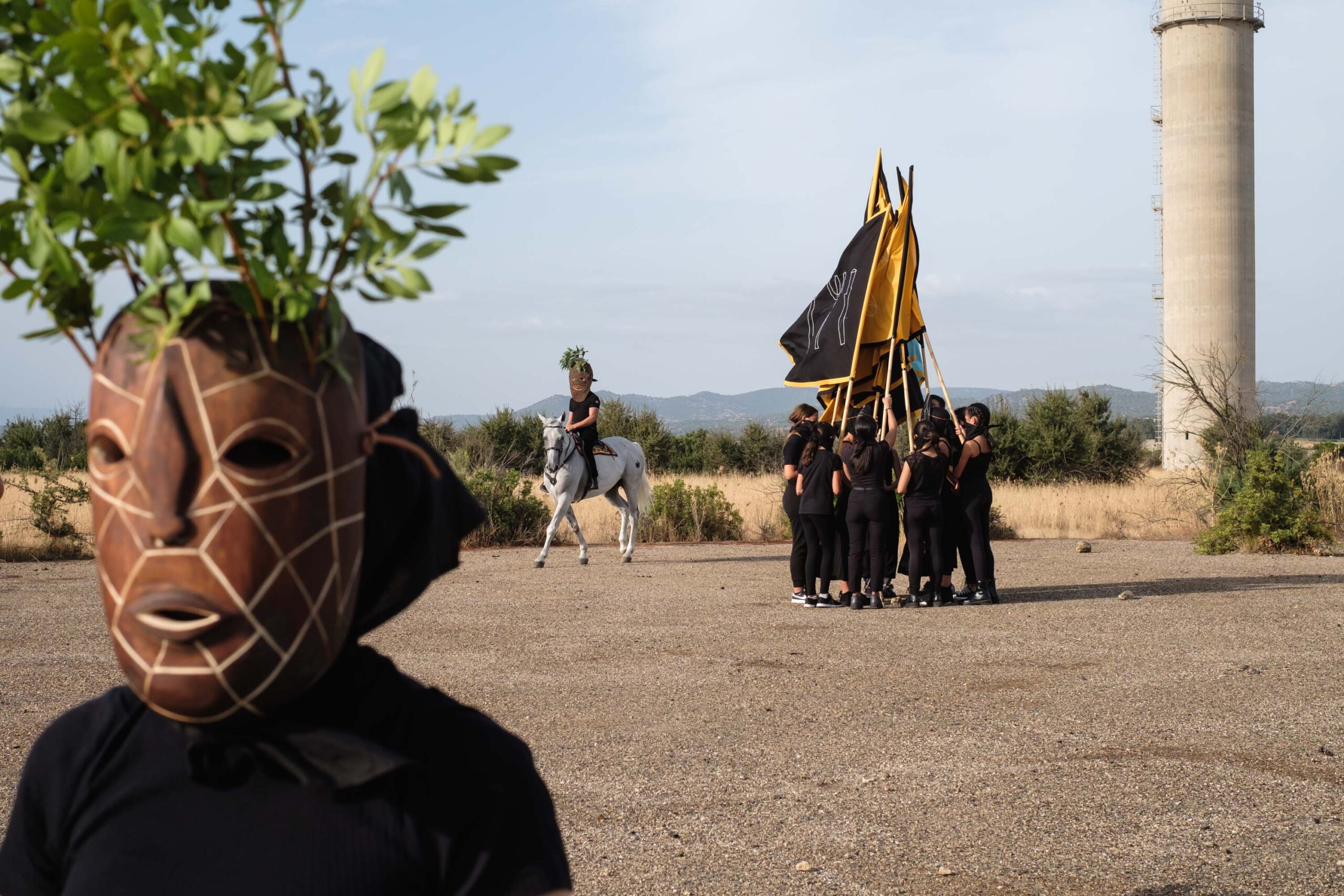
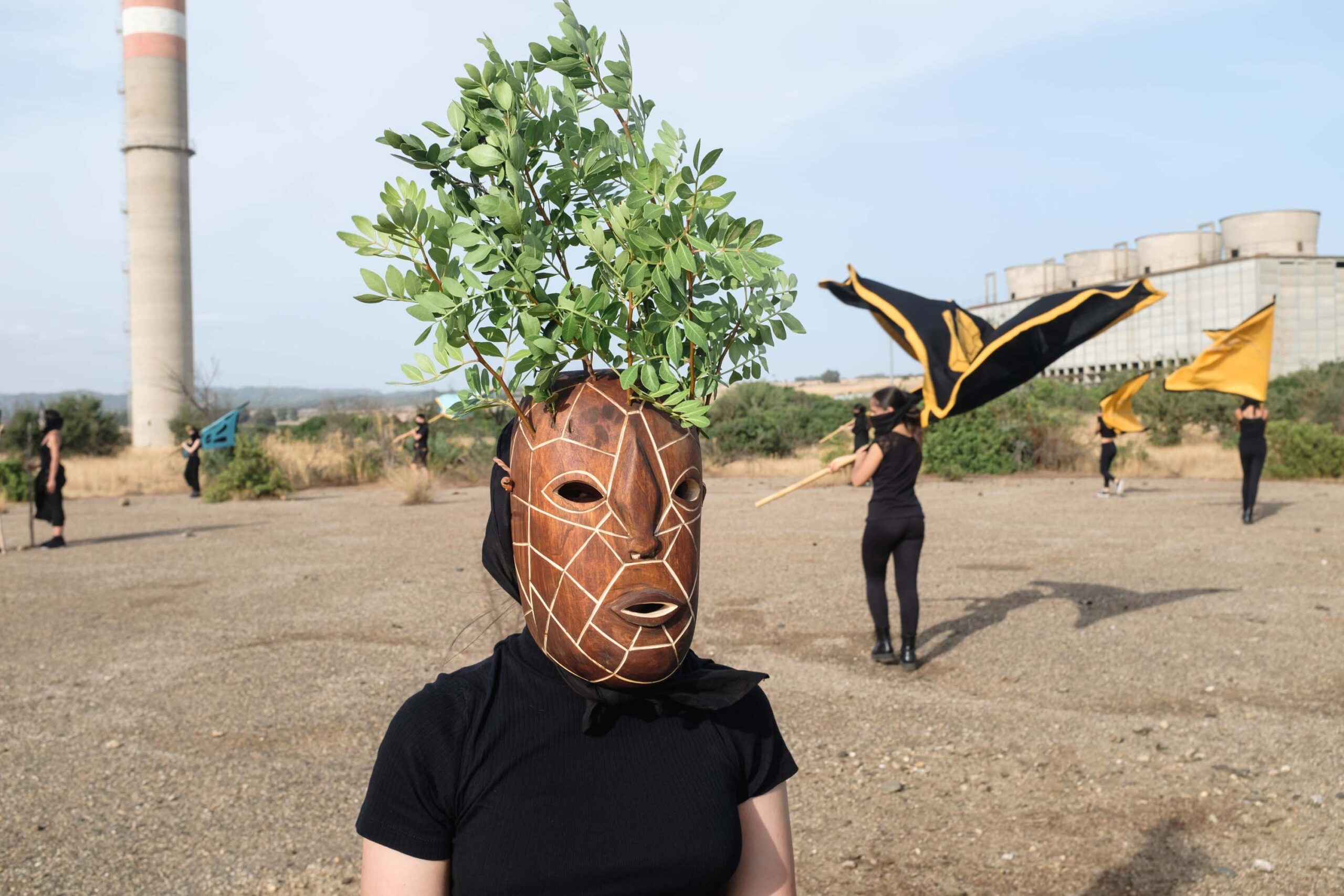
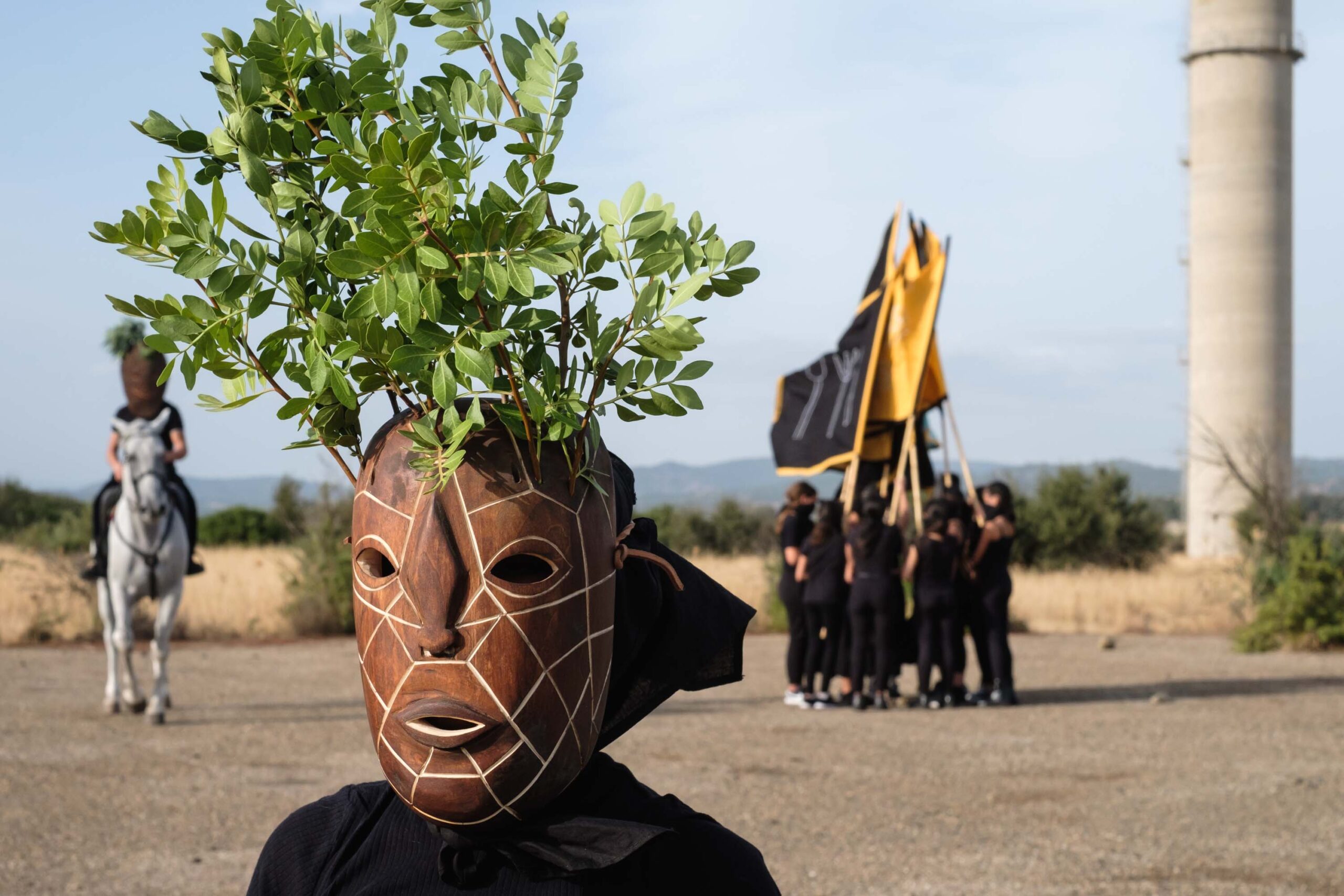
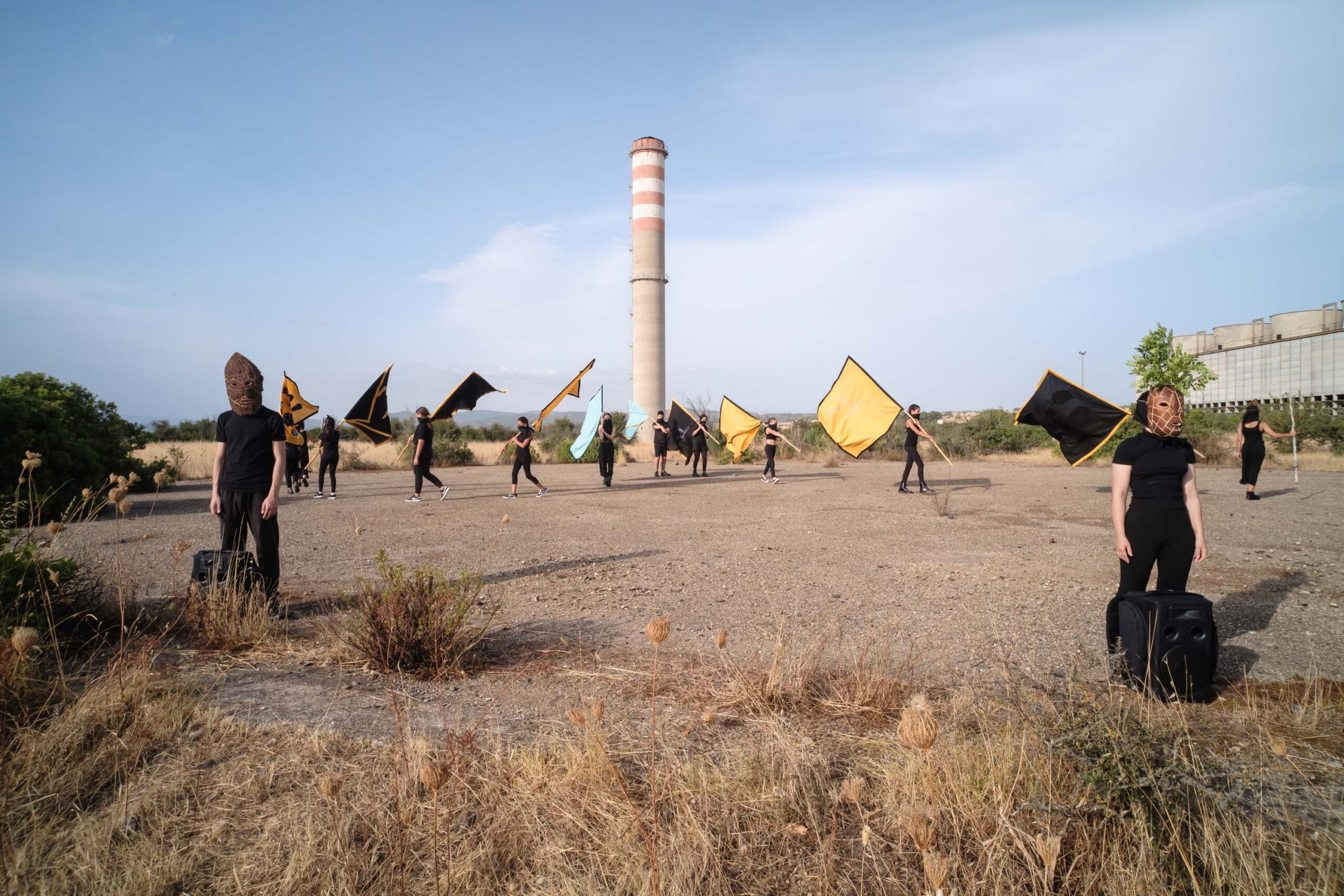
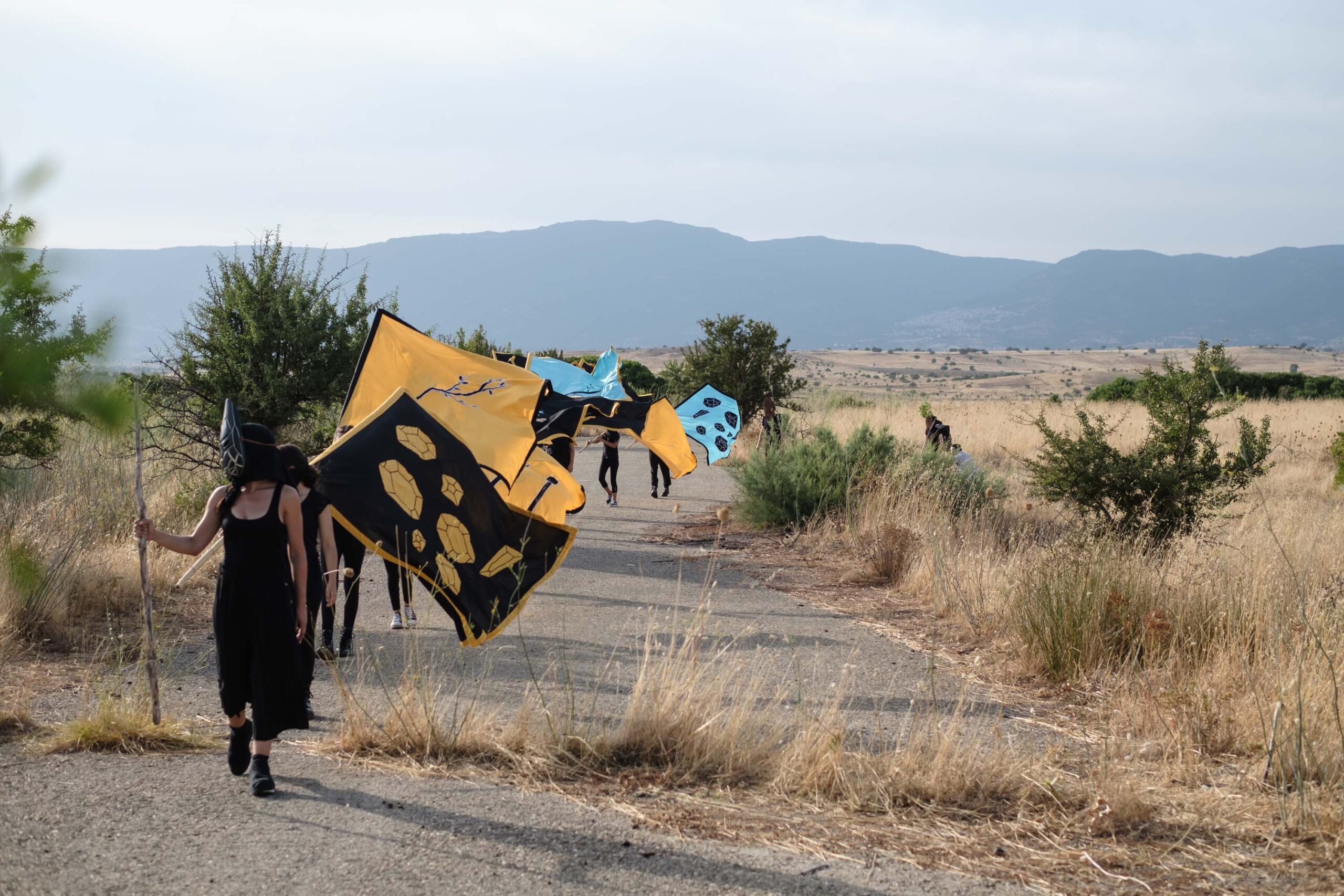
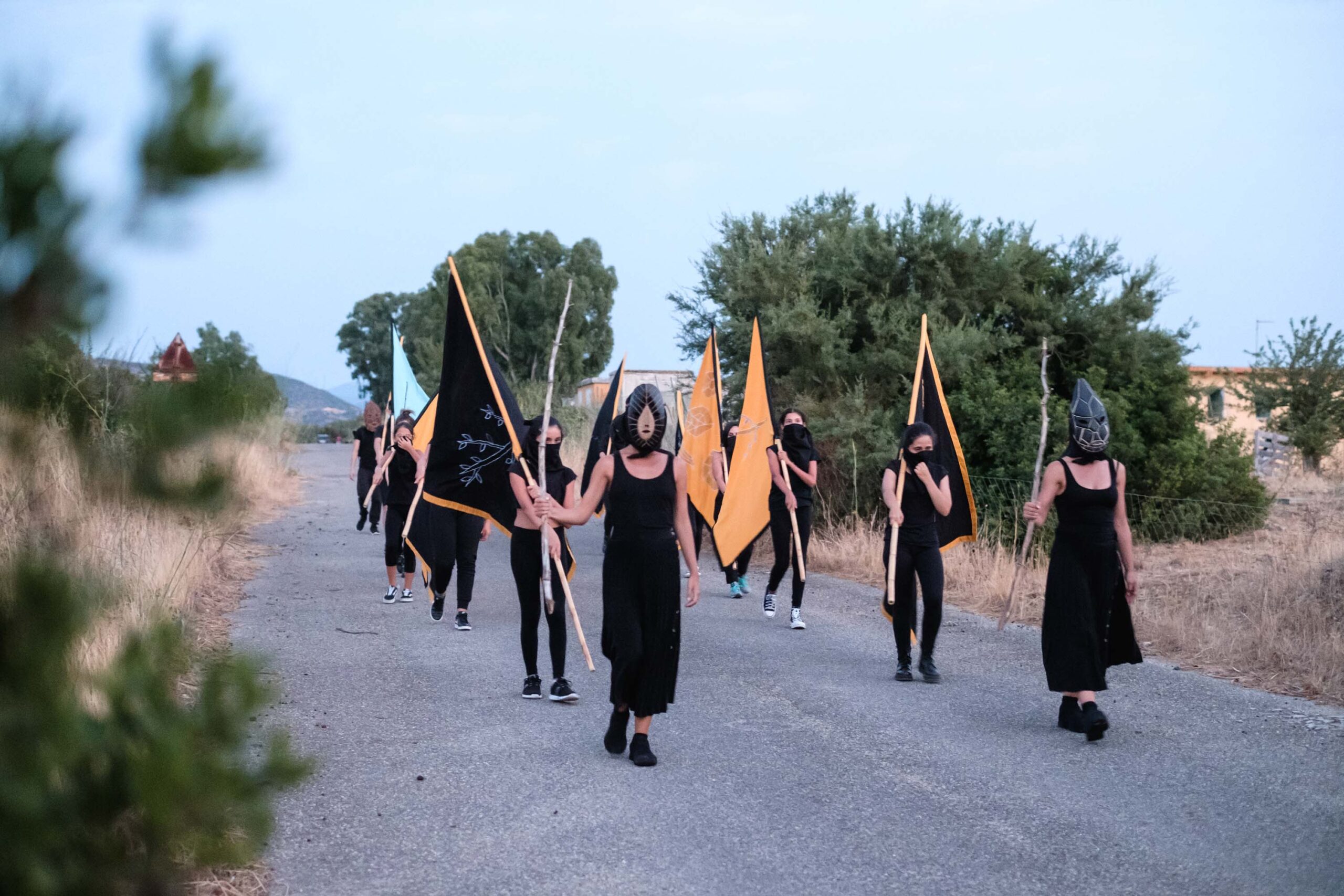
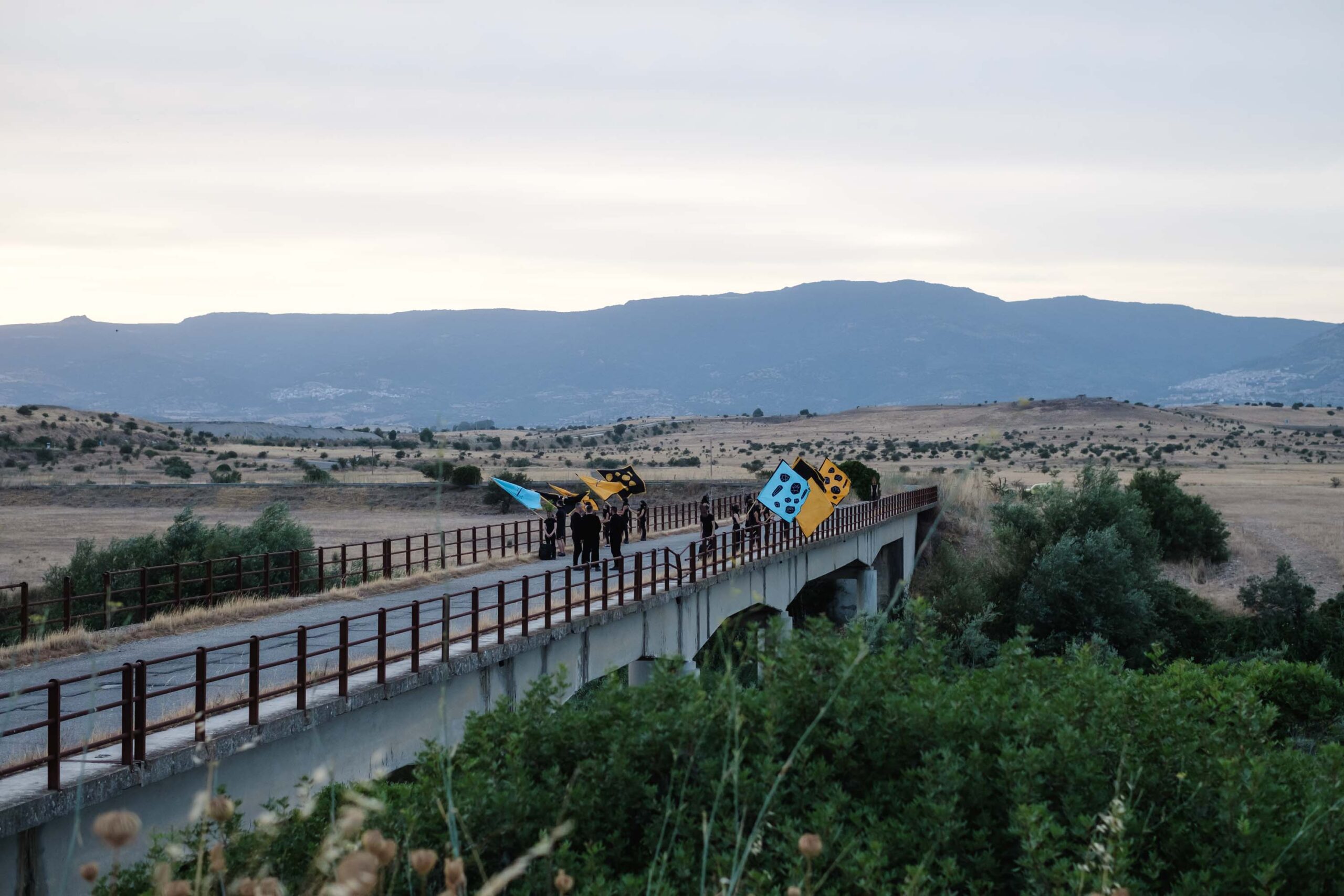
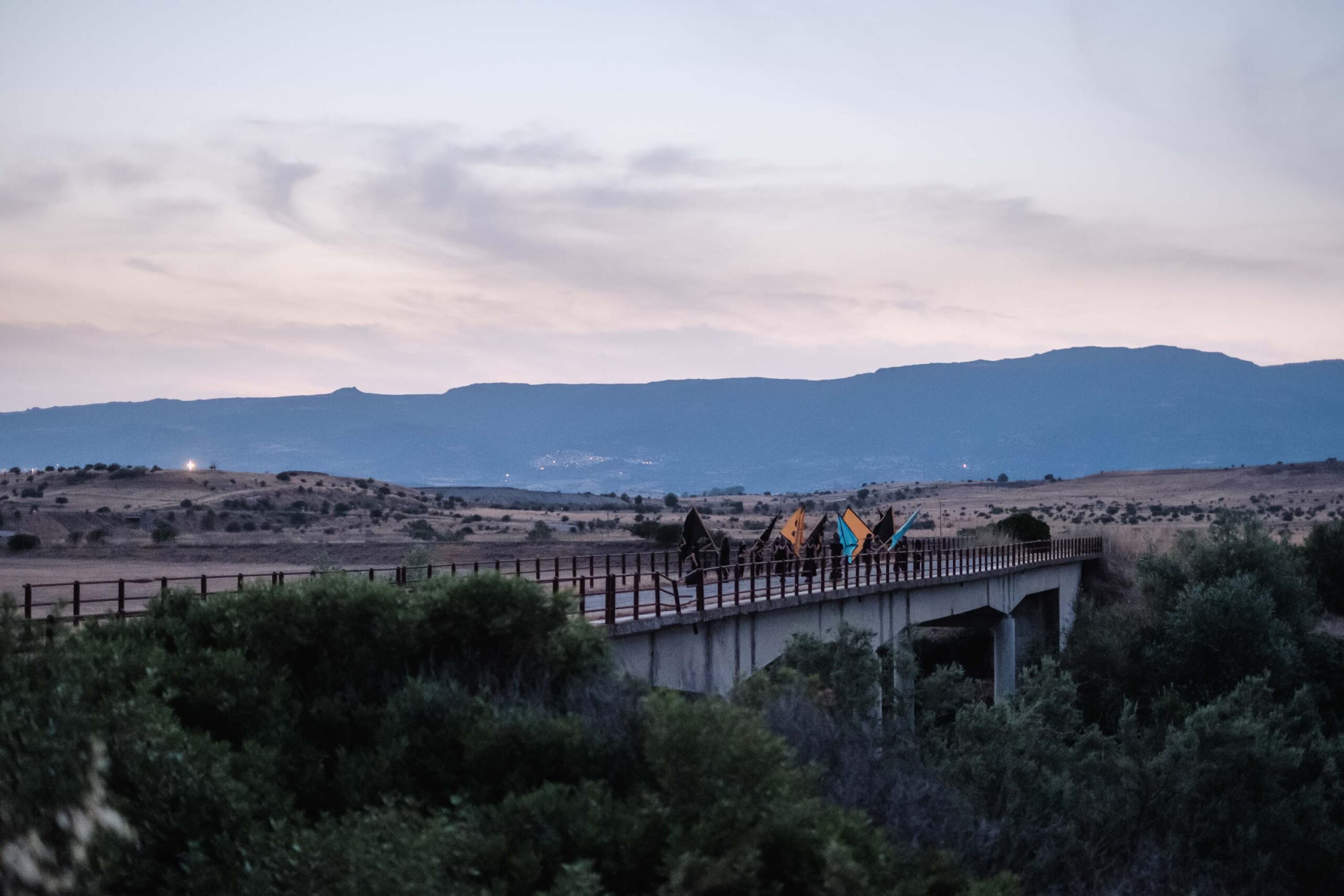
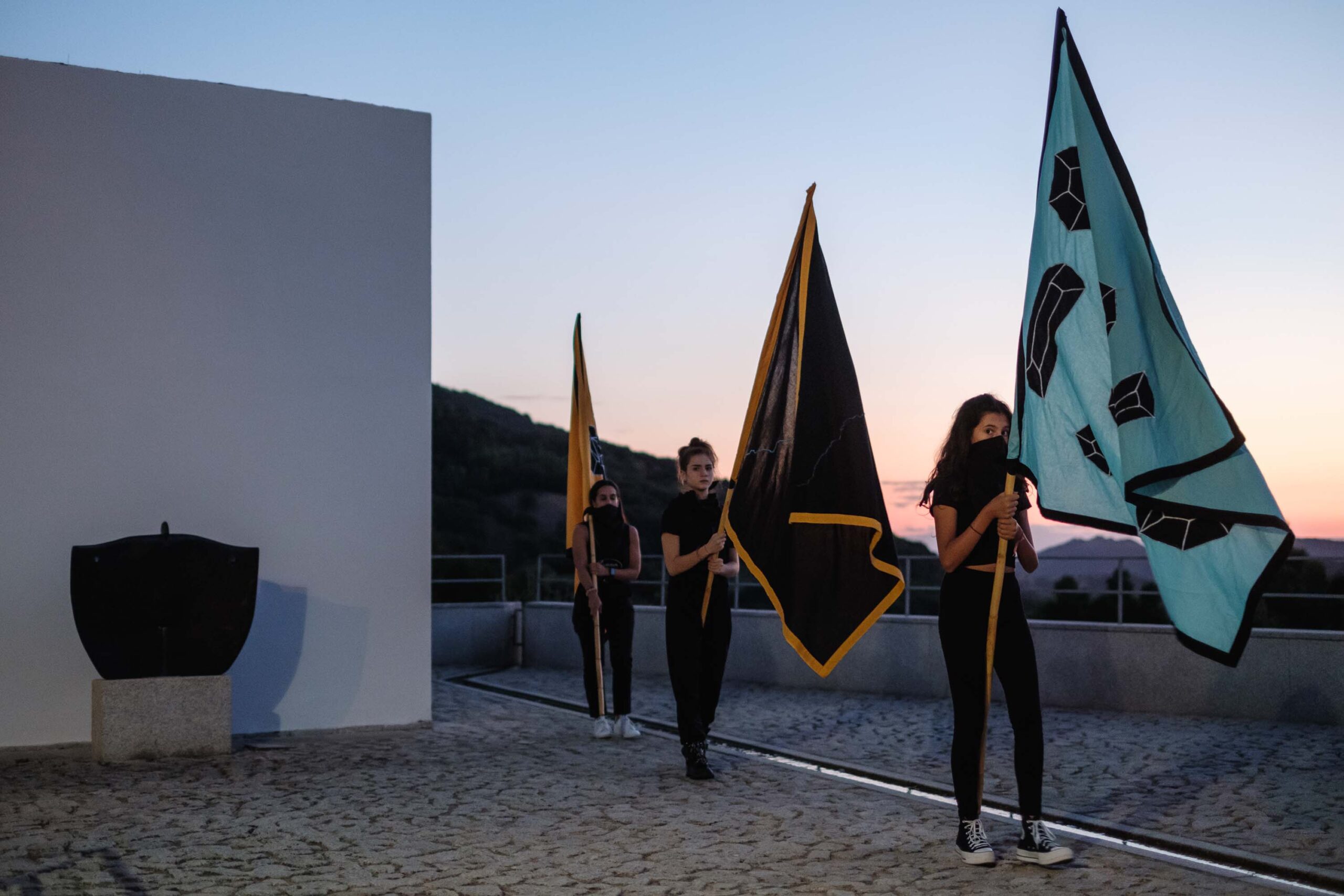
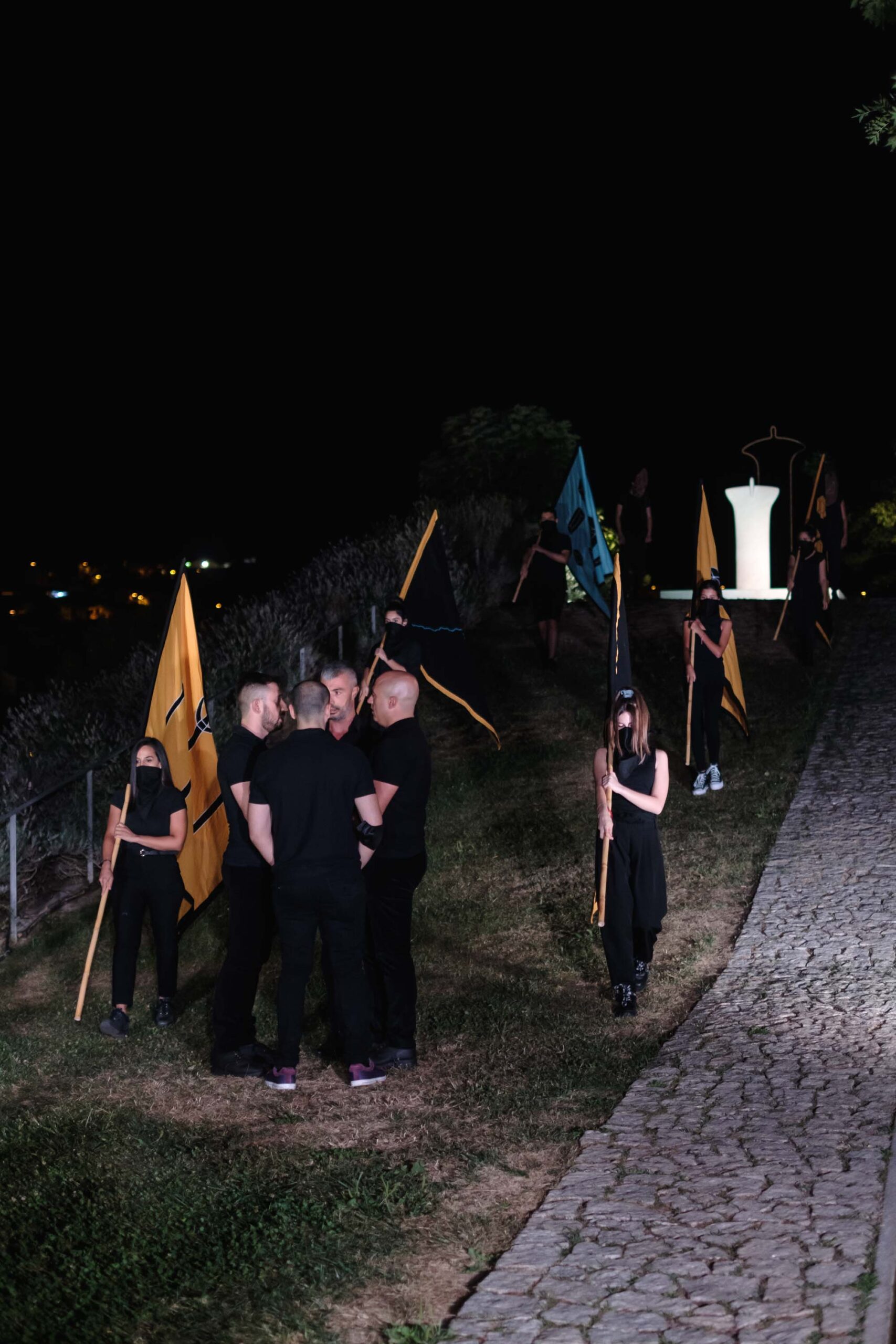
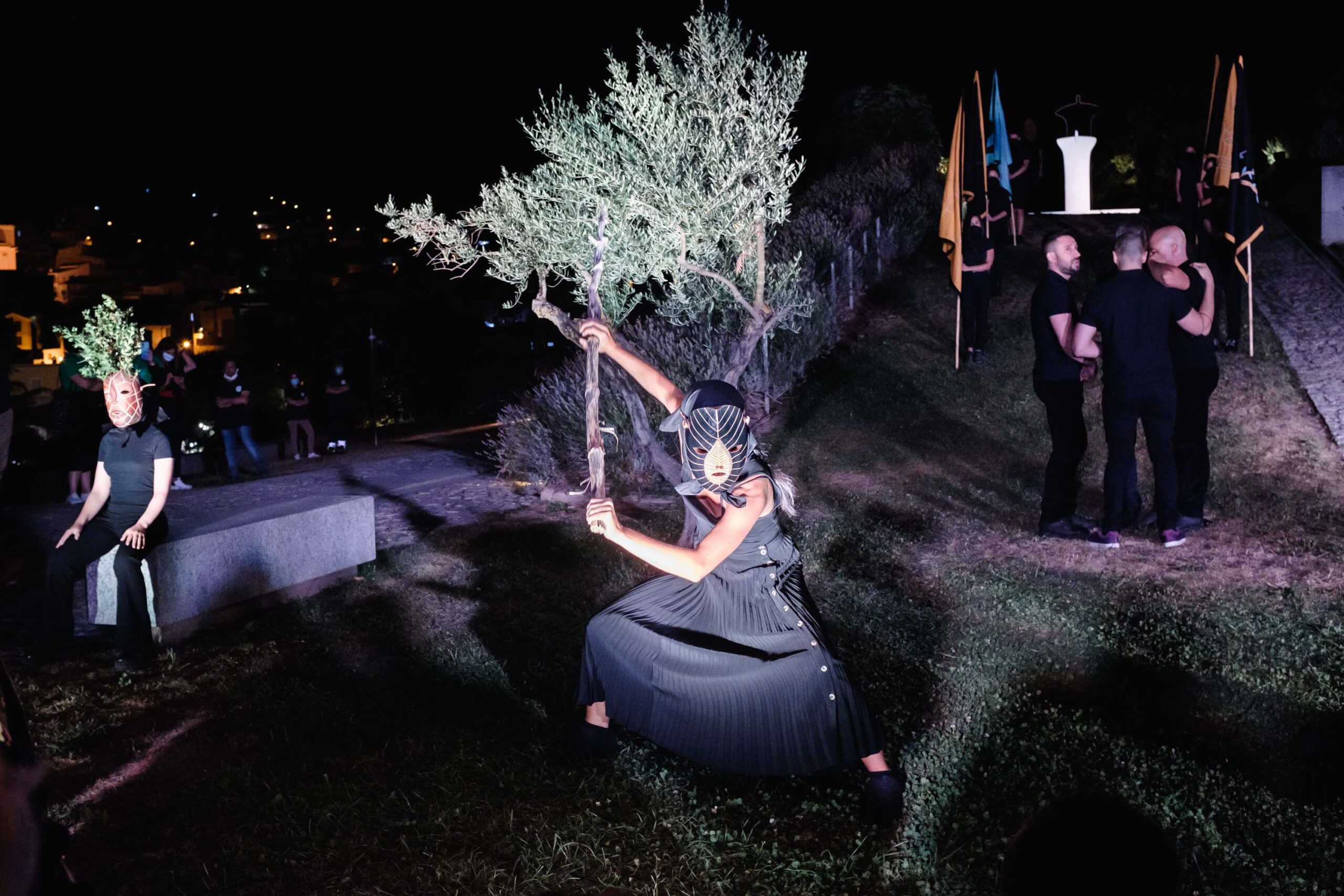
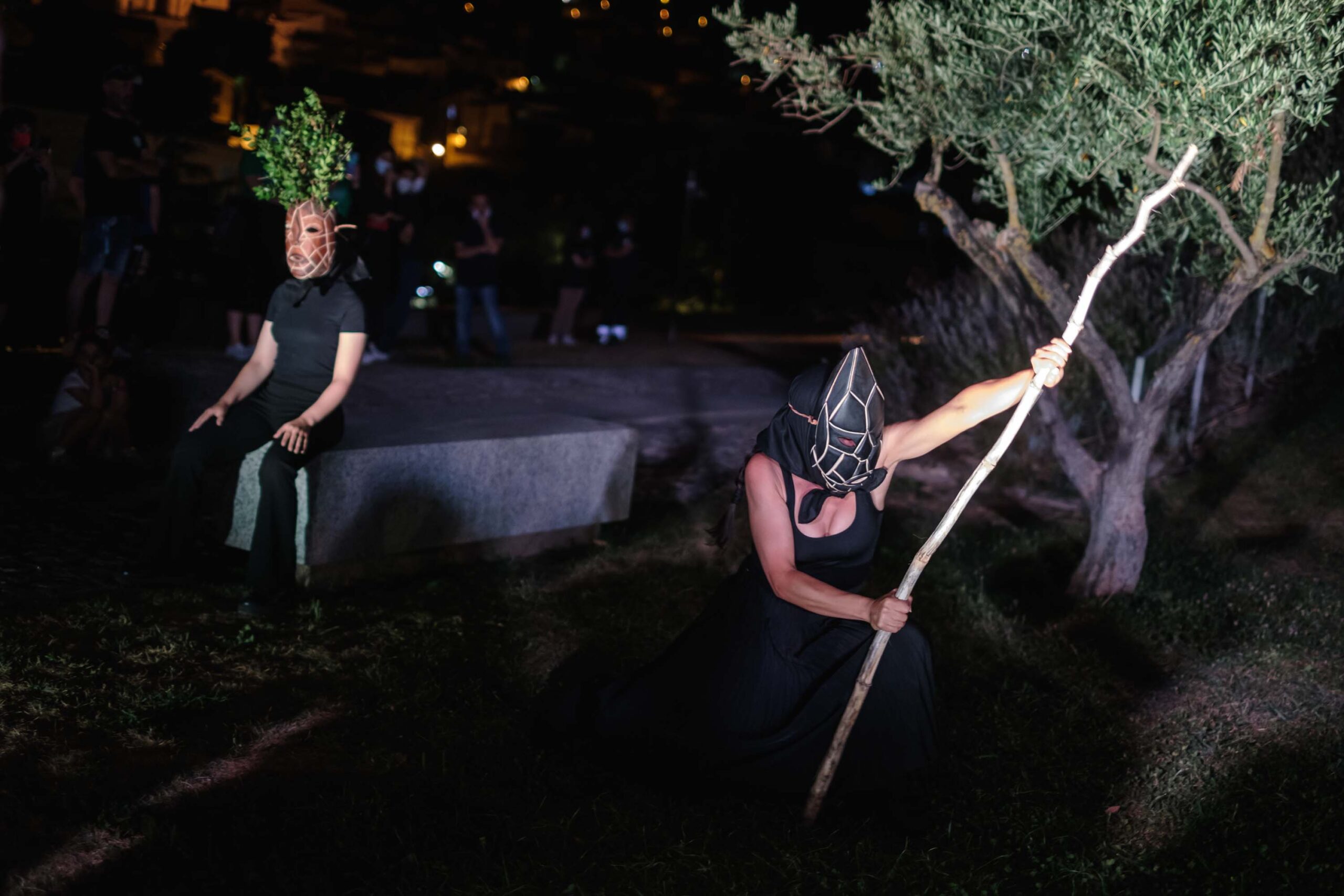
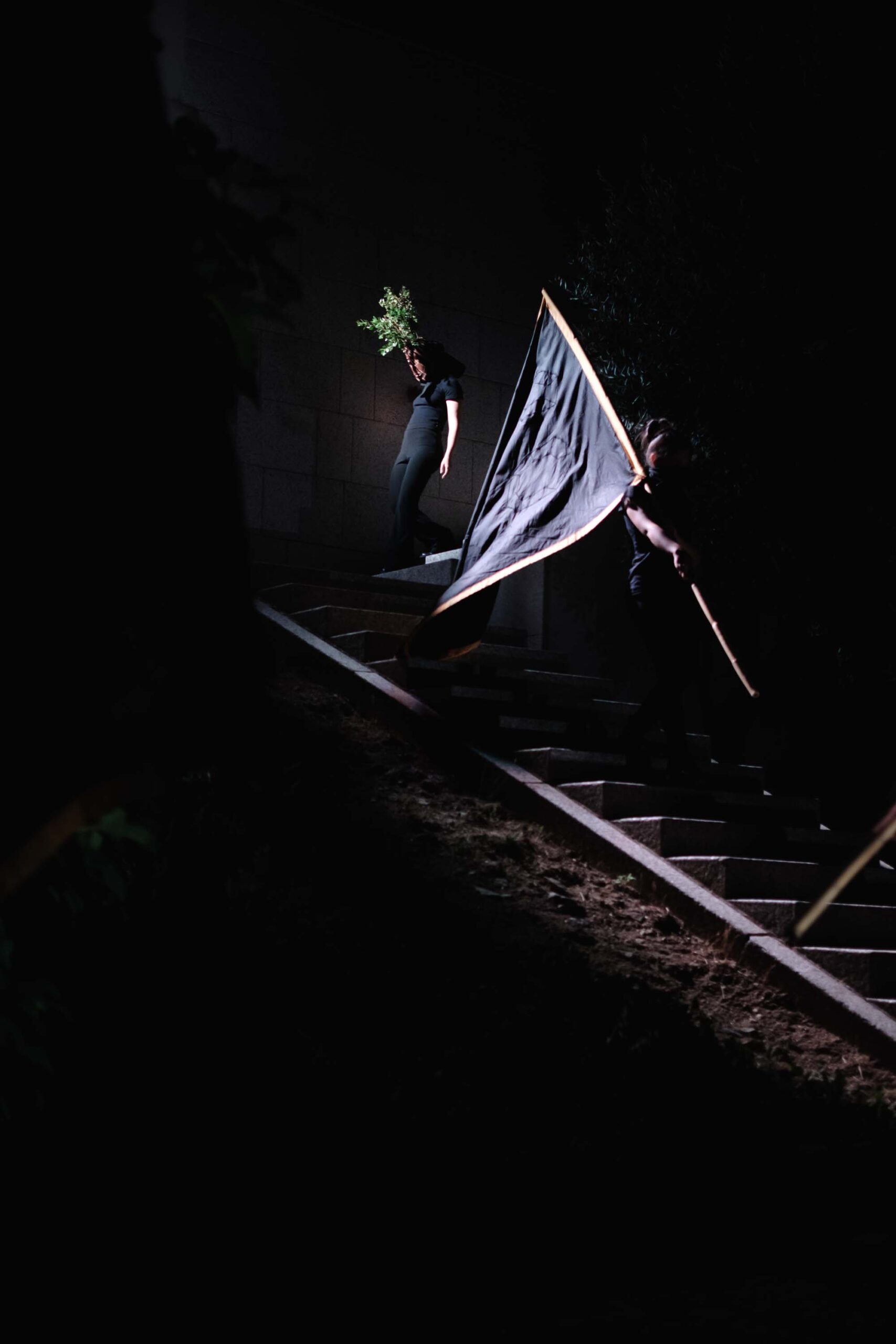
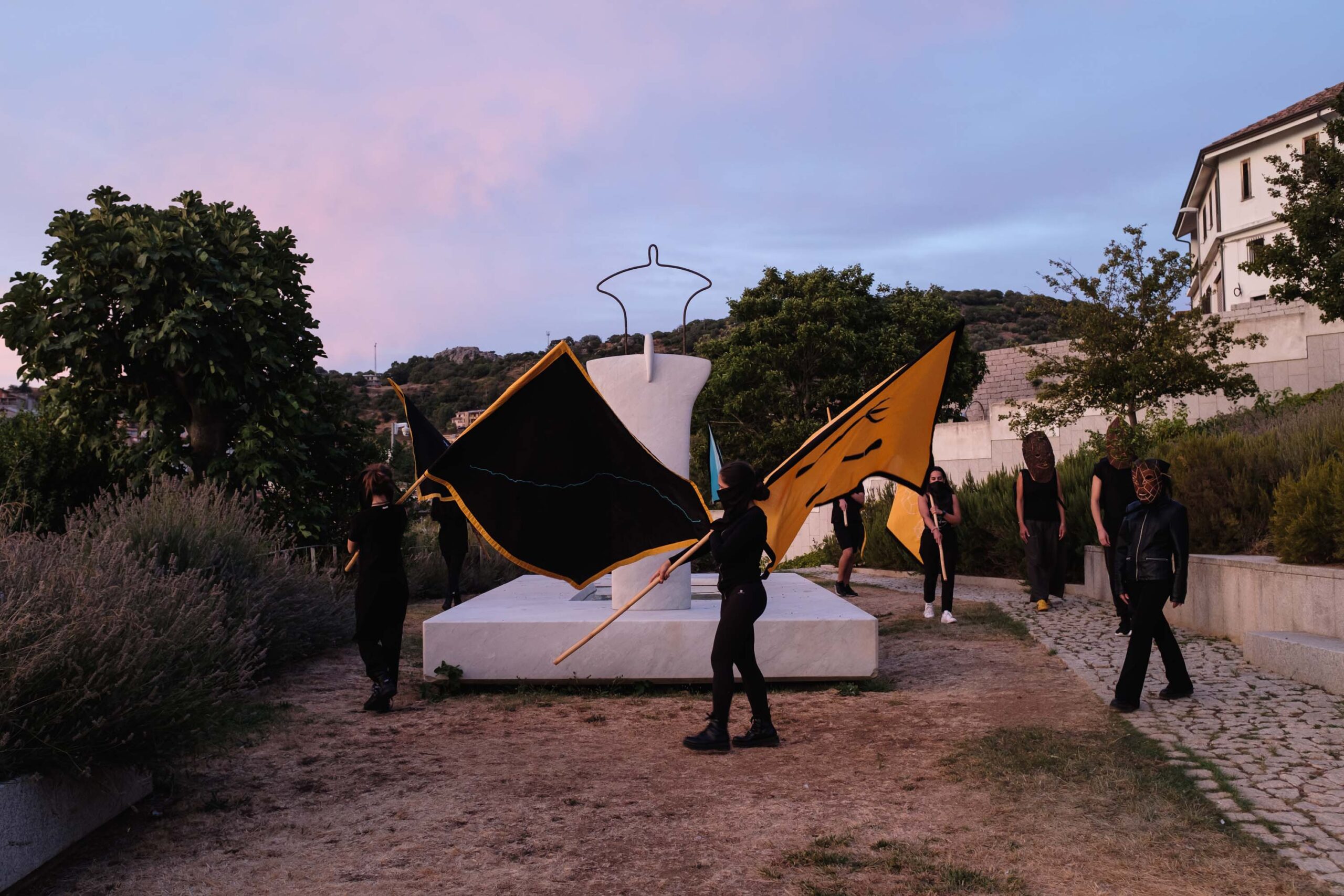
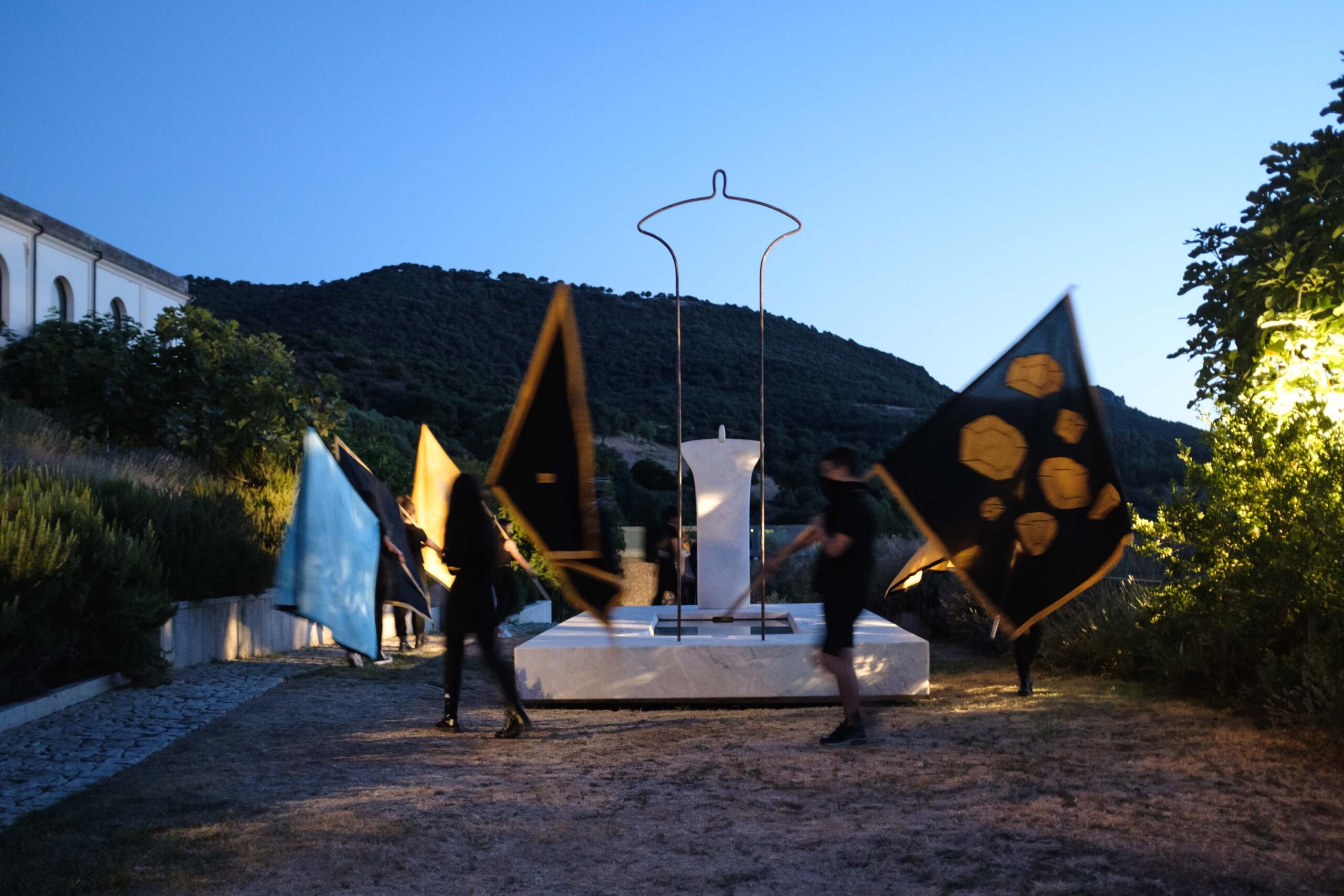
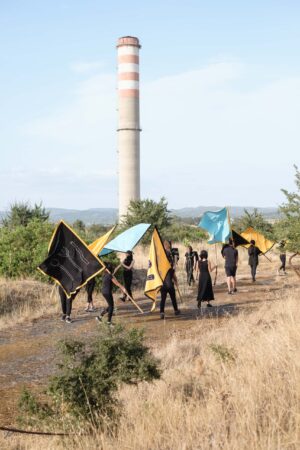
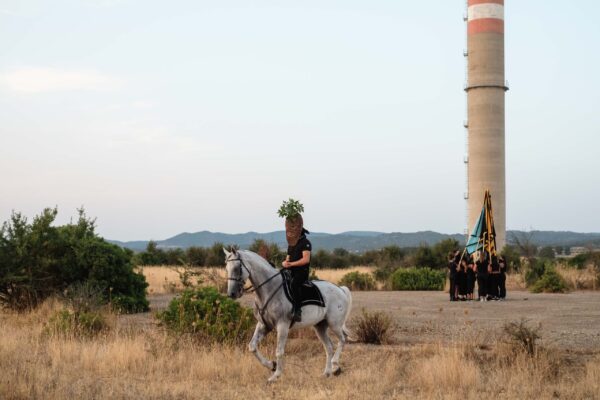
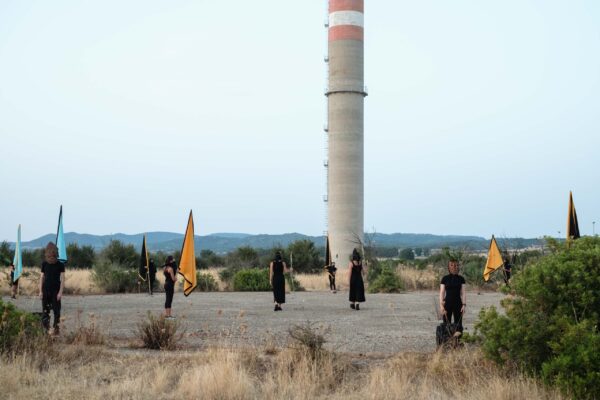
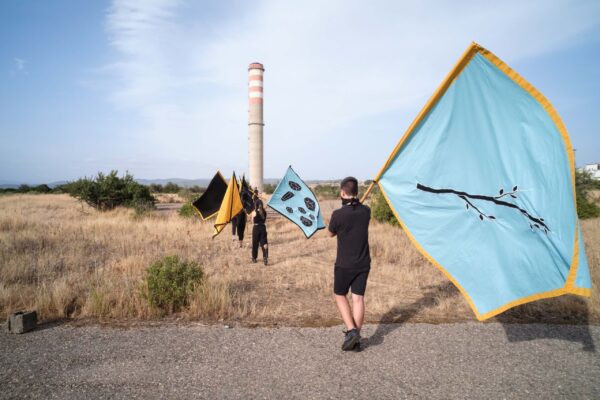
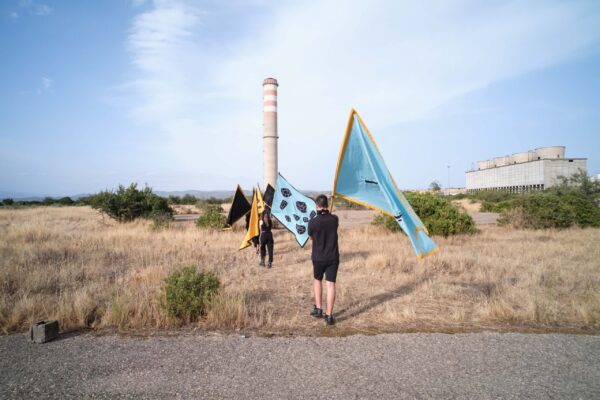
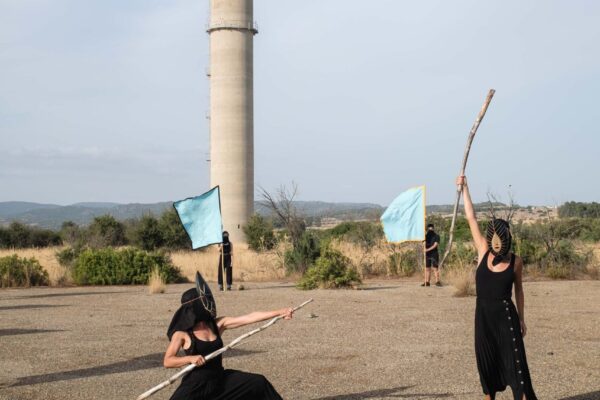
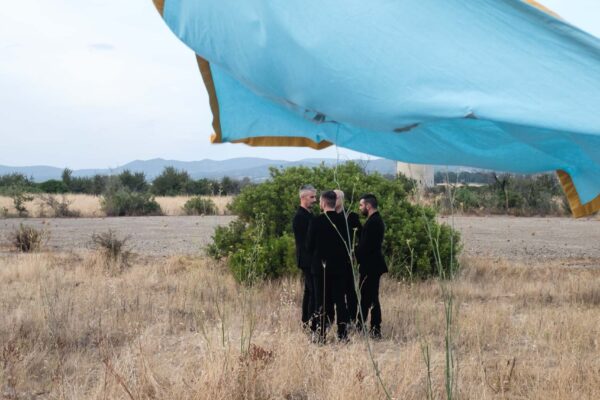
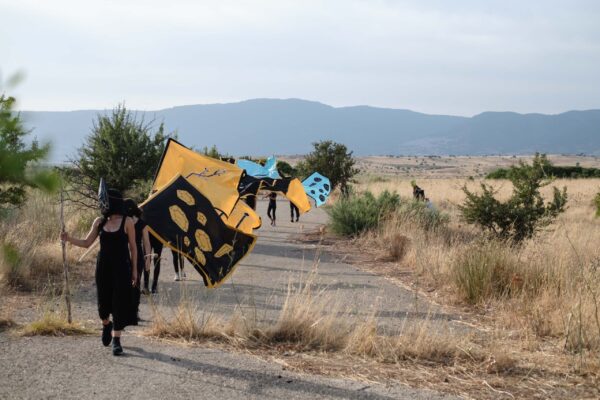
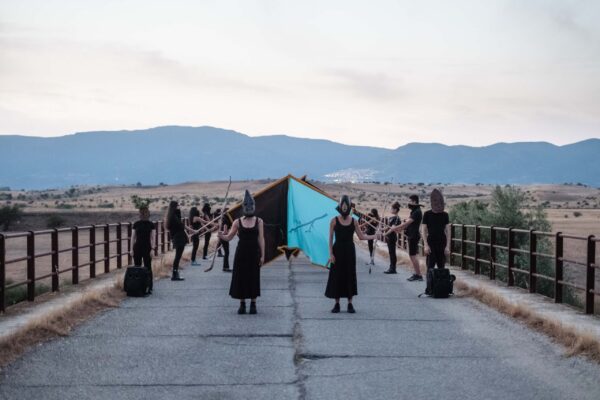
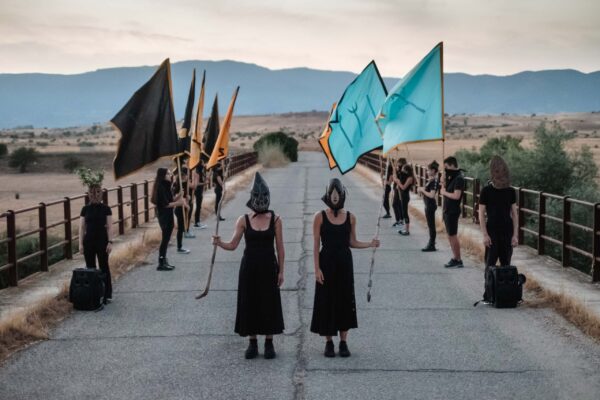
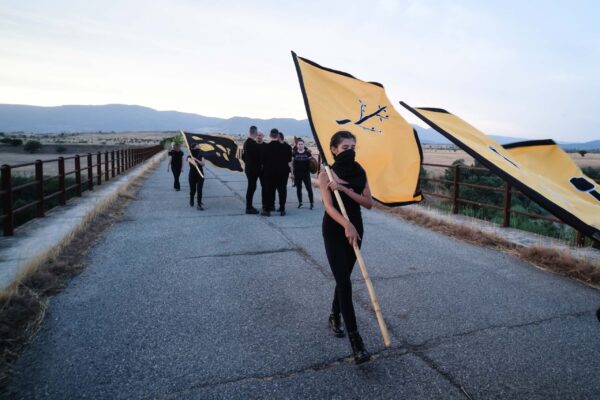
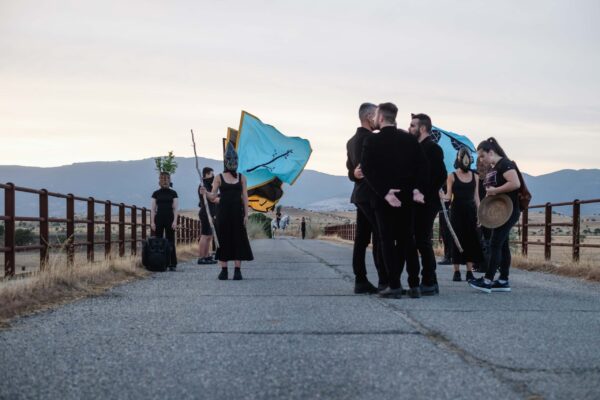
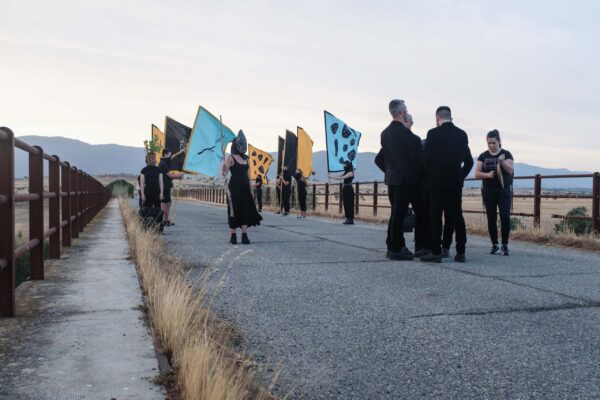
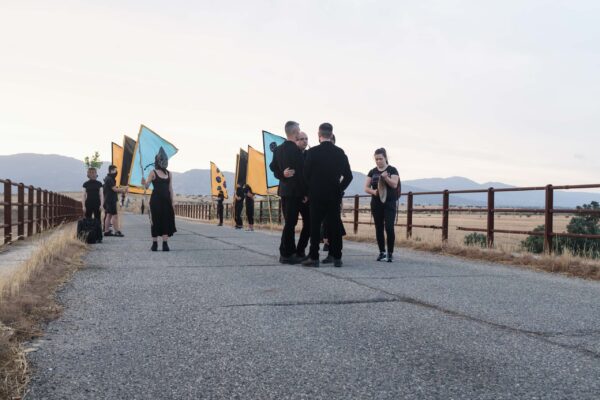
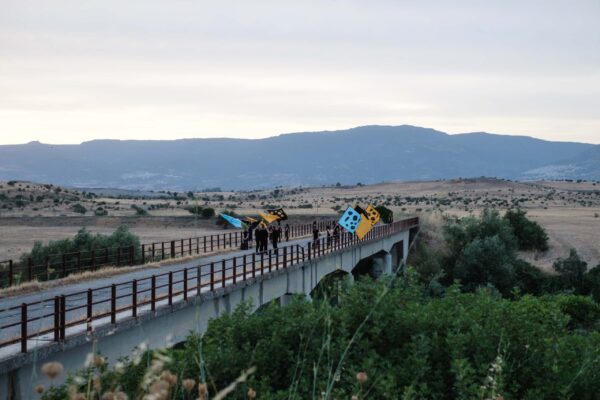
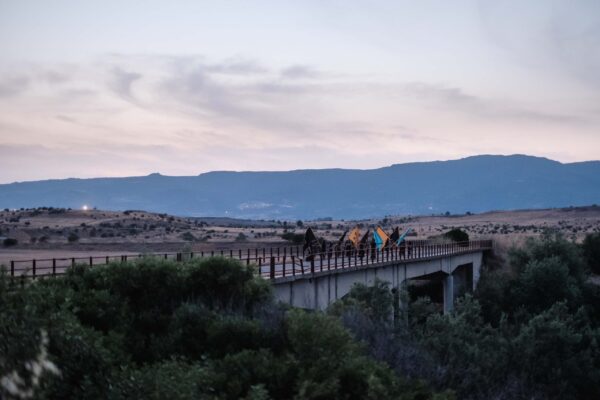
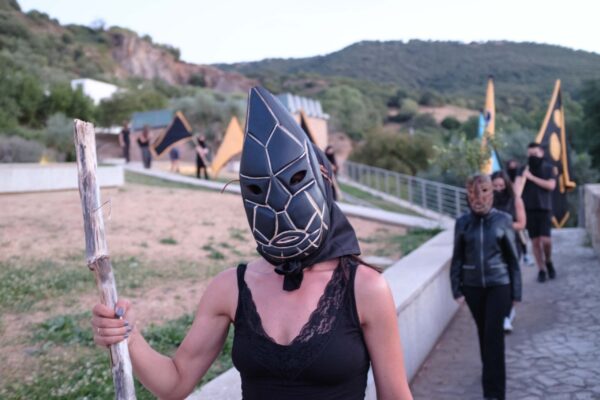
Bodies, masks, flags and sound temporarily reactivated the factory, transforming it from a site of abandonment into a space of collective processing. The performance did not erase industrial history but passed through it, bringing to the surface memories, conflicts and forms of belonging that remained inscribed in the architecture and in people’s bodies.
The canto a tenore accompanied the parade, narrating the determination to defend the territory against the different forms of domination, appropriation and exploitation that have marked the history of the island: from Sardinia’s role as an important territory for cereal production and supply during Roman rule to the privatisation of land encouraged in the nineteenth century by the so-called “Night of the Enclosures”; from the gradual weakening of communal land-use practices to contemporary real-estate and tourist pressures on the coast, military occupation and the construction of large luxury resorts.
The reference to Roman Sardinia concerns the island’s role within the systems that produced and supplied grain to Rome and other urban centres of the Empire, without reducing the complexity of ancient Sardinia to the sole function of a “granary” (Rowland 1994).
The 1820 Edict of the Enclosures contributed to the consolidation of individual property and the progressive restriction of collective forms of land use. The process had a profound impact on the island’s economic and social organisation and on the relationship between communities, private property and the shared management of territorial resources.
Contemporary tensions affecting the coast can also be interpreted through the concept of blue gentrification: processes through which high-end tourism and real-estate investment contribute to rising housing costs, the privatisation of space and the progressive exclusion of local communities from access to coastal resources (Di Matteo and Guadagno 2025).
This genealogy does not seek to equate different historical periods and phenomena. Rather, it constructs a counter-narrative capable of recognising the continuity of certain extractive logics: models in which the territory is regarded as a resource to be occupied, exploited and turned into profit, rather than as a living system of relationships to be inhabited, shared and cared for.
In this sense, extractive and necropolitical logics converge in the production of differentiated territories: places that are central to economic accumulation yet peripheral in the distribution of rights, health protection and environmental safeguards. These are territories from which resources, energy and labour are extracted and in which the costs of production, contamination and abandonment are subsequently deposited.
Art can make visible the relationships between ecological crisis, social inequality, coloniality and extractive economies. It can also contribute to the construction of imaginaries founded on environmental justice, memory and ecological democracy, without replacing the necessary political, scientific, medical and judicial actions (Demos 2016; Demos 2017).
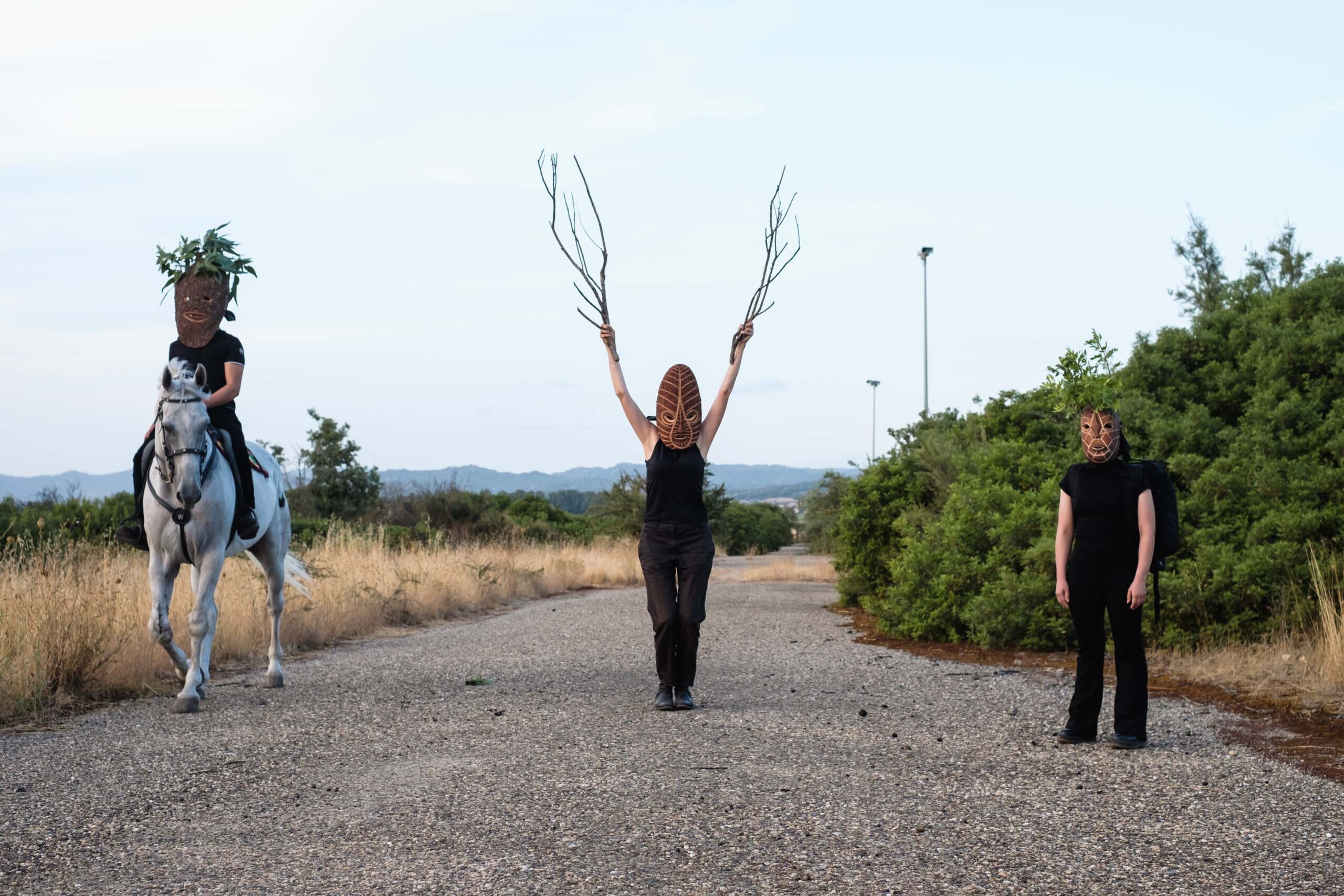
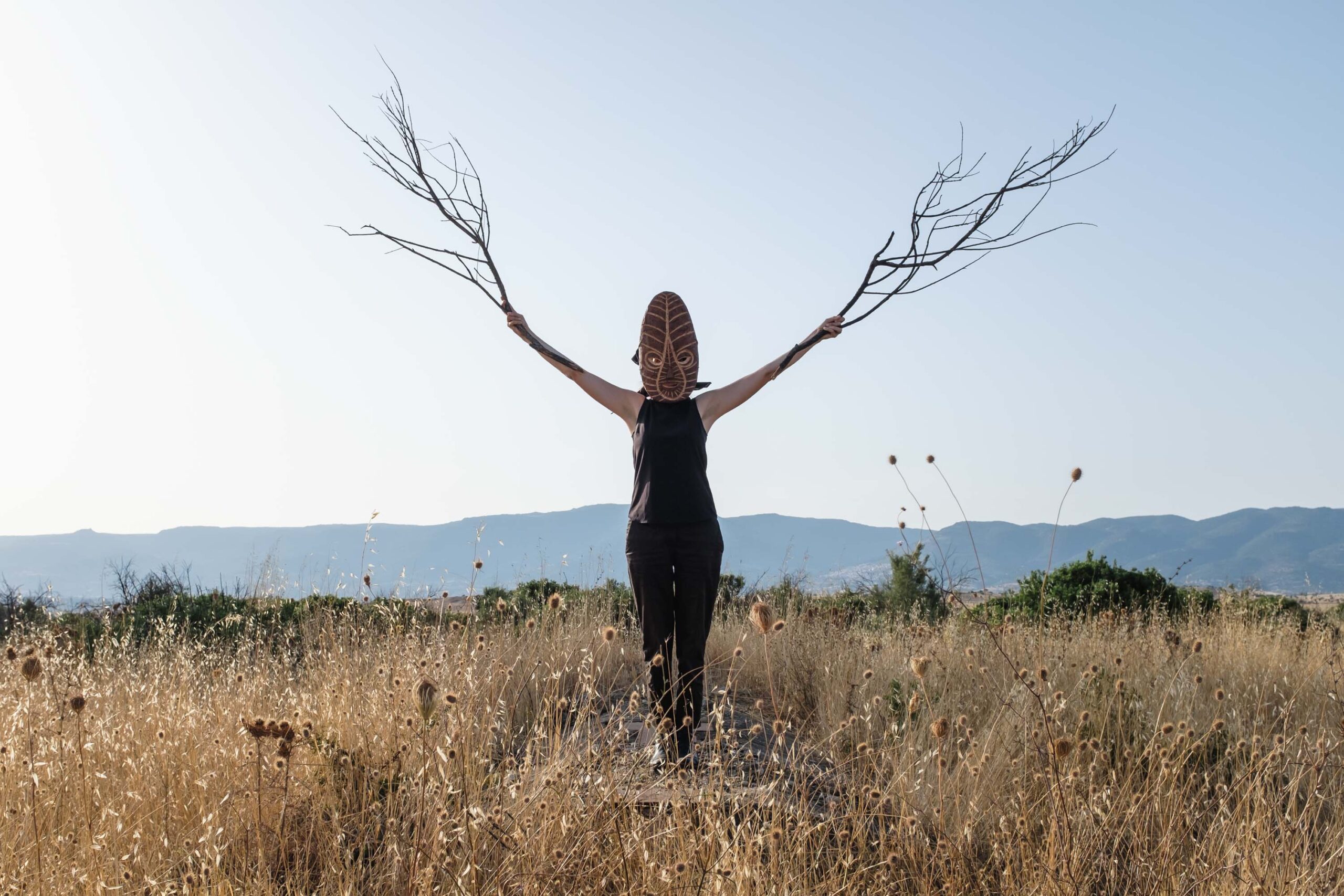
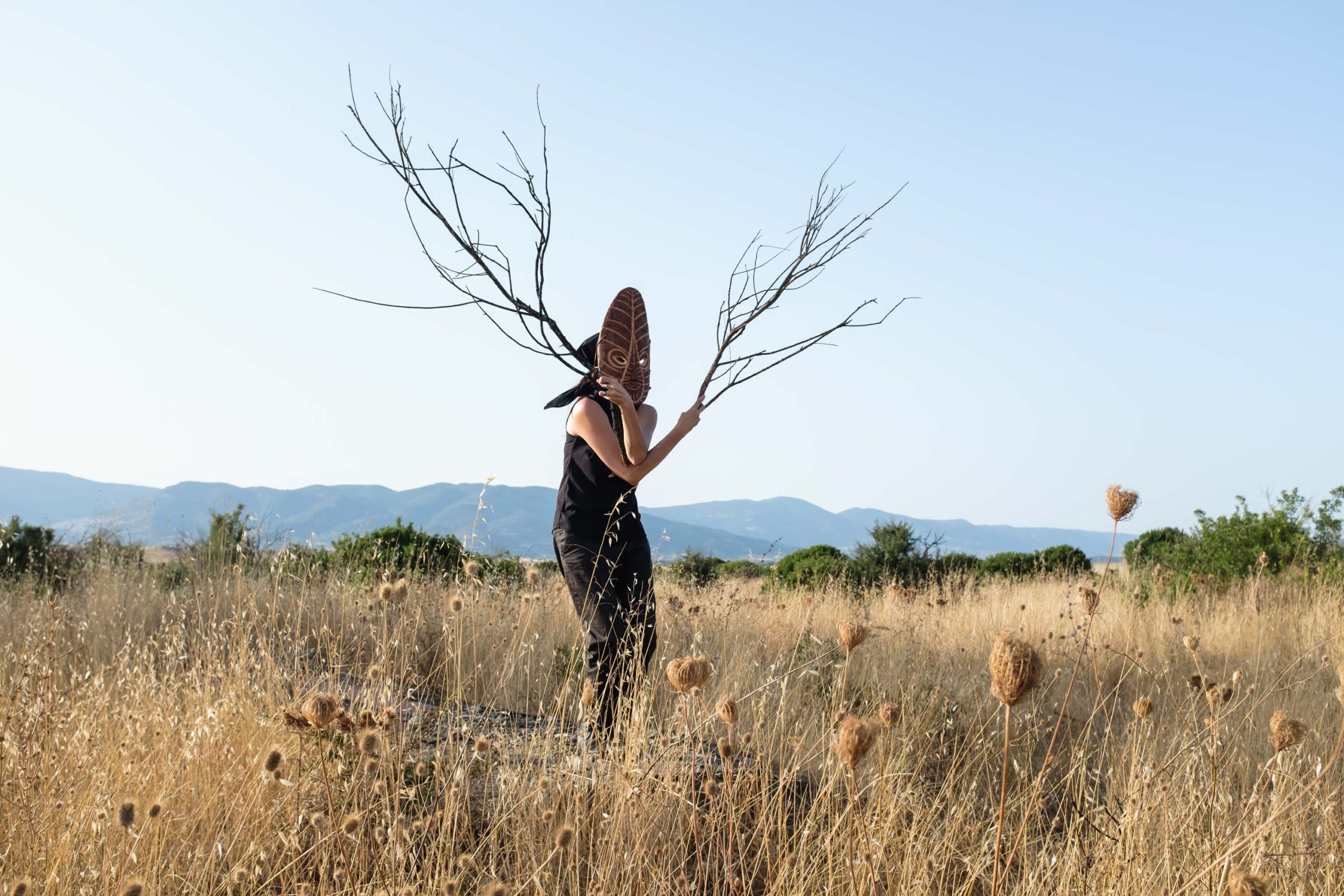
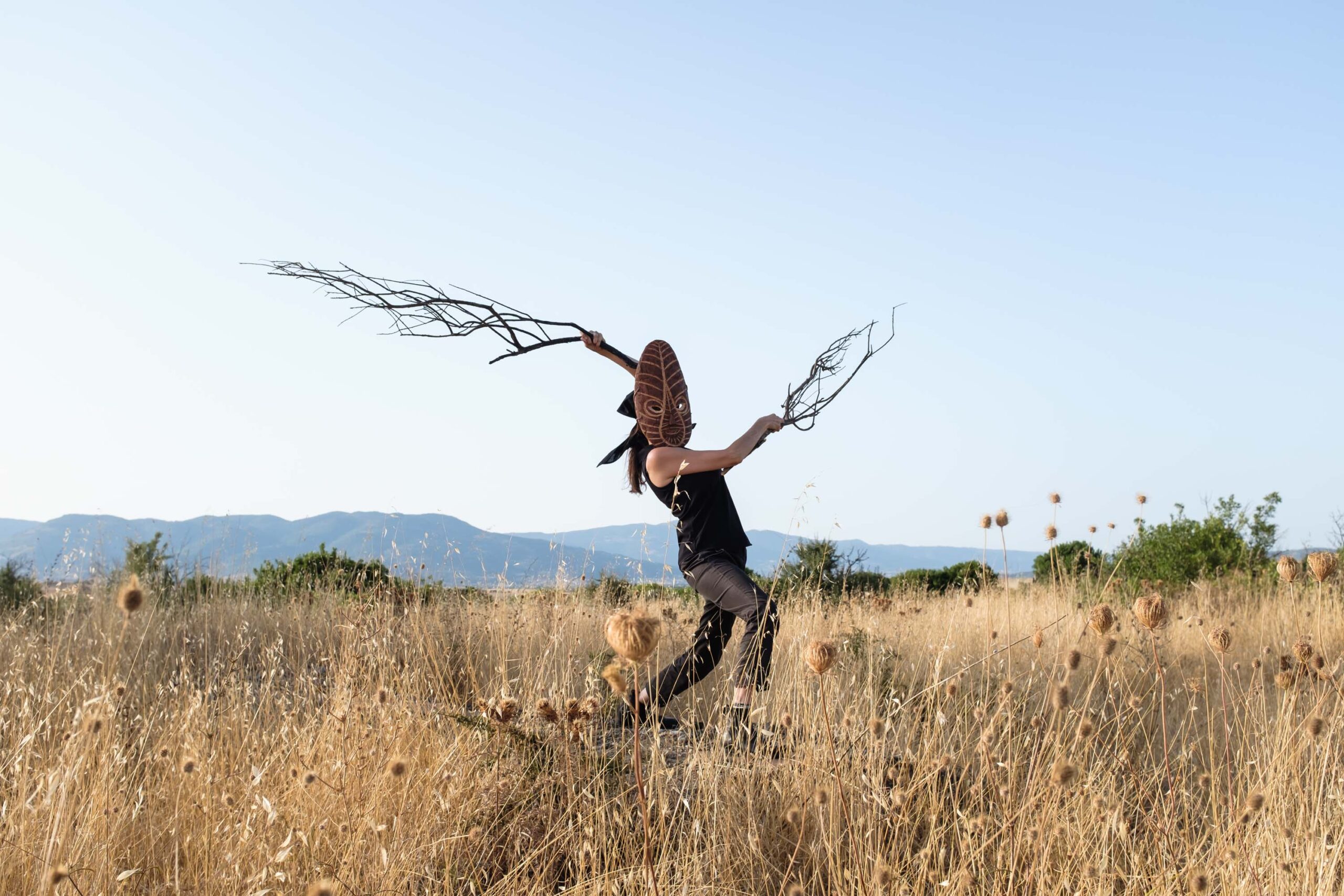
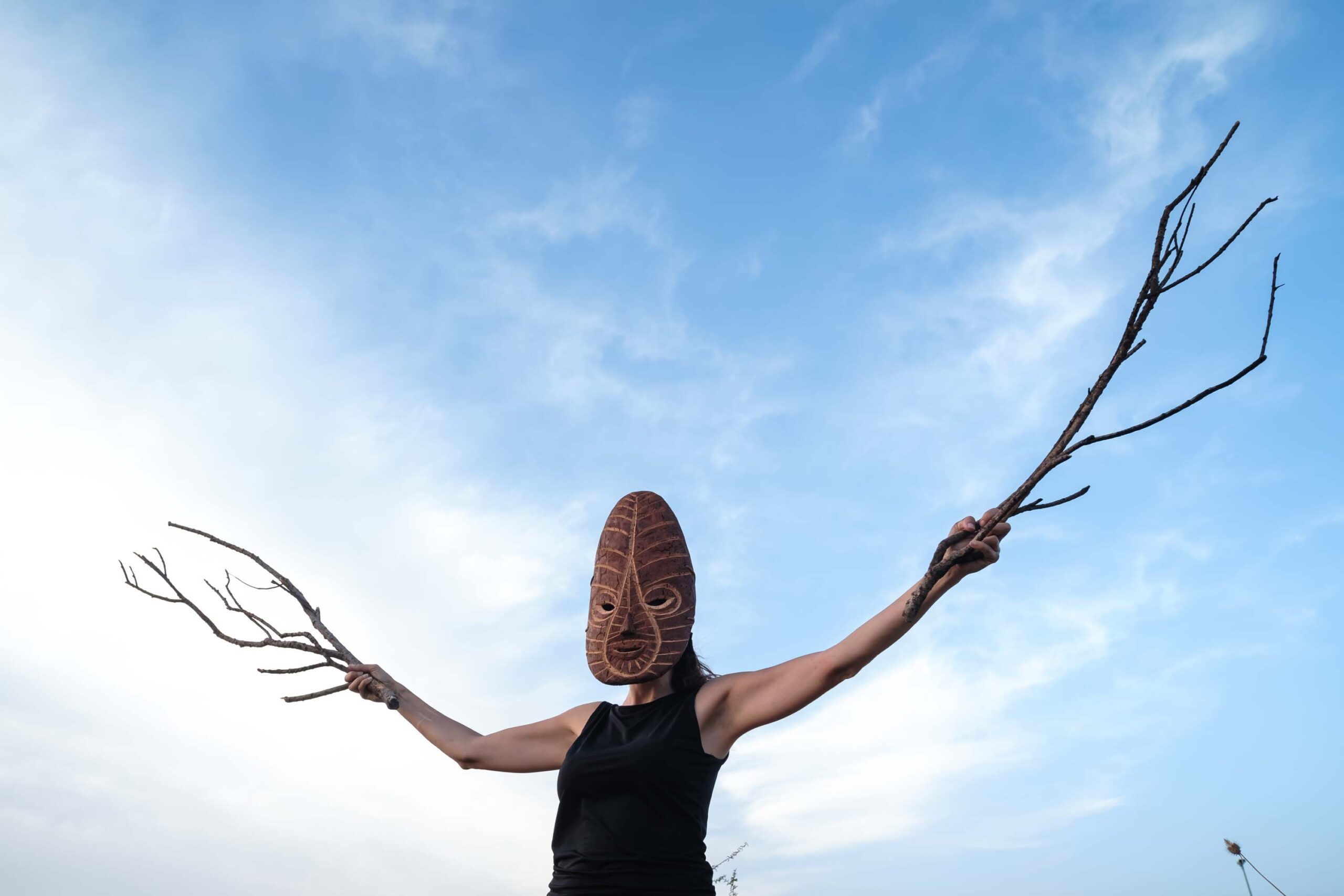
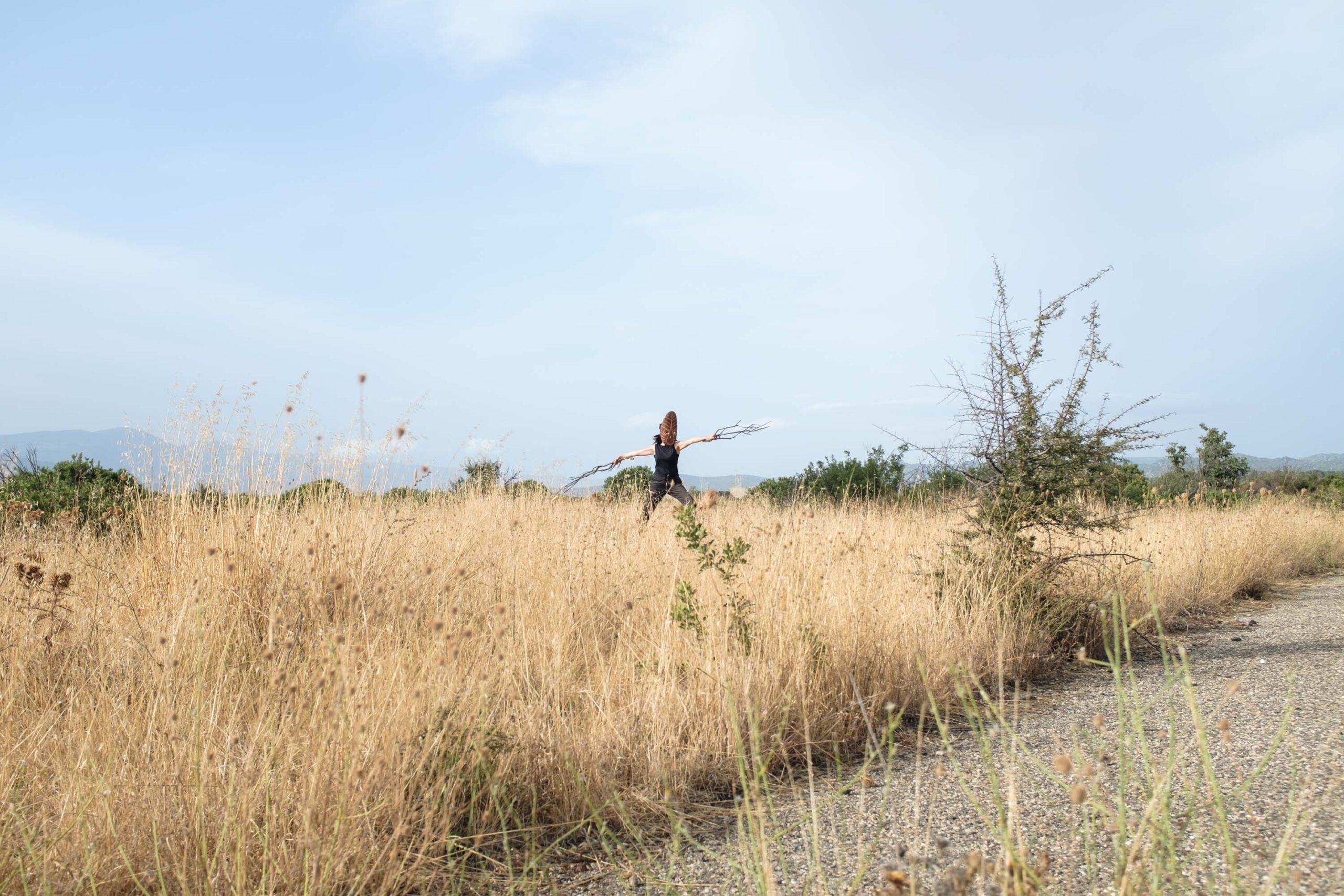
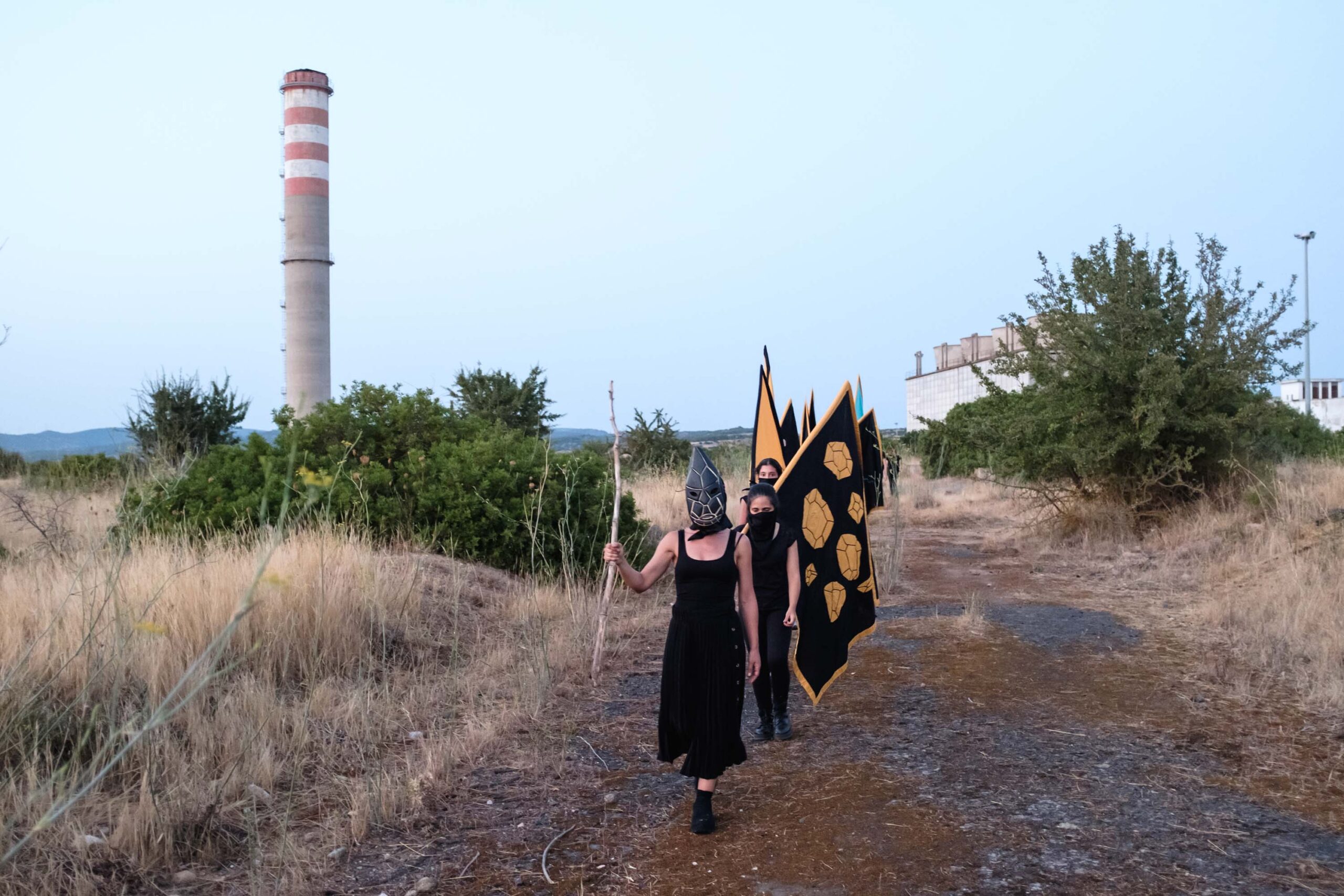
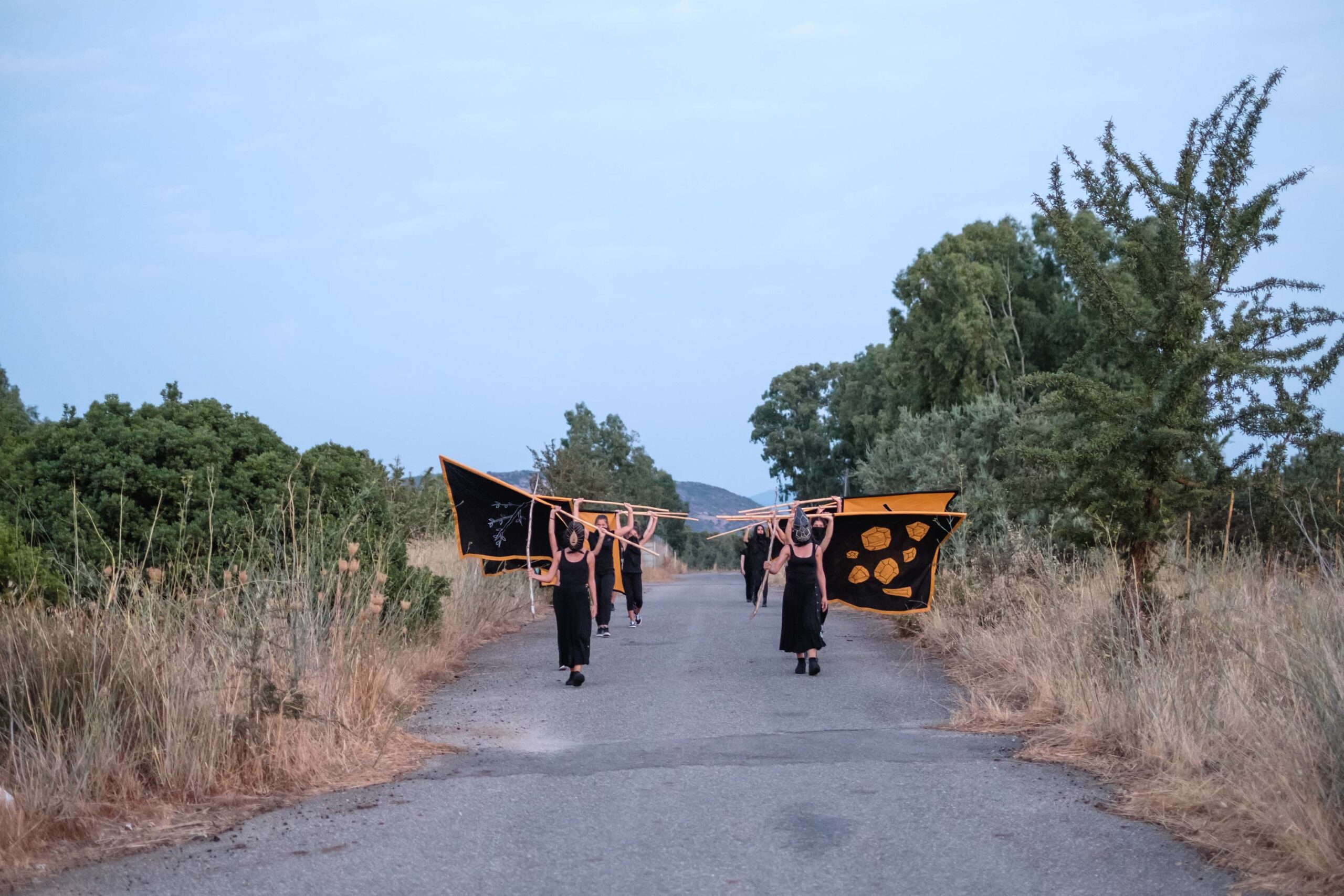
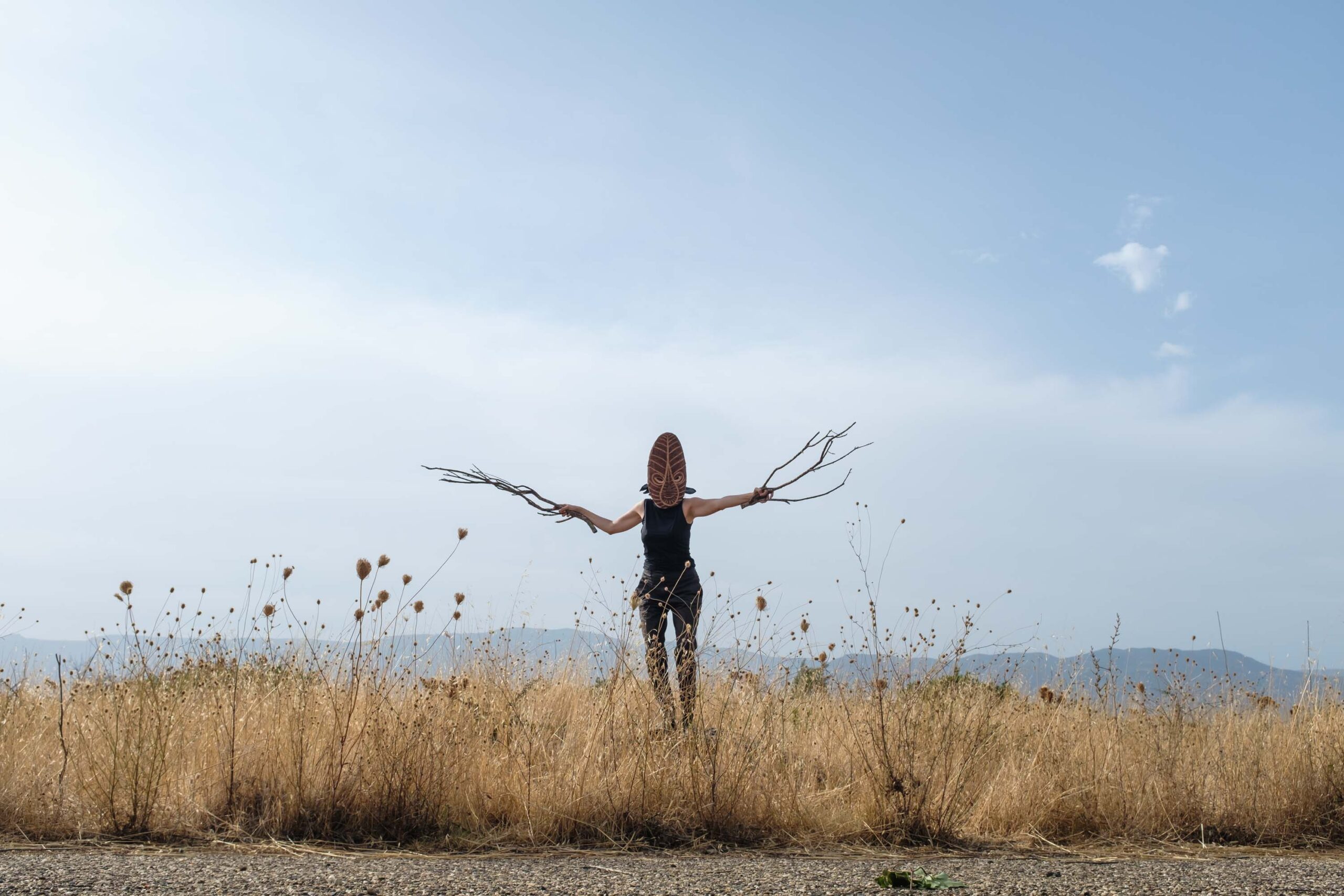
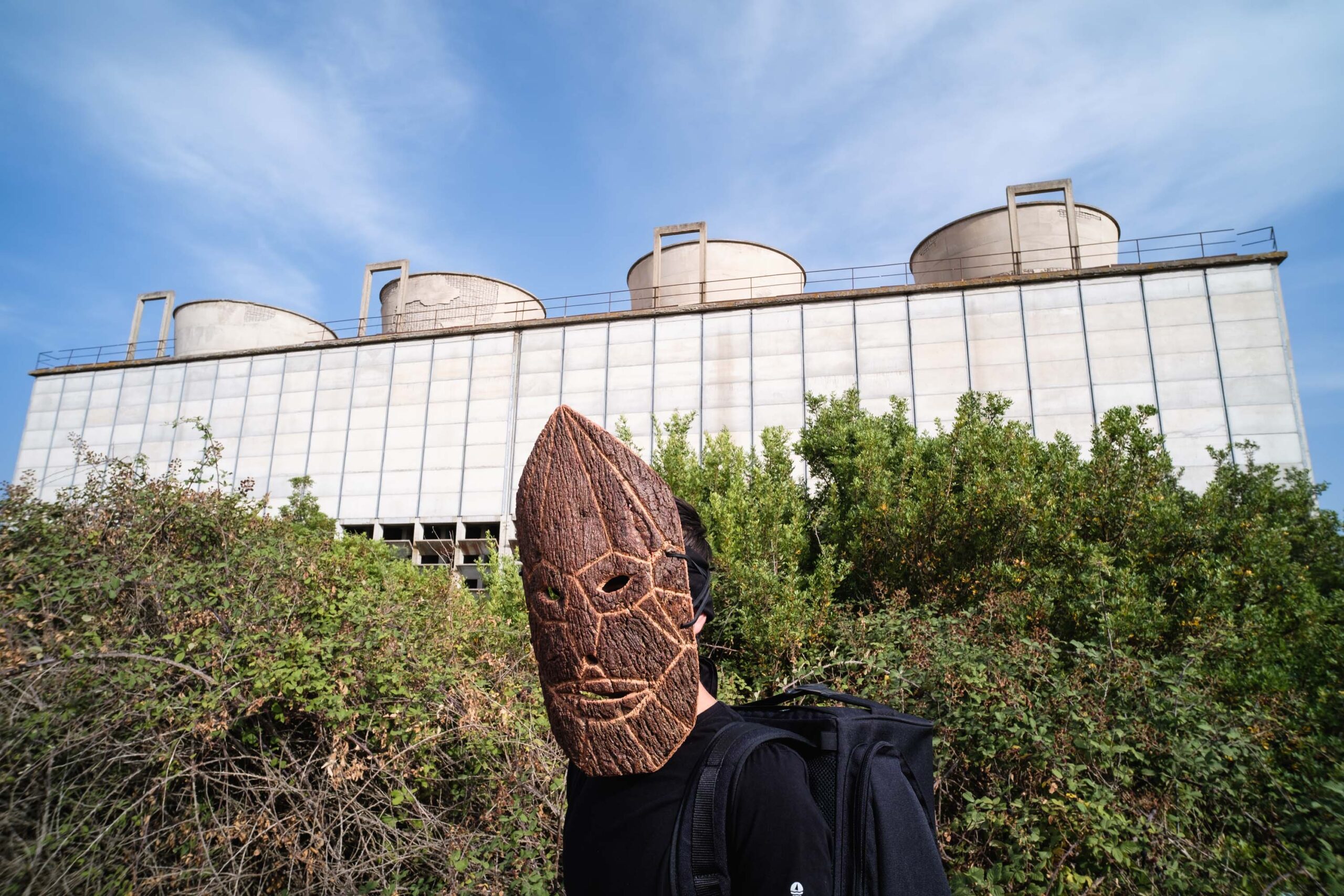
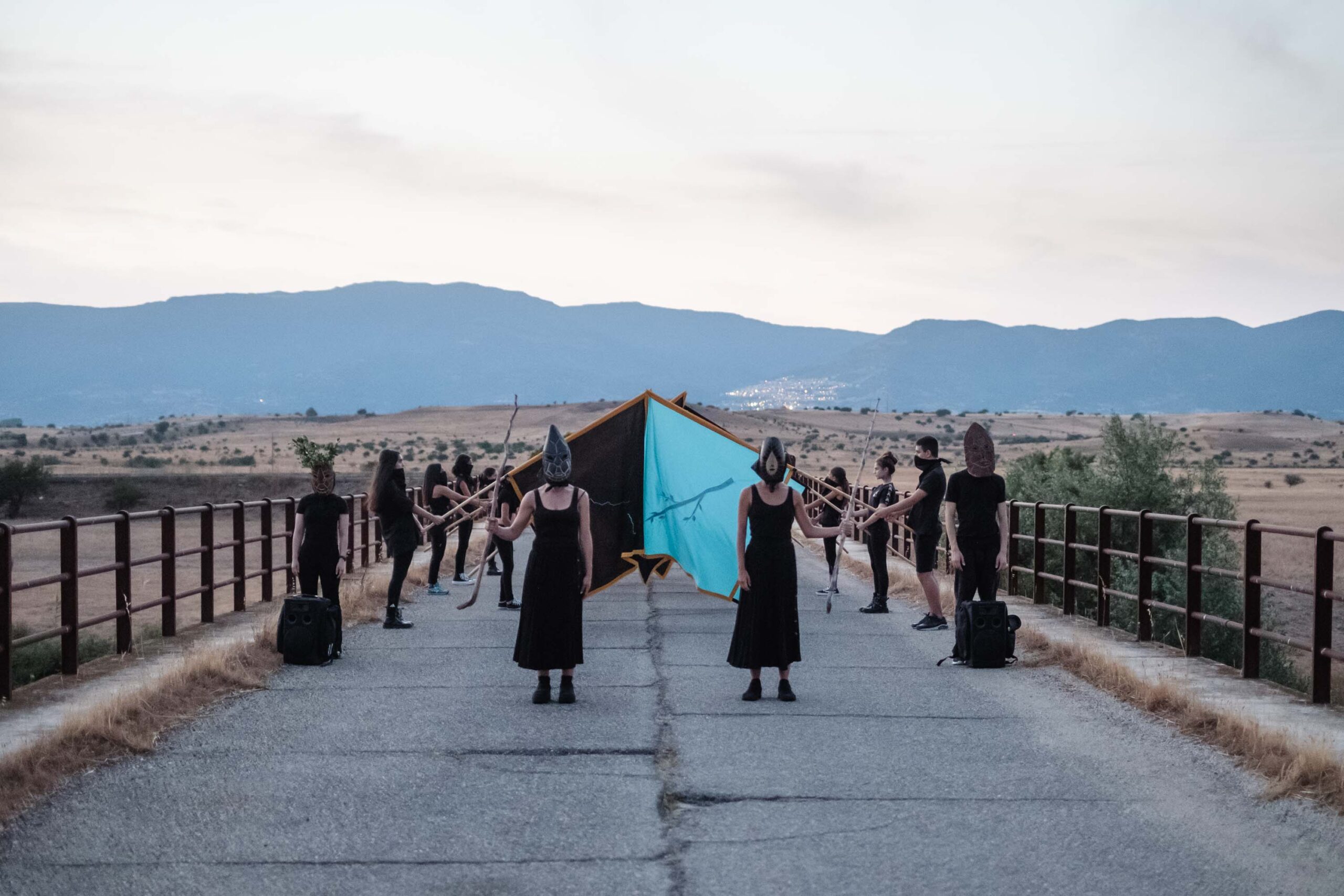
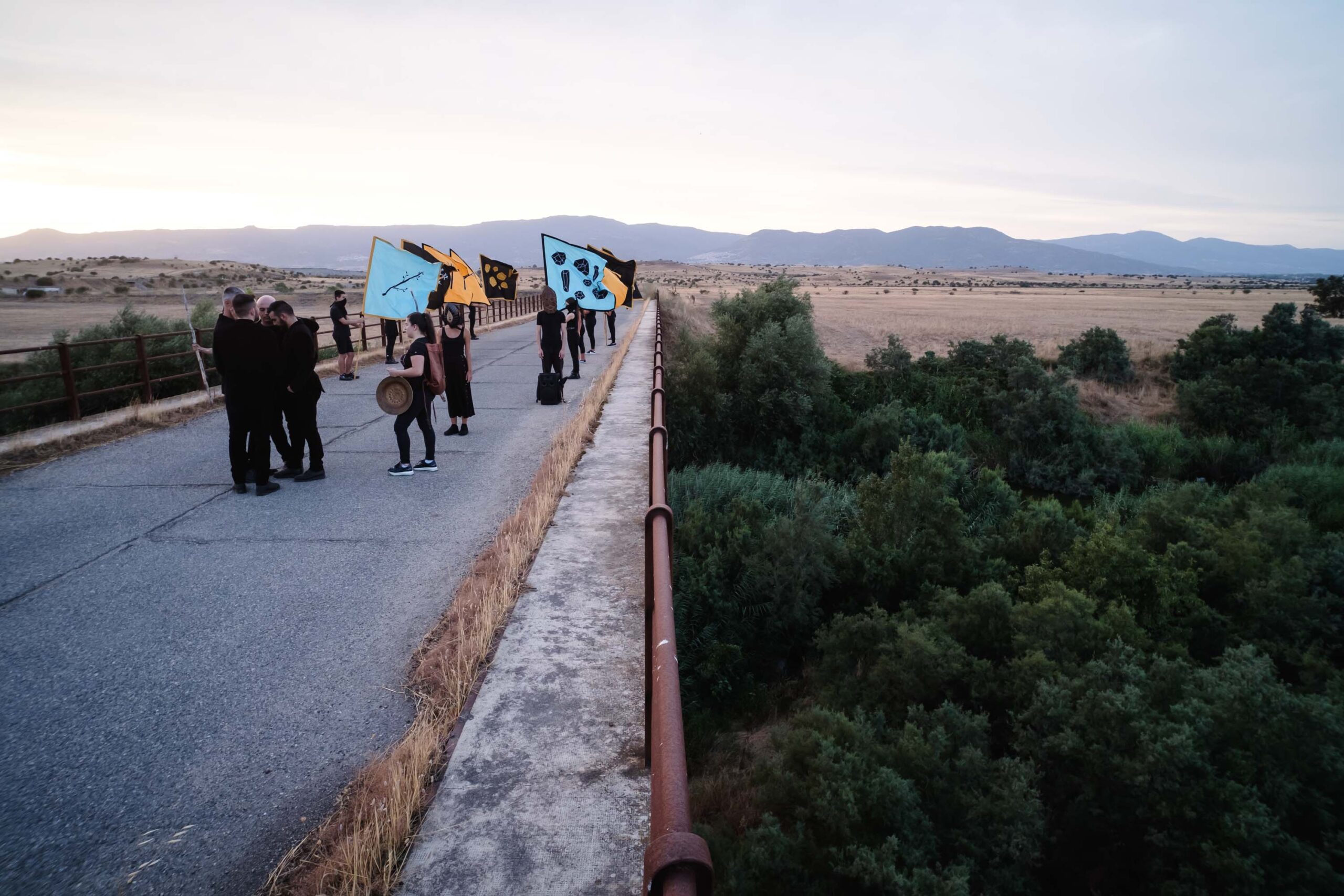
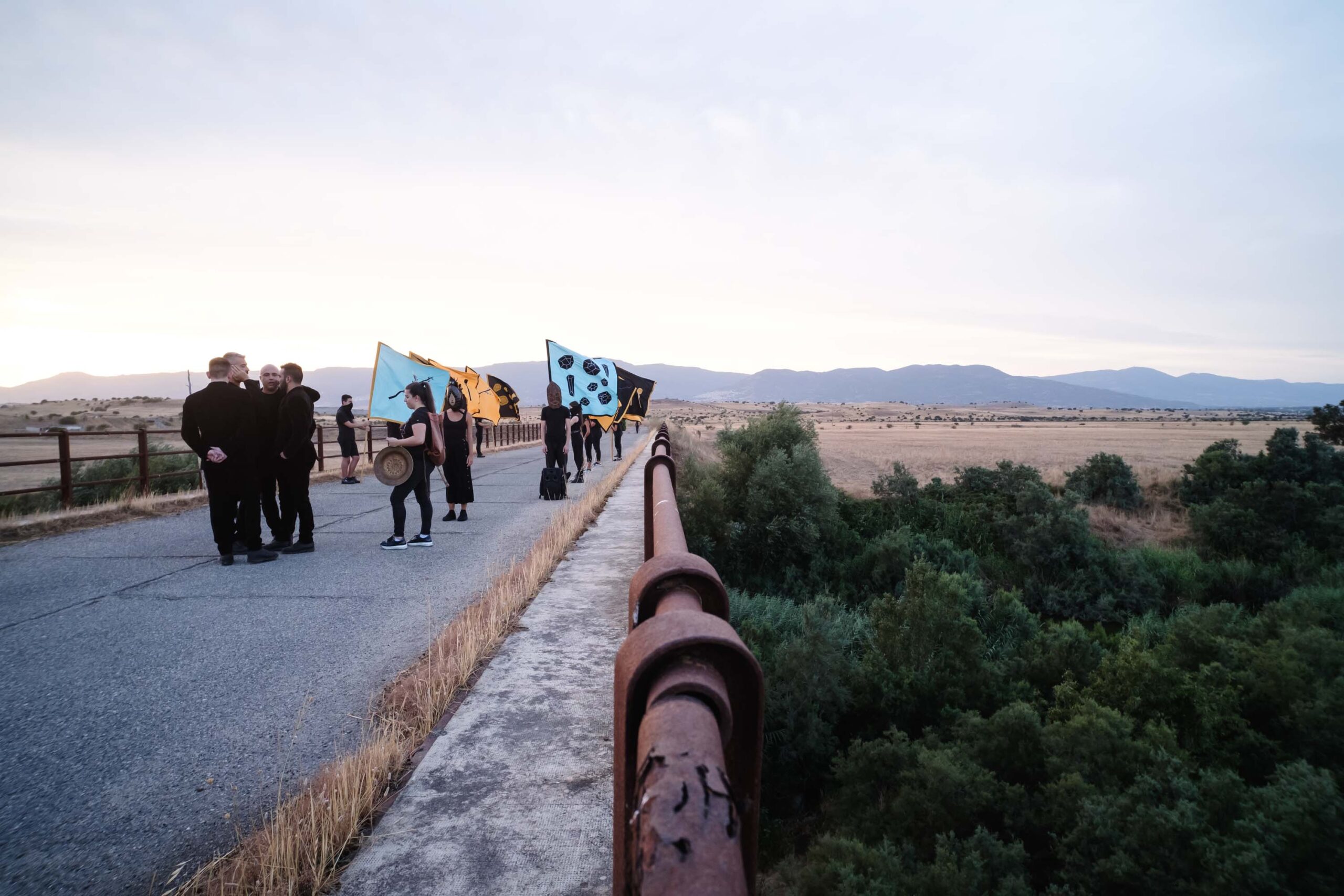
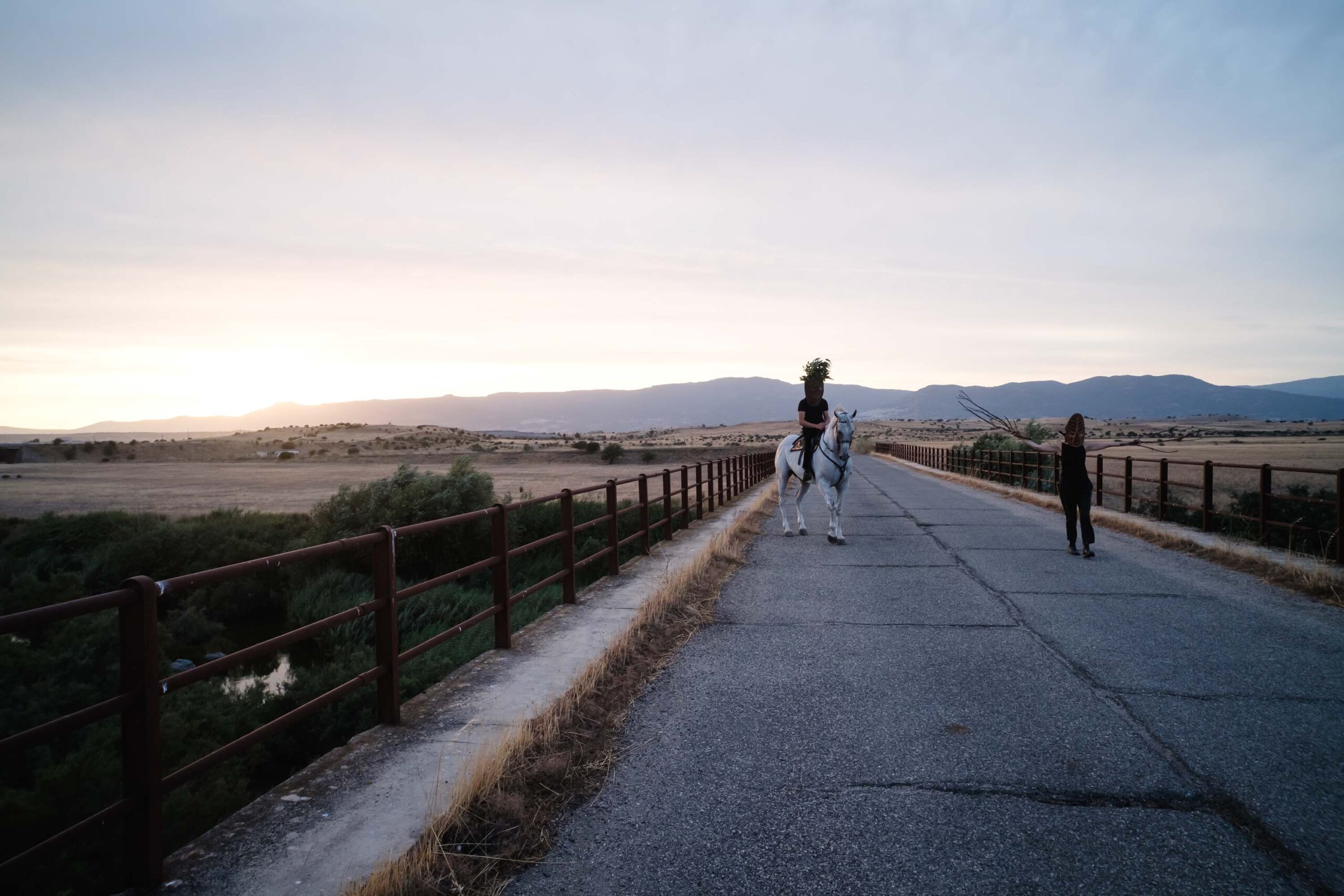
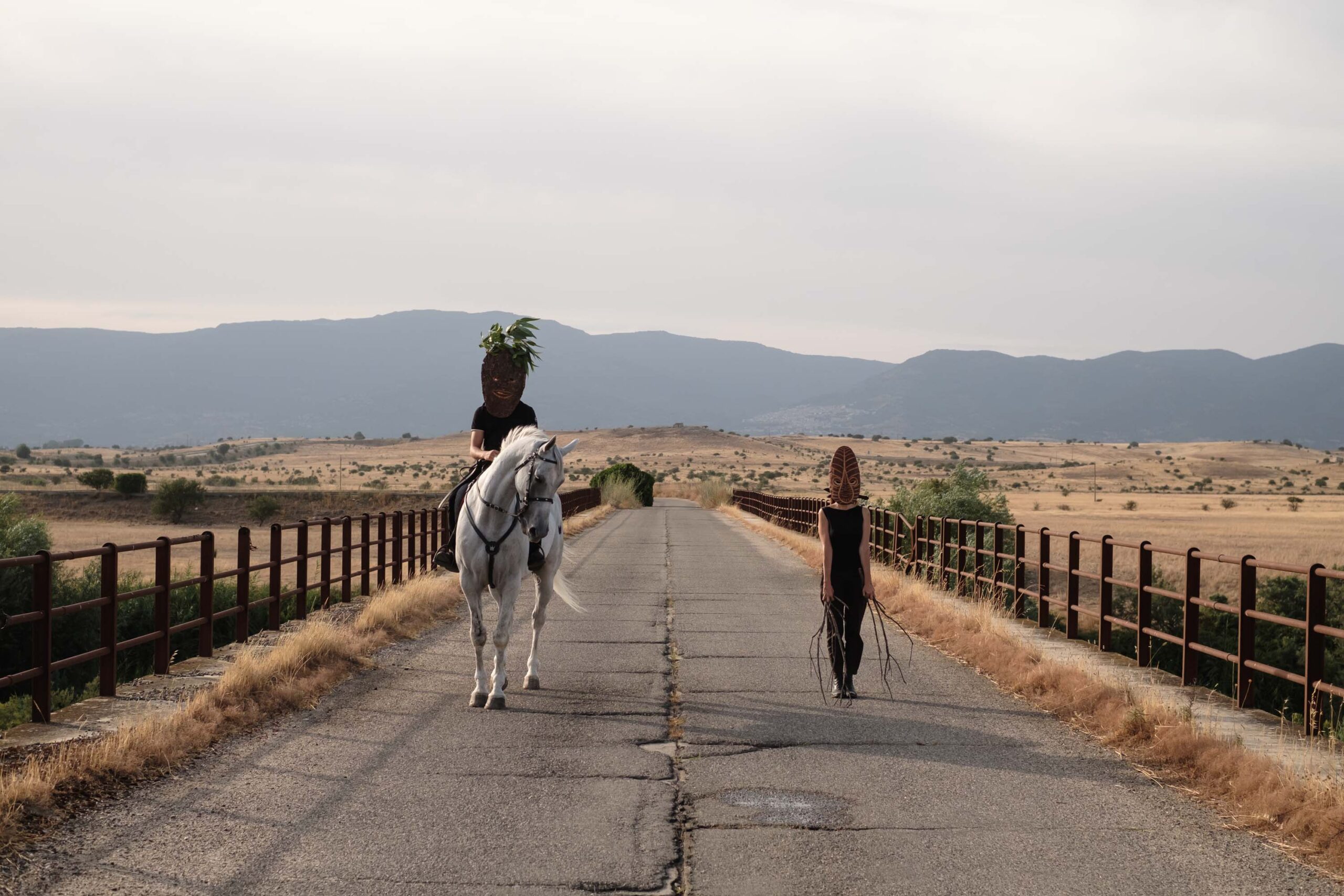
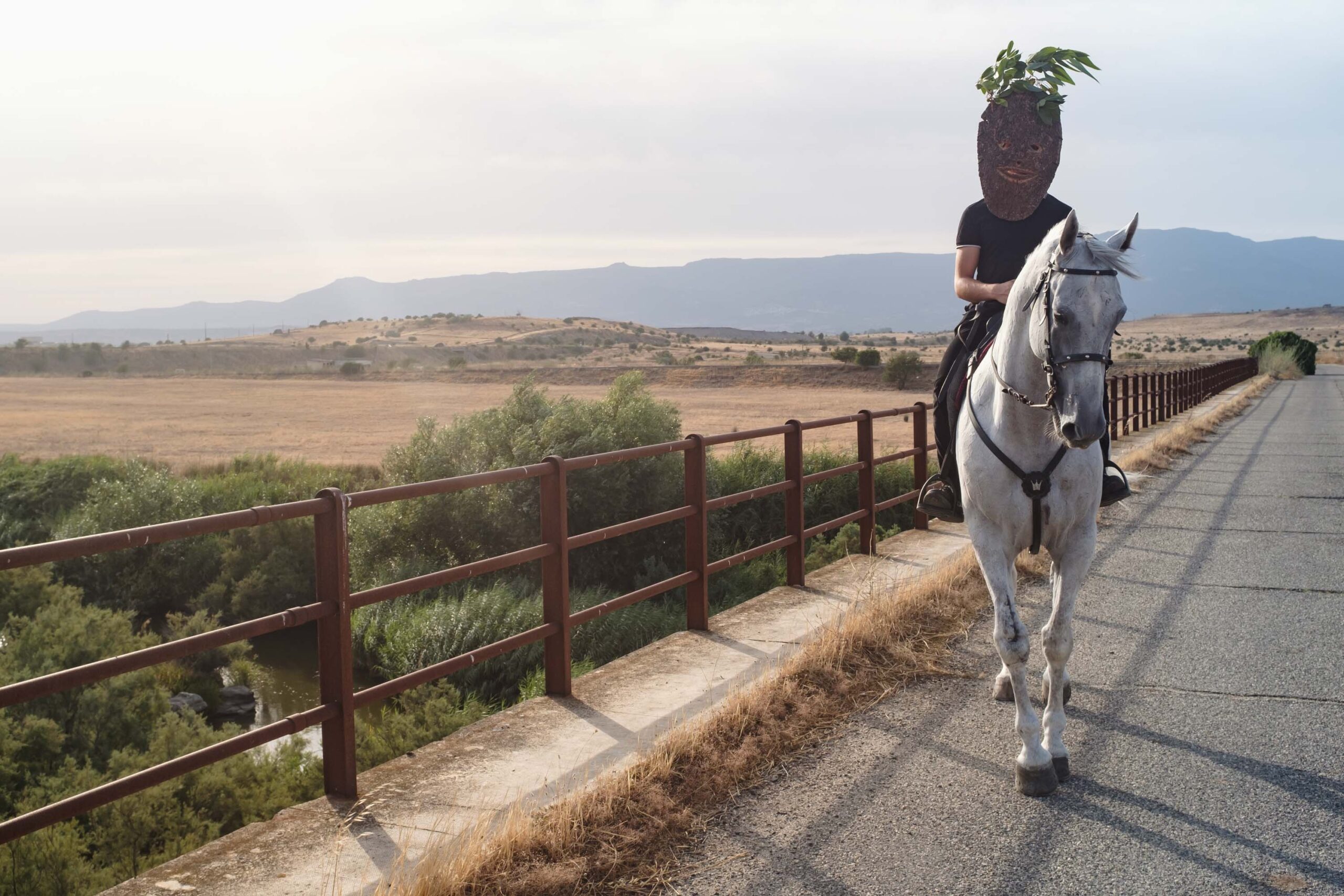
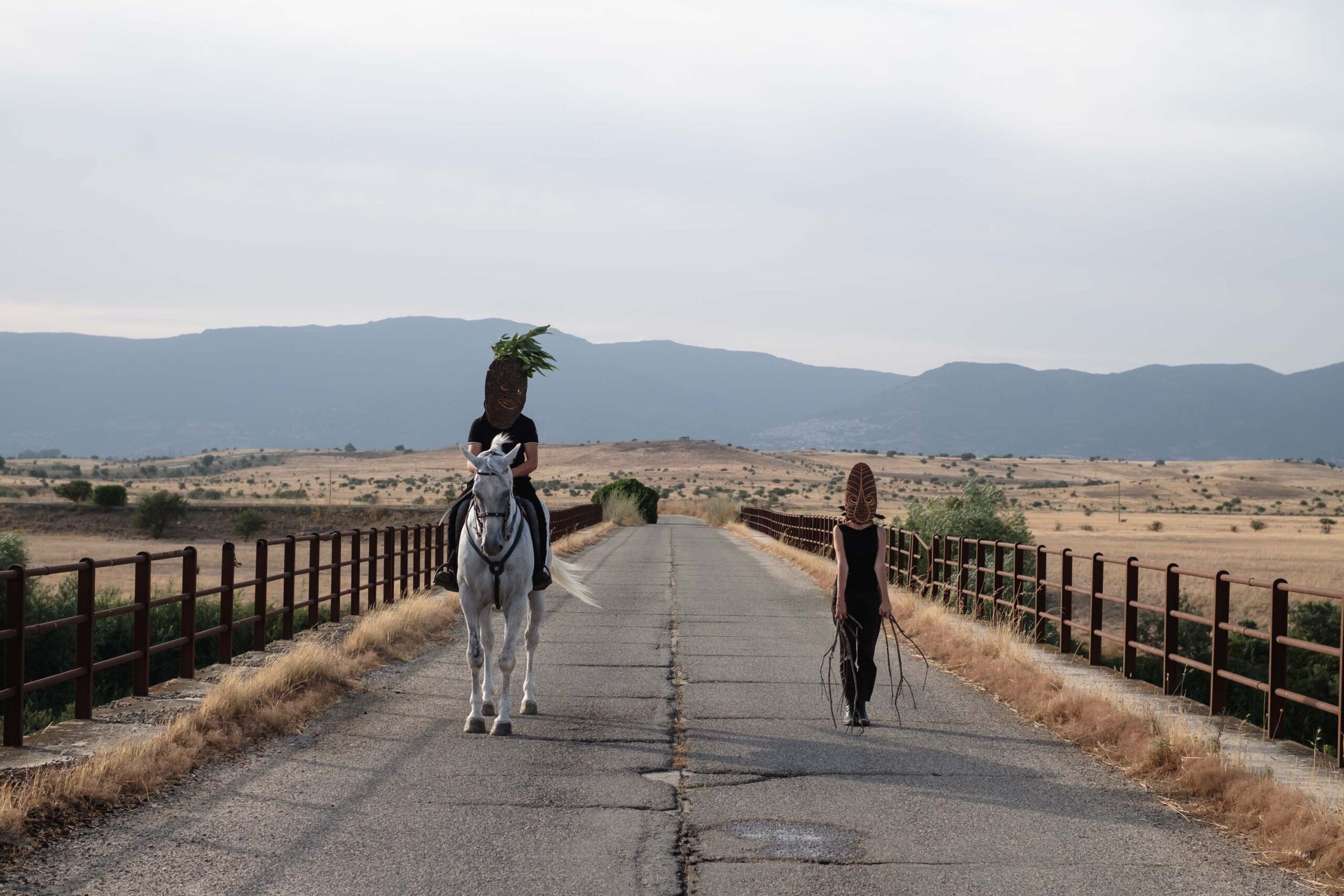
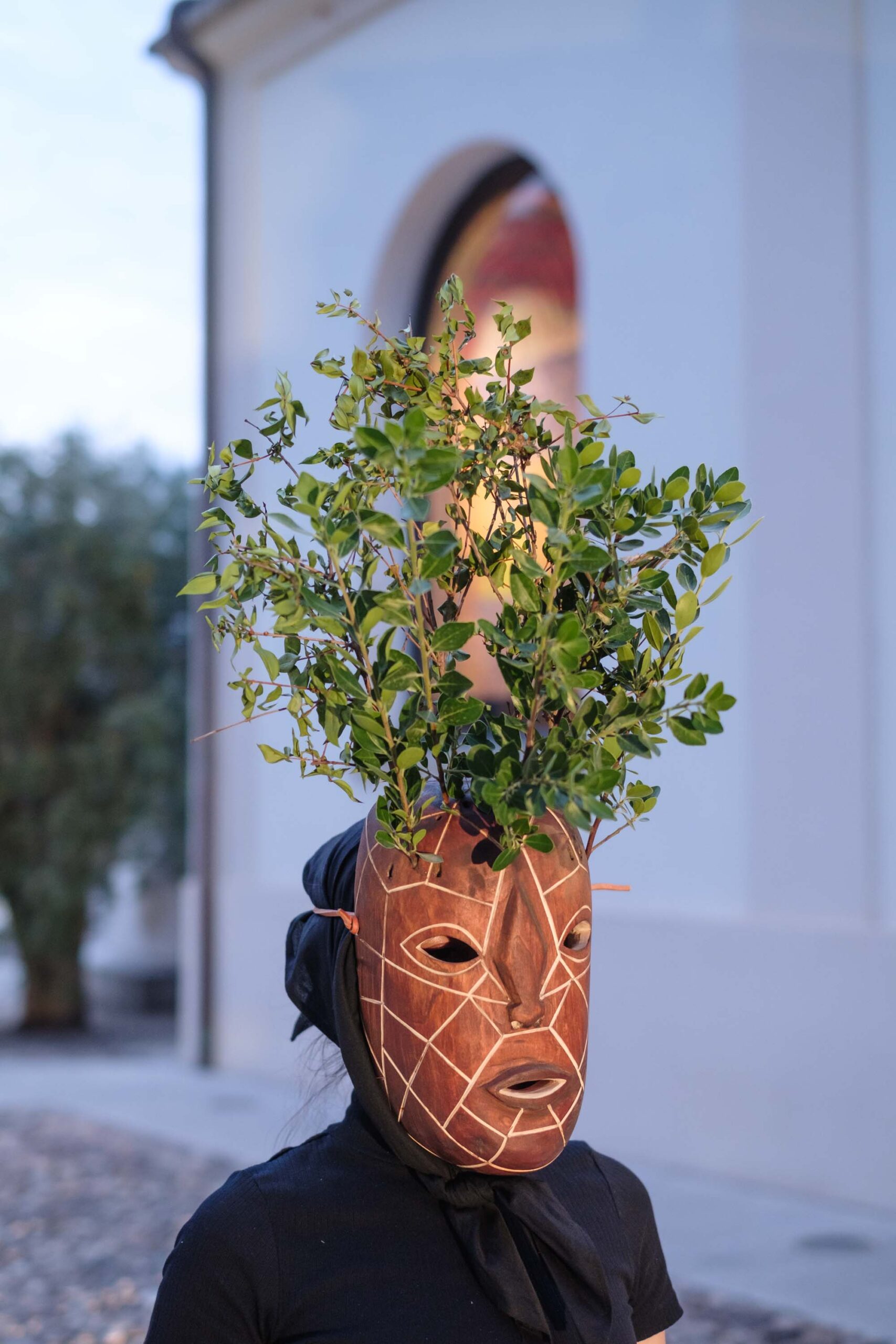
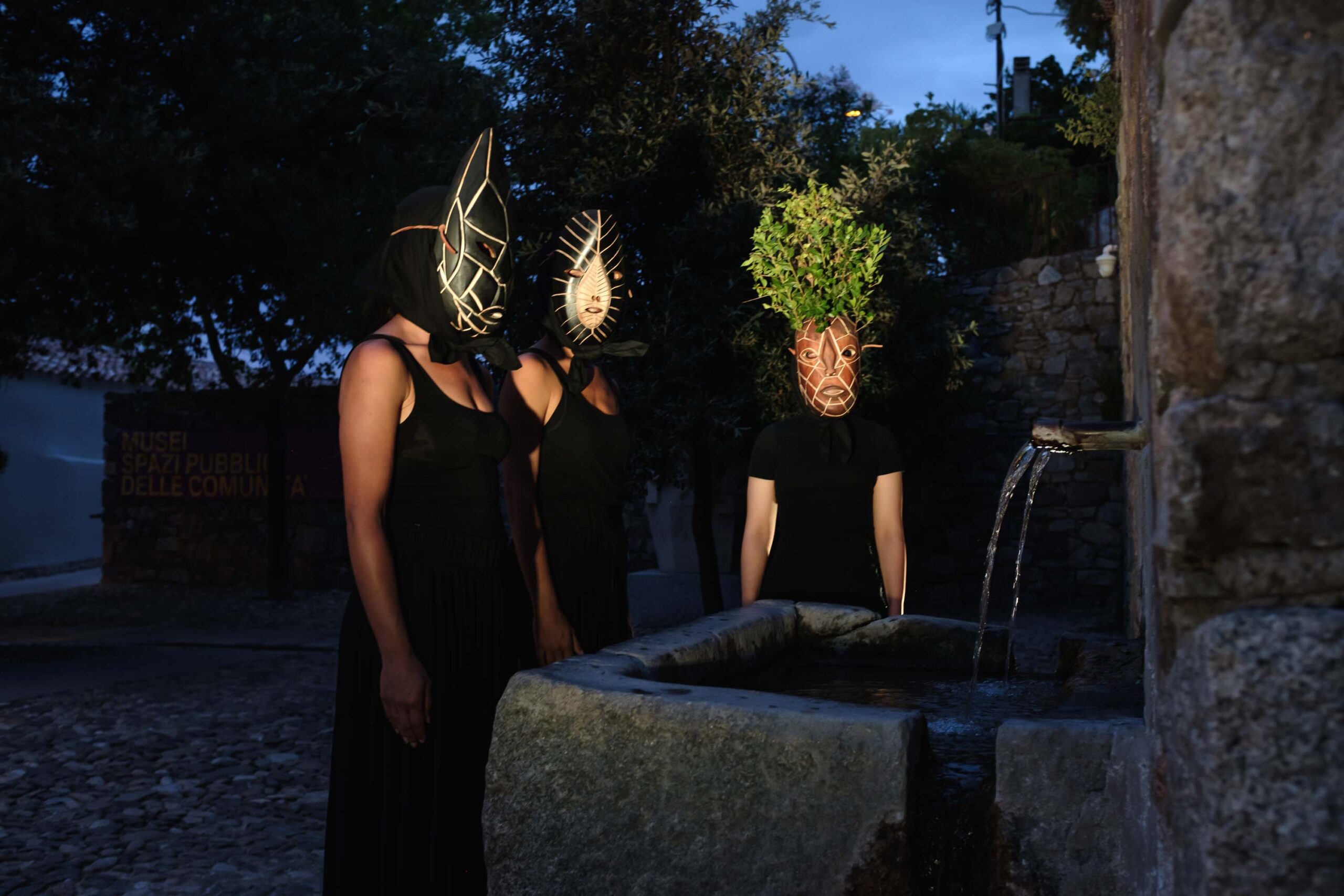
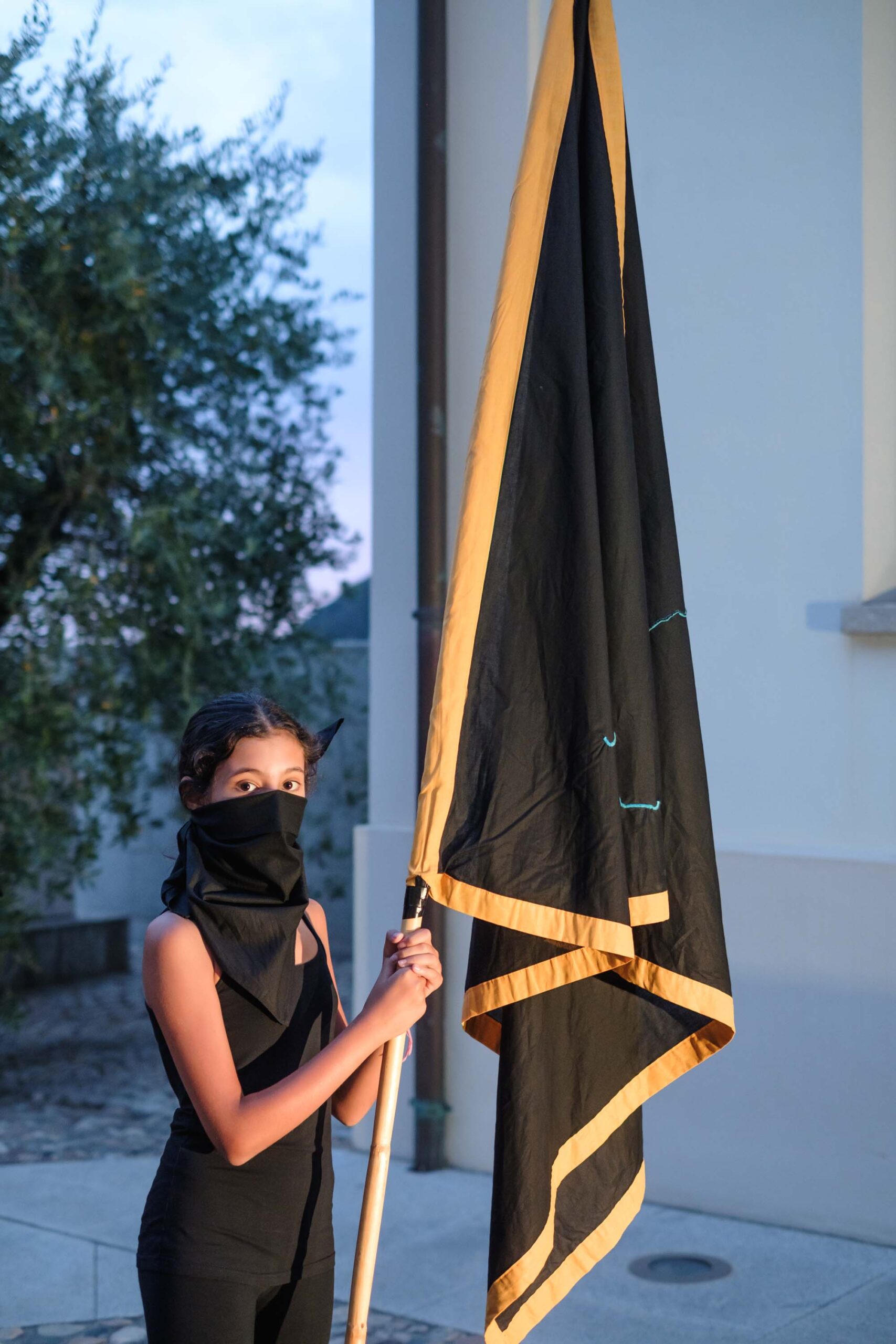
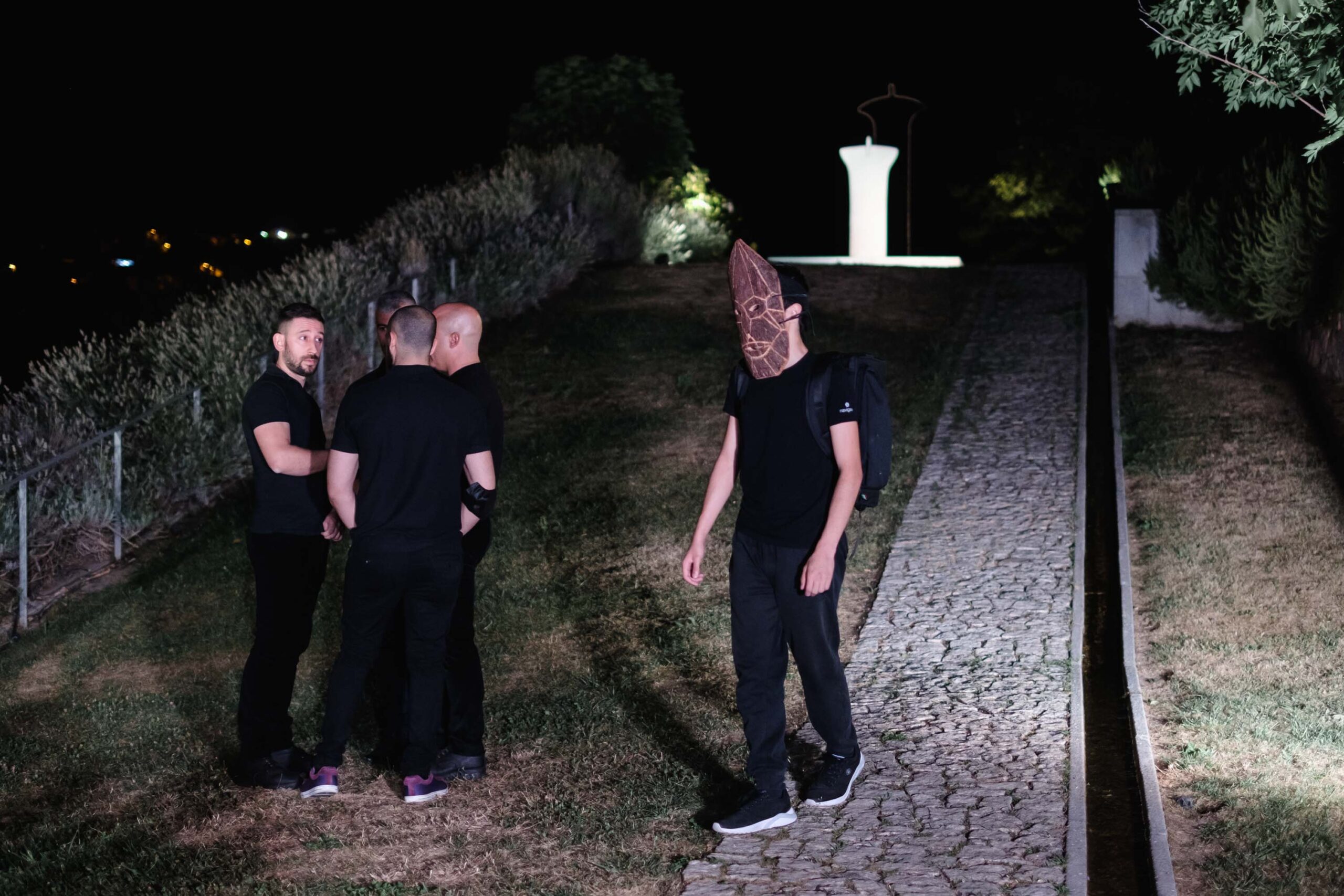
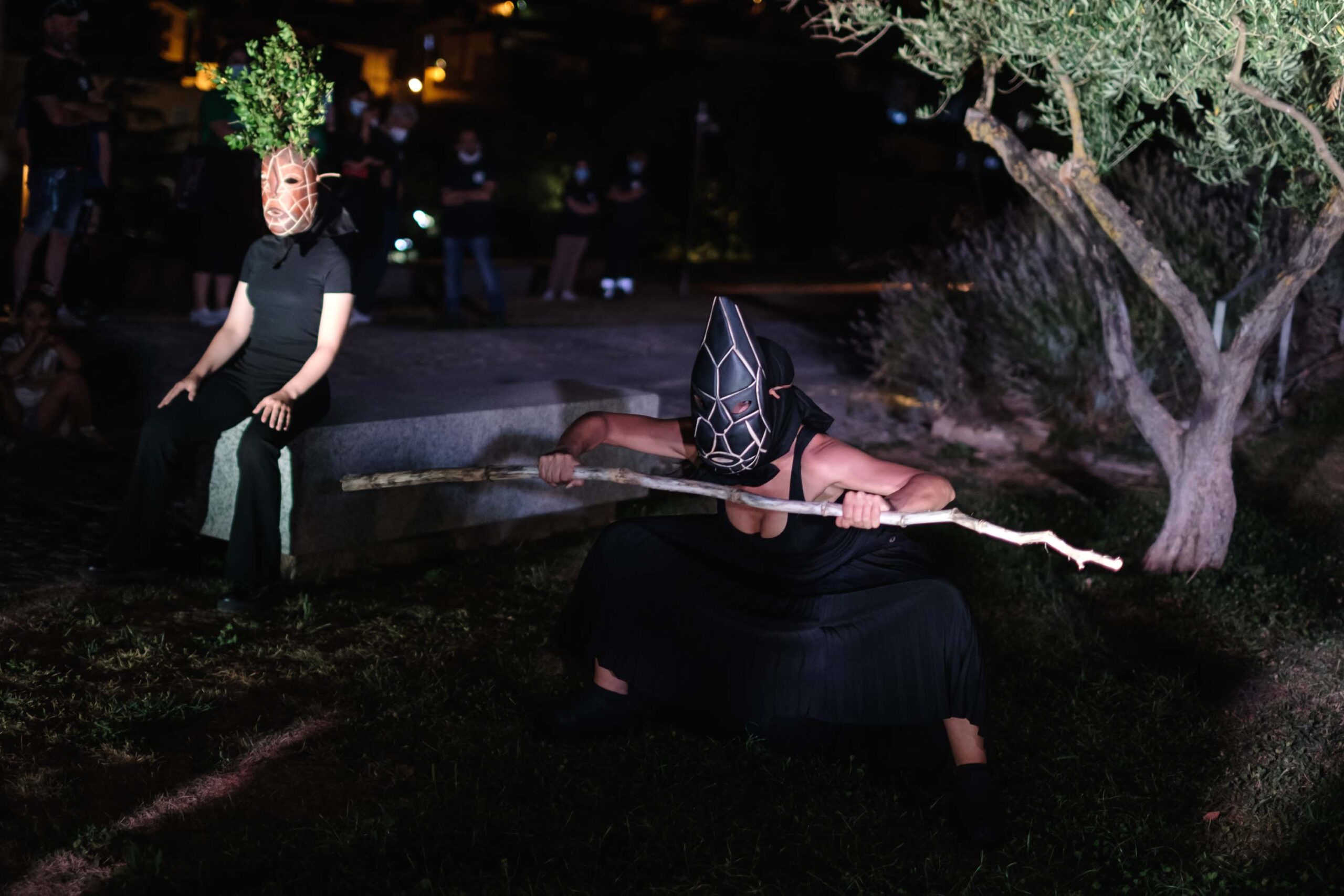
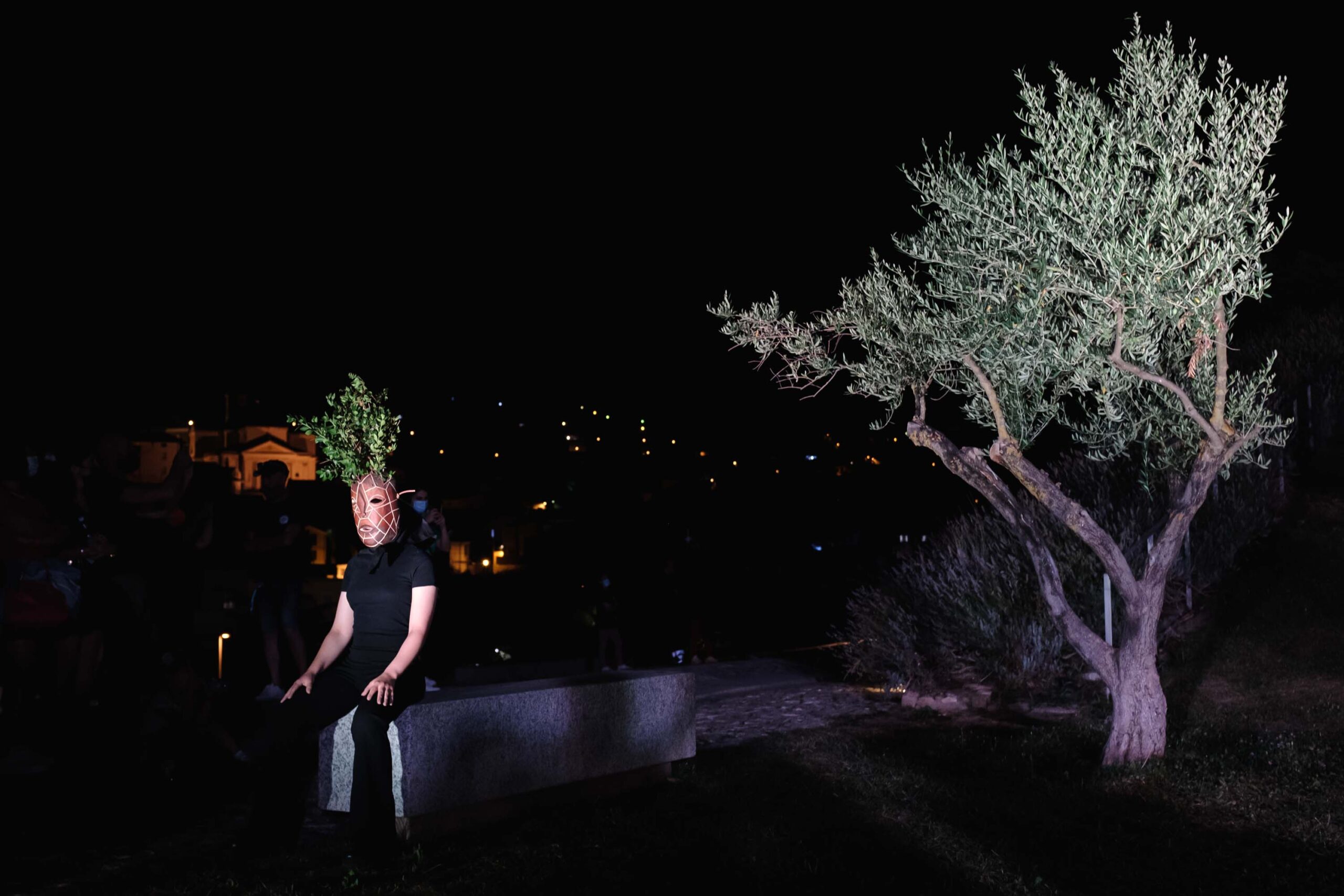
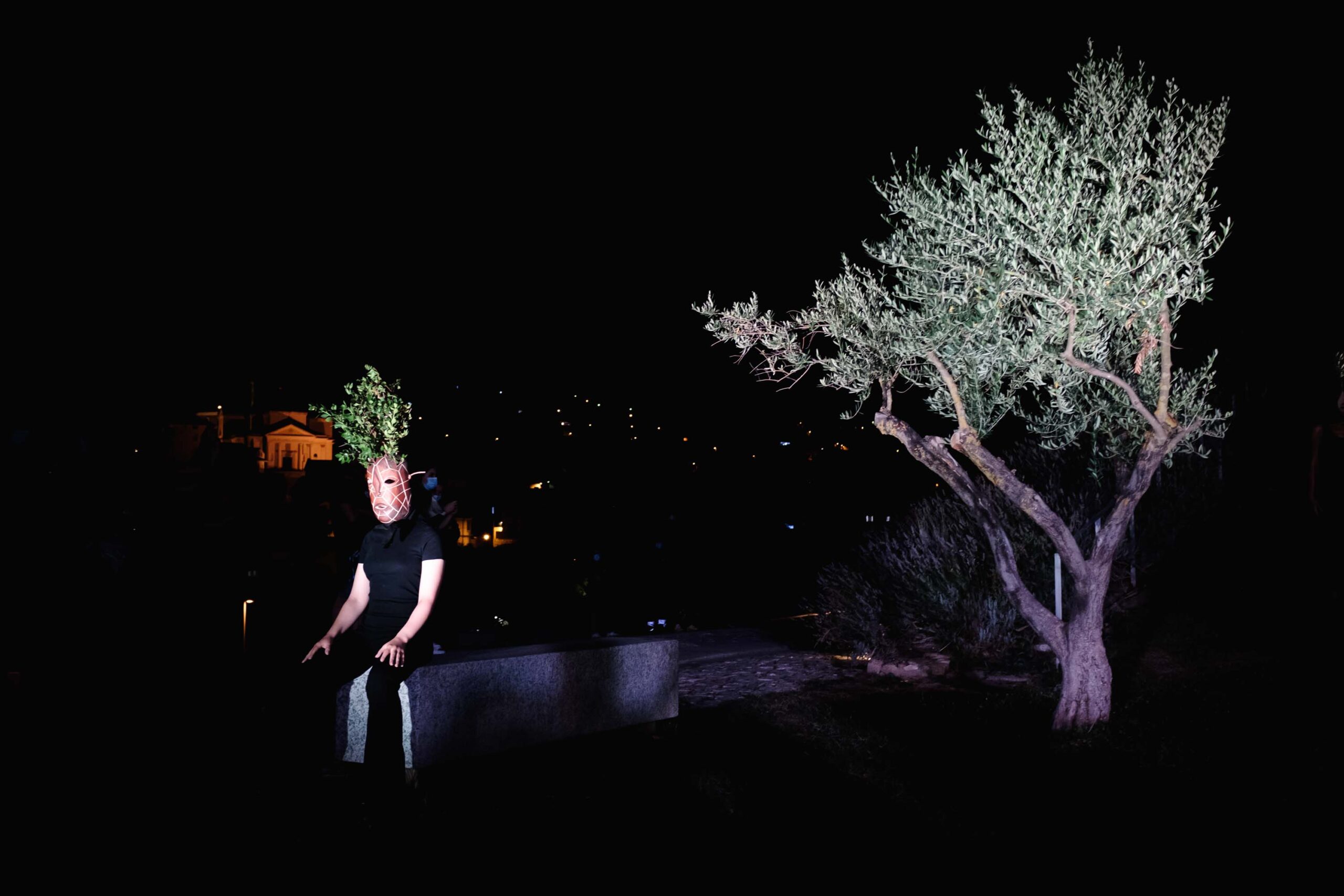
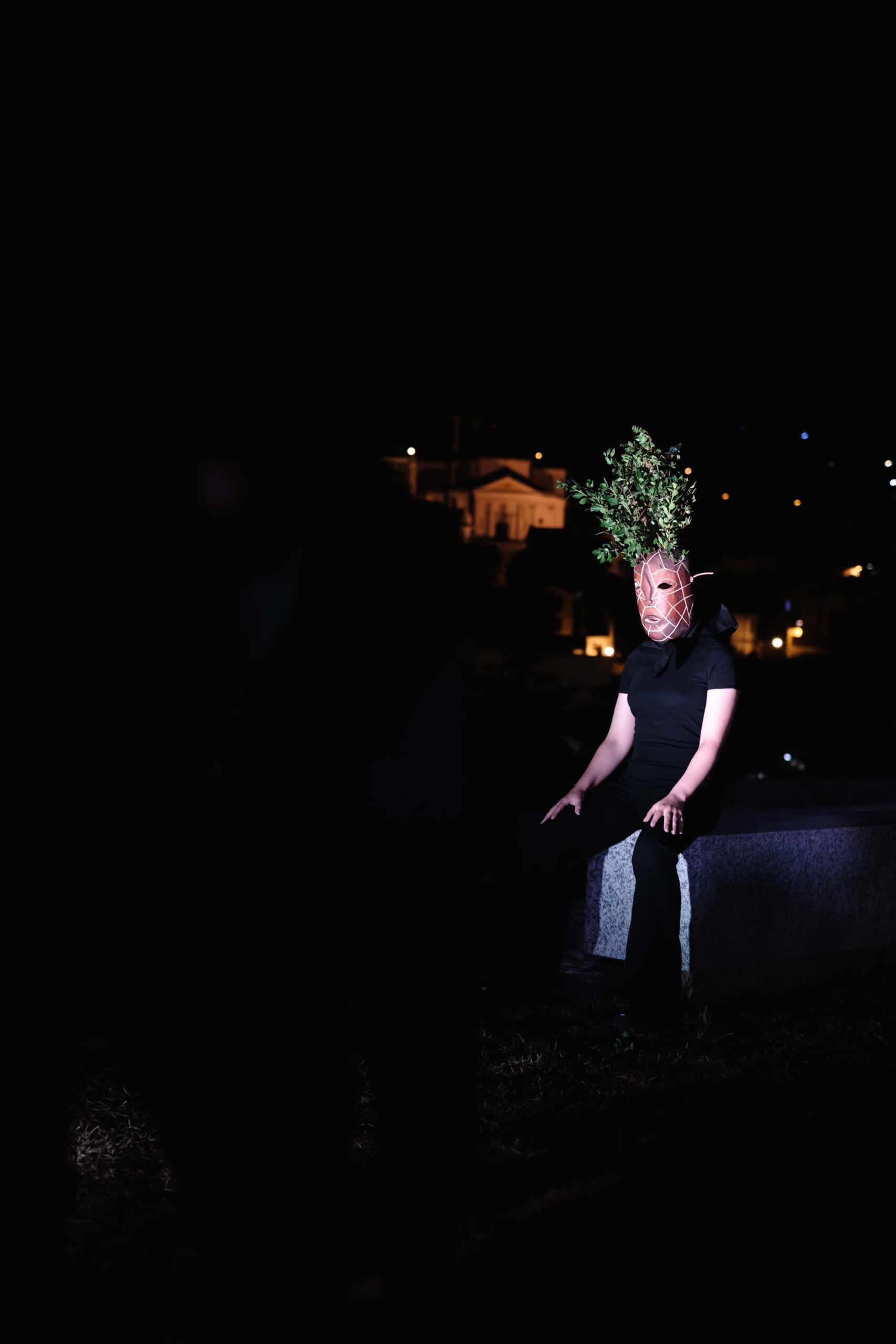
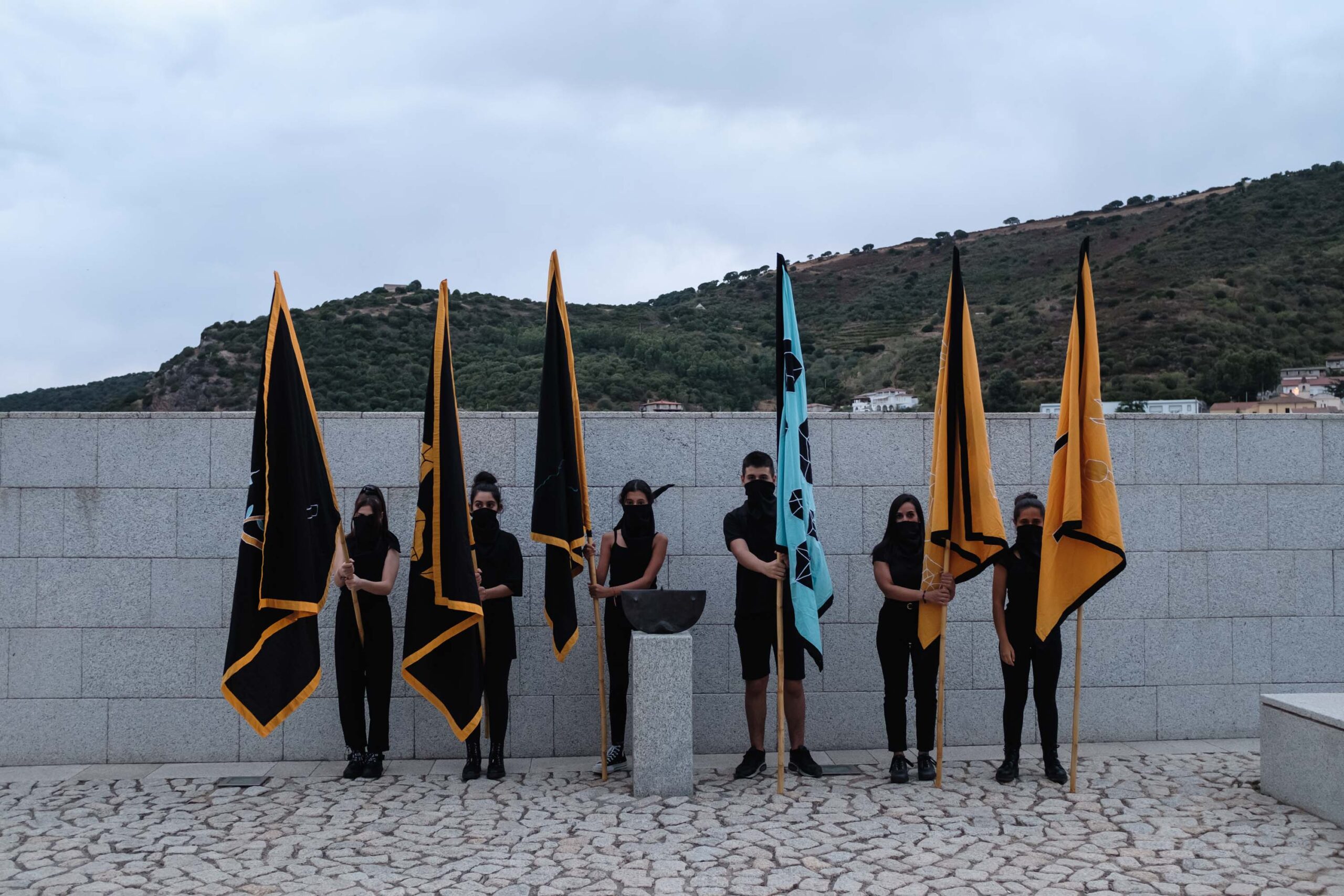
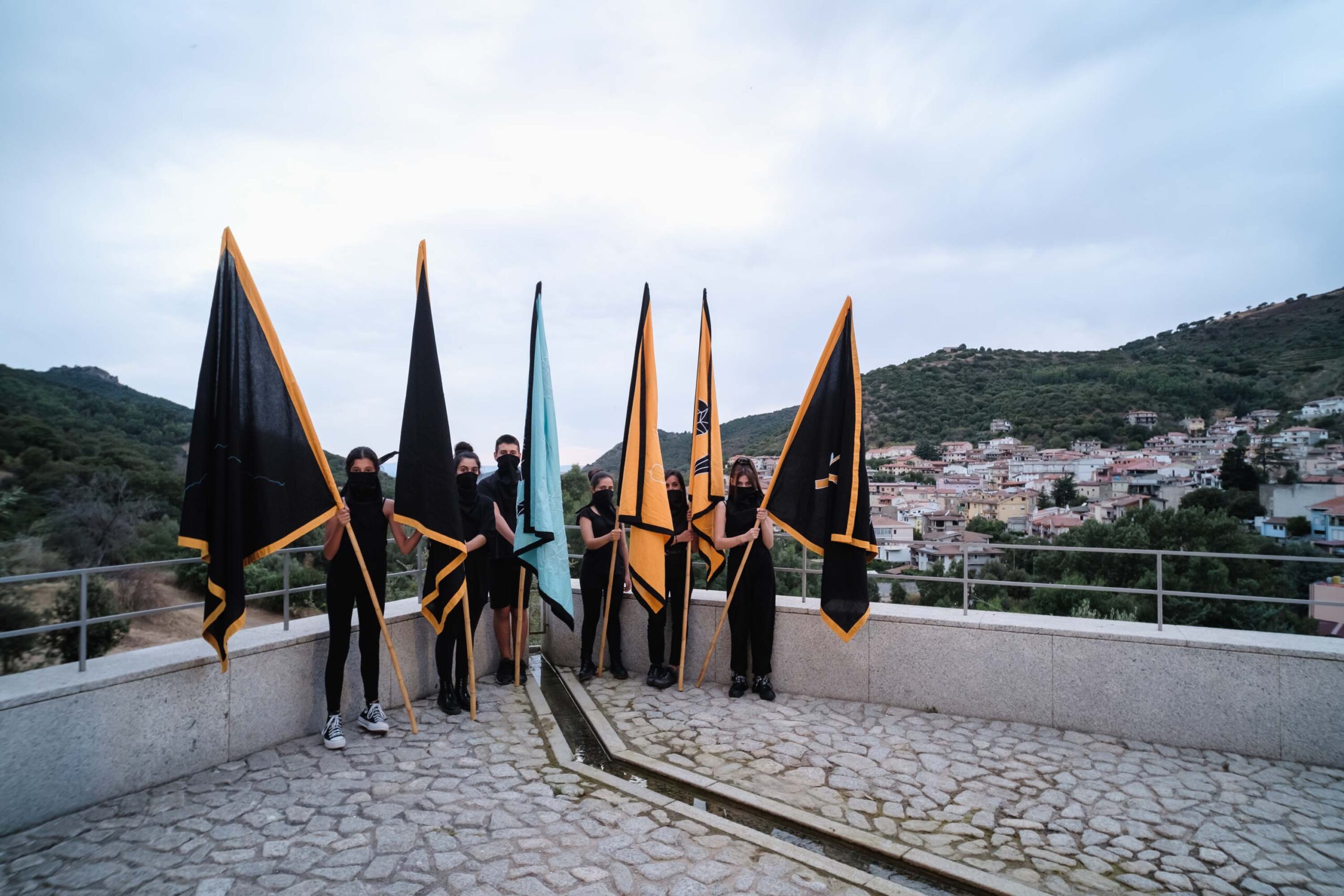
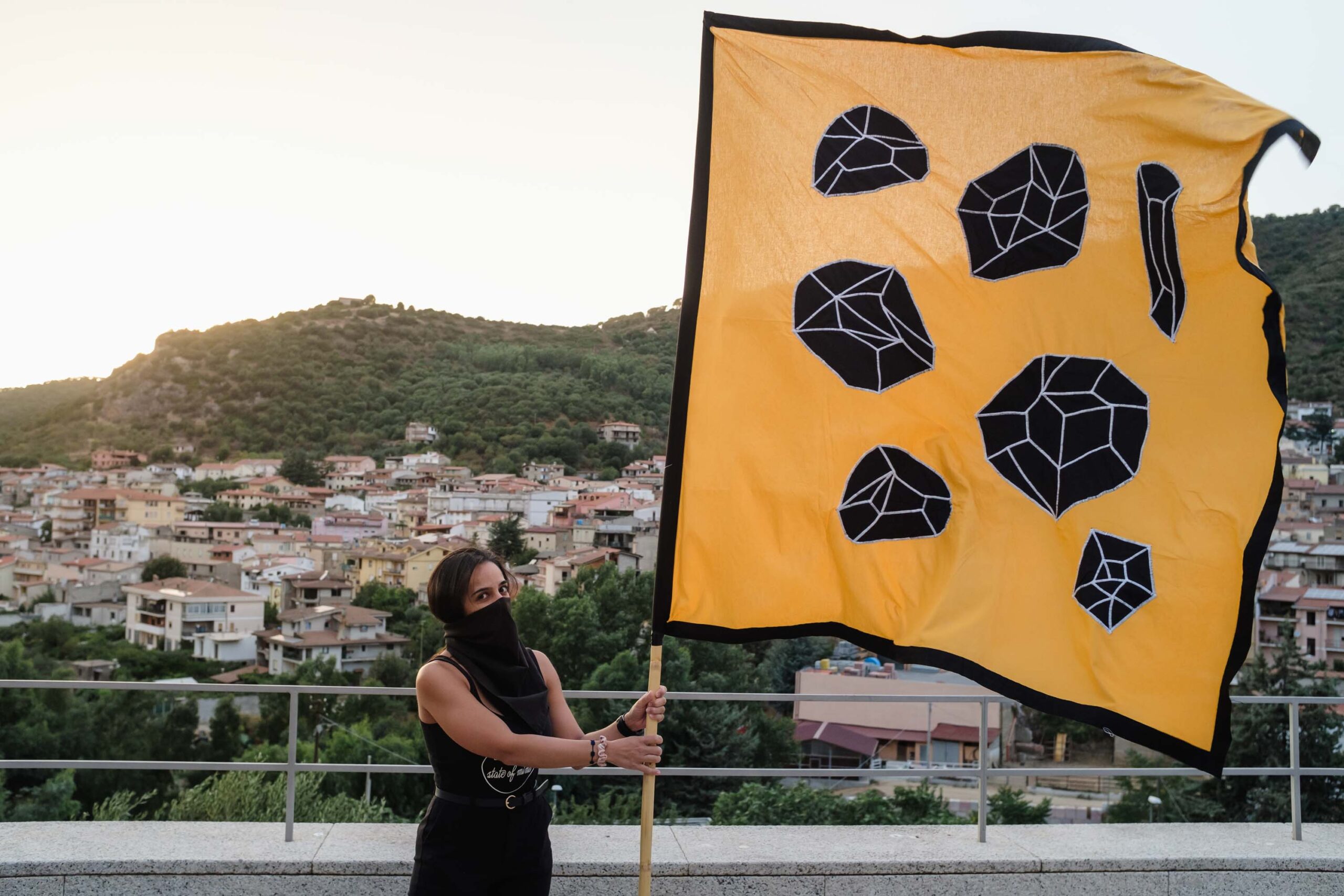
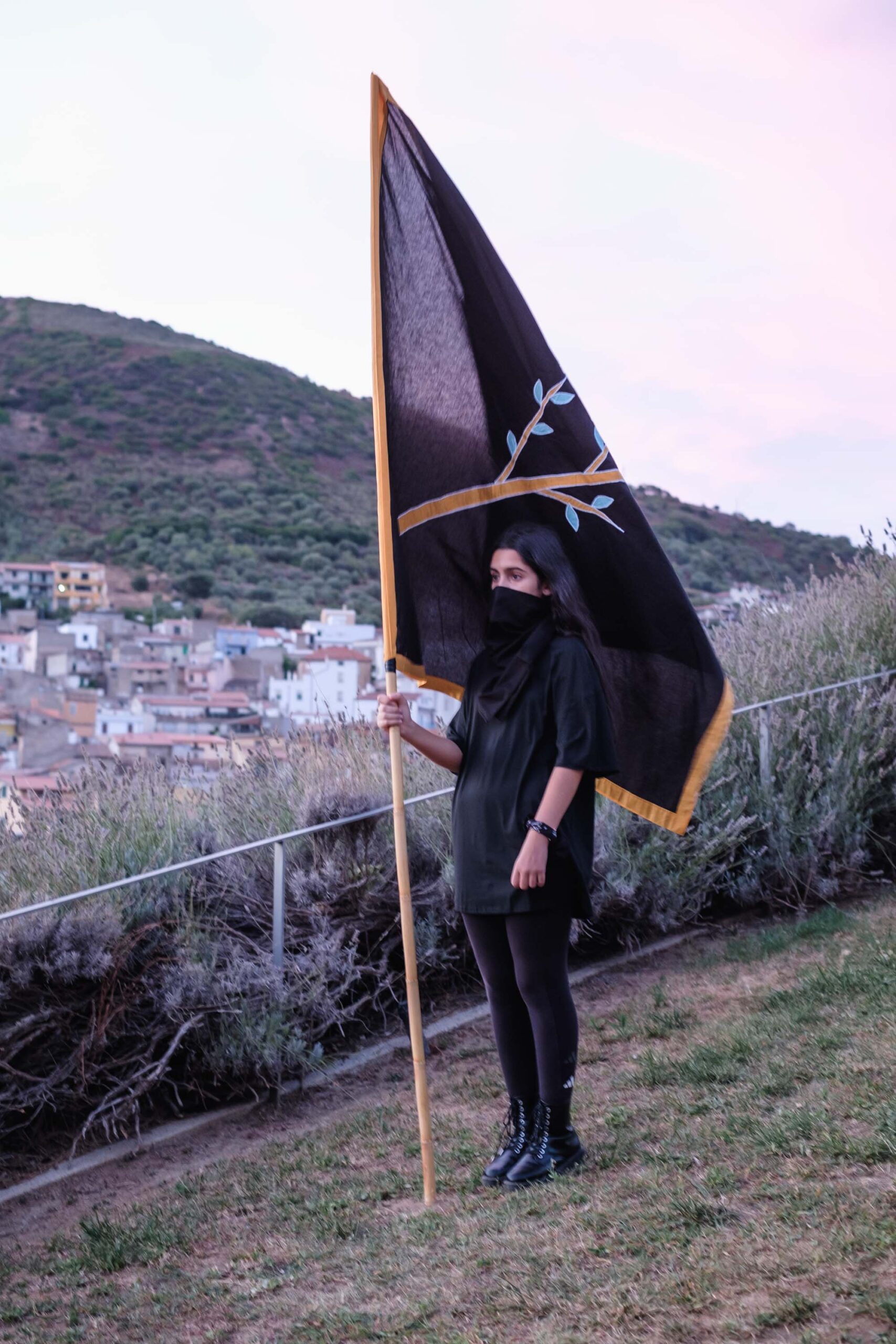
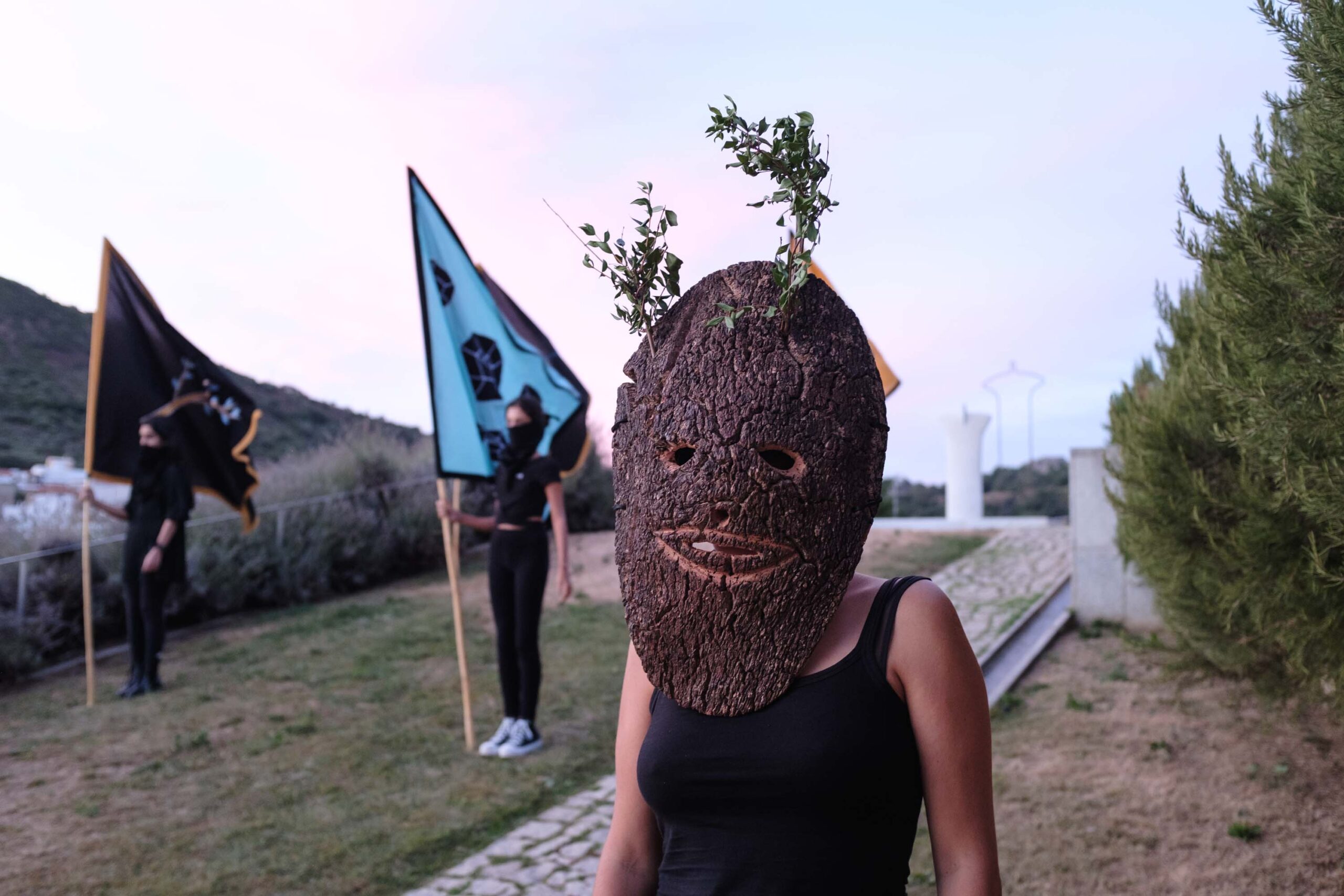
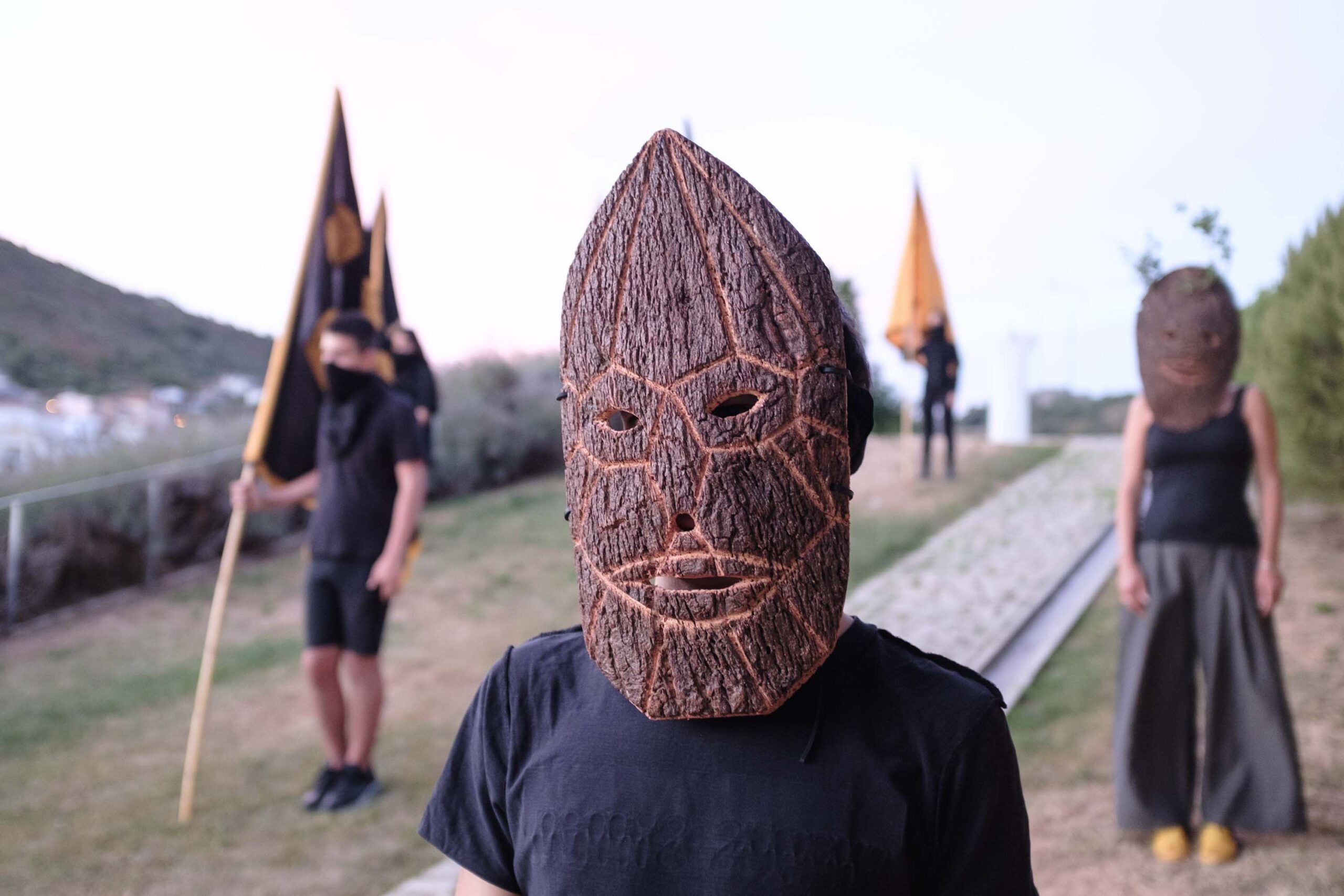
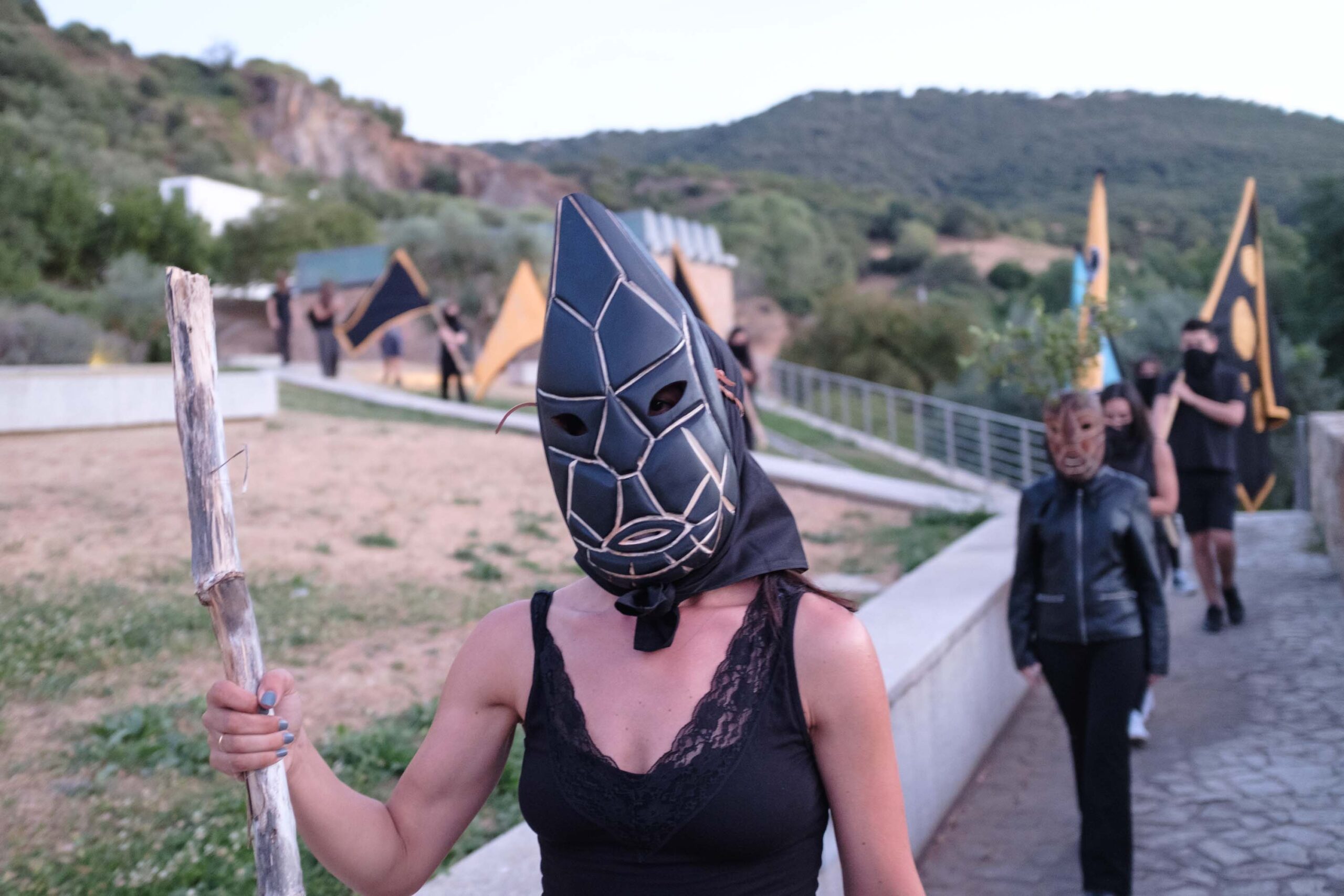
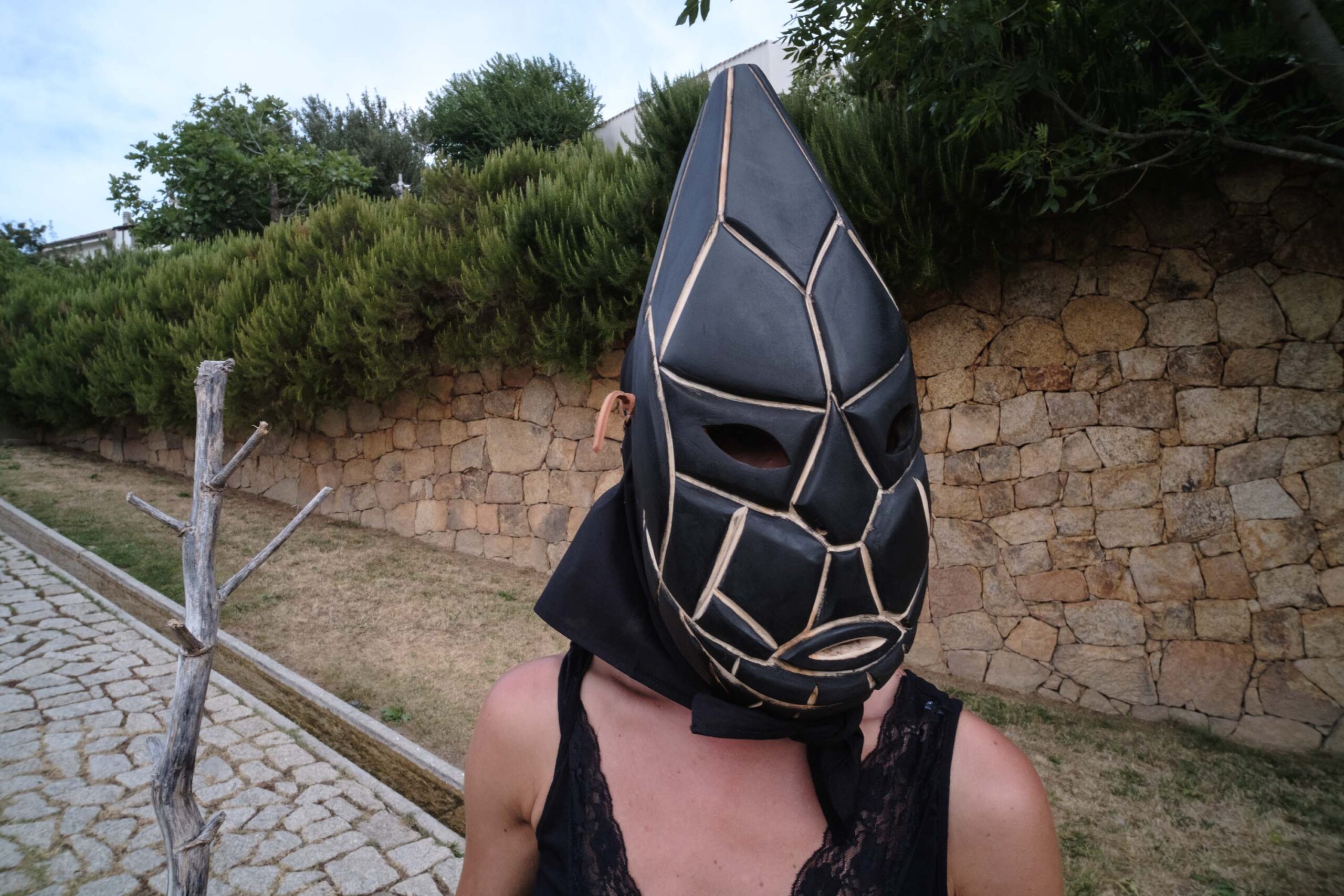
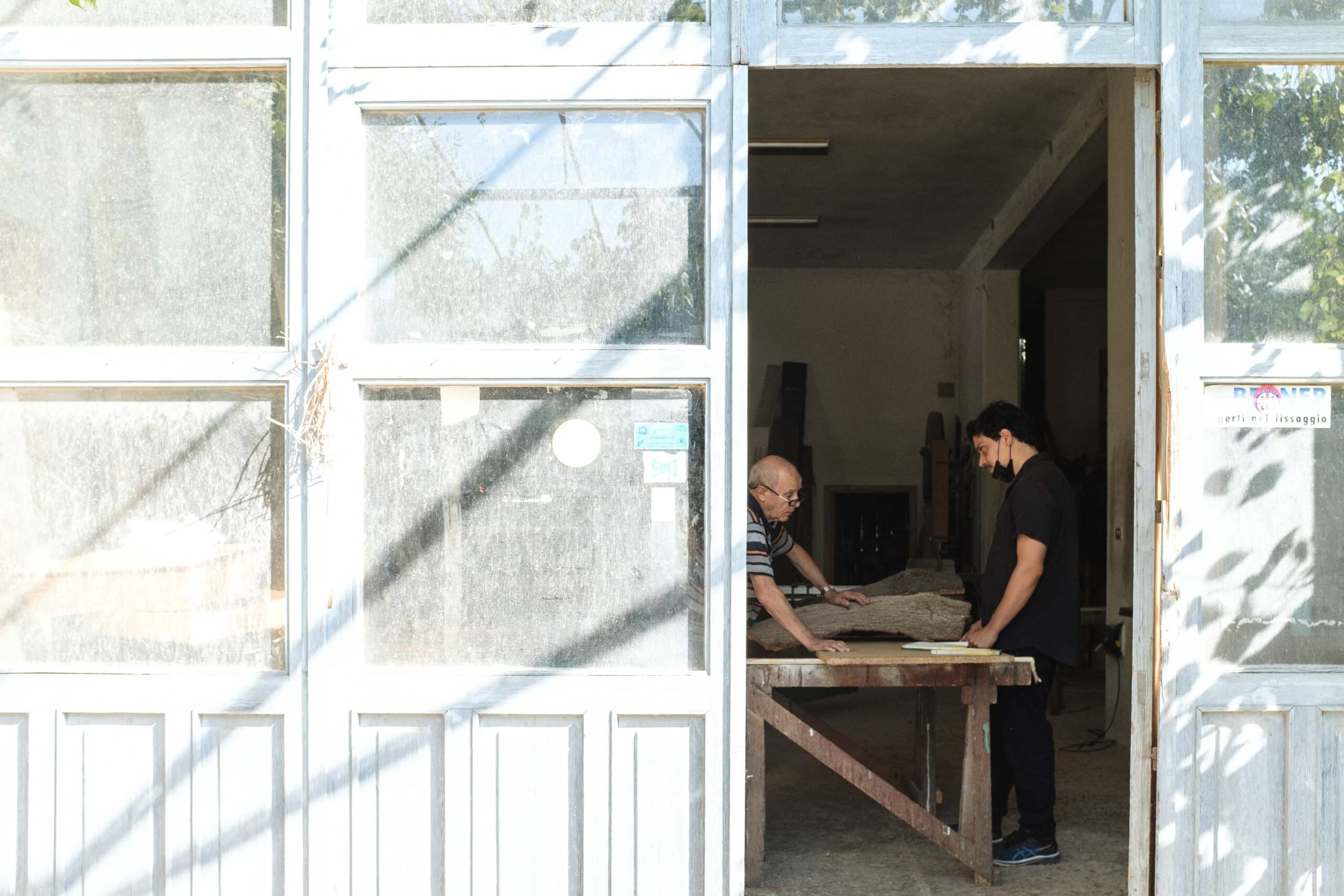
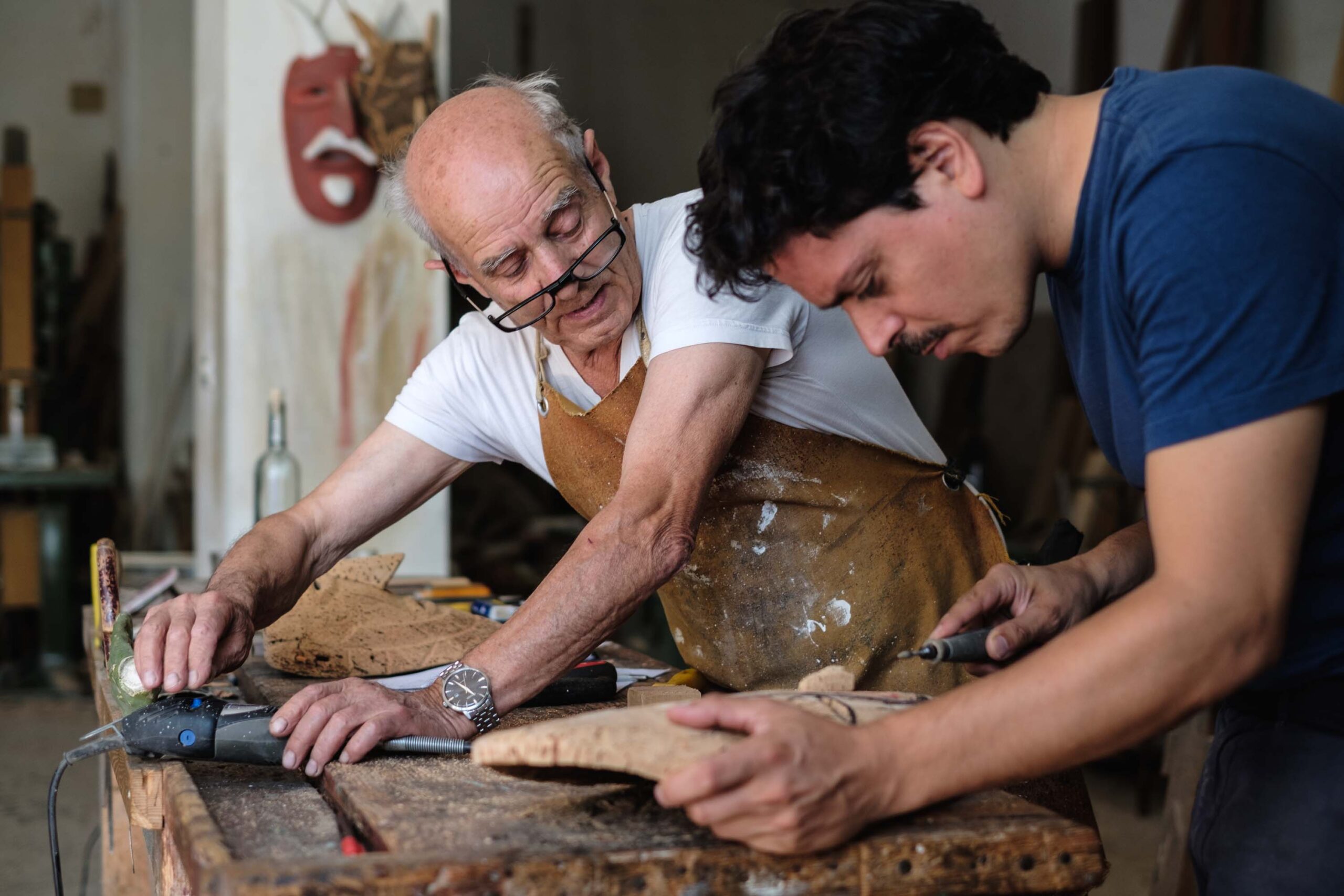
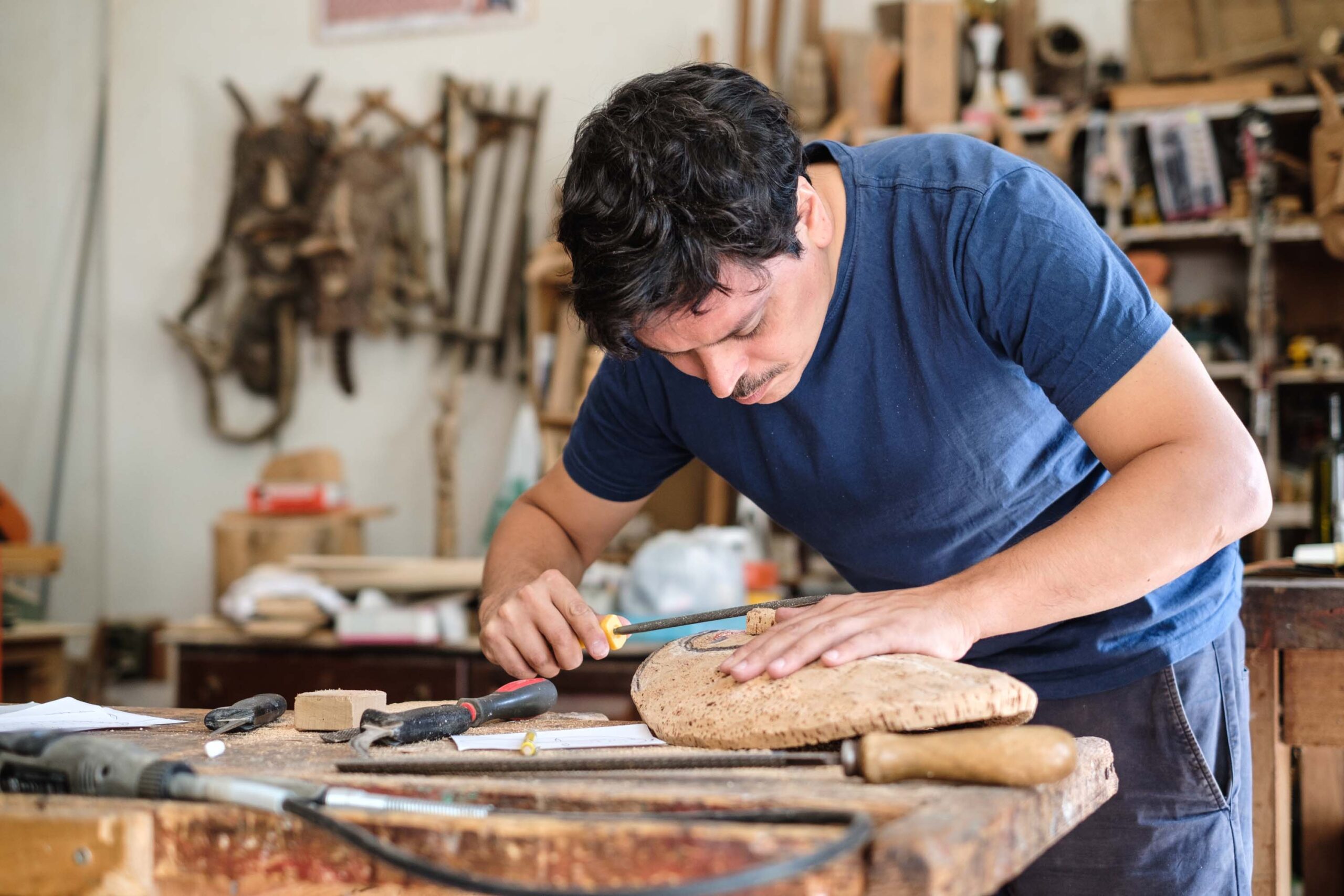
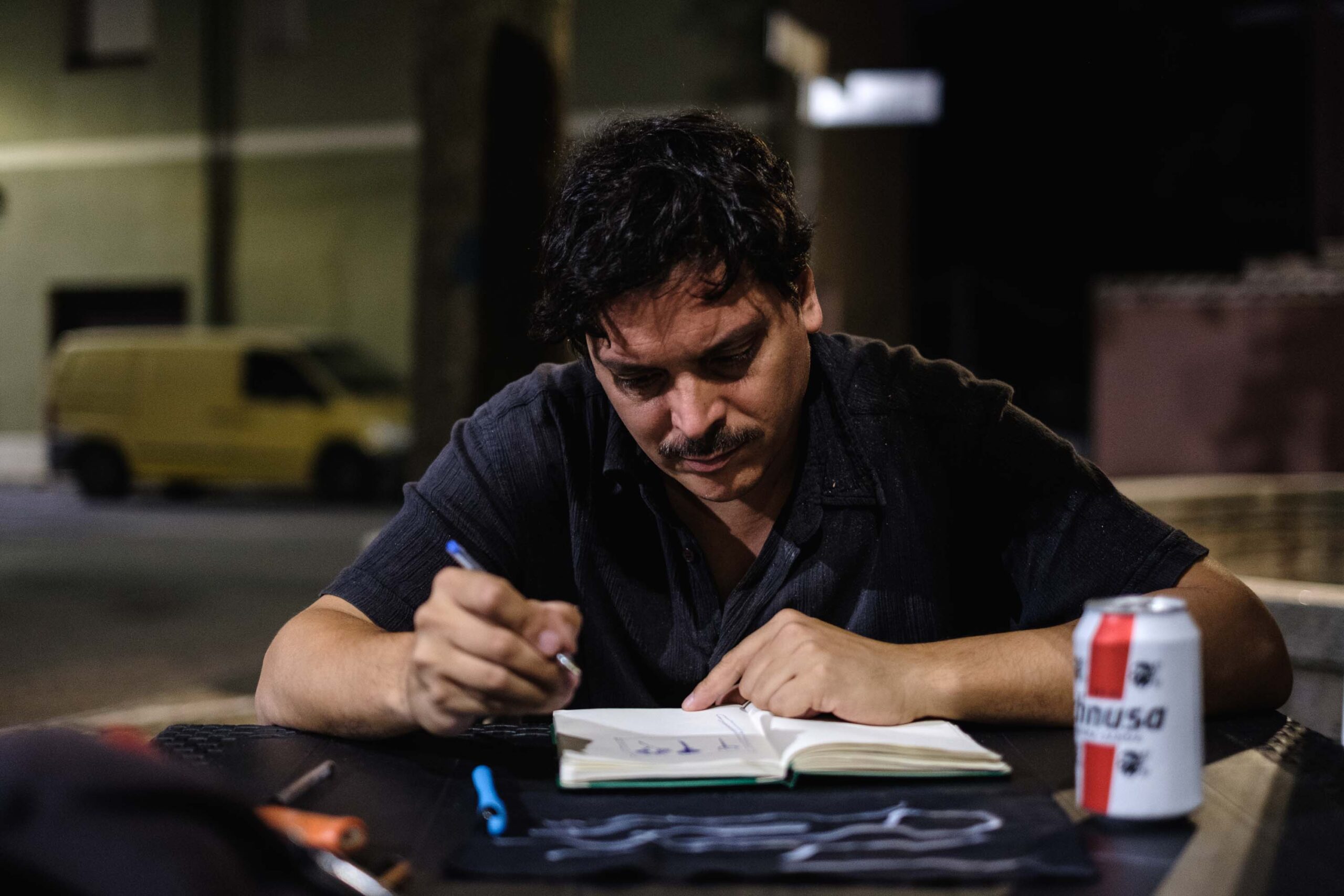
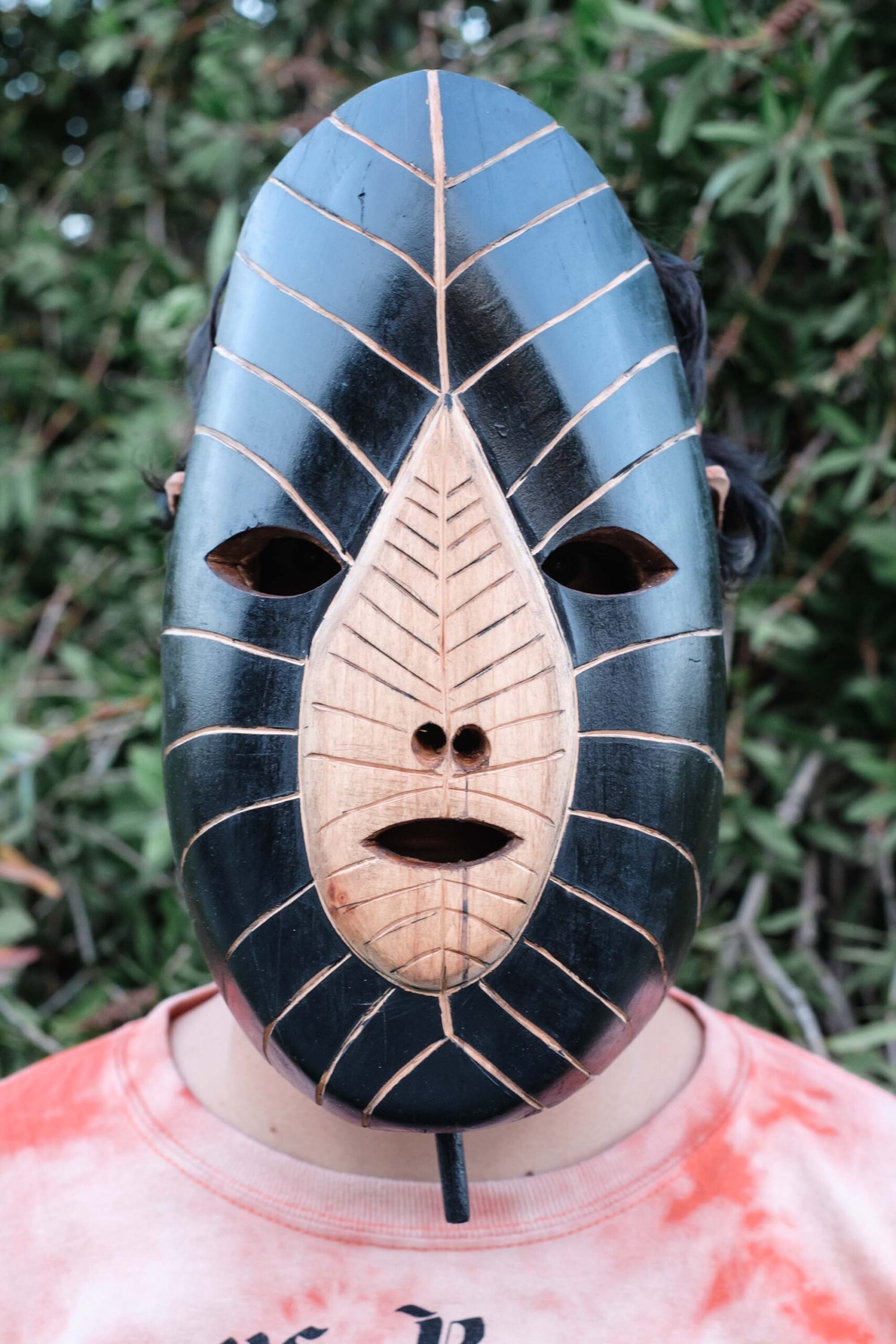
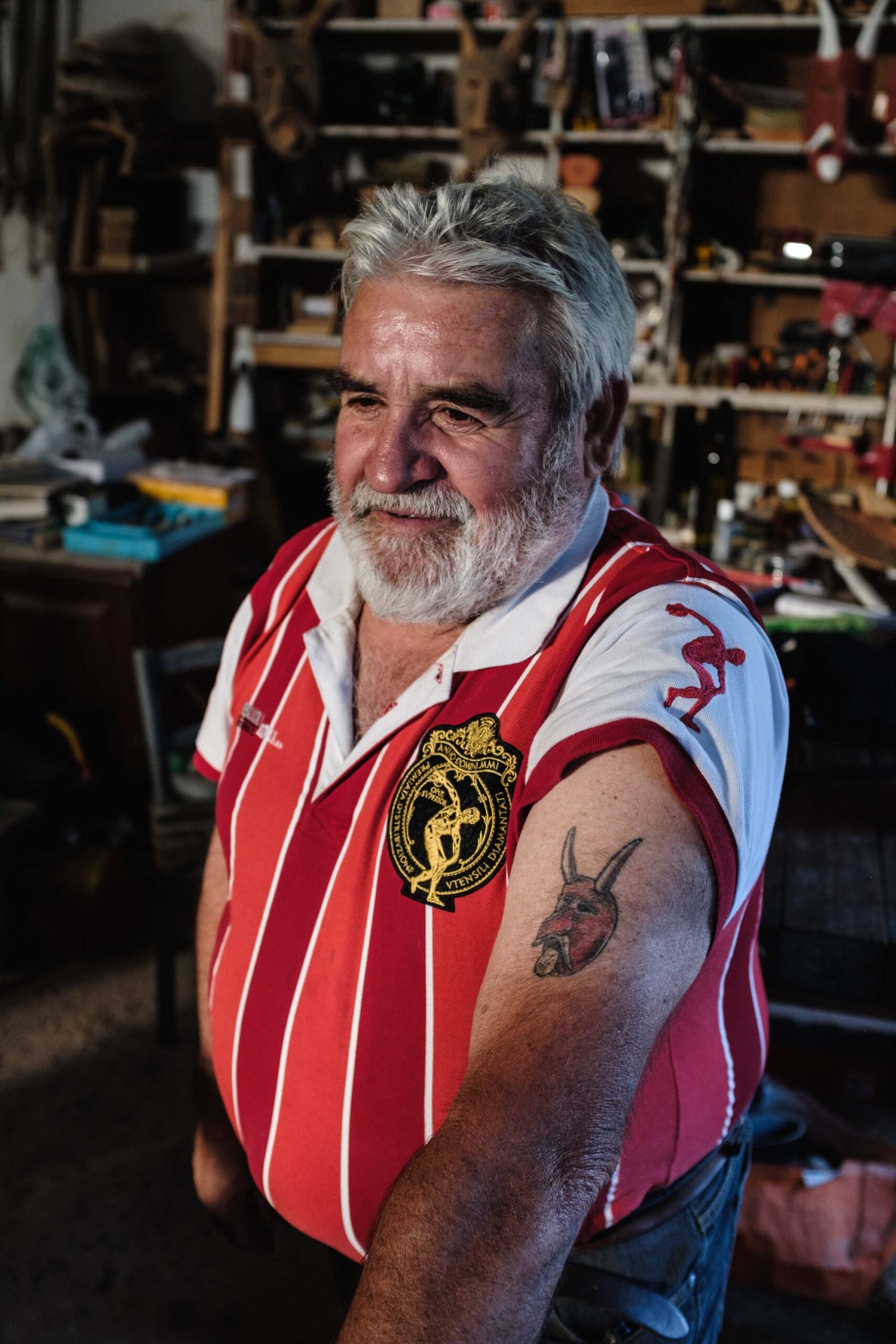
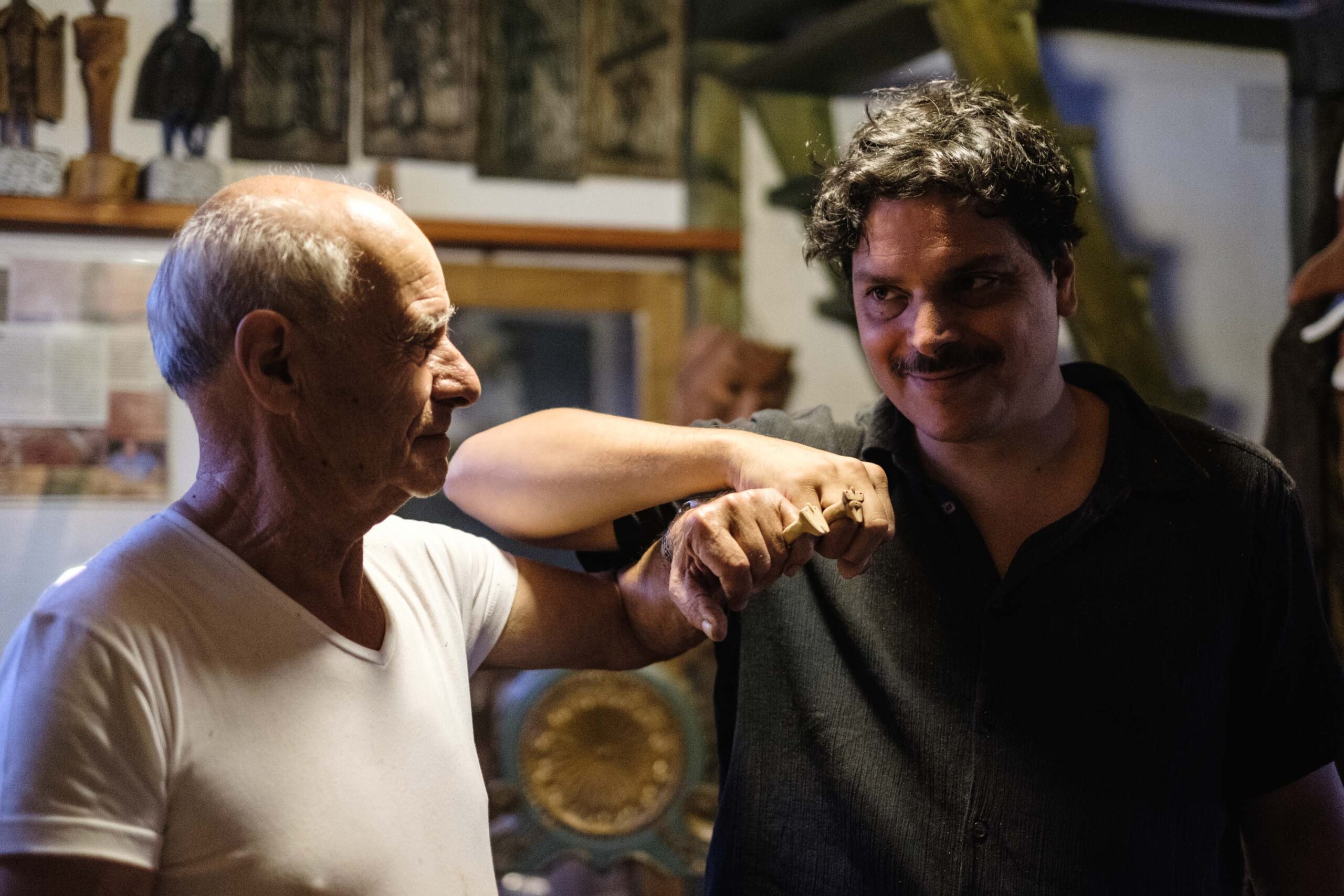
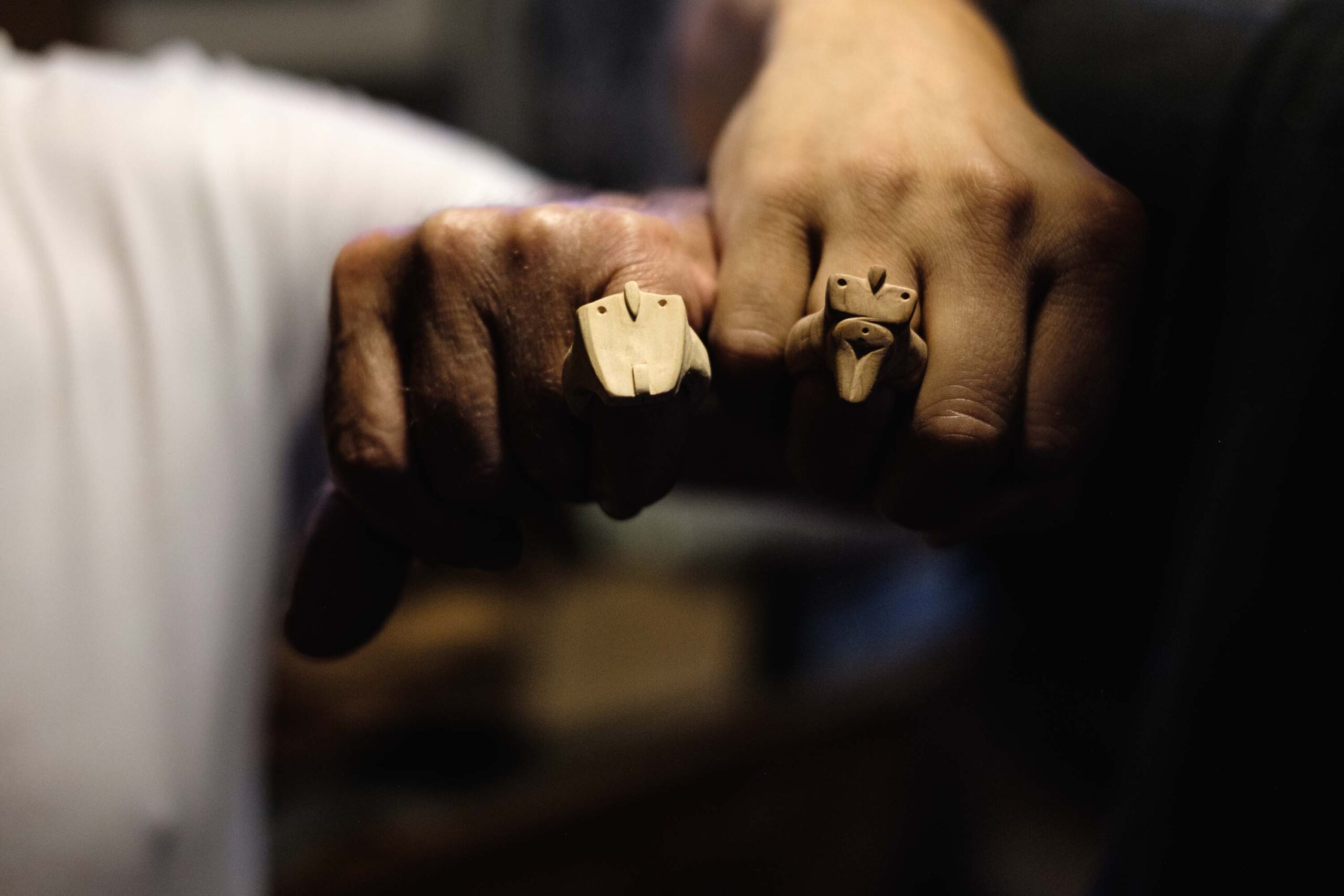
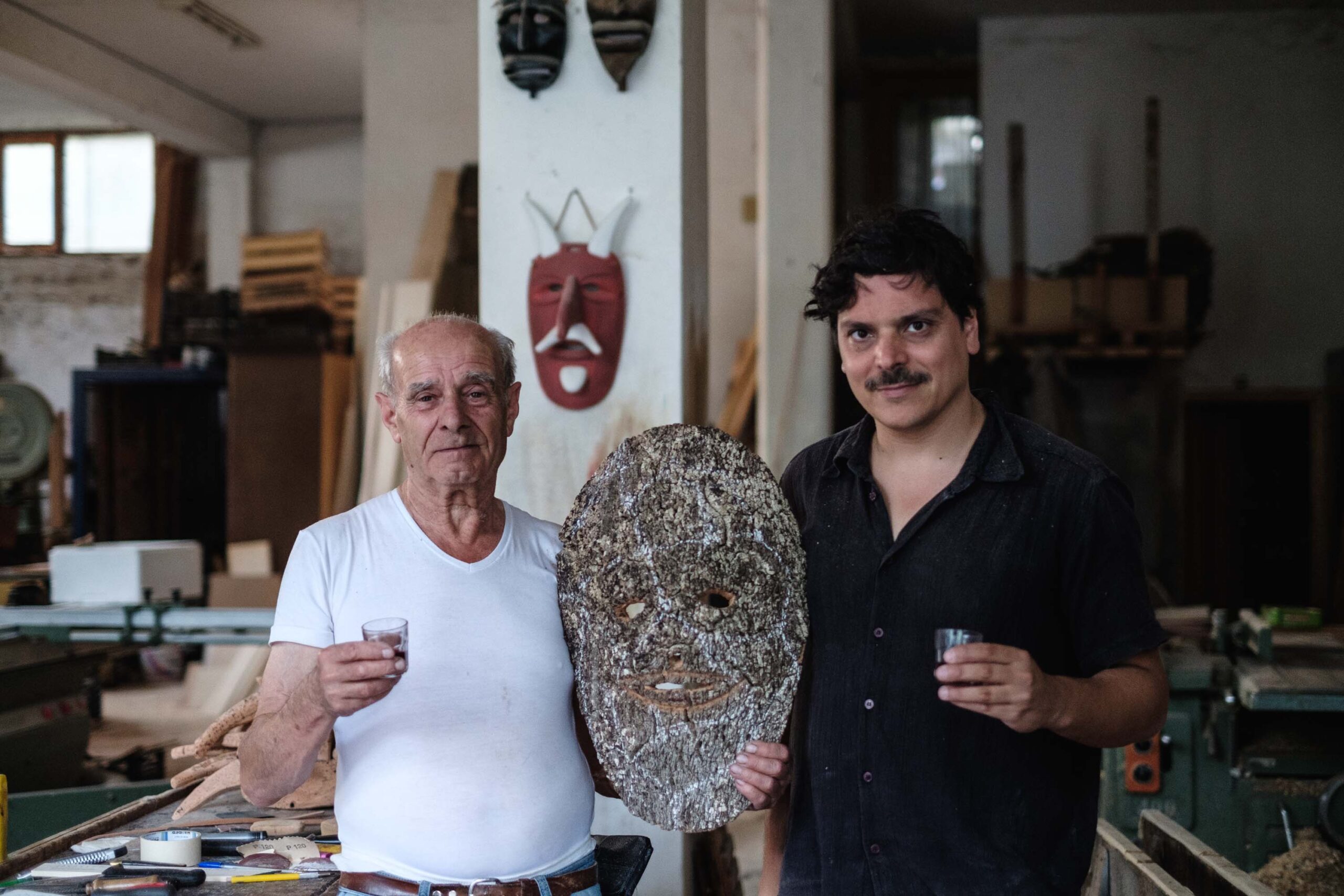
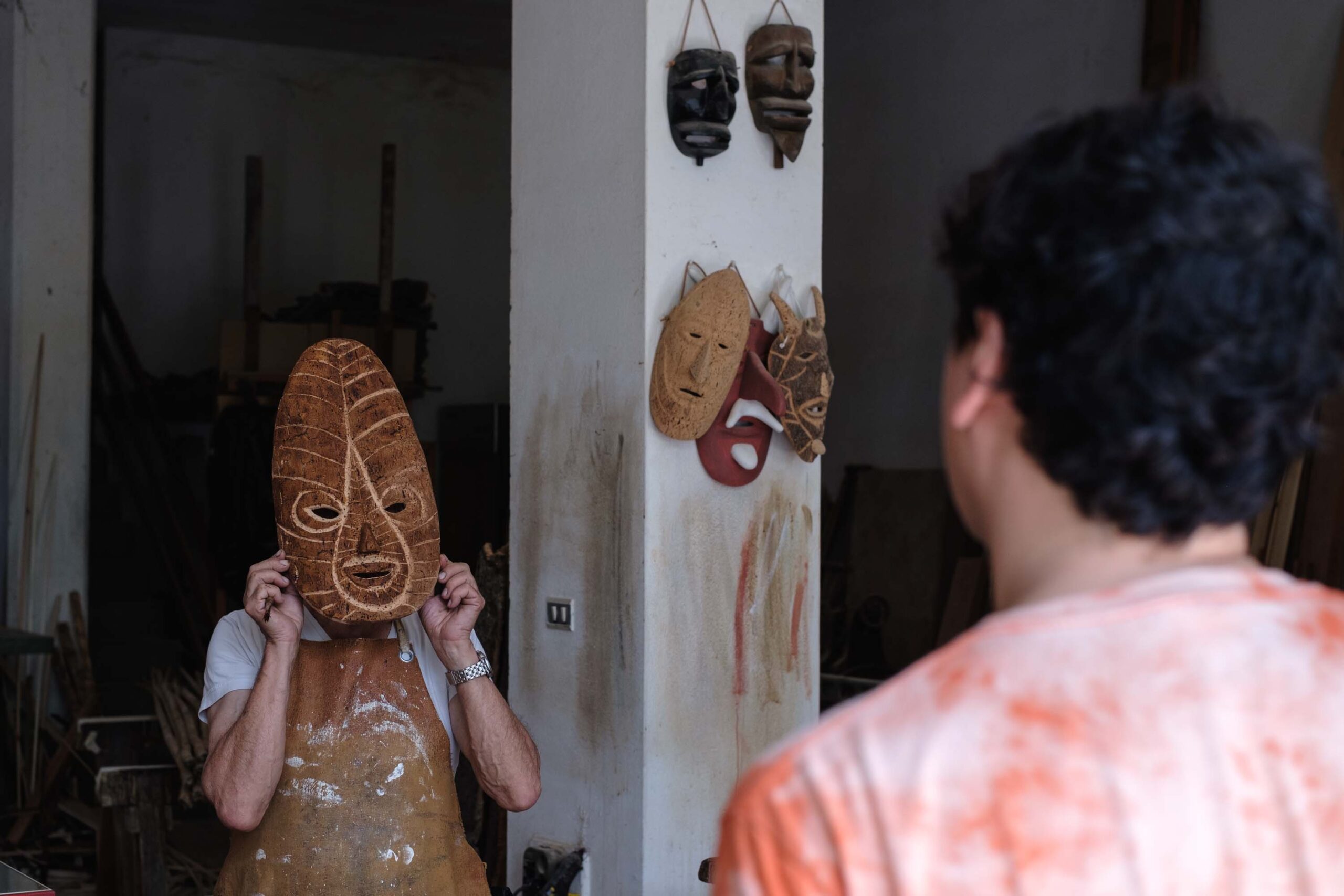
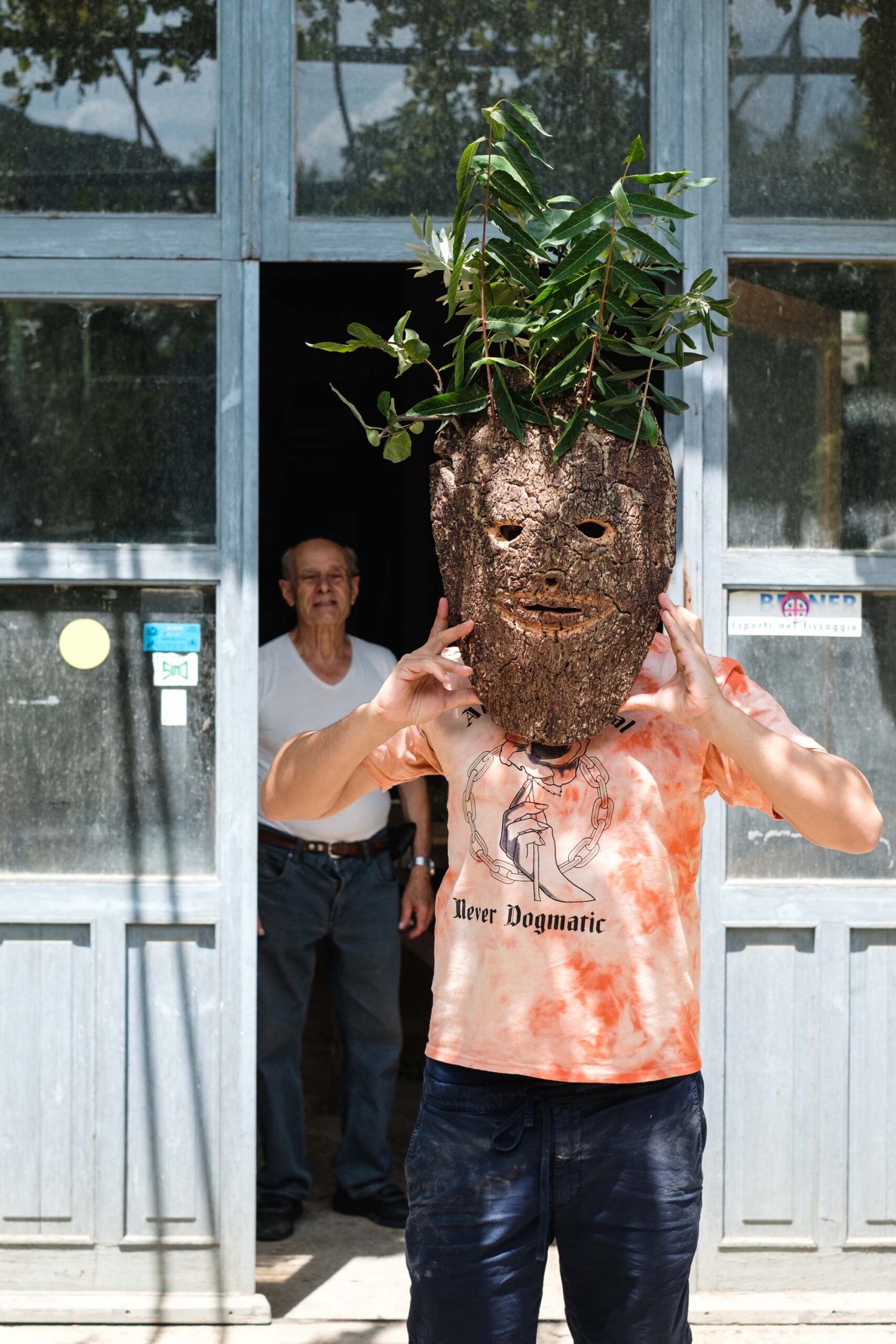
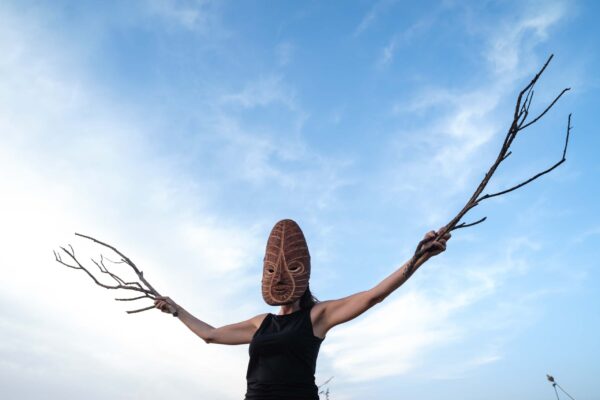
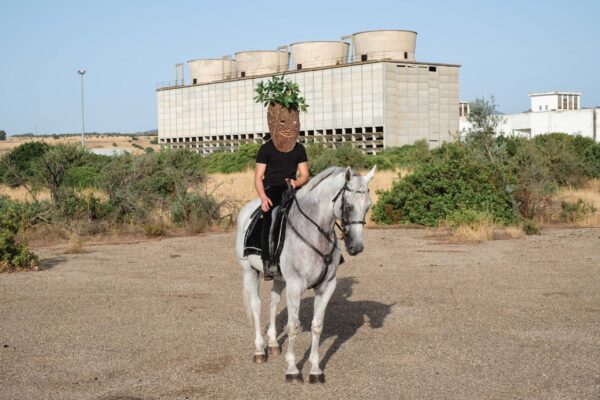
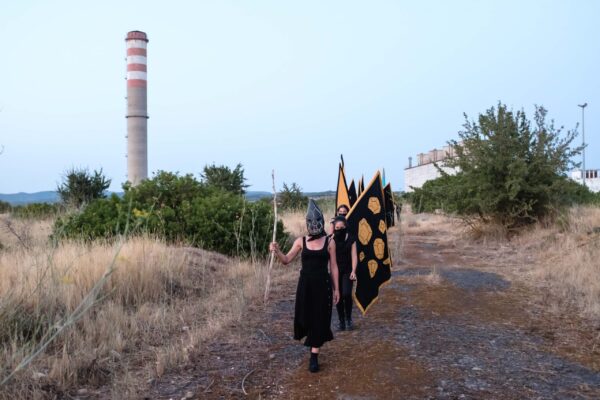
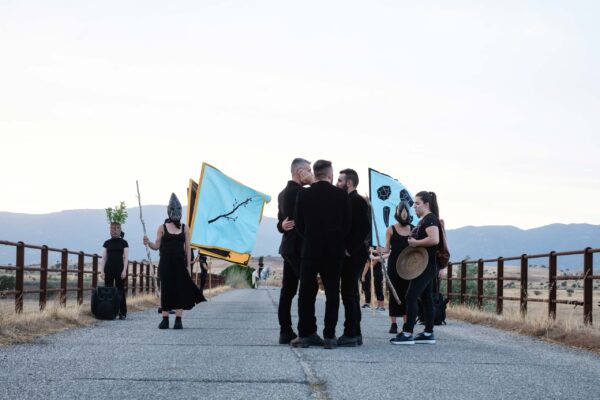
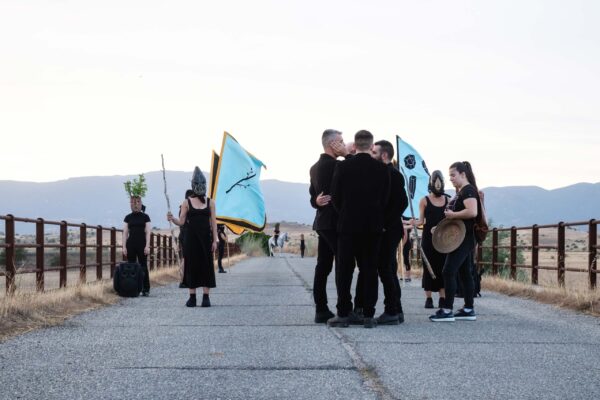
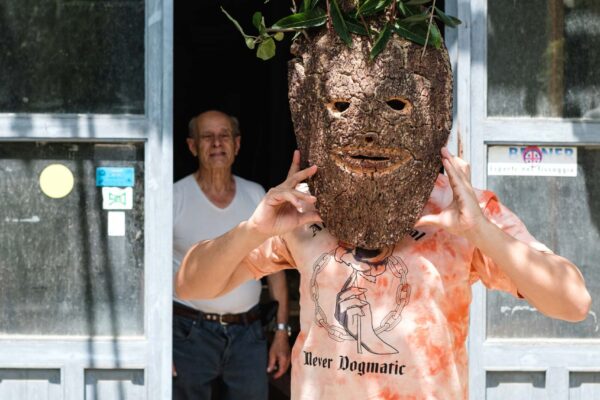
The masks and stage objects were designed and produced together with local master craftspeople. The cork masks emerged from a collaboration with Peppino Zicchi, one of the most significant living interpreters of the Sardinian mask-making tradition, while other elements were produced with Paolo Lai, a master craftsman specialising in wild pear wood. The flags were sewn in collaboration with local craftswomen and artisans from Orani.
The production of the objects was not merely a preparatory phase but an integral part of the work: a process of collaboration, transmission of knowledge and recognition of the skills rooted in the territory.
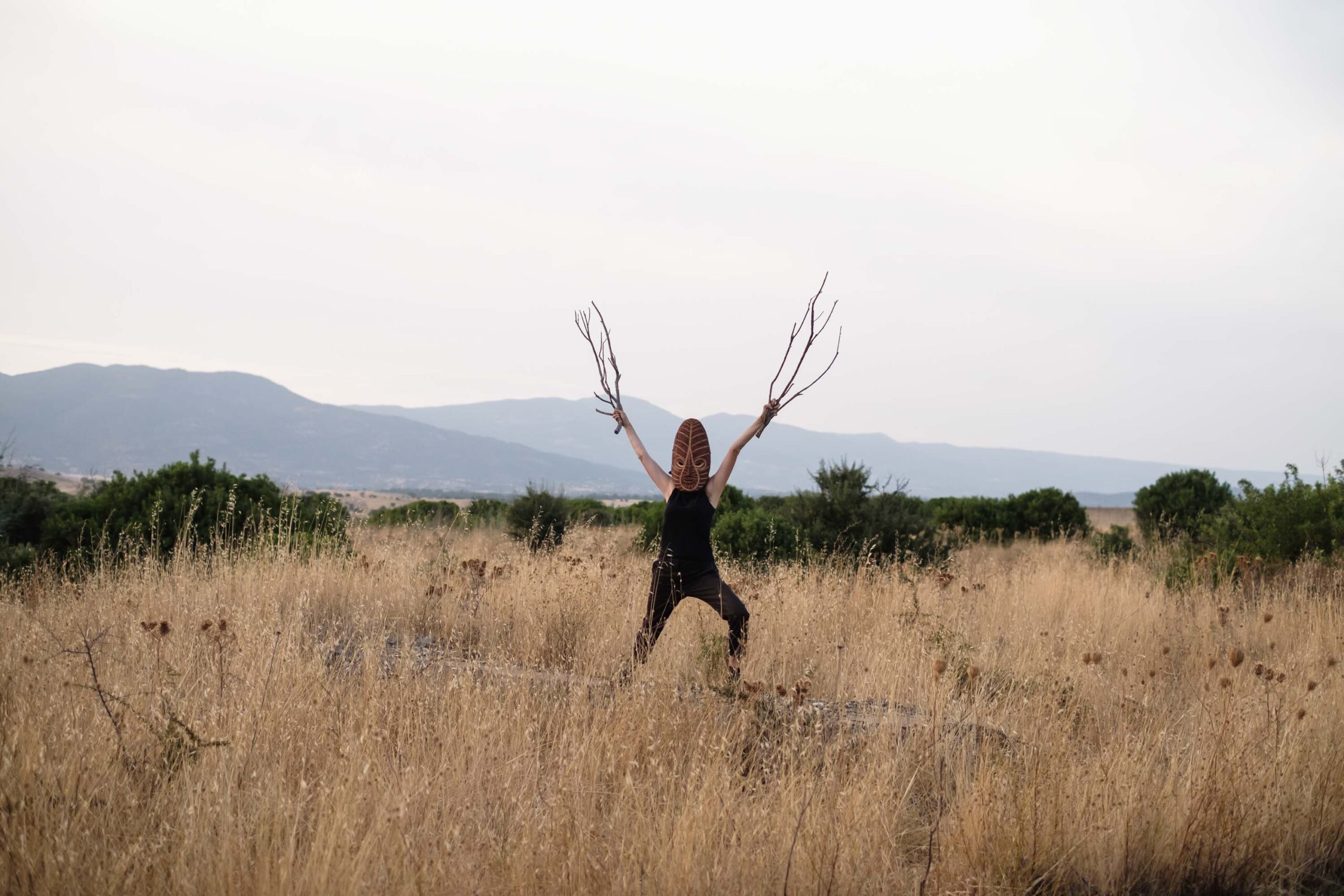
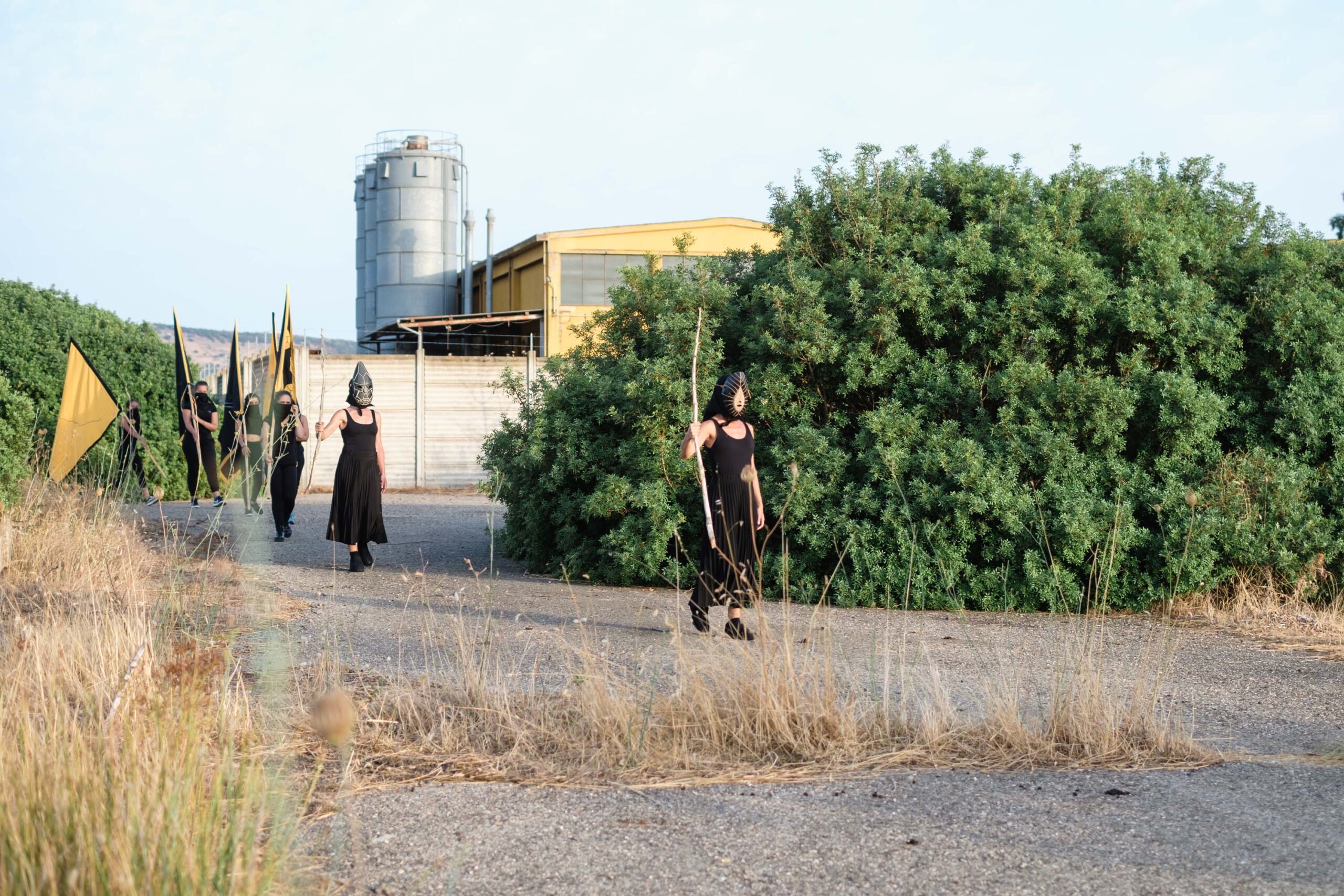
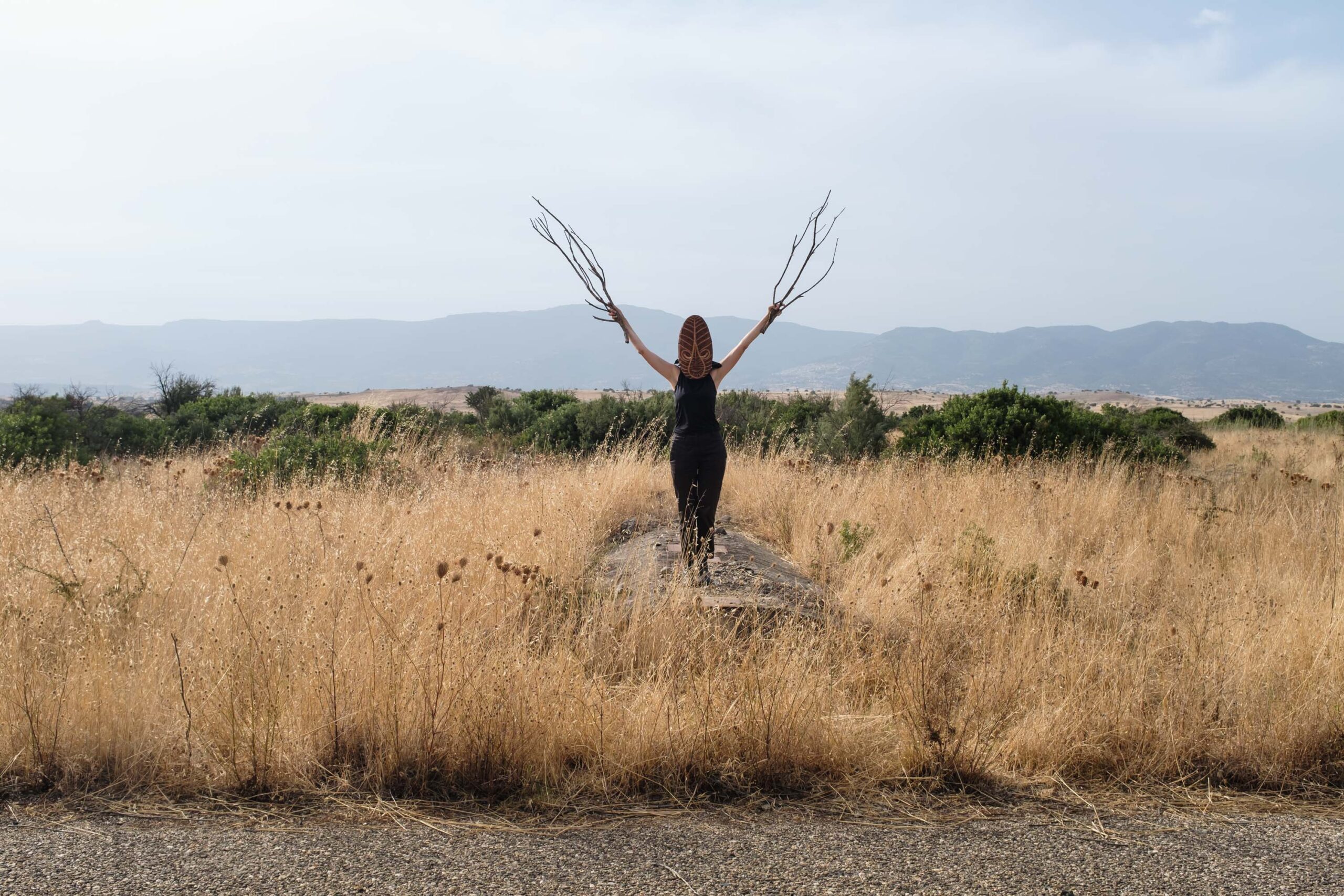
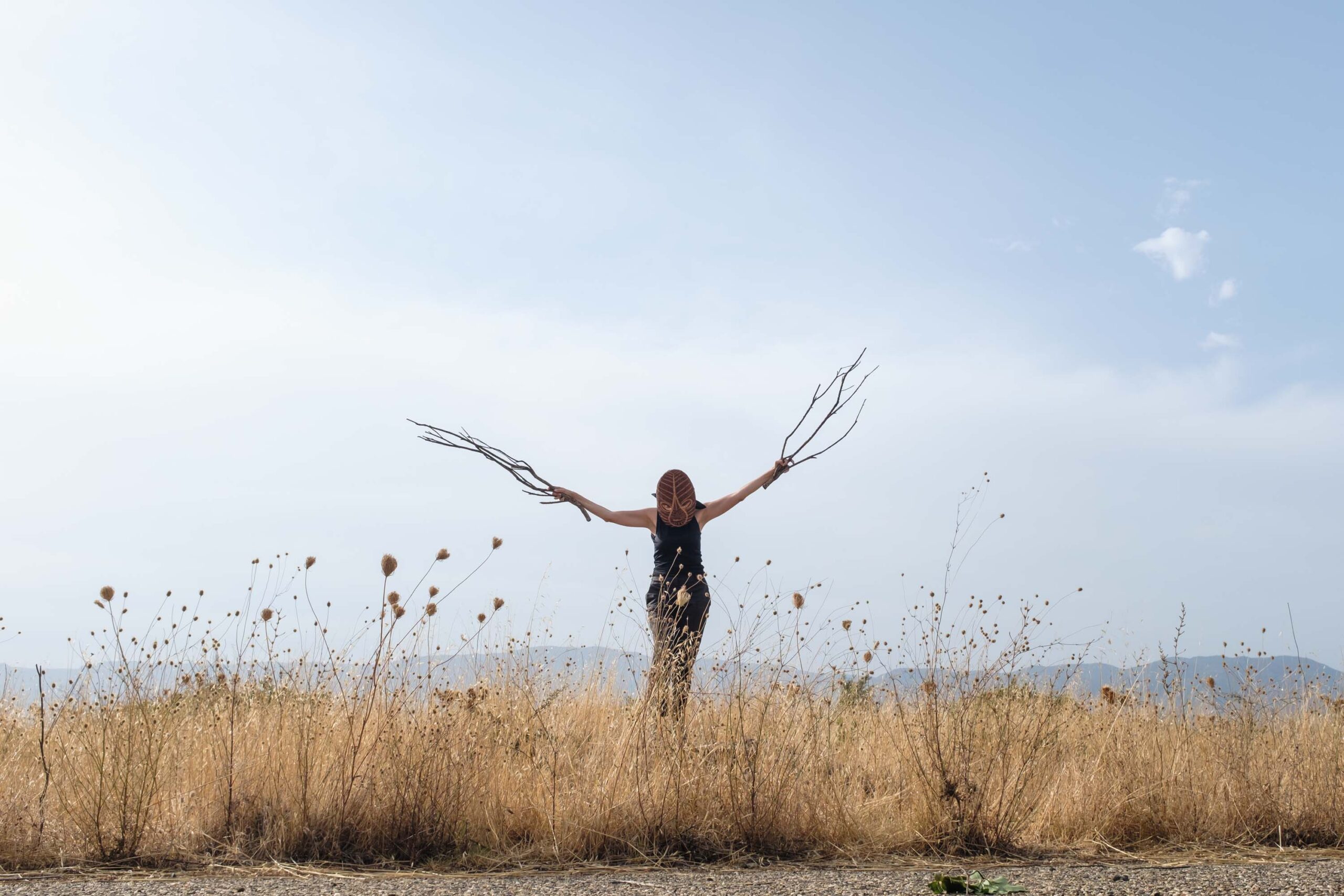
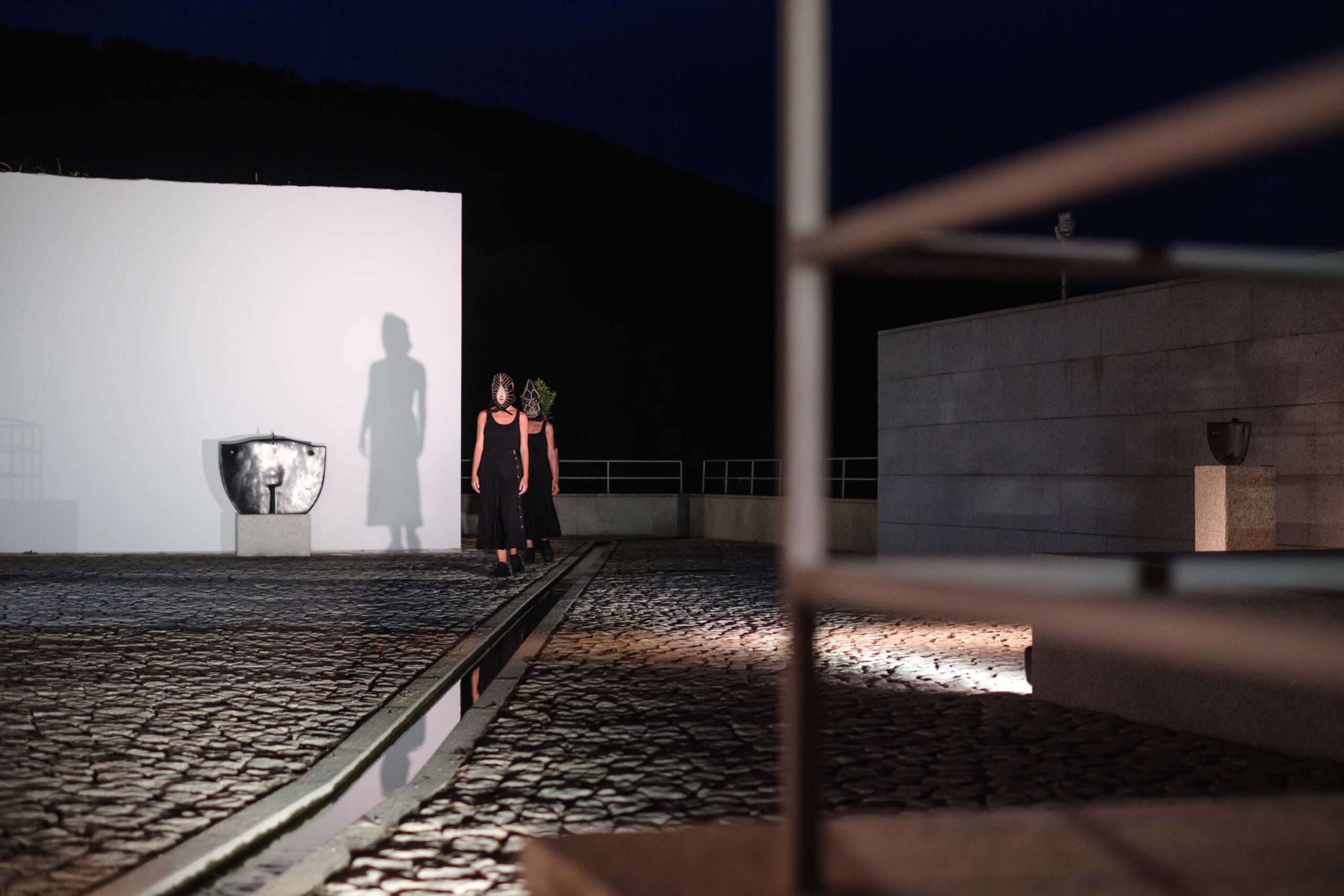
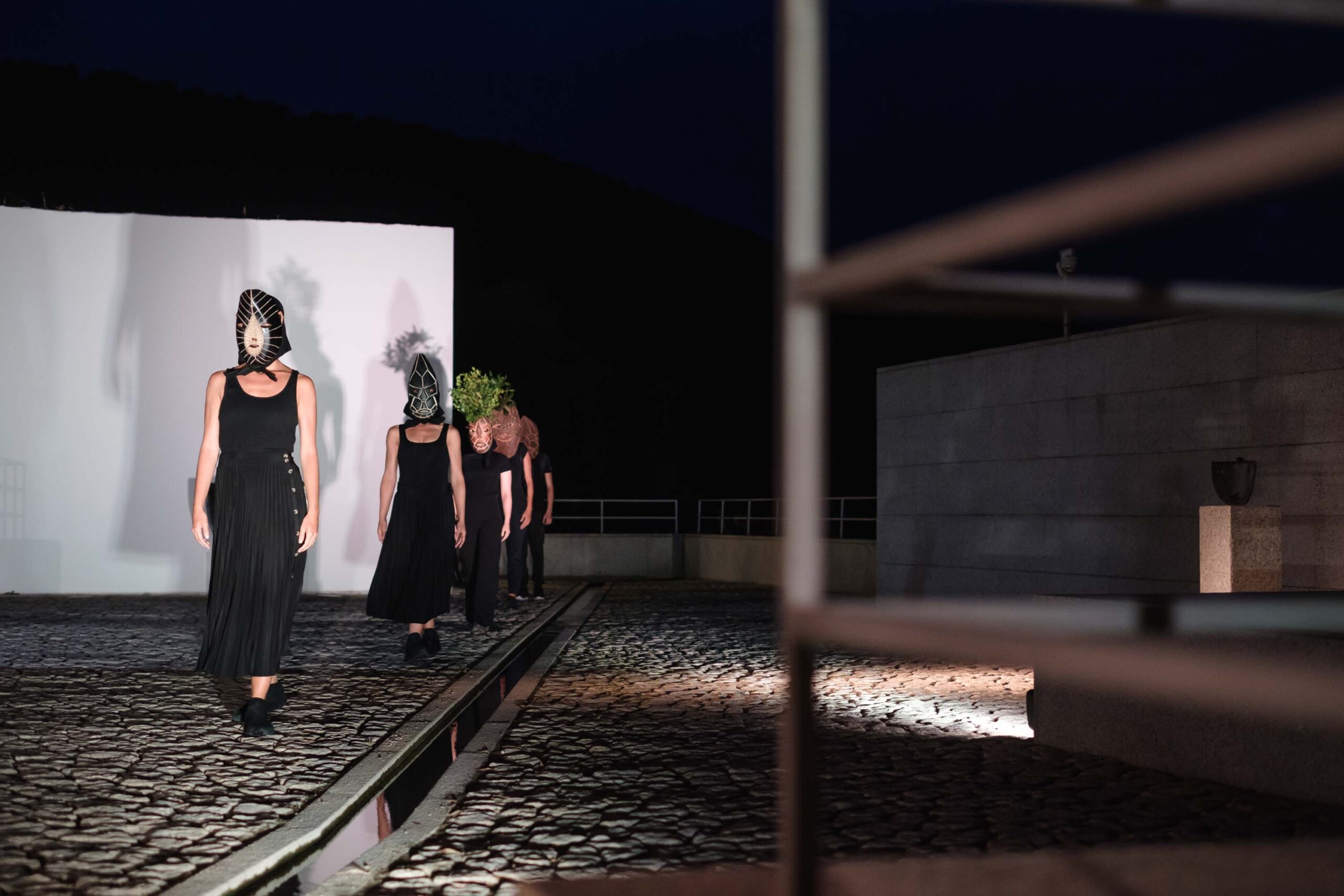
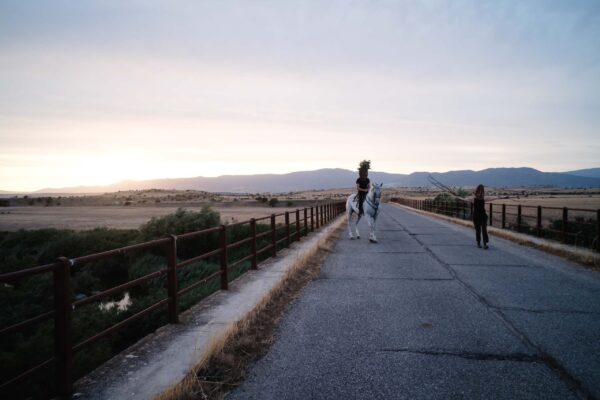
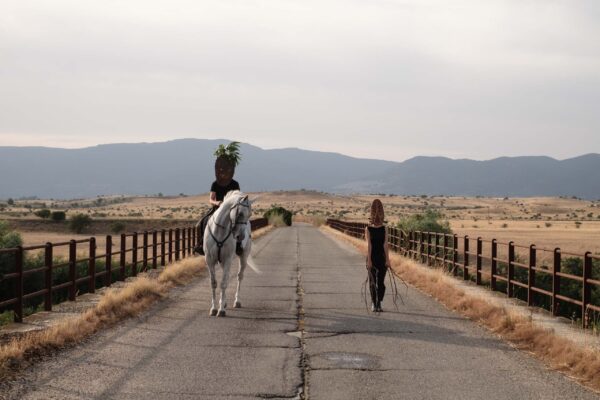
The masks were not employed as folkloric quotations, but as intermediary bodies between people, animals, landscape and memory. Their presence brought the original imagery of the work into dialogue with the artisanal and ritual practices of Barbagia.
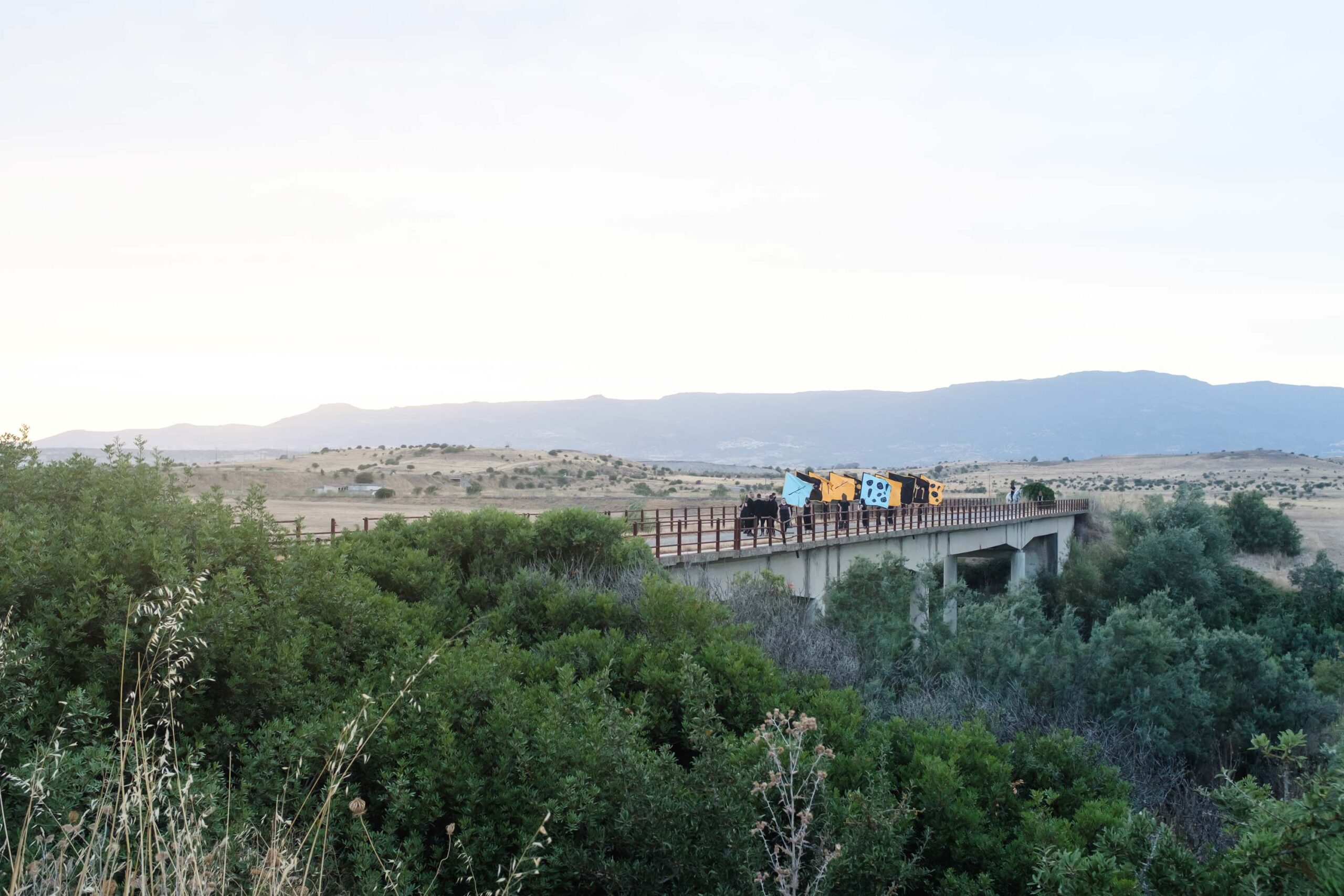
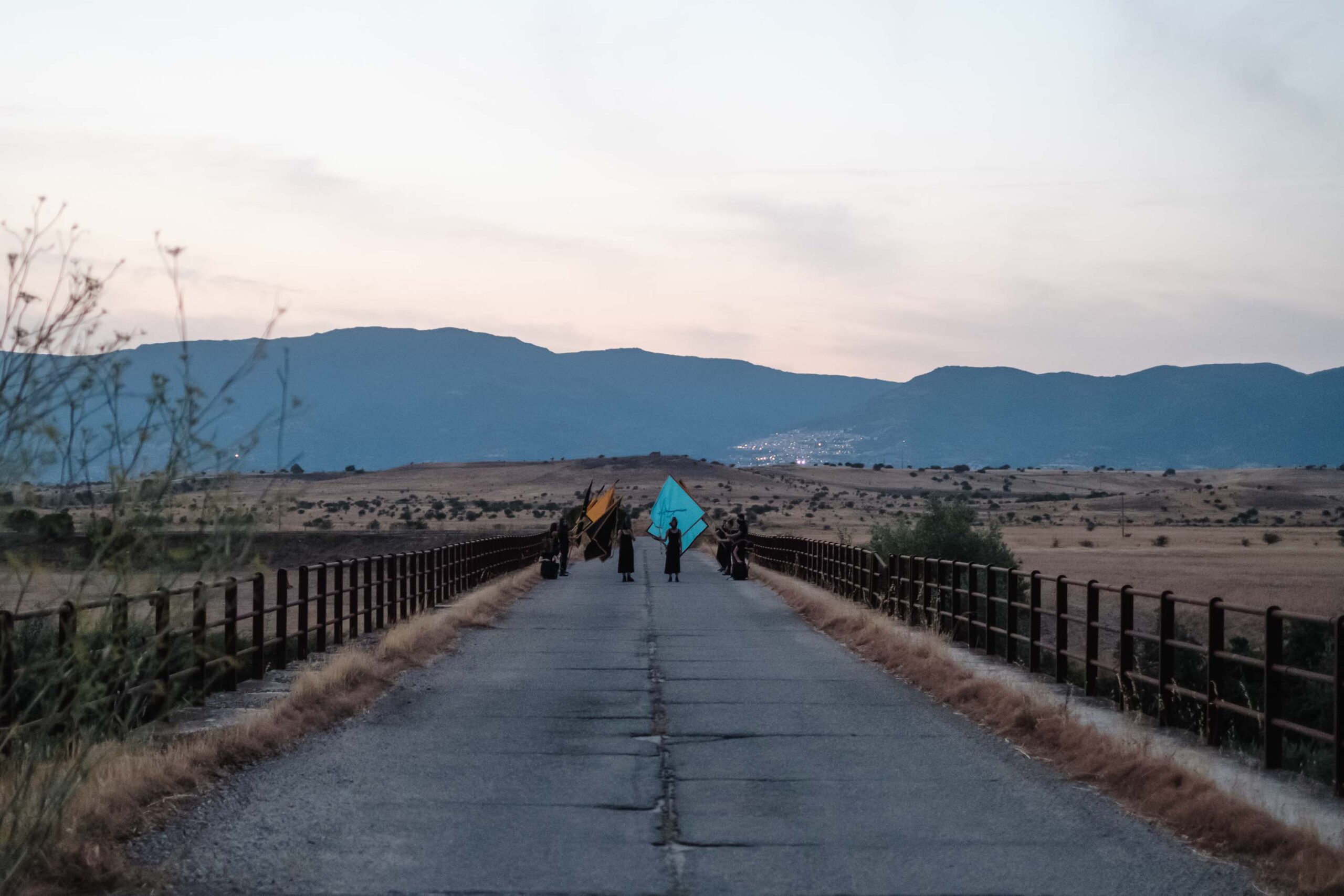
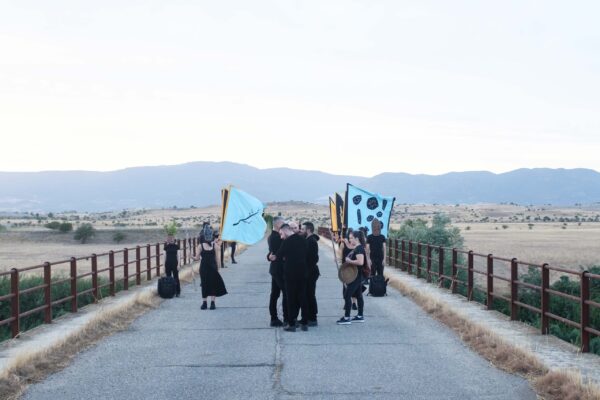
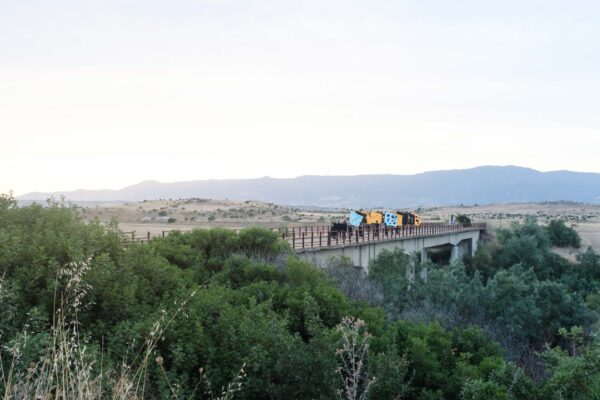
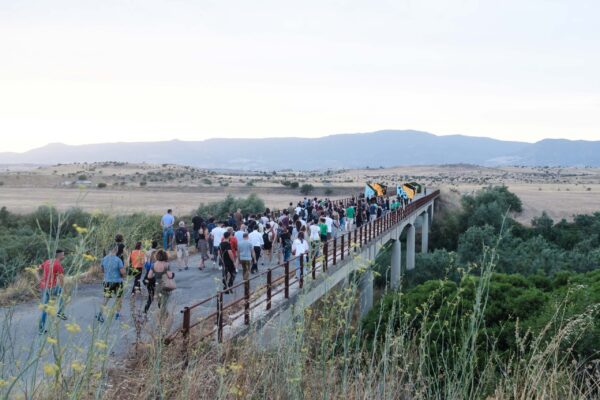
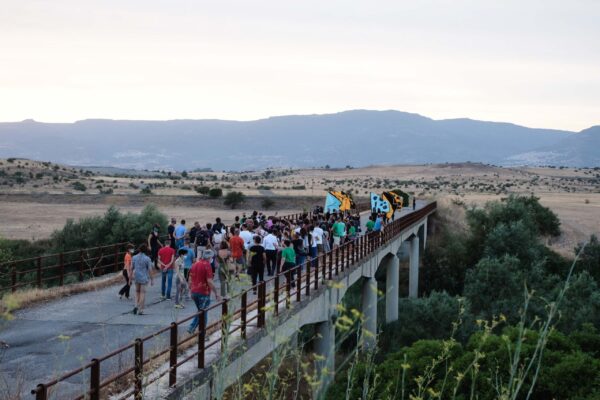
The ritual began inside the factory and concluded on the bridge over the River Tirso. This movement—from the enclosed and contaminated interior of the industrial plant towards the open landscape of the river—constitutes the symbolic structure of the work.
As it advances, the parade gradually leaves behind the spectral noise of the machinery and moves towards the water, plants, rocks and landscape. The Tirso is not merely the natural backdrop of the performance, but a living body, an archive of the territory’s environmental and social transformations and a possible subject with which to build a new alliance.
The community pays homage to the river. This is not a celebration of an abstract and uncontaminated nature, but a recognition of the Tirso as witness, ecological infrastructure and living presence, whose waters connect territories, species, economies, memories and conflicts.
The passage from the factory to the river can also be understood as an attempt to symbolically reverse the direction of the extractive process. Rather than taking water, energy and resources from the territory to sustain production, the community returns attention, bodies, listening and recognition to the living system that supported that same production.
Parade for the Tirso therefore transforms the journey from the factory to the river into a collective gesture of restitution: a ritual for remembering what happened, processing what has been lost and imagining a different form of future together.
The work does not propose the erasure of industrial ruins, but the possibility of passing through and critically inhabiting them, generating new forms of collaboration and imagination within a damaged landscape. This perspective resonates with Anna Lowenhaupt Tsing’s reflections on the possibility of rebuilding relationships and forms of shared survival within the ruins produced by capitalism (Tsing 2015).
Parade for the Tirso does not claim to resolve industrial trauma. Rather, it creates a temporary space in which that trauma may be acknowledged and shared. The performance thus becomes an act of memory, a gesture of mourning and, at the same time, a collective exercise in prefiguration.
The future evoked by the parade does not coincide with a new, supposedly redemptive promise of development. It emerges from the capacity to recognise limits, repair damaged relationships and restore value to the bodies, forms of knowledge and ecosystems that industrial and extractive logics have rendered marginal or expendable.
Bibliographical and Documentary References
Ottana and the Industrialisation of Central Sardinia
Leoni, Gianmario, ed., Rincorrendo il “miracolo”. Ottana e l’industria nel centro Sardegna, Milan, FrancoAngeli, 2025.
Leoni, Gianmario, ‘Cattedrali nel deserto? Il caso Ottana per l’industrializzazione del centro Sardegna’, Novecento.org. Didattica della storia in rete, 6 November 2024.
Zedda, Andrea Francesco, E poi arrivò l’industria. Memoria e narrazione di un adattamento industriale, Rome, Donzelli, 2021.
Environment, Remediation and Workers’ Health
Autonomous Region of Sardinia, Piano regionale di bonifica delle aree inquinate. Rapporto ambientale, Cagliari, 2018.
Autonomous Region of Sardinia, Piano di bonifica dei siti inquinati della Regione Sardegna, Cagliari, 2005.
Autonomous Region of Sardinia, Dossier – Area di crisi complessa. Polo industriale di Ottana, Cagliari, 2018.
Sardegna Ambiente, Sito industriale di Ottana: sistematizzazione dei dati, modello concettuale e proposta di monitoraggio, 2016.
Material Culture, Singing and Ritual Practices in Ottana
Dore, Giovanni, Gli strumenti della musica popolare della Sardegna, Cagliari, Edizioni 3T, 1976.
Autonomous Region of Sardinia – Sardegna Cultura, ‘Carnevale di Ottana’.
Autonomous Region of Sardinia – Sardegna Cultura, ‘Classificazione degli strumenti’.
Municipality of Ottana, ‘Feste e tradizioni’.
UNESCO, Canto a tenore, Sardinian Pastoral Songs, Representative List of the Intangible Cultural Heritage of Humanity, dossier no. 00165, 2008.
Land, Property and Territorial Transformations
Deffenu, Andrea, ed., Le terre civiche in Sardegna. Problematiche giuridiche e valorizzazione, Turin, Giappichelli, 2021.
Grossi, Paolo, Un altro modo di possedere. L’emersione di forme alternative di proprietà alla coscienza giuridica postunitaria, Milan, Giuffrè, 1977.
Grossi, Paolo, Il mondo delle terre collettive. Itinerari giuridici tra ieri e domani, Macerata, Quodlibet, 2019.
Rowland Jr., Robert J., ‘Sardinia Provincia frumentaria’, in Le ravitaillement en blé de Rome et des centres urbains des débuts de la République jusqu’au Haut-Empire, Rome, École française de Rome, 1994, pp. 255–260.
Di Matteo, Dante, and Eleonora Guadagno, ‘Blue Gentrification: Sustainably Effective, Socially Regressive, or Both? Impacts of Coastal Housing Policies in Sardinia’, Land Use Policy, vol. 157, 2025, article 107666.
Ritual, Memory, Art and Environmental Justice
van Gennep, Arnold, The Rites of Passage, Chicago, University of Chicago Press, 1960; originally published in French in 1909.
Turner, Victor, The Ritual Process: Structure and Anti-Structure, Chicago, Aldine Publishing, 1969.
Taylor, Diana, The Archive and the Repertoire: Performing Cultural Memory in the Americas, Durham, Duke University Press, 2003.
Kester, Grant H., Conversation Pieces: Community and Communication in Modern Art, Berkeley, University of California Press, 2004.
Nixon, Rob, Slow Violence and the Environmentalism of the Poor, Cambridge, Massachusetts, Harvard University Press, 2011.
Tsing, Anna Lowenhaupt, The Mushroom at the End of the World: On the Possibility of Life in Capitalist Ruins, Princeton, Princeton University Press, 2015.
Demos, T. J., Decolonizing Nature: Contemporary Art and the Politics of Ecology, Berlin, Sternberg Press, 2016.
Demos, T. J., Against the Anthropocene: Visual Culture and Environment Today, Berlin, Sternberg Press, 2017.
Mbembe, Achille, Necropolitics, translated into English by Steven Corcoran, Durham and London, Duke University Press, 2019.
Production Credits
Parata per il Tirso – Parade for the River Tirso
Year: 2021
Concept and artistic direction: Andrea Conte – Andreco Studio and Climate Art Project
Curated by: Maria Paola Zedda – ZEIT Art Research
Production: Abitare Connessioni – Borghi in Festival, Sardarch and Sardegna Teatro
Public art programme: Rifare il mondo, curated by Maria Paola Zedda in dialogue with Antonella Camarda and the Nivola Museum Foundation
Music and sound interventions: Tenore Santa Maria Otzana di Ottana, Mariantonietta Bosu and local traditional musicians
Masks and stage objects: Andrea Conte – Andreco, in collaboration with Peppino Zicchi, Paolo Lai and local craftspeople
Flags and costumes: produced in collaboration with local craftswomen and artisans from Orani
With the participation of: performers, former workers, family members, residents and the communities of Ottana and Orani
A project for and by: the municipalities of Orani, Mamoiada, Orgosolo and Ottana
Winner of the public call: Borghi in Festival, promoted by the Directorate-General for Contemporary Creativity of the Italian Ministry of Culture
Concept and coordination of Abitare Connessioni: Sardarch – Matteo Lecis Cocco Ortu and Nicolò Fenu – with Enrica Puggioni
Technical and production coordination of the festival: Sardegna Teatro
Locations: Nivola Museum Foundation, Orani; former Enichem industrial area and former Legler plant, Ottana; River Tirso, Barbagia, Sardinia
Photographs of the work: Andrea Mignogna
Documentation: Andreco Studio – Parata per il Tirso / Parade for the River Tirso
Full festival credits: Abitare Connessioni – Credits
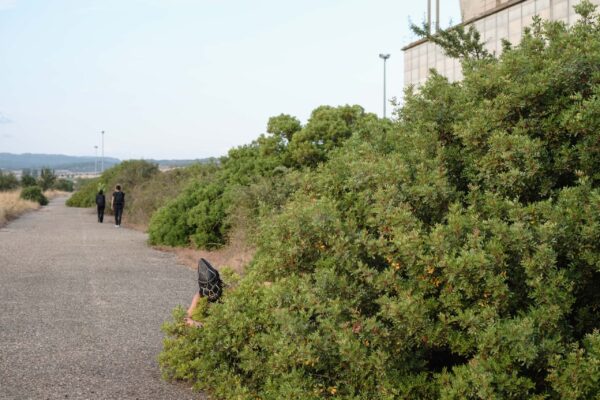
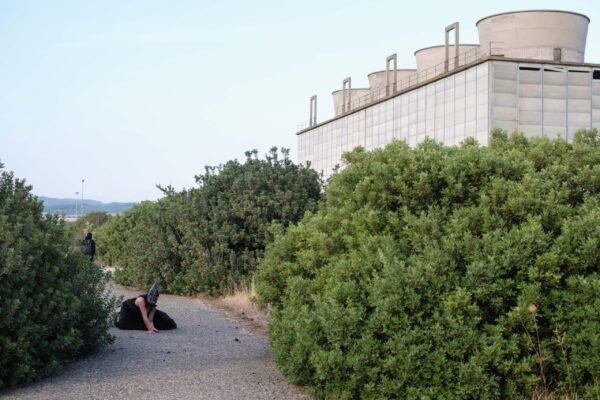
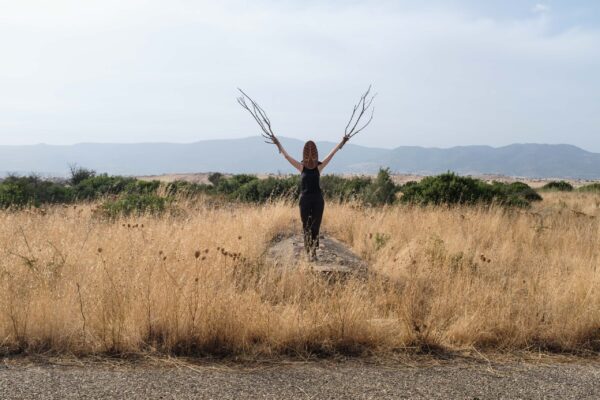
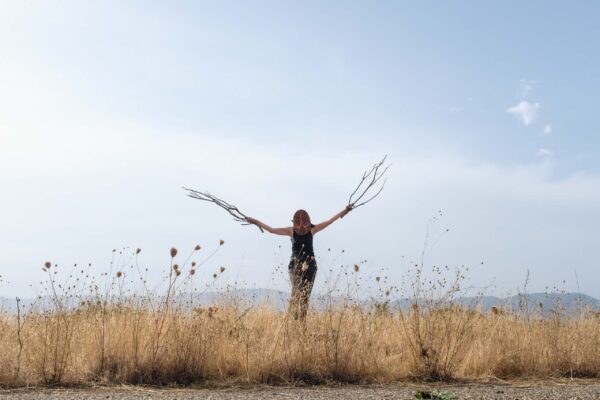
The shade of the mastic bushes.
The acceleration of desertification is one of the most obvious consequences of global warming. Sardinia is one of the regions most at risk from drought and fire. Preserving the Mediterranean scrub is fundamental for preserving biodiversity and water resources and mitigating soil erosion. Too often we have seen it go up in flames.
With this performance we want to pay homage to the Tirso river, to the plants, to the landscape and to the geology of the territory. The island is made up of granite, basalt, clay and limestone, which from the coast reach the riverbed passing through the massifs and plateaus. We pay homage to the plants that shield the soil from the sun, such as myrtle, lentisk and helichrysum bushes, which with their scent contribute to creating that mix of scents typical of the Mediterranean scrub that characterises a unique ecosystem. A place that guarantees the survival of many living species. The grains of quartz raised by the mistral wind strike the large granite boulders, slowly moulding them into large sculptures. These dreamlike creations stand out against the sky in dialogue with the shapes of the clouds that also change but much more quickly. The clouds contain smaller, lighter particles surrounded by suspended water vapour, and their movement gives rise to constantly changing images. Every day these shapes suggest new stories in dialogue with the landscape and its granite protagonists.
We are the bushes and the granite of this place, we seek water and sink our roots into this soil, we are the forest that grows spontaneously, we are the shadow that is created and in the darkness we guard the secrets and mysteries of these magical places. We are the ancient olive trees, the holm oaks, the oaks; we adapt to the changing climate, we bow to the mistral and the sirocco. We are the cork oak bark that grows slowly, we are the thorns of the butcher’s broom. We cannot be subjected to any dogma, to any domination. We are juniper and pepper berries, we are the Tirso river. We grew up looking at distant horizons between the sky and the sea and our gaze knows no boundaries.